
Current: Tesla sales in Germany have quadrupled again, with electric vehicles accounting for an increasingly larger share
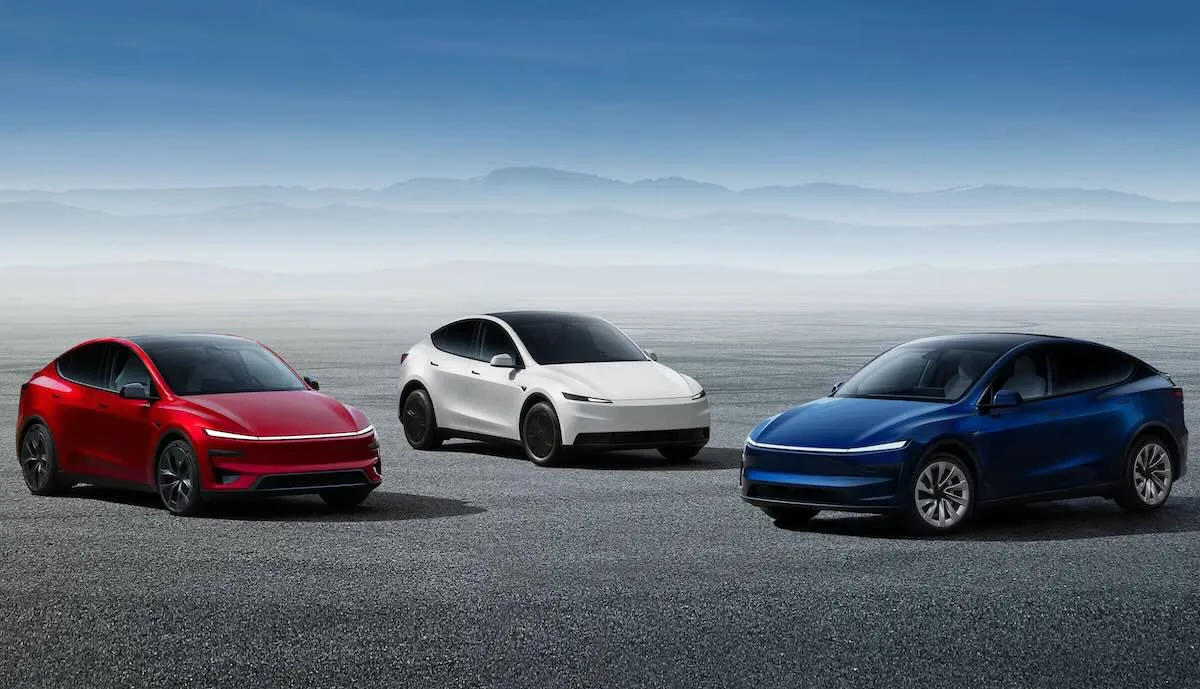
Image: Tesla (symbolic photo)
Unlike the third quarter, Tesla’s fourth quarter in Germany did not start with a decline – on the contrary: According to data from the Federal Motor Transport Authority (KBA), new registrations for the brand rose by 291 percent in October, nearly four times higher than the previous year. Meanwhile, the overall electric vehicle market continued its strong performance in Germany, reaching another record in terms of its share of all new passenger cars.
Tesla up 206% so far
With 2,932 new registrations in October, Tesla’s latest figure is not particularly high on an absolute scale. However, the 291 percent increase was nearly the highest among manufacturers in Germany that achieve at least four-digit monthly registrations, according to KBA data. Within this group, only the Chinese electric vehicle brands Leapmotor and Xpeng saw similarly strong growth. Additionally, Tesla’s new registrations in Germany have quadrupled for the fourth time in 2026 after March, May, and June, in October as well.
The situation is similar for new vehicle registrations throughout the year so far. Here, Tesla’s increase is 206 percent, reaching 47,742 units. Xpeng saw even greater growth from January to October at 280 percent, but starting from a lower base, reaching 8,403 new registrations. Leapmotor, Stellantis’s European partner, also grew faster than Tesla over the ten months, with an increase of 266 percent to 19,705 units. The same holds true for its major global rival BYD, whose sales in Germany rose by 216 percent to 47,961 units.
Electric vehicle boom erodes margins
Electric cars are therefore becoming increasingly popular in Germany — and not only when they come from Tesla or China. Overall, the number of new pure electric vehicles registered in October 2026 rose to 94,086 units, 79 percent more than a year earlier, which may also be linked to the reintroduction of a purchase subsidy for electric cars. At the same time, the share of this type of vehicle in Germany’s overall passenger car market reached 37 percent, the highest level ever recorded.
It is likely to be even higher if German manufacturers were not caught off guard by the ongoing boom in electric vehicles. According to a report in Handelsblatt, VW, BMW, and Mercedes had anticipated much lower demand, which now results in long delivery times. At the same time, their profit margins on electric vehicles are much lower than those on internal combustion engines, which are becoming less in demand, meaning higher production volumes ultimately lead to lower profits.