
Currently: Tesla is required to answer NHTSA questions about the compliance of Cybercab under oath.
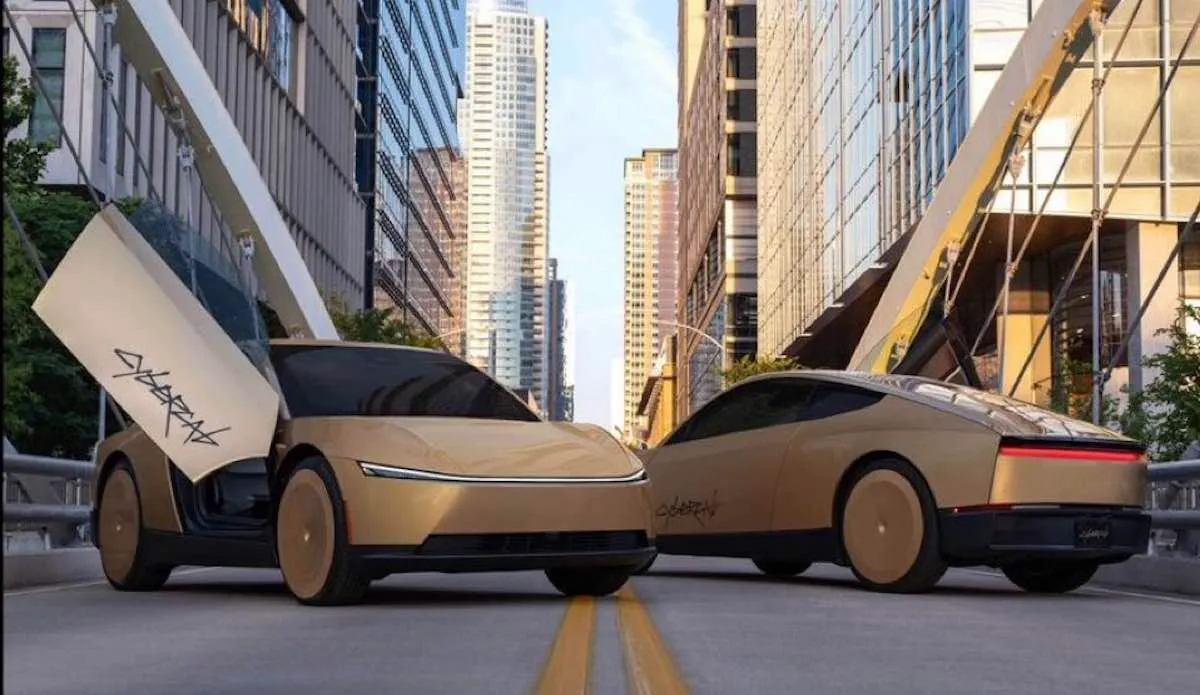
Image: Tesla (Cybercabs set to launch in Austin)
No one has actually purchased the Tesla Cybercab yet, as it was put into service at the beginning of September as part of Texas’s robotaxi fleet. But since it operates on U.S. roads, it must comply with the relevant regulations. According to Tesla, this is already the case: As is standard in the U.S., the company declared its Cybercab compliant with regulations before deployment. However, the NHTSA now wants much more detailed information: By the end of September, Tesla must answer detailed questions about the legality of this autonomous two-seater vehicle — under oath.
"Special Order" for Tesla Cybercab
The problem is that, as several U.S. media outlets reported on Wednesday, a car without a steering wheel and pedals like the Cybercab is not yet eligible for approval in the U.S. Although regulations requiring things such as a foot brake or adjustable exterior mirrors are set to be updated for the era of autonomous vehicles, this has not yet happened. Until then, the old rules still apply to Tesla as well, the NHTSA stated shortly after the Cybercab was launched and initiated an investigation into it.
As part of this, a comprehensive list of questions was sent to Tesla under a “special order,” requiring responses by September 30, to be sworn in the form of an affidavit by Tesla’s leadership. Otherwise, intervention by the Justice Department and a fine of up to nearly 140 million dollars are threatened, according to the document. False or omitted information can be considered a criminal offense under NHTSA regulations, punishable by fines or imprisonment.
Robotaxi Competitor with an Exception
The agency essentially wants to know how Tesla arrived at the conclusion that its fully autonomous robotaxi meets all U.S. safety standards. Tesla is required to explain, among other things, whether and how it can also be operated manually, and whether there are temporary features (such as a brake pedal) that played a role in self-certification as compliant but will be removed during actual operation of the Cybercab on roads. If Tesla believes certain regulations do not apply to the vehicle, each one must be explained and justified.
Debates arose about the significance of this special directive after it was made public. Some Tesla fans dismissed it as a mere formality, while more skeptical observers saw it as the preliminary end for the newly launched Cybercab. So far, only a small number of them are operating in limited areas of Austin, despite CEO Elon Musk announcing a “storm of Cybercabs” ahead of the launch event. Competitor Zoox, unlike Tesla, secured an exception permit from the NHTSA in advance, allowing 2500 of its robotaxis to operate on U.S. roads initially.