
Now could be the moment: the Firefly comes equipped with a 60 kWh battery and a range of 470 km
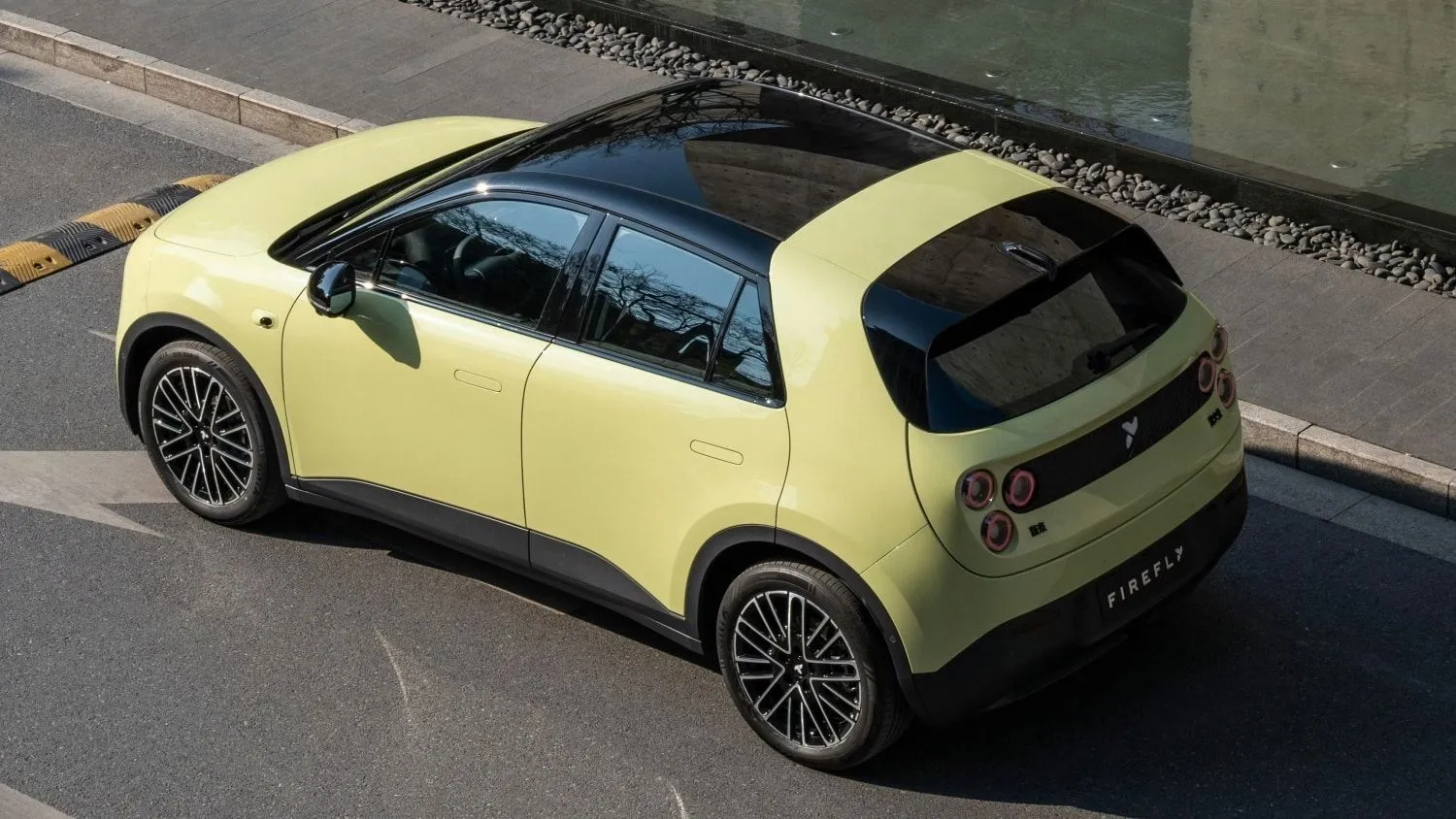
The Firefly emerged as a distinct alternative in the increasingly competitive segment of small electric cars. It is a compact model with a very unique design and technology such as battery swapping, which remains relatively uncommon in Europe. However, one aspect could limit its usability outside the city: its battery and range.
The brand seems determined to address this issue. The Firefly will receive a new 60 kWh battery, a significant improvement over the current one, allowing this small vehicle to handle long trips with far fewer stops. The arrival of this new version is expected this year, though several details still need to be finalized for the European market.
The Firefly gets a larger battery and aims for around 470 km of range
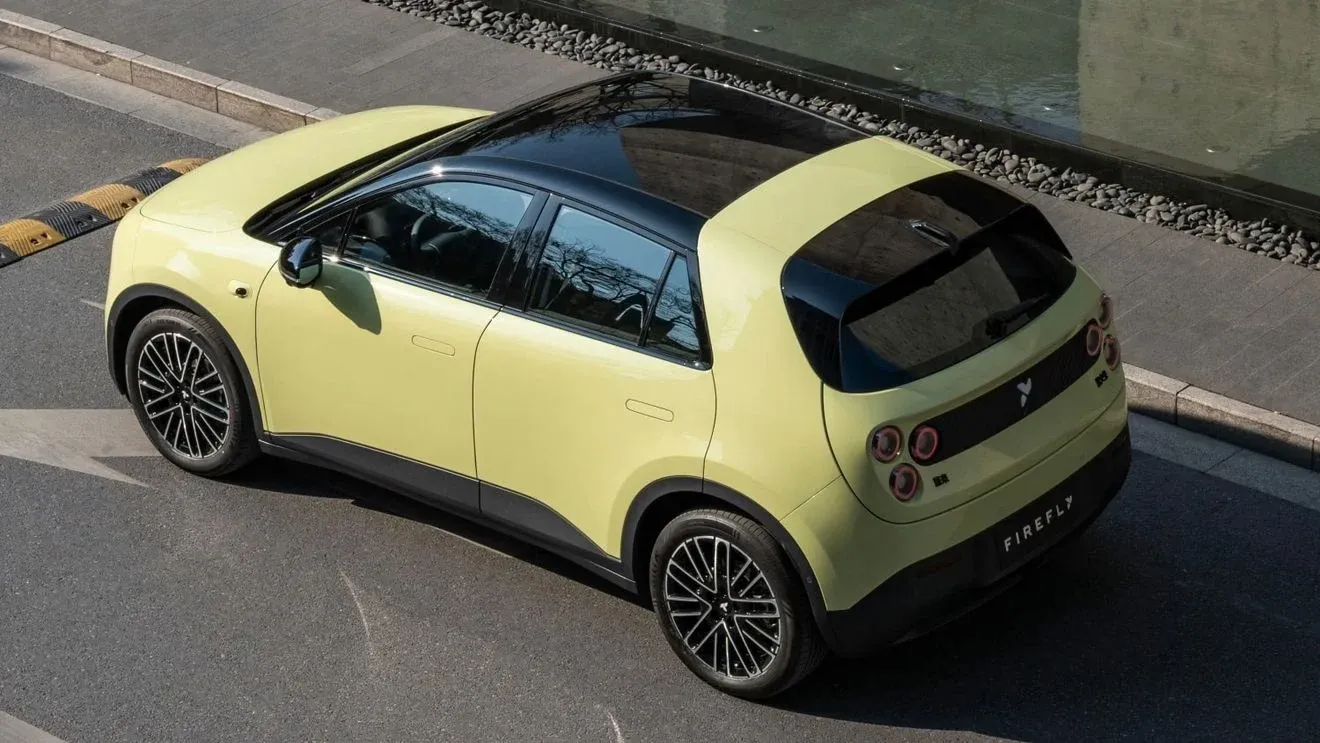
The Firefly is a model that is just 4 meters long and uses an LFP battery with a capacity of 42.1 kWh. In Europe, it achieves 330 km of range according to WLTP standards. The new battery will increase the capacity to 60 kWh, representing an increase of around 43%, and should result in a range of approximately 470 km.
This figure should still be viewed with caution. NIO has not yet released the final WLTP certification for the model with the new battery, so it is not possible to determine its official range in Europe at this time. What is confirmed is the capacity of the new battery pack, and it will switch from LFP to NCM cells supplied by CATL.
The update is particularly interesting because it’s not simply about installing a larger battery in an existing car. According to information released by Firefly, the new pack maintains the same dimensions and mounting points as the current battery. This opens the door for owners of existing units to potentially get an upgrade in the future, although NIO has not yet confirmed the terms or price of such a possible change.
In China, the Firefly has already sold over 80,000 units since its launch. The capacity increase comes at a time when the model already has a substantial user base, rather than as a last-minute modification before release.
The price will undoubtedly be one of the major uncertainties. The Firefly currently costs around 30,000 euros in Europe, depending on the market and purchase conditions. The new 60 kWh battery is expected to raise this price, though there is still no official figure for this version. In a segment where a few thousand euros can completely change a buyer’s decision, this will be an especially important factor.
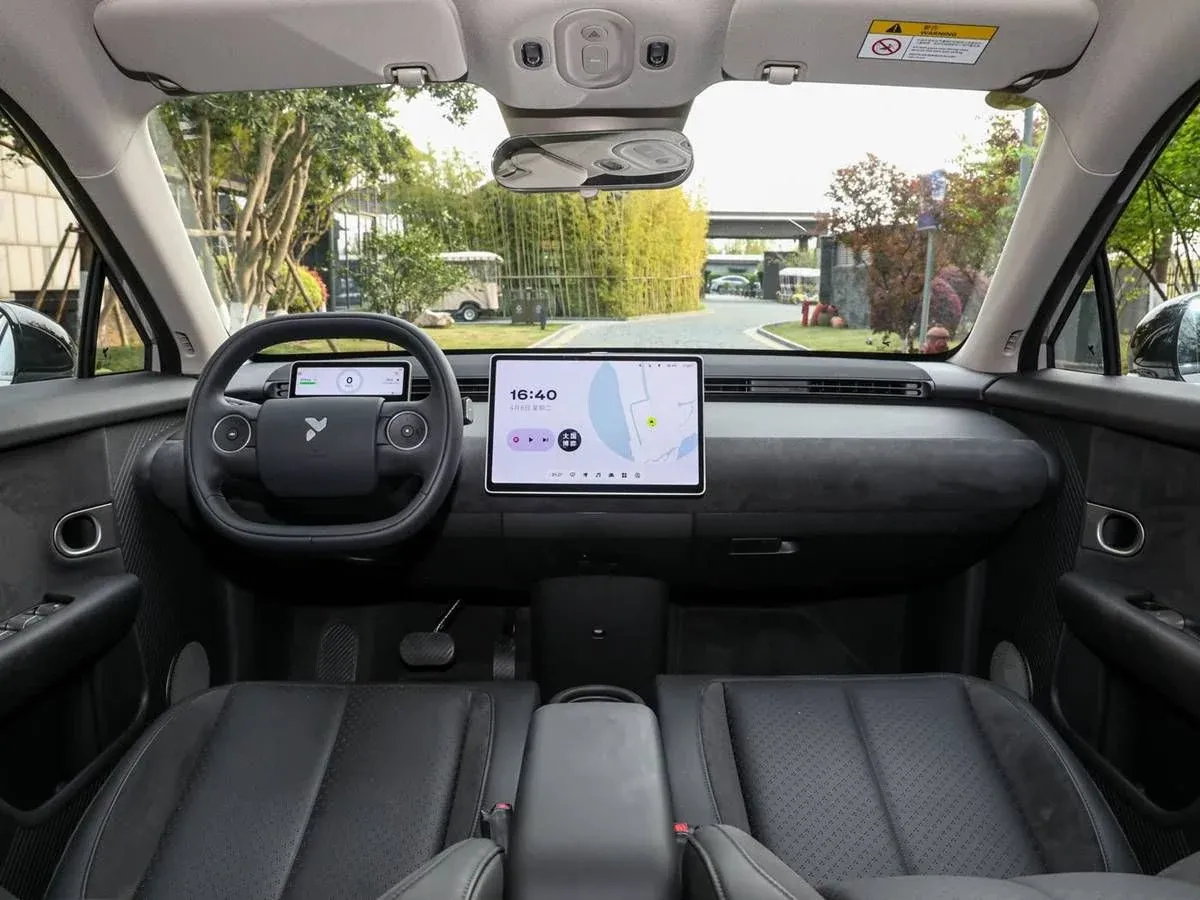
The advantage of the Firefly is that it doesn’t rely solely on its battery to stand out. Its compact size, exterior design, and technological approach aim to offer something different from more conventional European small models. The battery swap feature.
A process that is successful in China but will go completely unnoticed in Europe. It may even reach an end in China, as smaller models are starting to enter the ultra-fast charging segment, such as the new BYD Seagull.
The Firefly also supports conventional charging. The current version can handle up to 100 kW of DC power, allowing it to go from 10% to 80% charge in about 29 minutes. For AC charging, it has a 7 kW single-phase charger or a 11 kW three-phase charger.
If it manages to offer those 60 kWh at a reasonable price, the design and technology of this model could enable it to compete in a segment firmly dominated by the Renault 5, along with other models such as the Lancia Ypsilon, Mini Cooper, and FIAT 500e.