
More electric and digital agriculture? There are 165 million, but they are not enough
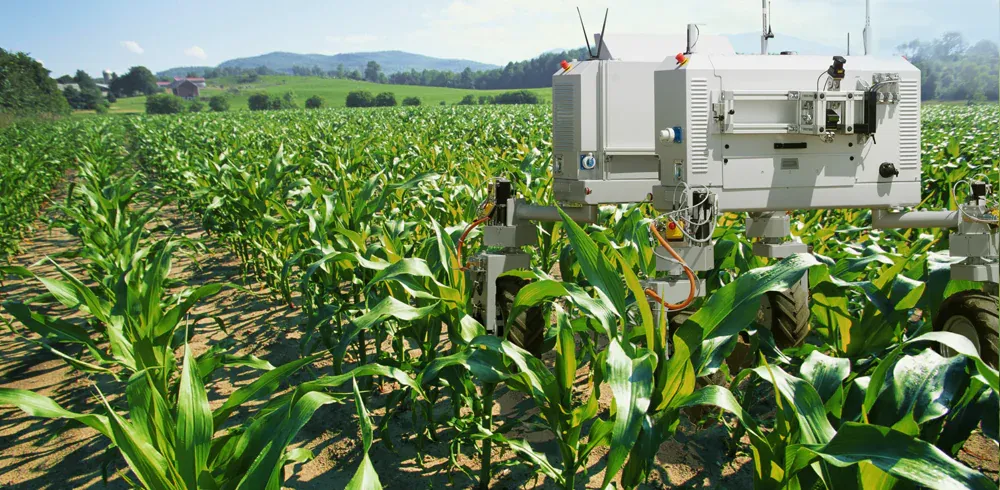
Agriculture in crisis due to climate change: part of the solution comes from digital technologies, especially those powered by electric motors. The urgency to adapt to increasingly extreme weather conditions, with heatwaves last summer reducing yields and driving up prices, has accelerated investment in innovation and precision agriculture. The budget law allocates 165 million in funds for purchasing drones, sensors, and 4.0 agricultural machinery. Drones are entirely electric, but even in the fields of robotics and mechanization, more and more electric or electrified devices are emerging. Some are already in use in farms, such as the robots from Field Robotics, which won awards at the Vaielettrico Awards.
A sector in crisis because of climate change
Fresh produce is becoming increasingly expensive, with one of the main causes being the growing impact of extreme weather events. From tomatoes that can cost over 10 euros per kilogram in some cases to the surge in potato prices, to the decline in rice yields—a crop particularly dependent on water availability. Heatwaves have disrupted the planting schedules of certain crops, reducing productivity and increasing costs related to irrigation.
Agriculture is becoming high-tech: billions invested in robotics and vertical farms
Added to this are the high cost of diesel and logistical difficulties, which, along with the halt in truck traffic, have highlighted how dependent the agricultural supply chain remains on fossil fuels. Temperatures above 40 degrees for weeks have also increased costs related to labor and business operations. These factors together contribute to rising food prices, which have exceeded 5%.
To control costs and mitigate the effects of climate change, digital technologies such as drones come into play. Powered by batteries, these devices enable monitoring of crop conditions, early detection of problems, and optimized use of water and pesticides. This is the principle of precision agriculture: intervening only where and when needed, reducing waste, and improving productivity. These same tools also allow for predicting and more quickly addressing critical events such as frost, which cause significant damage to crops every year.
The competitiveness of electrification thanks to renewables
In this context, electrification is a key factor for competitiveness. From irrigation to agricultural machinery, using electricity can help reduce operating costs, especially when it comes from renewable sources. According to an RSE report, 47% of agricultural businesses already generate part of the energy needed for their operations on their own, largely thanks to investments in photovoltaic systems.
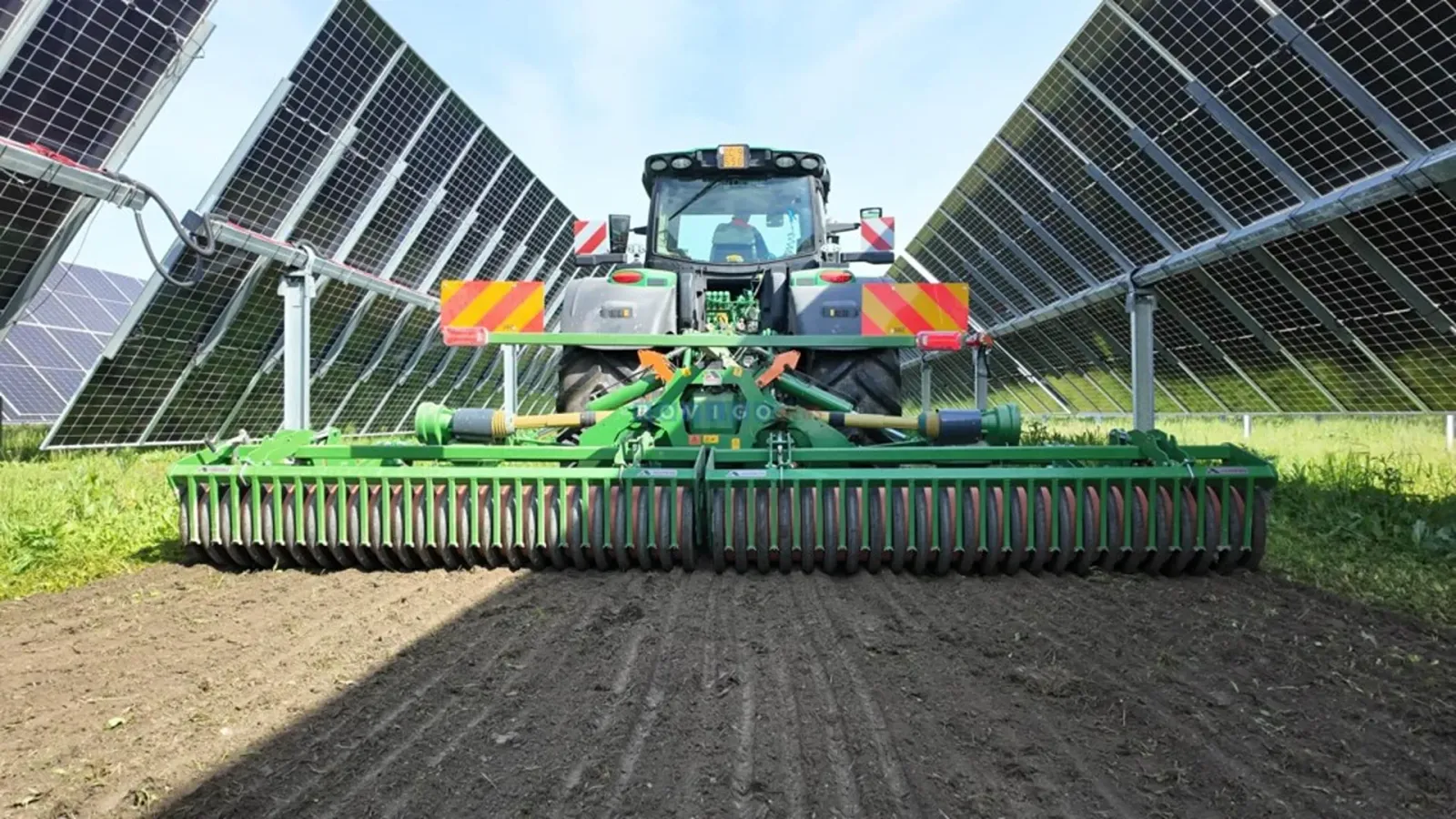
A trend supported by the more than 2 billion euros allocated to the Parco Agrisolare program, which funded the installation of solar panels on the roofs of agricultural facilities. This approach is now further strengthened by the deployment of agrivoltaic systems, designed to integrate agricultural and energy production on the same land, increasing businesses’ energy autonomy and reducing reliance on fossil fuels.
But the government’s 165 million euros are insufficient
The budget law outlines 160 million in tax credits for investments in Agriculture 4.0. Minister Francesco Lollobrigida expressed joy, saying, “The commitment to innovation in this sector is strengthened by the allocation of 160 million for the Agriculture 4.0 initiative, extending the validity of the tax credits until 2029. This will enable funding for tools such as tractors and high-tech agricultural machinery, precision farming equipment, and digital systems for monitoring crops and production processes.”

It’s a shame that the electrical component of some of these technologies wasn’t mentioned either. And there isn’t enough funding. Representatives of industry associations like Federacma say, “There is satisfaction, but it’s only partial,” explains Andrea Borio, president of the Confcommercio federation that represents national associations for agricultural, construction, and gardening machinery services and trade.
Electric Tractors: Carraro and Seederal Working Together Toward 2030
In more detail: “The funds announced risk being insufficient to recover lost ground and ensure a sustainable recovery for a sector in severe trouble, with implications for companies’ balance sheets and employment. The 160 million represent a still limited response for an industry that needs to make up for almost an entire year’s worth of revenue.” Beyond environmental considerations and support for decarbonization, public funds serve as a catalyst for private investment: according to Borio, assuming a 40% tax credit, the allocated 160 million could generate around 400 million in investments.
READ ALSO: Climate change is here. Enough talking—let’s address it and watch the VIDEO
Previous Article
Applause for Trump fighting electric cars
Next Article
Electric trucks, vans, and buses: Europe is accelerating, but diesel still holds strong