
Farewell to diesel on European roads: the multi-million euro plan to electrify long-distance heavy transport
20/09/2026 13:30
Updated to
20/09/2026 13:30
VINCI aims to accelerate the electrification of heavy transport through a new European charging network for electric trucks. The French company, via VINCI Concessions and its specialized subsidiary Voltix, will invest around 90 million euros together with Épopée Gestion and ADEME Investissement to establish an initial network of high-power charging stations.
The project will begin in France and later expand to Germany and Spain, with the goal of covering some of the main corridors used for international freight transport.
First France, then Germany and Spain
The first phase includes around 20 locations, most of them in French territory. Voltix will be responsible for developing and operating these facilities, which are designed specifically for electric heavy vehicles. The first charging station is scheduled to open in autumn 2026 in Vierzon, in France’s Cher department. From there, the project aims to gradually build a network that allows electric trucks to undertake long-distance trips without range and charging times becoming obstacles for transportation companies.
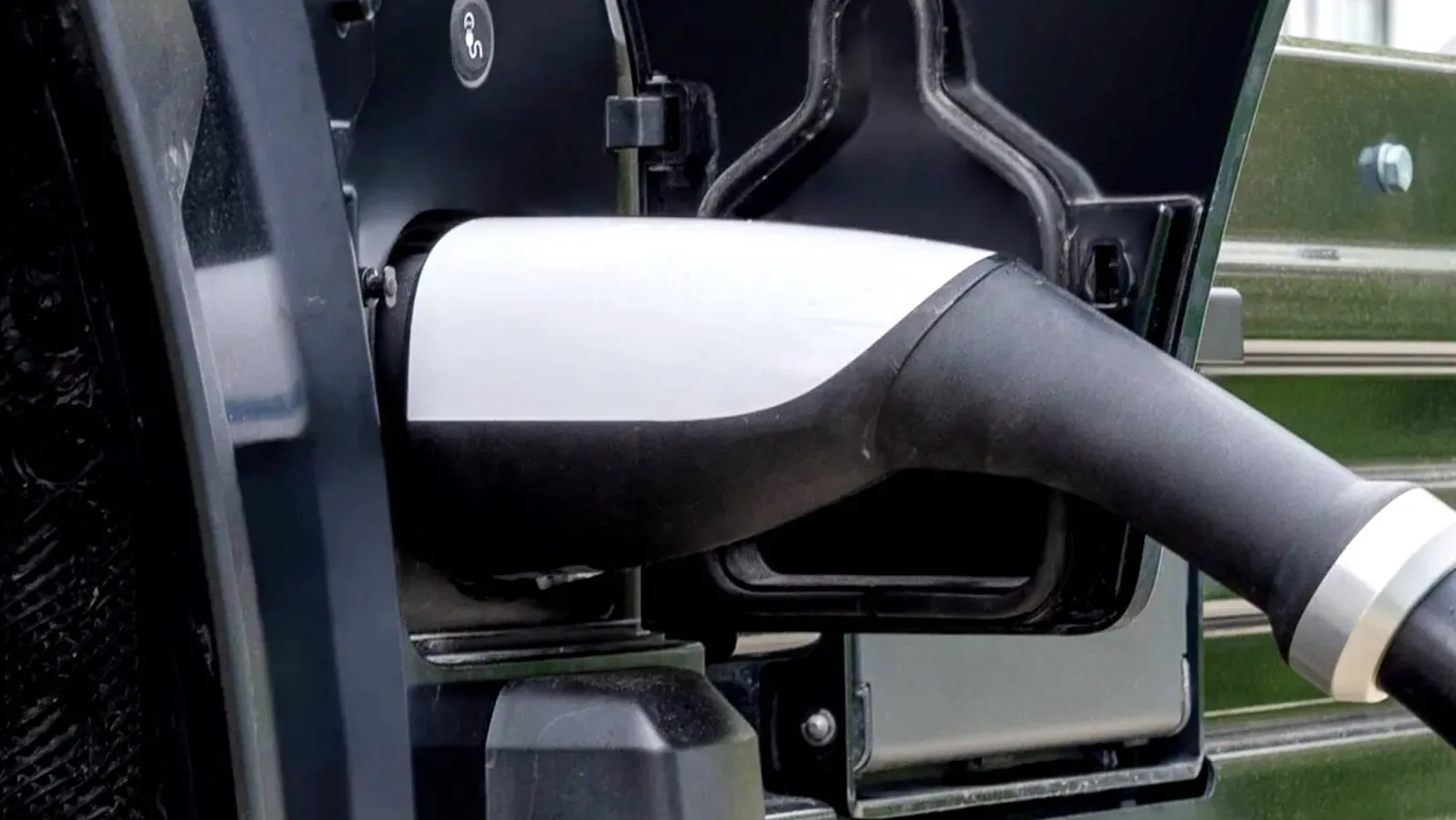
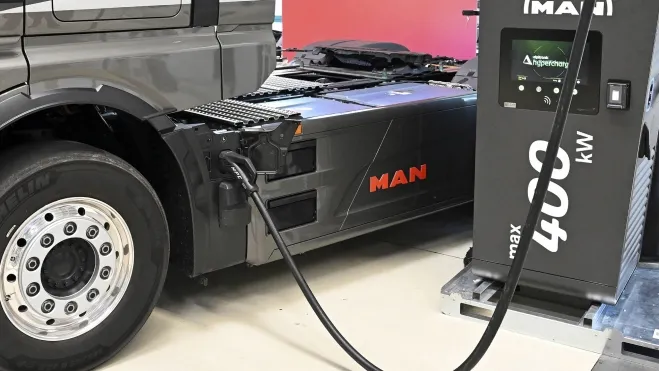
The key technology will be the MCS standard (Megawatt Charging System), a charging system developed specifically for heavy vehicles that enables handling power levels far exceeding those of regular electric cars. Its goal is to reduce the time a truck needs to be parked to recharge, which is especially important in an industry where every stop has a direct impact on productivity and delivery times.
VINCI’s investment comes at a time when truck charging infrastructure is beginning to develop on a European scale. Manufacturers are expanding their range of electric heavy vehicles, and community regulations are encouraging the installation of charging stations along major transport routes, prompting operators to respond by establishing a dedicated charging network.
This is necessary because without a sufficiently extensive network, battery-powered trucks will struggle to compete with diesel models in international operations, especially on routes that cross multiple countries. With this technology, they can recharge in about 45 minutes—similar to the mandatory rest stops required for drivers—to obtain enough energy to travel another four and a half hours.
A Axis Across the Continent
Germany will be one of the next markets where Voltix aims to expand, as the company is already involved there, along with Eliso, in developing a public fast-charging network for trucks. The consortium formed by both companies has secured a contract to install facilities at 25 locations in the first phase of Germany’s program for heavy vehicle charging stations.
Spain is also included in the project’s expansion plans, though deployment will occur after the first phase in France. The connection between France, Spain, and Germany is particularly important for road freight transport, as it allows the creation of an electric corridor spanning much of western Europe. The goal is to enable operators to plan international routes using the same logic they currently apply with conventional service station networks.
The project’s investment will not come solely from VINCI; instead, the nearly 90 million euros will be contributed jointly by VINCI Concessions, Épopée Gestion, and ADEME Investissement, in addition to funding from European sources through the CEF-AFIF program.