
Farewell to the inner lane in some Spanish roundabouts: why more and more surface markings are appearing
03/10/2026 11:30
Updated to
03/10/2026 11:30
Roundabouts do not necessarily have to maintain the same configuration they were built with for their entire lifespan, as road authorities can modify their signage and geometry when traffic volume, typical vehicle movements, or safety considerations warrant reorganizing traffic flow.
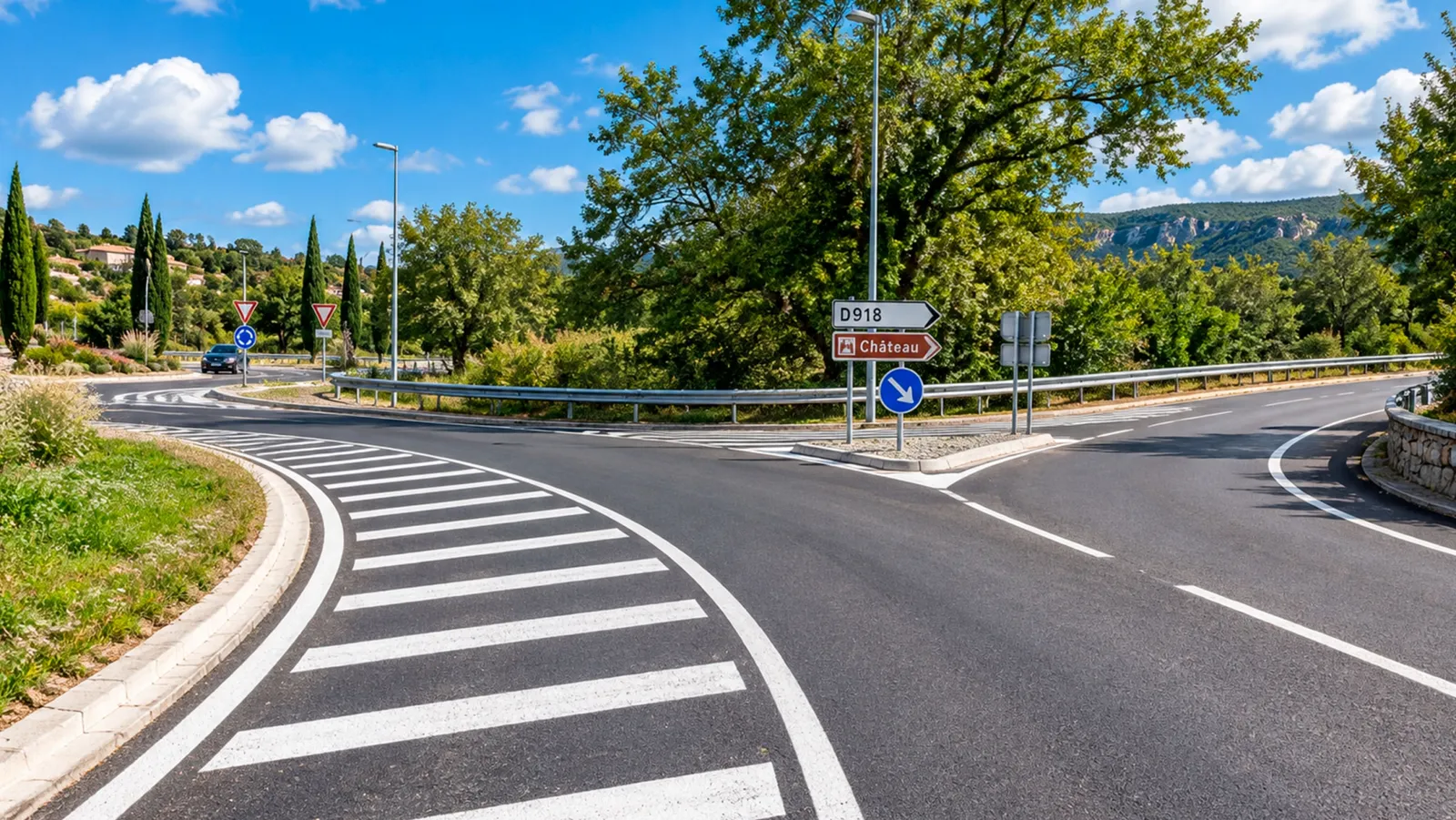
One such modification is creating a rather unusual sight in some sections of Spain’s road network: roundabouts large enough to accommodate multiple lanes, where part of the ring has been rendered inoperable by a wide area of white markings, thereby reducing the available space for traffic.
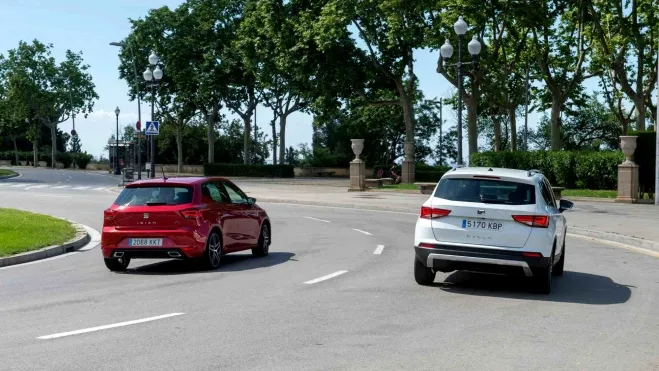
The goal is to change the way people navigate through roundabouts.
The DGT explains that the layout of a roundabout can be adjusted according to its specific characteristics to reduce conflicts between vehicles, anticipate drivers’ decisions, and achieve safer and smoother traffic flow, using both vertical signage and painted markings on the road surface for this purpose.
Reducing part of the available space also allows for controlling vehicle trajectories, as an overly wide ring may enable much more direct routes, while a more compact geometry forces drivers to follow the roundabout’s curves more clearly and results in lower speeds.
Therefore, there is no universal elimination of the inner lane for all Spanish roundabouts, but rather different solutions that road owners can apply depending on the geometry and traffic conditions of each intersection, as explicitly addressed in DGT’s road safety strategy.
The white strips turn that space into an area where driving is prohibited.
The element used to close these areas is known as cebreado, currently identified in the official road marking catalog under references M-7.1 and M-7.2—these are diagonal parallel strips surrounded by a solid line, designed to separate a specific section of the road from traffic.
The General Traffic Regulations state that no driver should drive their vehicle into an area marked in this way, except for those who are required to use the shoulder, so that central surface should not be considered an additional lane or a space available for shortening the route within the roundabout.
A solution that also makes the path clearer
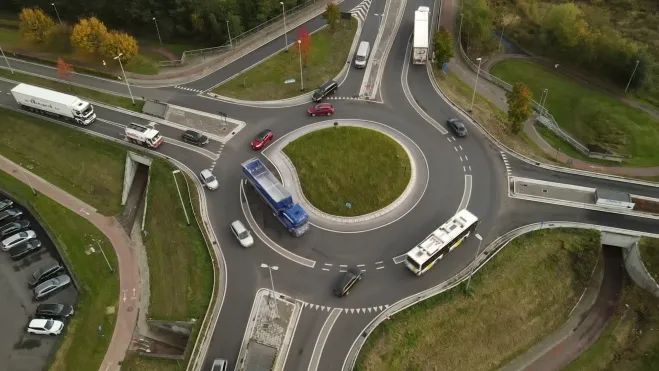
These markings also allow for easy identification of which part of the road is closed to traffic and help visually guide drivers, a principle that appears in technical road recommendations for overpasses as well. There, the use of different types of pavement, paint, and reflective elements is recommended to highlight specific surfaces and reinforce the path vehicles should follow.
The result are overpasses that may initially appear designed for two lanes, but after adjustments to the horizontal signage, they function with a more limited driving surface. This configuration is intended to organize traffic flow and prevent the extra space from being used as an extension of the road.
