
Farewell to CATL: this Chinese electric vehicle manufacturer has decided it’s time to produce its own batteries
09/09/2026 11:00
Updated to
09/09/2026 11:00
Add Hybrids and Electric Vehicles as Google’s preferred source for free.
Stay informed with the latest news updates.
Activate now
The electric vehicle industry is at a stage where supply chain control determines whether companies achieve profitability or remain highly dependent on others. In this context, Chinese firm Li Auto has decided to take a significant step regarding one of the key components in its vehicles. The manufacturer will begin transitioning to produce batteries in-house, a move that will reduce its reliance on CATL, the world’s largest battery manufacturer.
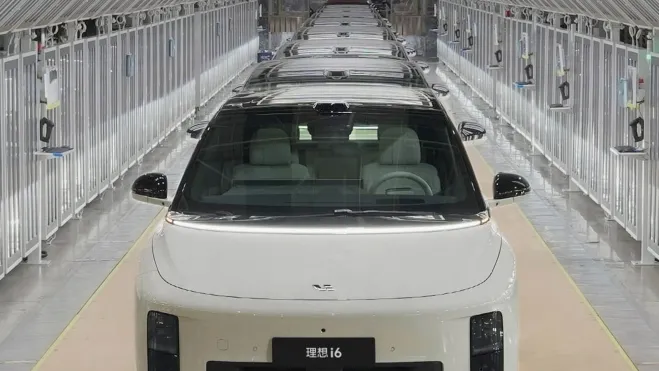
The change is part of a strategy to optimize technology and costs. Li Auto plans to introduce its own batteries with the redesign of the i6, its best-selling electric SUV, which is set to be unveiled in October at the Paris Motor Show. Until now, CATL has been the sole supplier for this model, but the company’s roadmap includes a replacement that will mark the beginning of a significant shift for this electric vehicle manufacturer.
Technological independence as a tool for efficiency
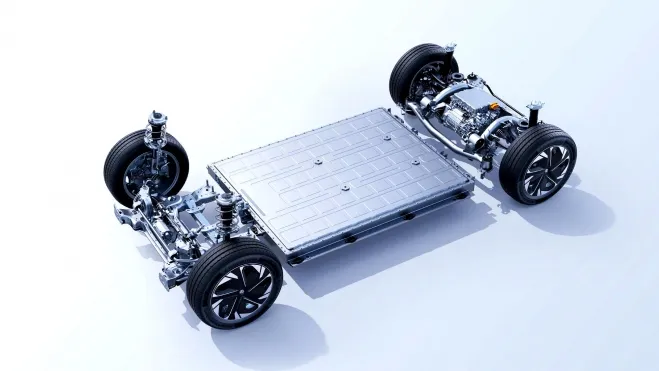
Developing its own battery technology allows a manufacturer to tailor the chemistry and structure of the battery pack precisely to the architecture of its vehicles. With this move, Li Auto aims to reduce production costs in a highly competitive market like China, where price wars squeeze manufacturers’ profit margins. By taking control of battery manufacturing, the brand not only lowers the cost per unit but also gains the flexibility to improve energy density and charging speed.
The introduction of these batteries into the i6 lineup will serve as a testing ground to assess the project’s industrial scalability. The transition will occur gradually, allowing units produced internally to coexist for a period with those from external suppliers. With this move, Li Auto joins other major global players aiming to dominate the most costly and essential component of electric vehicles, ensuring a stable supply amid potential market fluctuations.
A shift with implications for the industry
Li Auto’s move serves as a warning to the major battery cell suppliers. CATL has led the electric vehicle industry thanks to its scale capabilities and exclusive agreements with top-tier brands. However, once manufacturers reach a critical volume of sales, internalizing battery pack development becomes a natural step to protect their long-term competitiveness. Xpeng already did this with CATL, and now it’s Li Auto that is making this decision.
This strategy shifts the power balance in the electric mobility value chain. For end-users, such decisions typically result in vehicles with more optimized thermal management software, more efficient charging system performance, and better-priced offerings. The arrival of the new Li Auto i6 later this year will determine whether focusing on in-house production can maintain the innovation pace demanded by the global market.