
ADAC: Drivers are already convinced. Germans are increasingly switching to EVs, but……
In short:
The sales of electric cars among our western neighbors are growing at a rate of several dozen percent per year
Almost all EV users are satisfied with their choice, according to a survey by the ADAC automobile club
This doesn’t mean everything is working perfectly. There’s still much room for improvement
German drivers complain, among other things, about high charging prices, insufficient clarity in pricing structures, and safety issues at charging stations
ADAC: Everyone is satisfied, well, almost everyone
Until recently, Germany’s electric vehicle market relied primarily on subsidies and political decisions. Today, it’s becoming increasingly clear that electromobility is maturing, and the experiences of end-users are becoming just as important an argument as government incentives. This is confirmed by the latest survey conducted by ADAC among over a thousand electric car drivers.
The results are clear. Up to 97 percent of respondents said they were satisfied or very satisfied with using their car on a daily basis. Importantly, for almost three-quarters of those surveyed, it was the first electric vehicle in their household. Over 90 percent of those who switched from a gasoline vehicle to an electric one as their family’s primary car described the change as easy or very easy.
Satisfaction also extends to range. Most drivers claim their vehicles meet their daily needs. However, the report notes that the most frequently cited areas for improvement include significant differences in range between summer and winter, as well as discrepancies between the values claimed by manufacturers and the actual performance under real-world conditions.
As ADAC summarizes, “Switching to an electric vehicle goes smoothly in most cases, and drivers are satisfied with their decision.” The organization notes, however, that charging infrastructure needs to become more user-friendly, cheaper, and more transparent.
But there’s a “but”!
And that “but” refers to public charging, which remains the biggest source of concerns. While nearly two-thirds of users who use public charging stations say they are satisfied with the infrastructure, about one-quarter believe that both energy prices and fee transparency need improvement.
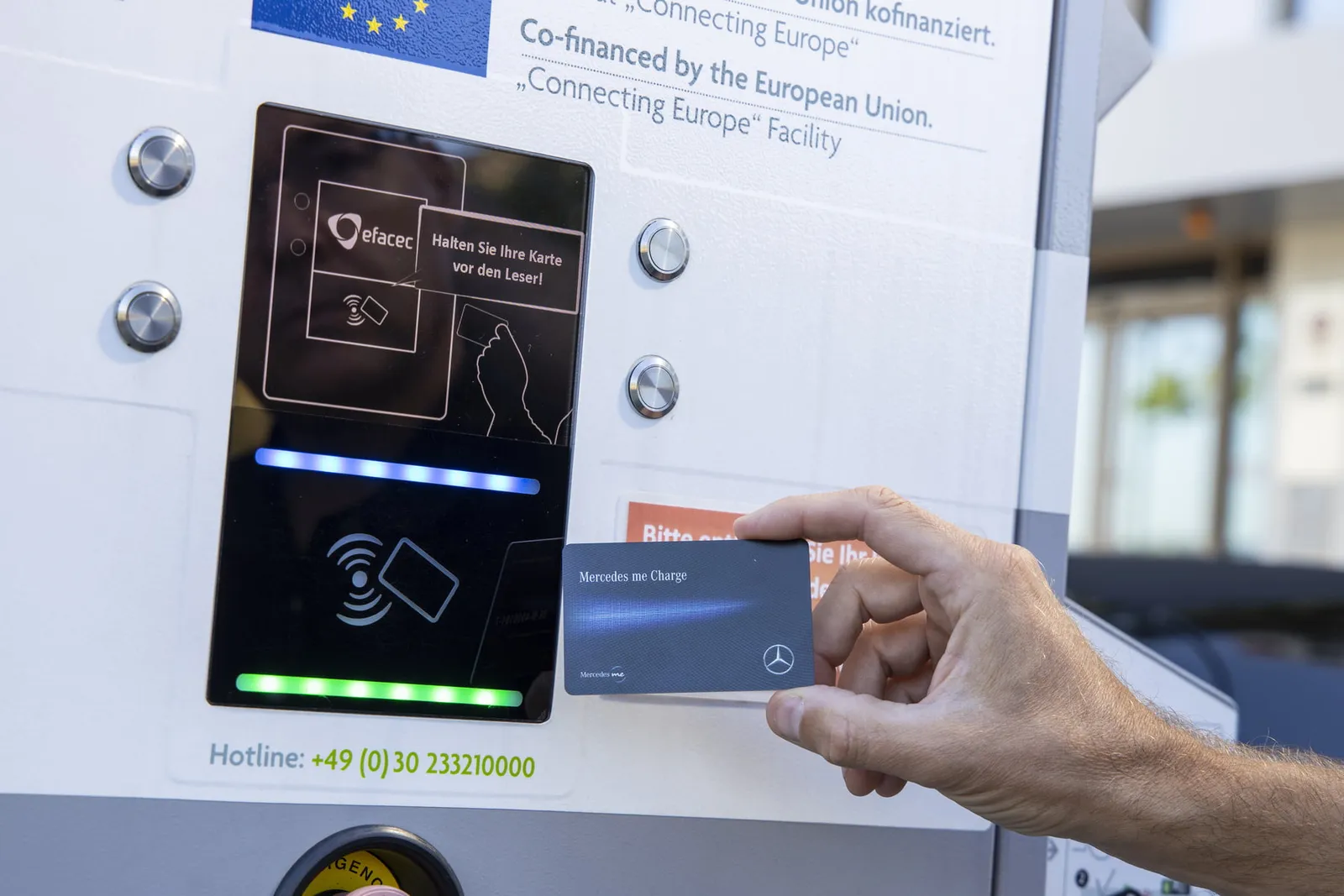
Drivers are increasingly expecting simpler payment methods as well. Over one-third of those surveyed have already used direct payments at charging stations via debit or credit card, and if the price were identical regardless of payment method, a similar number would choose a mobile app or a regular bank card.
The analysis of how people use pricing plans also yields interesting insights. The largest group of drivers, 42 percent, charge their cars on an ad hoc basis without committing to a specific subscription. Another 40 percent use plans without a fixed fee, while only 14 percent opted for a subscription with a monthly charge.
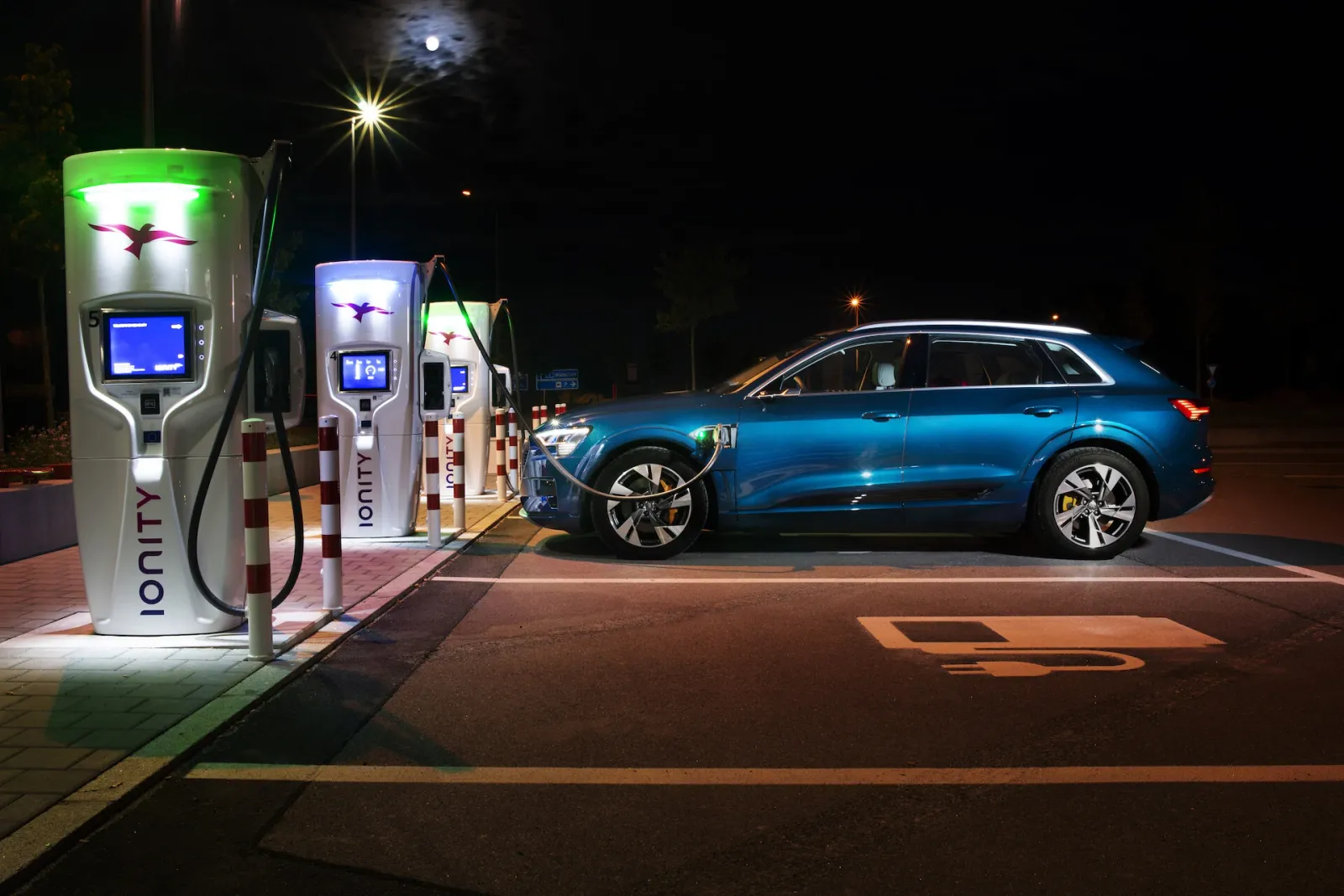
The survey also addressed safety concerns when using chargers at night. Although the overall safety rating is positive, as many as 56 percent of users at public charging stations said they changed their behavior after dark. Among women, this figure rises to 67 percent.
Respondents indicated that better lighting and surveillance could significantly improve safety, with over 60 percent of those surveyed expecting these improvements. For women, nearly half also wanted staff presence or stations located in more busy areas.
“Electricians” on the rise
User satisfaction is reflected in sales figures. According to data from Germany’s transport authority KBA, cited by Autovista24 and JD Power, March 2026 saw a significant recovery in the overall new car market. Registrations rose by 16 percent year-on-year to 294,161 vehicles.
The biggest beneficiaries of this growth were fully electric vehicles. Registrations of battery-powered cars (BEVs) increased by 66.2 percent in March, reaching 70,663 units. This accounted for a 24 percent market share— the highest monthly figure since August 2023.
In the entire first quarter of 2026, electric vehicle sales increased by 41.3% year-on-year, with BEVs accounting for 22.8% of the market. Notably, electric vehicles overtook gasoline cars by 0.1 percentage points in market share and became the second most popular type of propulsion system in Germany.
Hybrids on the rise too
Plug-in hybrids are also seeing growth. Their sales increased by 13% in March to 29,996 units. Together, electric vehicles and plug-in hybrids accounted for 34.2% of all new registrations, up from 27.2% the previous year.
The figures for the first half of the year are even more impressive. According to Best Selling Cars, from January to June 2026, 368,006 electric vehicles were registered in Germany, representing a 48 percent increase compared to the same period last year. The share of battery-powered cars in the market rose from 18.4 percent to 24.8 percent.
Experts point to several reasons for this acceleration. These include the reinstatement of financial incentives for buyers, concerns over high fuel prices due to geopolitical tensions, and an increasingly wide range of attractive electric vehicle models available on the market.
As Ina Gronemeyer of Autovista Group noted, “The significant increase in individual customer registrations may be linked to the newly introduced support system for electric vehicles.” Meanwhile, Thomas Peckruhn, president of Germany’s dealer association ZDK, warned that consumers need stable and predictable support rules, as without them some potential customers might delay their purchase decision.
Oskar Włostowski