
ADAC analyzes the causes of injuries involving e-scooters. 15,000 injuries in Germany last year
In short:
Micromobility needs new safety rules
The statistics are alarming
Last year, Germany recorded 16,000 accidents involving e-scooters
The result? As many as 15,000 injuries. The number of accidents among children and teenagers aged 10-18 is rising
The main causes? Improper use of infrastructure, driving under the influence of alcohol, and not adjusting speed to conditions — according to ADAC
Our statistics are also not optimistic
The government plans to further tighten regulations and combat scooter-related problems
ADAC: infrastructure, alcohol, and speed
Across Europe, electric scooters have become a symbol of fast, lightweight mobility. But as their popularity grows, so does the number of accidents. Recent data from Germany, Poland, and other countries show that micromobility faces safety challenges, which are just as important as the convenience of using these vehicles.
ADAC, Europe’s largest automobile club, has recently released a detailed analysis of accidents involving e-scooters. According to Germany’s Federal Statistical Office, over 16,000 accidents involving electric scooters occurred last year, with 15,000 of them resulting in injuries. This represents a threefold increase in the number of victims over four years.
Germany notes that the number of accidents among children and teenagers aged 10-18 is increasing particularly rapidly. What are the main causes? “Improper use of infrastructure, driving under the influence of alcohol, and not adjusting speed to conditions,” according to ADAC Unfallforschung.
Injuries to limbs and faces are most common
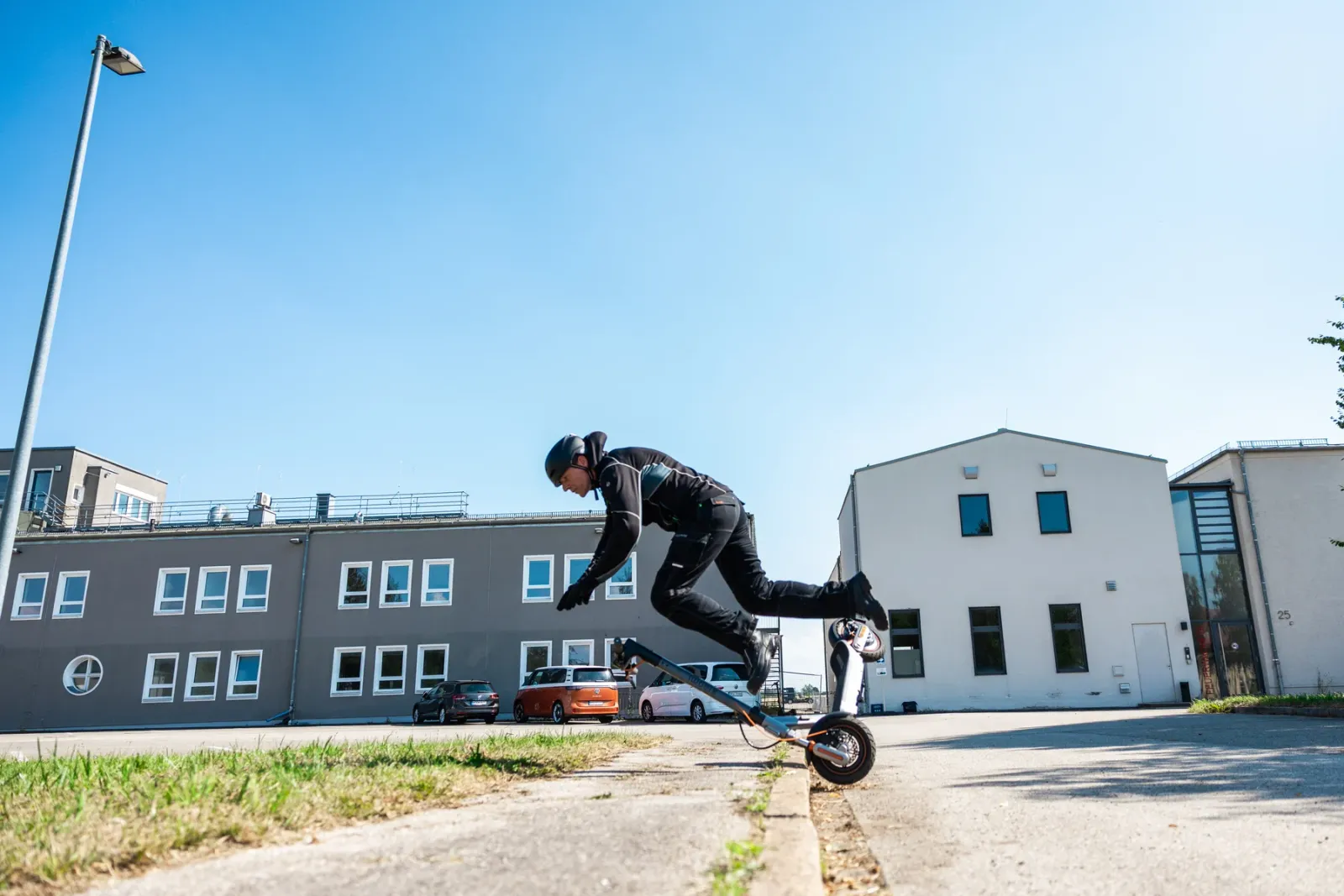
The clinical analysis included by ADAC in the report shows two dominant types of injuries, namely upper limb injuries and head and face injuries. In cases of side falls, injuries to the arms and shoulders are most common. In frontal collisions, such as when a scooter hits a curb, the rider often “flies through the steering wheel.” As ADAC notes: “If the rider is sober, they usually instinctively cushion the fall with their hands. With alcohol, this mechanism disappears, resulting in severe head injuries.” Meanwhile, the Swiss Automobile Club TCS confirms that a helmet significantly reduces the risk of serious head injuries. TCS tests have shown that a properly fitted helmet “reduces the likelihood of severe head injuries in falls.” Polish ITS analyses support this as well.
Poland: the biggest regulatory reform in years
In Poland, the safety of electric scooters has also become a priority. Infrastructure Minister Dariusz Klimczak recently announced that new regulations will “put an end to the pathology” in the scooter market and streamline rules for their use. The reform is set to take effect early in spring 2027, before the start of the riding season.
“Every day across Poland, we deal with drivers using vehicles that do not meet legal standards. They pose a deadly threat to other road users. It’s time to end this pathology,” Klimczak said in the media.
The new law on homologation will prevent devices that look like scooters but can reach speeds of up to 100 km/h from being imported into Poland. The Transport Technical Supervision Agency will have the tools to pull such vehicles off the market, while city police will be authorized to check scooter speeds and power.
Helmets: Mandatory Starting June
Recall that as of June 3, Poland requires helmets for children under 16 years old, as well as a minimum age of 13 for e-scooter users. This is in response to alarming statistics.
According to the Polish ITS Traffic Safety Observatory, between 2022 and 2025, there were 2990 accidents involving electric scooter riders in Poland, 7195 collisions, and 22 deaths.
Children and teenagers are the most at risk. Police data from last year show that in the 7-14 age group, there were 243 accidents, 3 deaths, and 265 injuries; in the 15-17 age group, there were 149 accidents, 1 death, and 177 injuries.
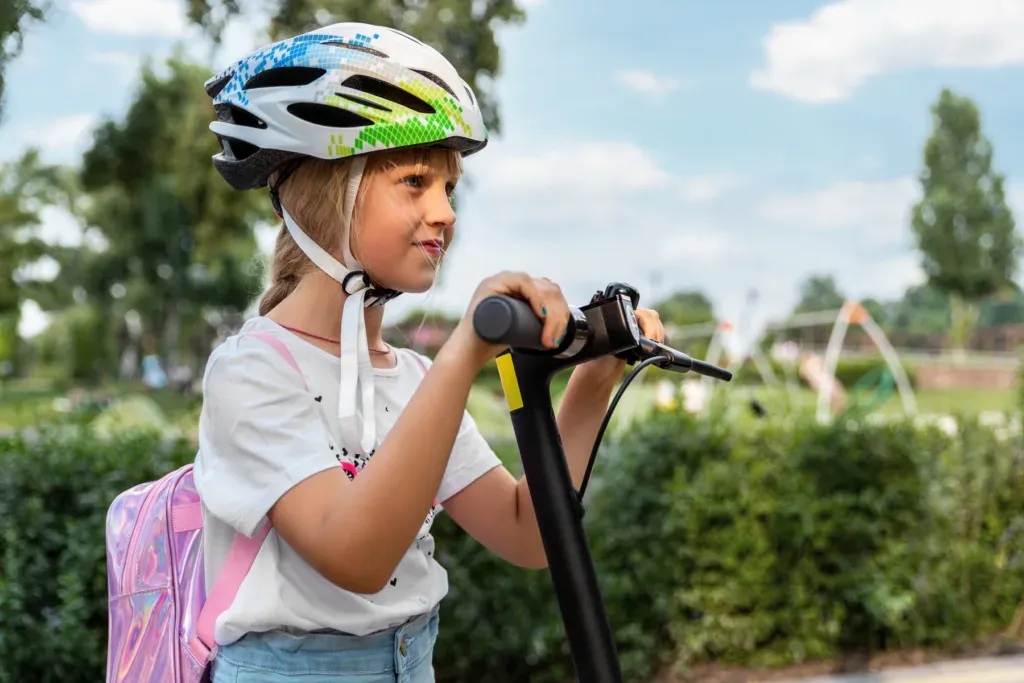
Meanwhile, “a bicycle helmet reduces the risk of fatal head injuries by over 70 percent, and for e-scooter users by over 40 percent,” emphasizes Anna Zielińska from the ITS Road Traffic Safety Center.
Municipalities respond faster than the state
Cities have long indicated that they lack tools to effectively enforce regulations. Sopot has implemented a seasonal ban on riding scooters in the city center, while operators Tier and Dott have introduced geofencing that automatically blocks scooters once they enter the restricted area.
Poznan is calling for simplified procedures for removing e-scooters and the introduction of licenses for operators. “What’s most important are solutions that enable more effective enforcement of speed limits and better identification of those who violate the rules,” says city traffic engineer Łukasz Dondajewski, as quoted by wnp.pl.
Europe also has problems
France has banned the rental of electric scooters in Paris. Spain is tightening its regulations. In the UK, according to Euro News, “the number of injuries among children has increased fifteenfold.” BBC reports that emergency room doctors are demanding regulations to protect the youngest users, as there are no requirements in the country regarding age, speed, or helmets.
Revolutionary spring
Minister Klimczak recently summarized: “We are consistently changing the regulations.” If the ministry’s promises are fulfilled, next spring will mark the biggest revolution in the e-scooter market in years — for users, operators, and manufacturers alike.
Oskar Włostowski