
Buying a used electric car will become more reassuring thanks to this new requirement.
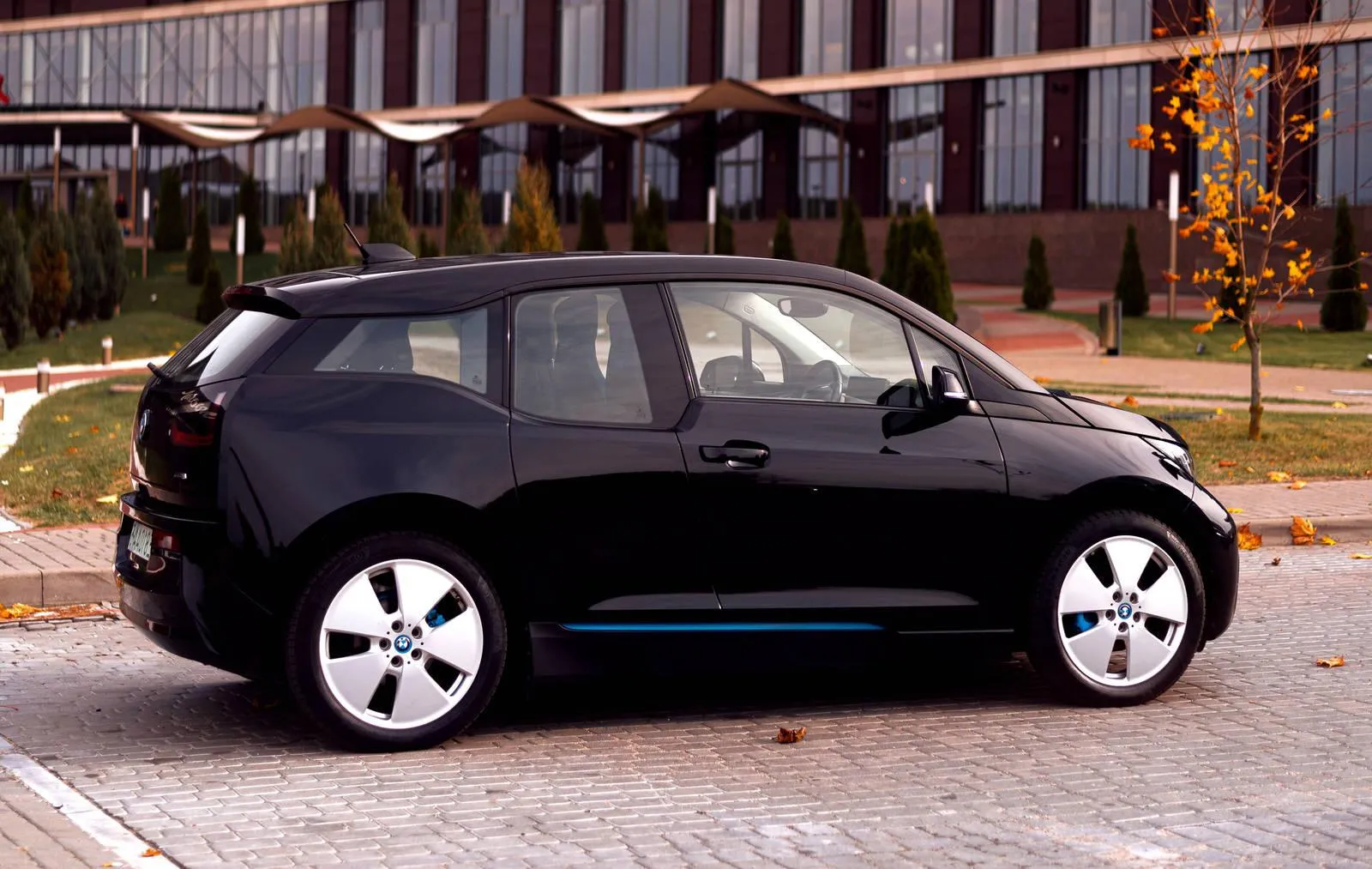
Good news! To reassure buyers of used electric cars, the health status of the battery will now have to be displayed. This new commitment by the automotive industry aims to make it easier to know the actual remaining capacity and thus the vehicle’s potential range before purchase.
As the used electric car market grows, one concern continues to deter some buyers: what is the actual condition of the battery after several years of use? To address this worry, France’s automotive industry has just made a new commitment to transparency regarding vehicles offered for sale.
Also read
Battery health: Can we really trust the SOH of used electric cars?
Battery health must be displayed
Manufacturers, distributors, and industry representatives signed a “trust pact for used electric vehicles” with the government on Friday. Renault, Stellantis, and Aramis are among those who signed. They commit to displaying the battery health of used electric vehicles for sale.
This is information already provided by some professionals, but it has not been consistently available until now. The goal is to allow buyers to better understand the actual condition of the most expensive component in an electric car and to assess more accurately the vehicle they are considering purchasing. It was long overdue!
"Our goal is to provide French people with objective and transparent information, so they can make informed purchasing decisions. Making electricity more accessible means acting on prices as well as building trust," reads a LinkedIn post by Monique Barbut, Minister of Ecological Transition.
What is SOH?
This metric is generally referred to as SOH, or "State of Health." It represents the maximum capacity a battery still has relative to its original condition. A battery with an SOH of 90% retains 90% of its original capacity. This value is important because it directly affects the range available.
The display will primarily enable easier comparison of two similar units and help predict more accurately the loss of battery capacity due to aging.
France Takes the Lead on Battery Passports
This measure comes a few months ahead of broader changes across Europe. Starting February 18, 2027, the European Union must gradually implement a “battery passport,” available digitally via a QR code. This passport must include various details about the battery, such as its remaining capacity.
Also Read
Electric Vehicles: China Orders Brands to Clearly Display Actual Battery Wear
With this new agreement, the French industry is thus partially preparing for this future European requirement. The government hopes to reassure buyers and facilitate the growth of the used electric vehicles market.