
Aachen: ASEAG receives its 100th electric bus
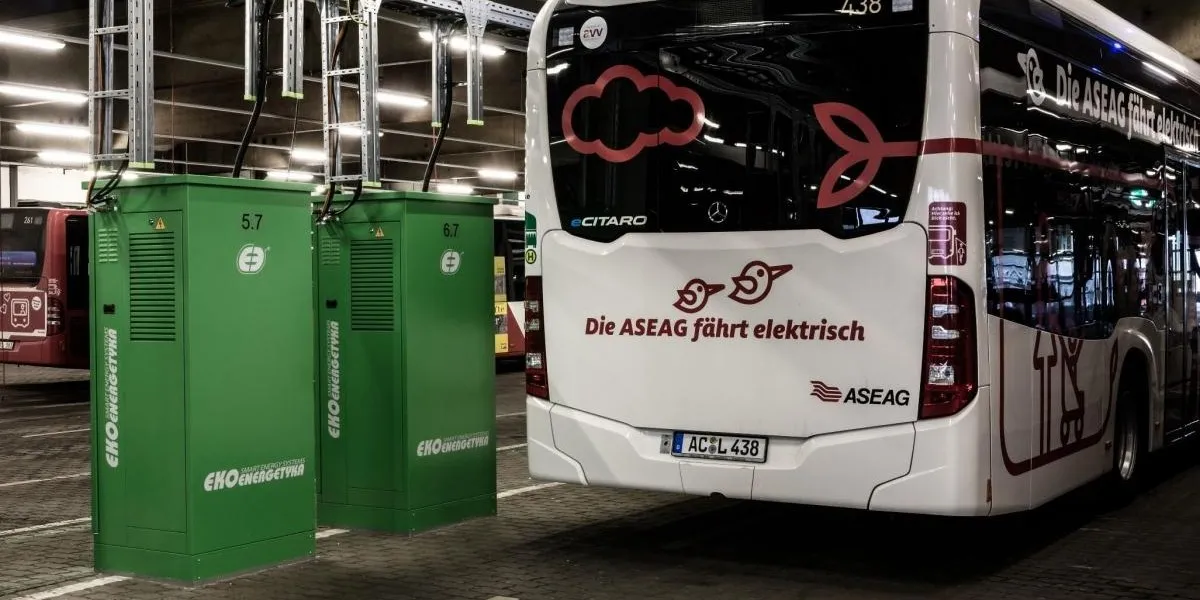
Aachen’s public transport operator, ASEAG, is now operating 100 battery-electric buses while simultaneously expanding its charging infrastructure. The power capacity at the central depot has been increased from 2.1 to seven megawatts.
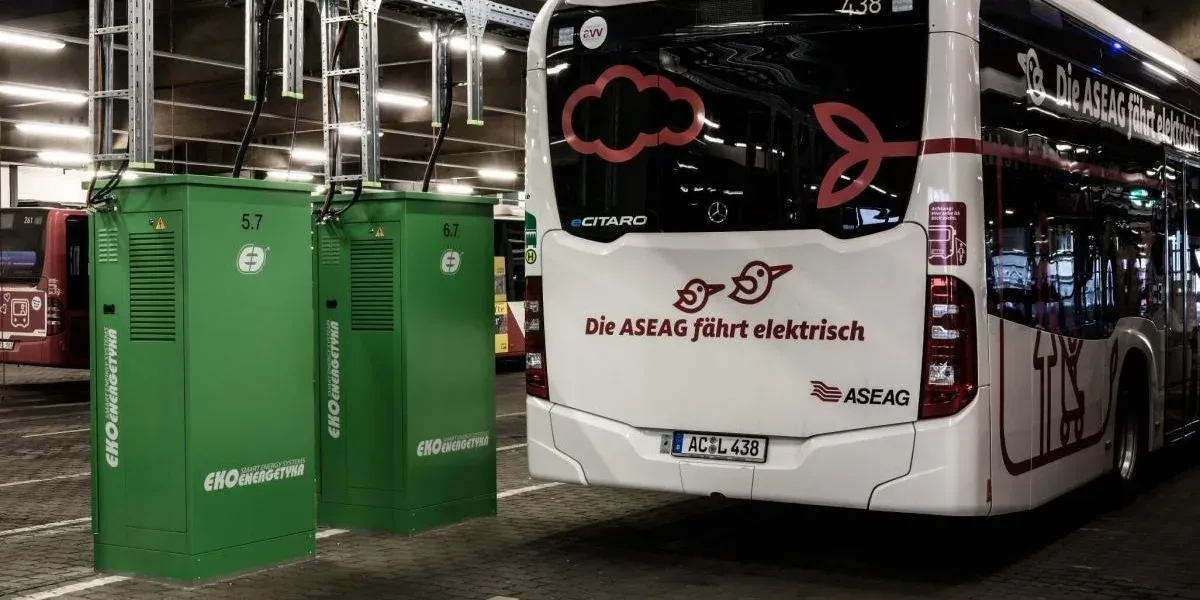
Electric buses at ASEAG’s depot in Aachen.
Image: Aseag
Currently, 92 charging stations are in use at the depot, with another 25 set to be added by the end of 2026. This would bring the total number of charging stations to 117. Meanwhile, ASEAG plans to increase its electric bus fleet to 117 vehicles by the end of the year, meaning that according to the company, roughly half of its own buses would be battery-electric.
The electrification of Aachen’s bus fleet has accelerated significantly in recent years. In 2019, ASEAG ordered its first 27 eCitaro buses from Mercedes-Benz. By 2023, 12 eCitaro single-decker buses and 15 articulated buses were in use. At that time, the transportation company announced plans to acquire another 65 battery-powered and 25 fuel cell buses by the end of 2026, receiving funding commitments of around 32 million euros for this purpose.
ASEAG has received additional funding for the current expansion of charging infrastructure. The company invested roughly 6.3 million euros in 65 charging stations, of which about 5.7 million euros was provided by the state of North Rhine-Westphalia and go.Rheinland. These charging stations were installed over the past few months and enable, among other things, charging buses during maintenance work.
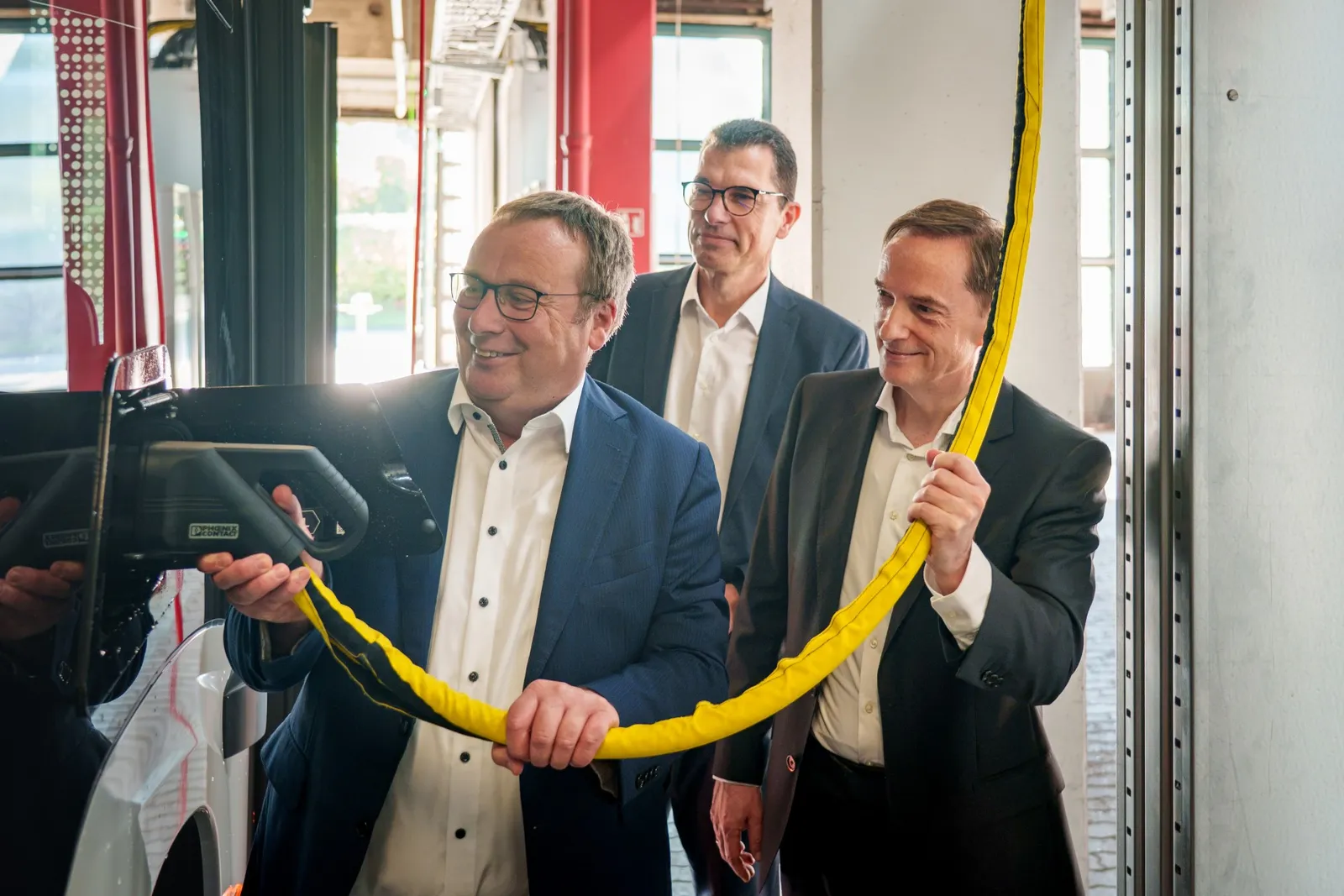
ASEAG preparing for depot management
As the electric bus fleet grows, so do the requirements for managing charging processes. Therefore, ASEAG is developing an electronic depot management system. It aims to integrate scheduling plans, departure times, and vehicle charging status with the requirements set by the power provider. Based on this, available connection capacity can be allocated specifically to each bus.
Meanwhile, ASEAG continues to train its workshop staff for work on electric buses and charging infrastructure. Starting in 2027, the company also plans to train automotive mechatronics specialists in system and high-voltage technology for the first time.