
In London, Uber launches its first robotaxis... under supervision
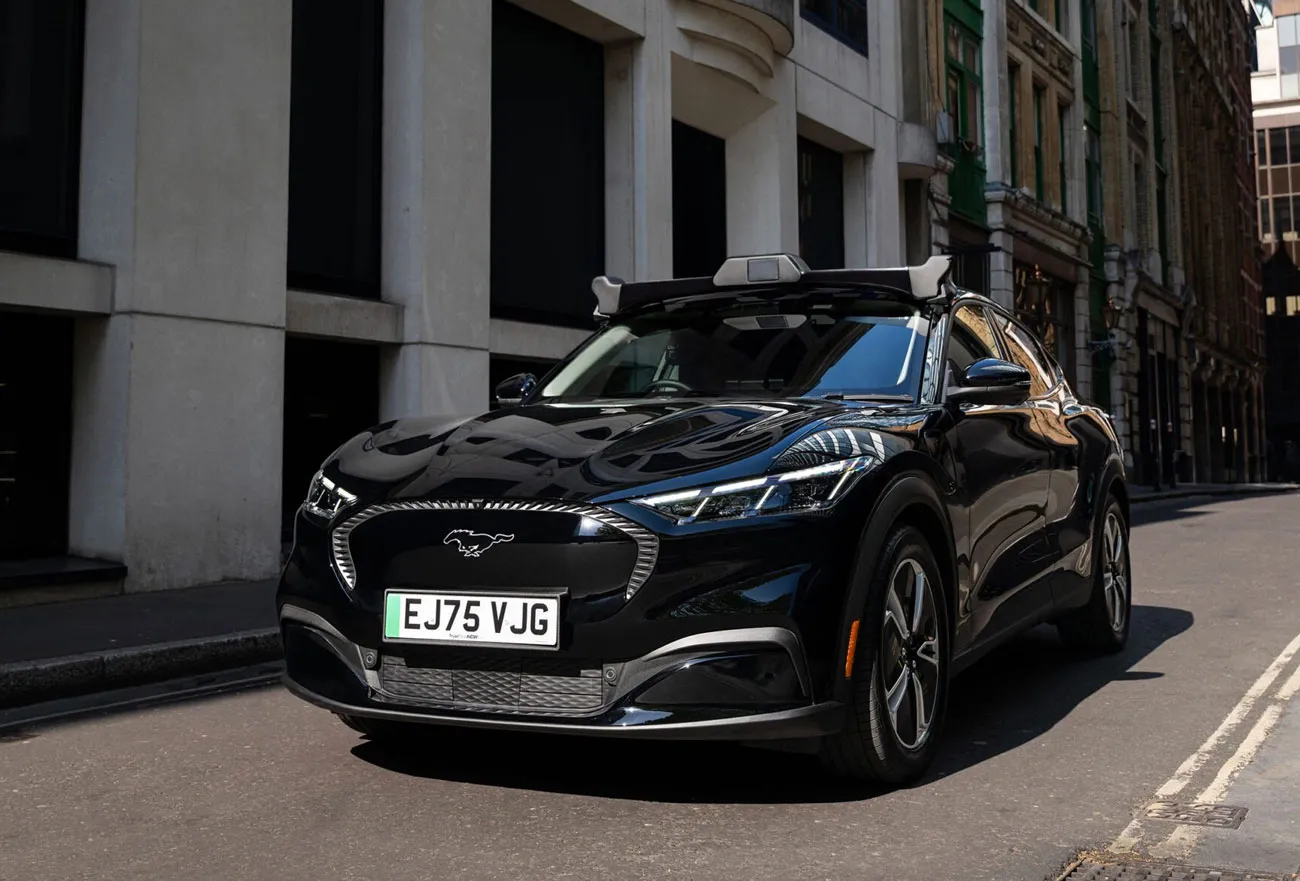
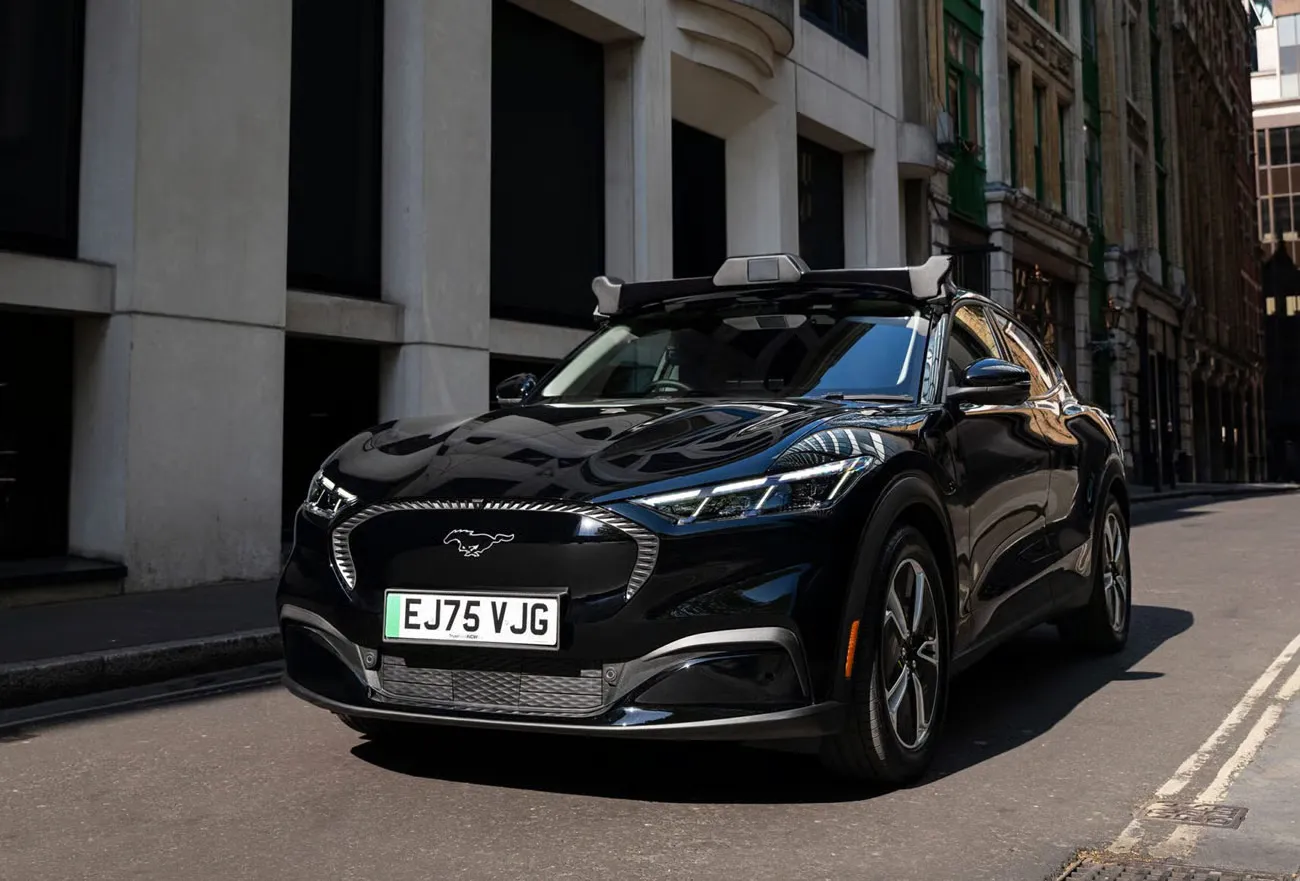
Uber and Wayve are now transporting their first passengers in London using autonomous electric vehicles. Presented as the UK’s first commercial service of this kind, it remains regulated: a supervising driver must still be present in each of the fifteen vehicles.
Robotaxis have arrived in London, but not yet completely independently. Starting this Thursday, September 3, Uber and the British startup Wayve are offering their first commercial rides in autonomous vehicles in the UK capital. The service is available to customers who book an UberX, Uber Electric, or Uber Comfort ride.
If Wayve also plans to introduce Nissan Leafs, the launch currently relies on a fleet of 15 modified electric Ford Mustang Mach-E vehicles equipped with the company’s autonomous driving technology. These vehicles were approved by Transport for London as chauffeured transport less than a month earlier.
Passengers use the regular Uber app
For users, the experience remains similar to that of a regular Uber ride. Although airports are currently excluded from the service area, unlocking the vehicle is done through the Uber app. Inside, a screen displays the route and key travel information in 64 languages.
If it will take a few weeks to see initial results, Uber says that over 140,000 London users have already agreed to potentially receive rides from autonomous vehicles.
It should be noted that the choice remains with the user, who can accept an autonomous ride or switch to a regular ride before the vehicle arrives, without any extra cost.
A true driverless robotaxi will have to wait
To completely eliminate the driver, Uber and Wayve will need to overcome one more regulatory hurdle. Operating a driverless service requires authorization under the Automated Passenger Services framework established by the UK’s 2024 Automated Vehicles Act.
The process requires first national approval, followed by permission from Transport for London to operate in the capital. At this stage, no operator has yet passed the first step of this process in London.
A fully driverless service therefore seems unlikely before the end of the year, although the UK government initially planned for commercial trials as early as 2026.
Also read
Autonomous driving: Will Stellantis’ robotaxis be available on Uber soon?
Waymo and Baidu are already in the race
Uber and Wayve are far from the only ones targeting the London market. Waymo is already testing a hundred vehicles in the British capital. The Chinese company Baidu has also begun testing its Apollo Go robotaxis in London, with public services scheduled to launch by 2027. Thus, the British capital is becoming one of the new European battlegrounds for autonomous driving companies.