
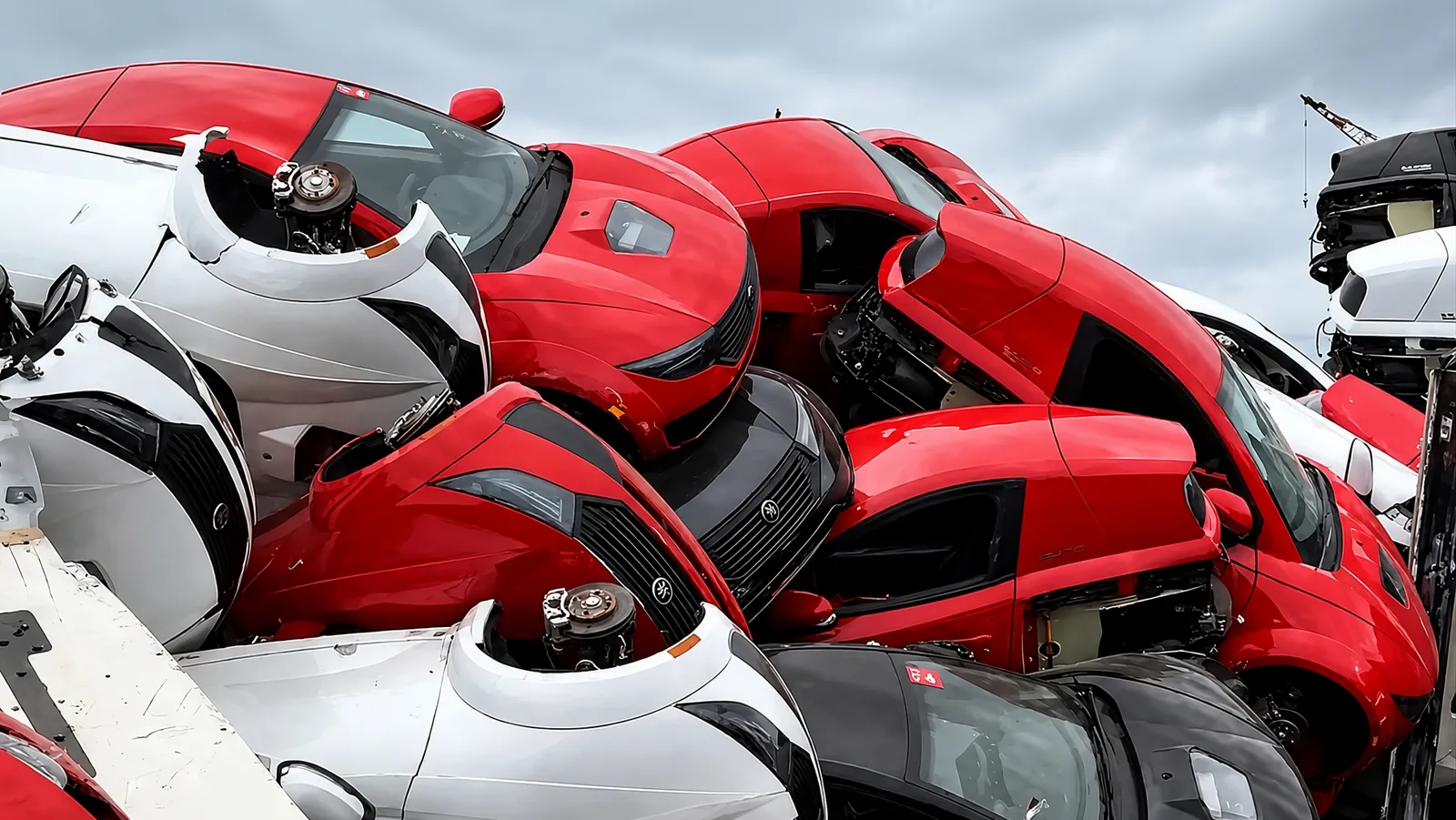
Europe is running out of a business involving 23,000,000 cars in 8 years: Africa refuses to be a dumping ground for old and highly polluting cars
07/09/2026 10:30
Updated to
07/09/2026 10:30
Uganda has been preventing the entry of light vehicles 15 years old or older since 2018, but it has taken an additional step in recent years. Its 2024 air quality regulations set limits equivalent to Euro 4 for all imported vehicles, both new and used, as part of a strategy aimed at reducing the influx of older and particularly polluting models.
But be careful, as this is not an issue unique to Uganda. While developed countries like Europe are renewing their fleets, a significant number of vehicles that become uncompetitive in those markets find a second life in regions with much more permissive import requirements. Africa has been one of the main destinations for years, and several governments are starting to tighten entry conditions.
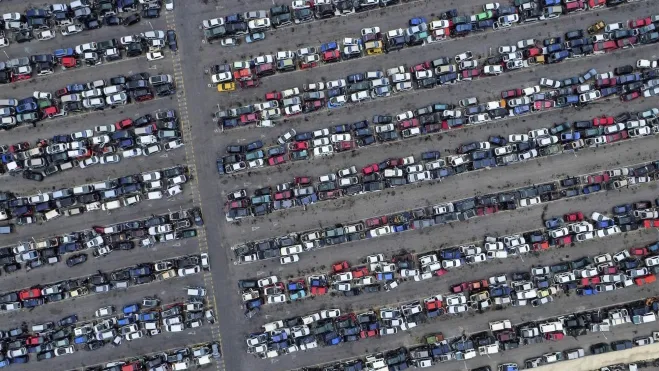
23 million used cars left the major markets in just eight years
The latest major report by the United Nations Environment Programme examined exports from 2015 to 2022 from the European Union, the United States, Japan, and South Korea. Over those eight years, about 23 million used light vehicles left these markets for the Global South, with Africa being one of the main recipients.
Japan accounted for approximately 34.5% of those exports, while the European Union accounted for another 31.1%, ahead of the United States and South Korea. However, the situation changed by the end of the period: in 2021 and 2022, the EU led in exports of used vehicles to Africa and Eastern Europe, according to data compiled by the United Nations.
The main issue lies in the quality of some of those used vehicles. The United Nations has been warning for years about outdated units with inadequate pollution control systems, or those that simply fail to meet the technical inspection standards required in their countries of origin. An investigation into exports from the Netherlands even found cars that were 16 to 20 years old and, in many cases, below Euro 4 standards.
South Africa faces another problem: so-called grey cars
South Africa enforces strict restrictions on the import of used cars intended to remain in the country, but this has not prevented a parallel market from emerging. These are the so-called “grey vehicles,” cars introduced outside legal procedures and subsequently operating without necessarily passing all required inspections.
The concern goes far beyond protecting the local industry. UNEP links the lack of uniform standards to the entry of vehicles that may have worse mechanical conditions and higher emissions, in a continent where over 90% of road deaths occur in developing countries, with Africa accounting for around 246,000 fatalities annually. Therefore, it proposes driving fitness certificates, compliance certificates, and information exchange systems between exporting and importing countries.
Europe is also beginning to address one of the major gaps
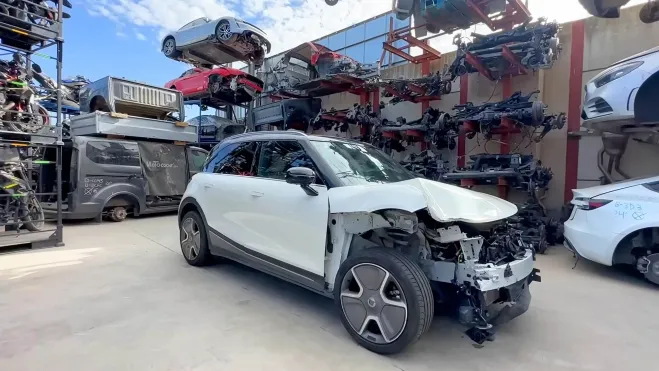
To date, there is a significant legal distinction between a vehicle considered waste and one that is simply sold as used. This boundary has allowed certain cars that are practically at the end of their useful life to continue leaving Europe as long as they have not been formally classified as waste, a gap that the European Commission itself acknowledges as problematic.
The new European regulation on end-of-life vehicles, effective from August 13, 2026, aims to strengthen precisely this traceability. Most of its provisions will begin to apply in September 2028, and starting from September 2031, only used vehicles that can prove they are still roadworthy will be allowed to be exported outside the EU.
Until that moment arrives, recipient countries are taking their own measures. Uganda already combines a 15-year limit with Euro 4 standards, West African countries have moved toward common minimum standards, and the United Nations calls for controls both at origin and destination. The goal is no longer to prevent the buying and selling of used cars, but to stop vehicles withdrawn from European roads from extending their lifespan in other countries without minimum safety and emission guarantees.