
This electric SUV with a Spanish name has been put through its paces: 1,000,000 kilometers of testing, from -38 to over 40 °C, and at altitudes up to 4,267 meters.
01/11/2026 16:00
Updated to
01/11/2026 16:00
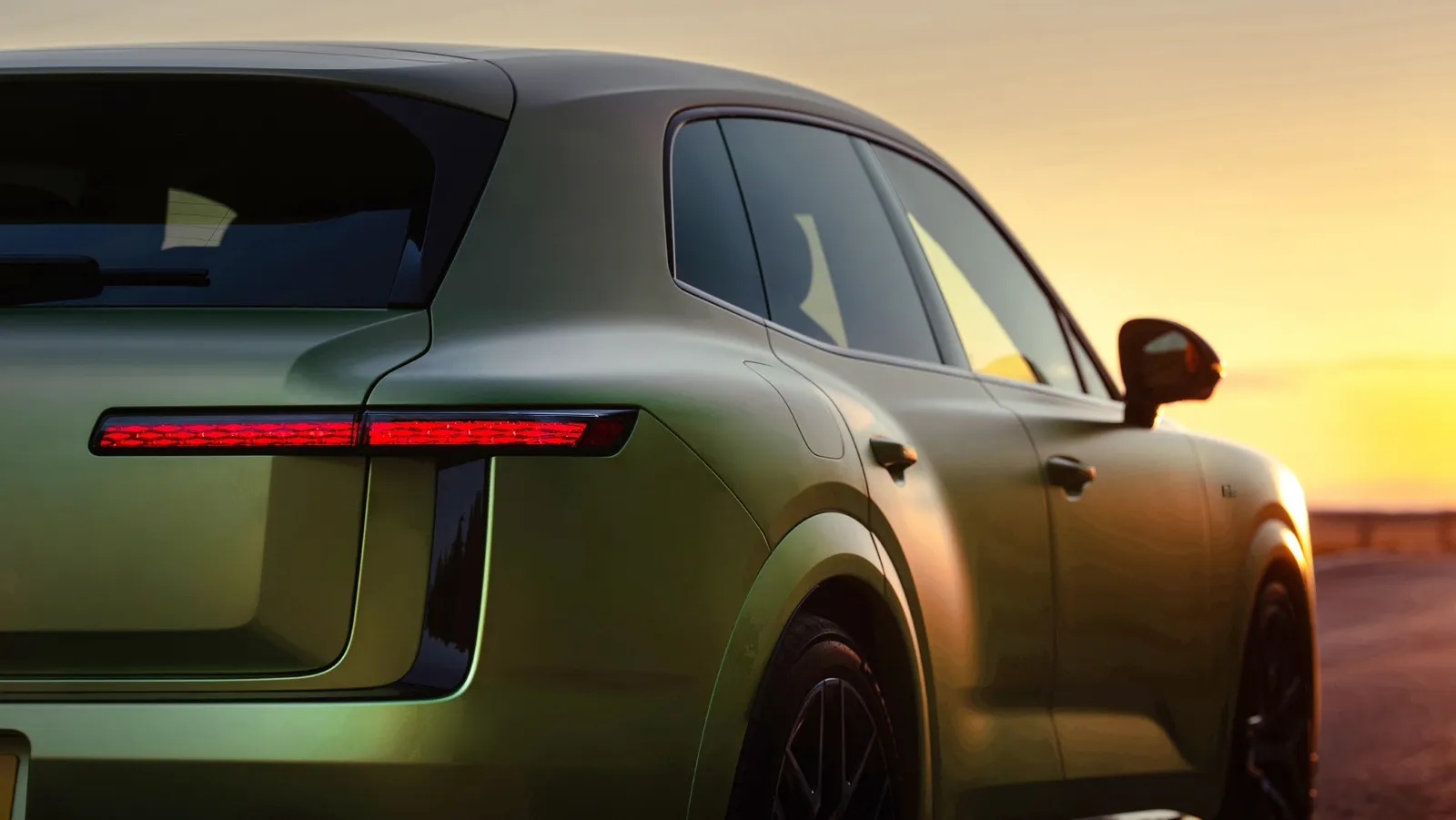
Bentley wants to ensure that its first all-electric car is ready to handle almost any situation. The British manufacturer has just revealed the mileage figures for its development program of the new Torcal, a luxury SUV whose prototypes and pre-production units have collectively covered over 1,000,000 kilometers before reaching customers. This distance is equivalent to driving around the Earth’s equator about 25 times.
But mileage is just one aspect of the testing. Bentley has also subjected the vehicle to temperatures as low as -38ºC, heat above 40ºC, and tests at altitudes over 4,267 meters. Additionally, it has developed specific tests to evaluate the battery’s resistance to fires, impacts, and corrosion. The goal is to validate both its mechanical performance and the reliability of its electrical and electronic systems.
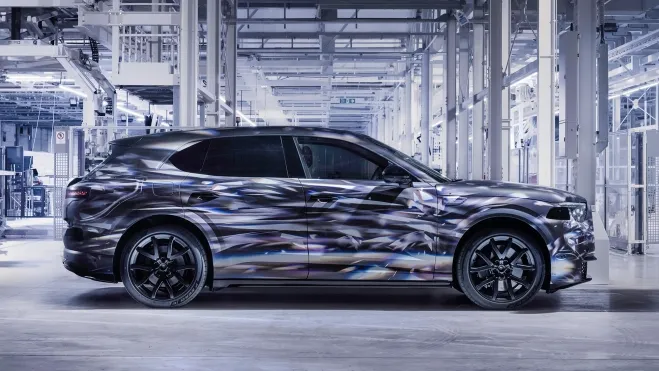
1,000,000 kilometers of testing from -38ºC to over 40ºC
The Bentley Torcal validation program has been conducted in various regions around the world. In Sweden, engineers tested the vehicle’s performance at temperatures as low as -38ºC, while tests in desert areas reached temperatures above 40ºC. This creates a difference of at least 78ºC between the two extremes. The brand also took its vehicles to Pikes Peak in Colorado, where tests were carried out at altitudes over 4,267 meters.
These conditions allow for testing the behavior of electrical components, cooling systems, and various vehicle systems under circumstances vastly different from normal operating conditions. The over 1,000,000 kilometers mentioned refer to a collection of prototypes and pre-production units, not a single car. Meanwhile, Bentley has utilized extended reality tools to digitally develop the interior space and its architecture.
According to the company, this process enabled them to identify and resolve hundreds of issues before manufacturing the first physical vehicles. During the component verification phase, over 90% of the Torcal’s parts were already available. Engineers used laser scanners to compare actual dimensions with digital designs and tested the assembly procedures before starting production.
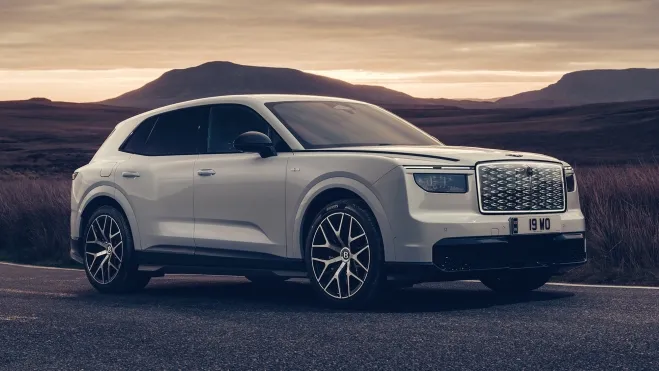
A 625 kg battery that must withstand two hours without starting a fire
One of the elements that has received the most attention is the high-voltage battery. According to Bentley, the battery pack weighs approximately 625 kg and has an energy density of over 180 Wh/kg. To protect it from impacts from the road, the manufacturer has installed a lower shield made of composite materials.
The tests include firing a steel projectile with a diameter of 30 mm and a weight of 111 grams at the battery’s lower protection. The impact is carried out at a speed of over 160 km/h to assess the battery pack’s resistance to potential collisions with objects on the road.
Another requirement relates to safety in the event of thermal incidents. The battery must prevent the spread of fire or explosion for at least two hours under the conditions specified for the test. Bentley also conducts tests involving exposure to salt mist to assess corrosion resistance.
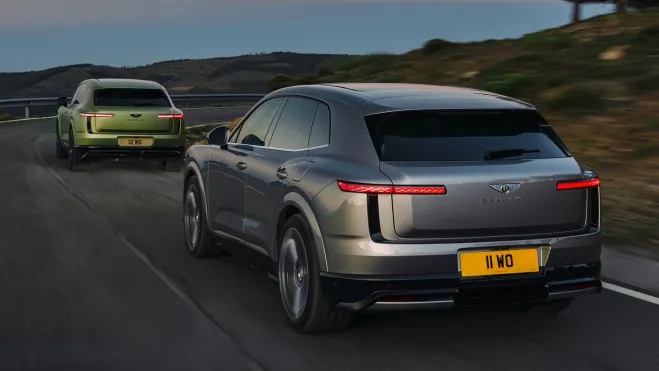
Software updates every 6 weeks
The electronic development has followed an equally demanding schedule. Three specialized teams have been responsible for the electrical architecture, software integration, and validation. Throughout the program, Bentley prepared a new integrated version of the software every six weeks, incorporating features, adjustments, and improvements that were subsequently tested in laboratories and on actual vehicles.
The Torcal was officially introduced in September as Bentley’s first fully electric model. Its most powerful version, called the Torcal S, delivers 888 horsepower, while its 113 kWh battery ensures up to 600 kilometers of WLTP range and a maximum charging speed of 400 kW. These specifications are complemented by rigorous testing programs designed to ensure that Bentley’s first electric vehicle maintains the same standards of quality and reliability as its luxury cars.
As development progresses, Bentley is gradually removing the camouflage from its test fleet. The company did not specify a delivery date in this latest update, but the figures released highlight the extent of work that has been done before putting its first electric car into customers’ hands.