
97 percent of EV owners are satisfied. Winter conditions and charging at night bother them the most.
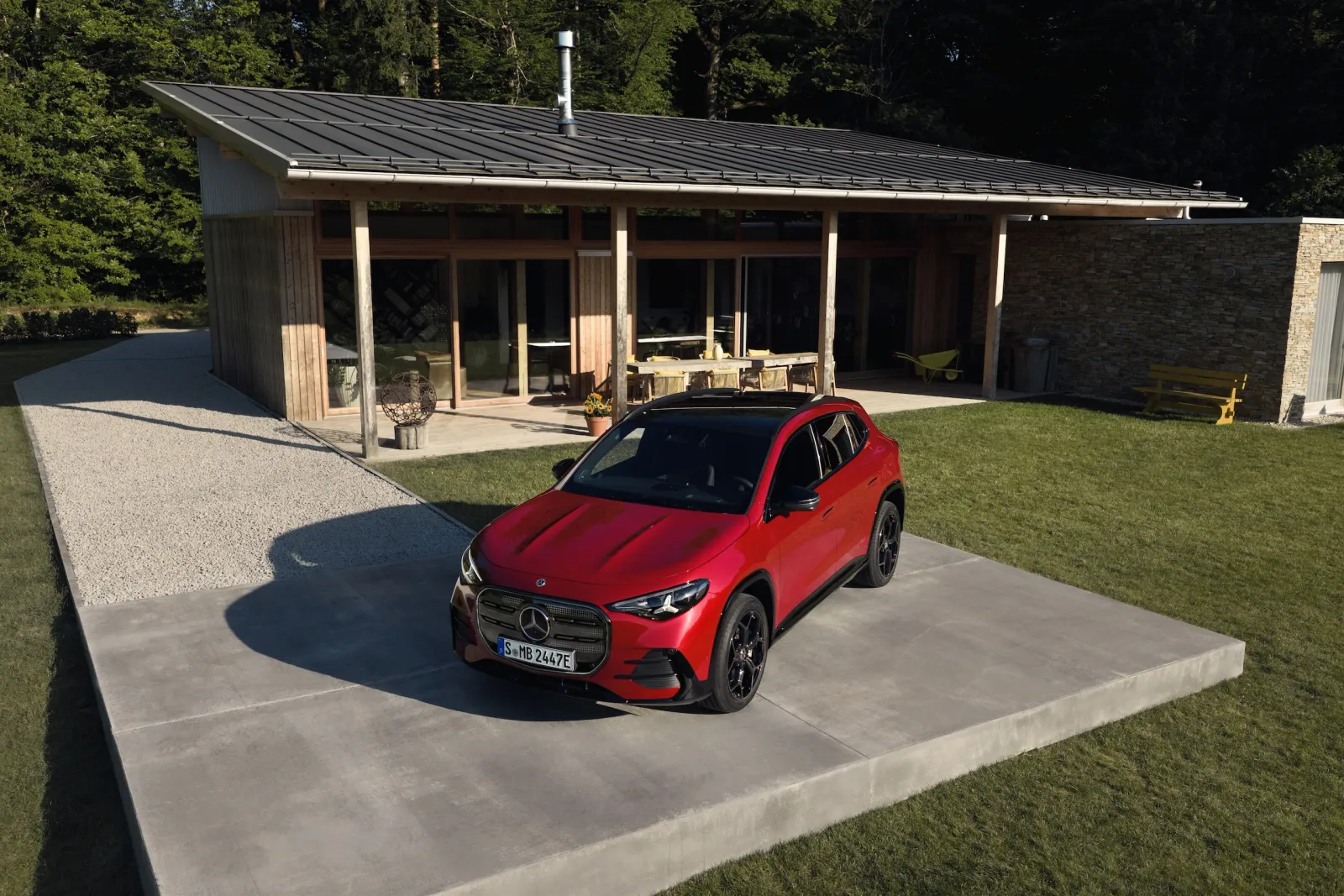
In June 2026, Germany’s ADAC surveyed 1,060 owners of electric vehicles who use them regularly. 97% said they were satisfied with their EVs, and 90% would choose an electric car again. The issue is no longer the drive system itself, but rather differences in range, electricity costs, and safety concerns when charging after dark.
The survey does not answer whether a driver of a gasoline car should buy an electric vehicle. Instead, it shows what people who already drive EVs—most of whom have the conditions to use them comfortably—think.
The electric car is a normal vehicle for them, not a second choice
As many as 84% of those surveyed use their electric car as their primary vehicle in the household. Two-thirds drive it for at least 200 days a year, while 90% drive it for at least 100 days. These are not the responses of people who only take their car out of the garage on weekends.
For 73% of respondents, their current car is the first electric vehicle in the household. Previously, they mostly owned gasoline cars, as answered by 51% of people, or diesel cars, according to 25%.
91% of respondents found switching from a combustion engine car to an electric one as their primary vehicle to be easy or very easy. This is a high figure, but it’s important to consider the profile of the group: 77% have a home wallbox or another charging location, and another 8% can install one. Such an advantage significantly changes perceptions of electric mobility.
The most commonly cited reasons for purchase are lower operating costs, the ability to charge at home, and environmental concerns. 42% of respondents mentioned their own solar panels as a reason.
Winter still harms the reputation, and listed range is frustrating
In summer, at temperatures of 20-30 degrees Celsius, 82 percent of users are satisfied with the range. When temperatures drop below 5 degrees, this figure falls to 59 percent.
24 percent of respondents consider the differences in range between summer and winter to be problematic, while 29 percent are annoyed by them at least sometimes. The same is true for manufacturers’ claims. The discrepancy between the listed and actual range bothers 23 percent of drivers, with another 24 percent finding it partially problematic.
This is a good lesson for manufacturers. WLTP is necessary for comparison, but it should not be treated as a guarantee that a car will cover exactly the same distance regardless of temperature, speed, or driving style.
18 percent of respondents cited planning longer routes as a problem. Even fewer, 17 percent, complained about having to drive slower to reach their destination without stopping for charging. After several years of network development, the greater challenge appears not to be the journey itself but rather the car’s reliability in winter.
Public charging received a significantly lower rating
65 percent of users are satisfied with public charging infrastructure in Germany. This is a good score, but it’s far from the 97 percent satisfaction level with the cars themselves.
Respondents most often criticized energy prices, poor tariff transparency, and the abundance of apps and billing methods. For DC charging stations, they also expect better on-site services. When charging while on the road, drivers still sometimes have to wonder not whether the charger is working, but how much they will end up paying. Not good.
The home remains the foundation of the entire system. On average, 56 percent of charging occurs at respondents’ homes, 18 percent at fast DC stations, 14 percent at work, and 13 percent at public AC outlets.
A separate issue arises at night. Over half of the respondents feel uncomfortable charging outside their homes for safety reasons. 33 percent avoid night charging at public hubs, 20 percent steer clear of certain locations, and 15 percent charge only in company.
Women are more likely to change their behavior for this reason, with 67 percent of them reporting so compared to 49 percent of men. Drivers primarily expect better lighting and surveillance, as well as locations that resemble regular gas stations: visible, organized, and equipped with necessary facilities.
The electric vehicles have already become a part of their owners' daily lives, and now operators must ensure that charging after dark isn’t a nerve-wracking experience. When stopping at a charger at night, do you pay more attention to the station’s power or to where it’s located?
LovEV Newsletter
Want more content like this?
Sign up — we’ll send you a weekly summary once the newsletter starts.