
92.2% energy retention after 883 cycles: LG solves the LMR battery problem, the chemistry that promises to reduce electric vehicle costs
20/09/2026 13:00
Updated to
20/09/2026 13:00
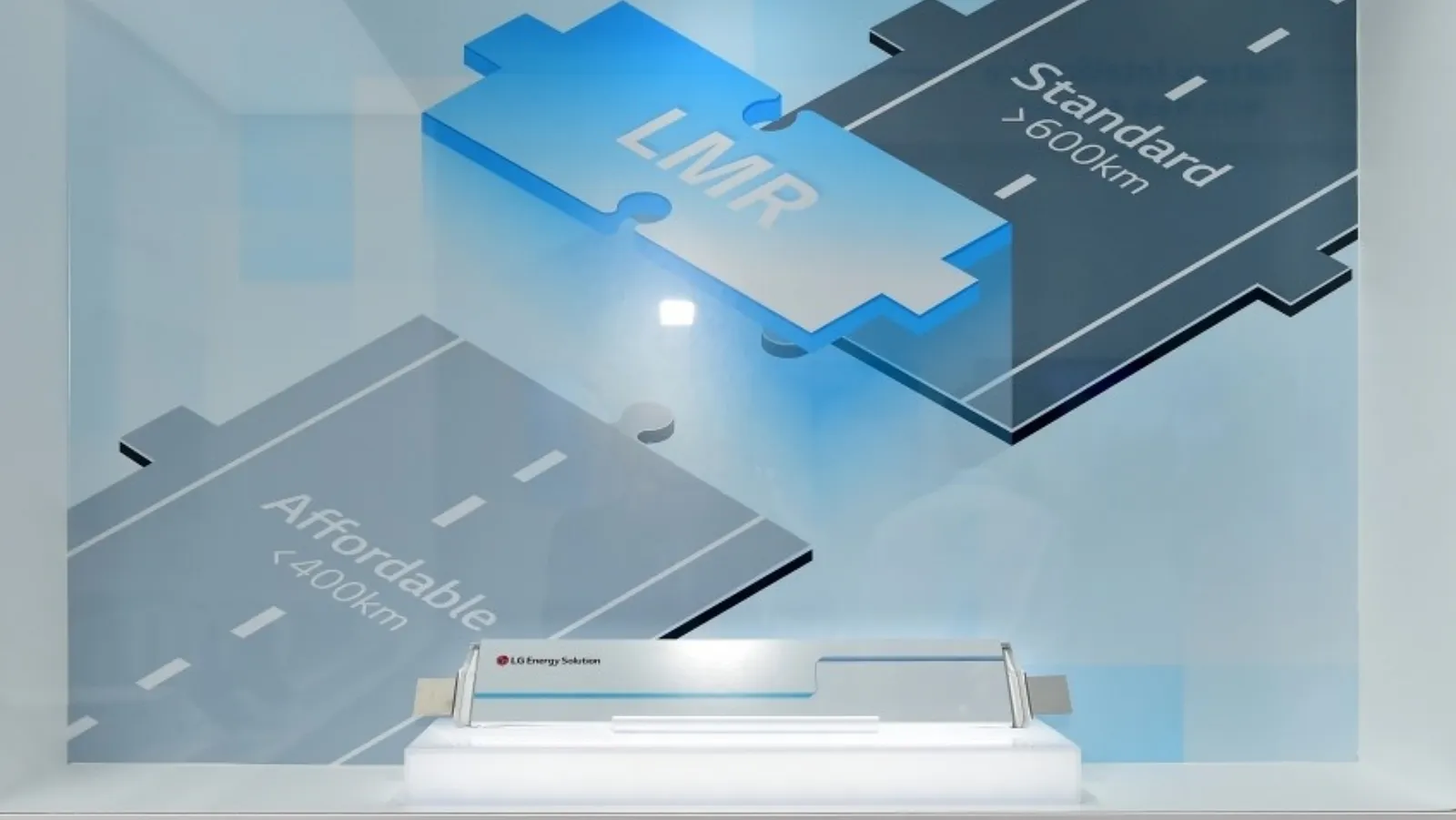
Reducing battery costs without sacrificing range is likely the biggest challenge remaining for the electric vehicle industry. One of the most promising approaches to achieving this is using manganese-rich lithium batteries, known as LMR batteries. This chemistry replaces much of the cobalt with manganese, which is far cheaper and more abundant. The problem is that this technology has so far had a manufacturing flaw that prevented its use in large-sized cells, which are truly crucial in the automotive sector.
LG Energy Solution and Seoul National University have just announced that they have found a way to overcome this obstacle. This discovery, the result of joint research with Professor Jongwoo Lim’s team from the university’s Chemistry Department, was published in the scientific journal Nature Communications, one of the leading publications in the international academic community.
Why LMR batteries produced gas and how it was solved
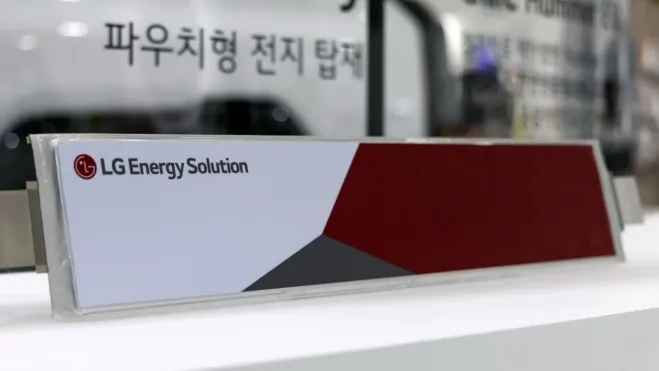
LMR chemistry achieves high energy density because it stores energy not only in the transition metals of the cathode, such as nickel or manganese, but also through oxygen reactions within the cathode material itself. This mechanism works well as long as the oxygen oxidized during charging can return to its original state during discharge. The problem arises when this does not happen: the oxygen that is not fully recovered eventually damages the internal structure of the cell and generates gas, which is one of the biggest obstacles to producing large-format LMR batteries with reliability.
The research team has identified the factors that cause gas generation and capacity loss during charging and discharging cycles. The key to this discovery was finding that by lowering the discharge cut-off voltage from the usual 3.0 volts to 2.0 volts, oxygen can almost fully return to its original state. Based on this finding, LG’s researchers redesigned the operating voltage range and cell formation process, adding a lower-temperature formation step to further limit gas generation.
Results with actual large-format cells
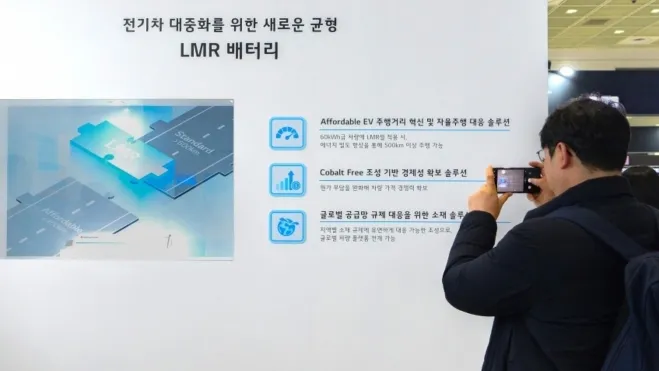
These improvements didn’t stay limited to small-scale laboratory tests; they were applied and optimized directly to large-format 40 Ah cells, the type actually used in electric vehicle batteries. As a result, these optimized cells retained 92.2% of their initial energy after 883 charge and discharge cycles—a figure that shows long-term stability is achievable even in large formats, something that wasn’t previously guaranteed for this chemistry.
According to an LG spokesperson, this research addresses one of the major challenges faced by LMR batteries, demonstrating that it is possible to ensure stable longevity even in large-format cells by effectively suppressing gas generation—a finding that provides an important foundation for the growth of this market. Professor Jongwoo Lim, on the other hand, noted that the study identified the causes of degradation from the perspective of oxygen reversibility and showed that cell stability can be improved solely through the design of the electrochemical protocol. In his own words, “Achieving long-term stability in LMR batteries requires considering both charging and discharging conditions, not just one of them.”
A step toward larger and cheaper cells
Until now, the potential of LMR batteries was limited almost exclusively to small-format applications that could not maintain the stability required on an industrial scale. With this advancement, LG Energy Solution and Seoul National University are expanding that potential to large-format cells, which represent the real pathway for this lower-cost chemistry to eventually reach batteries in mass-produced electric vehicles.