
9,000,000 cars sleep on the streets in Spain: the solution for charging them when they become electric is already available on European sidewalks.
25/10/2026 20:30
Updated to
25/10/2026 20:30
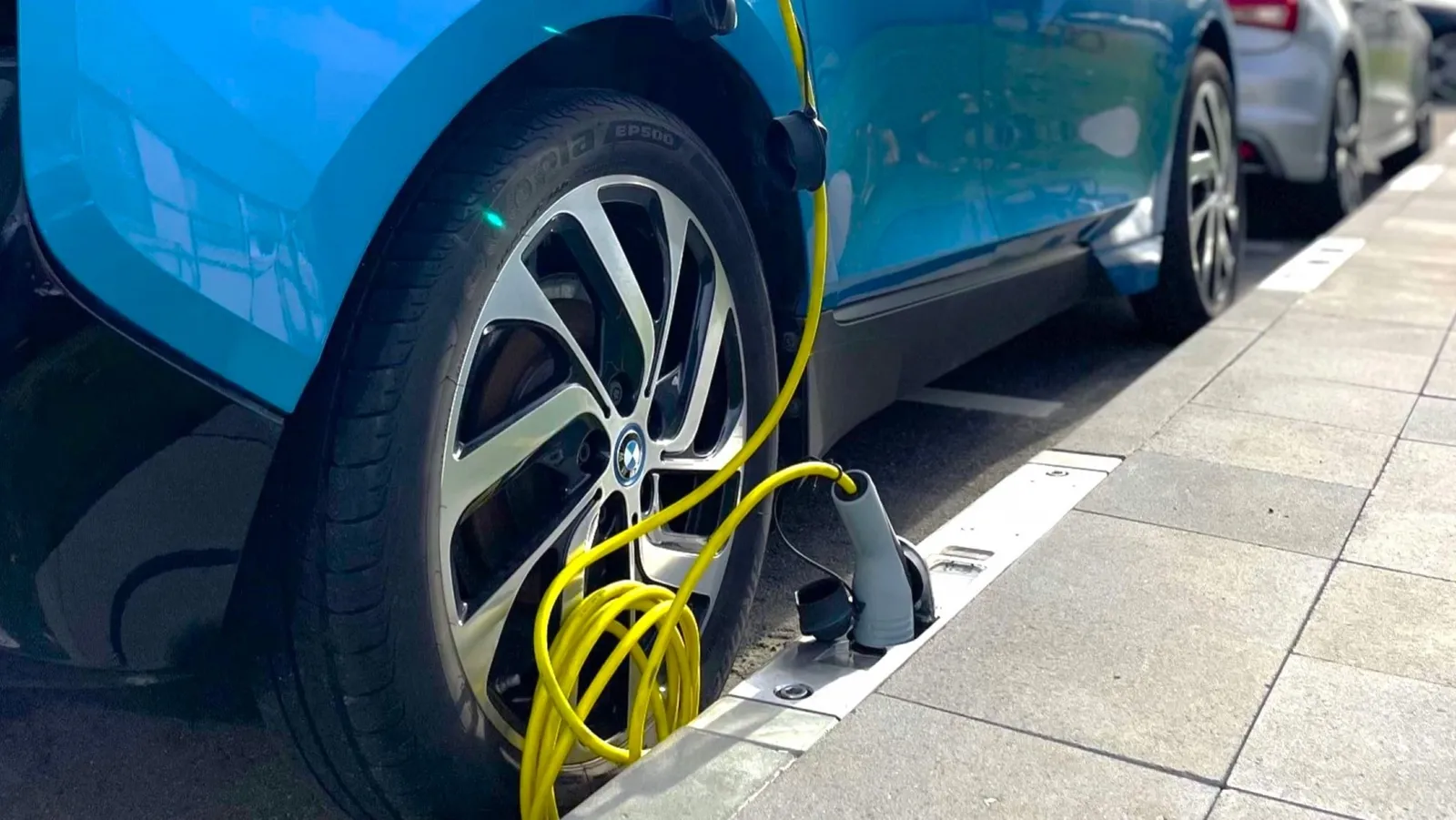
Spain faces an unresolved issue with charging electric cars, a problem that other European countries are already addressing through installations integrated into urban furniture — from hidden outlets in curbs to charging stations built into street lamps. This approach would allow batteries to be charged for several hours without the need for a private garage.
This formula is already being used in certain cities in Germany, the Netherlands, and the United Kingdom, where authorities are seeking to utilize existing infrastructure to bring chargers closer to residential areas. In Spain, however, technical and regulatory restrictions have hindered similar initiatives, despite estimates from OCU indicating that around 70% of vehicles spend the night parked on the street.
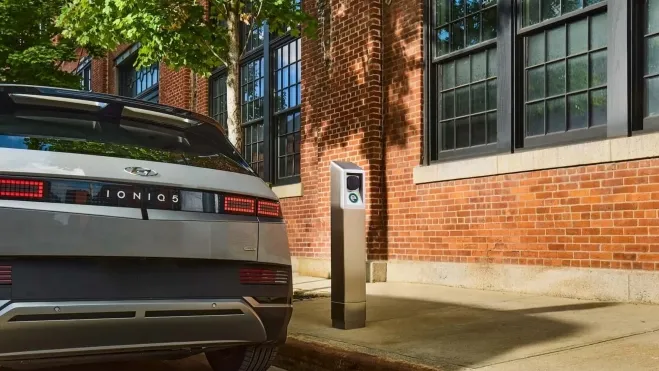
Germany and the United Kingdom already have solutions for charging cars without a garage.
The German experience also allowed for an assessment of drivers' acceptance of this infrastructure, with them giving the system an average score of 4.38 out of 5. Meanwhile, London has focused on utilizing street lamps to add power outlets next to parking spaces, such as the 24 located on Sutherland Avenue, known as Electric Avenue W9, along with other similar initiatives in the city’s residential areas.
In addition, England has taken another step with a regulatory change that came into effect on October 21, 2026, allowing recessed channels to be installed on sidewalks to connect a residence to a vehicle parked on the street without requiring a specific zoning permit, although such work must be carried out by or with the approval of the competent road authority and certain protected areas are excluded.
Spain already tried streetlamp chargers, but legislation prevented their retention
The Spanish situation presents significant differences, especially regarding the regulations governing electrical installations for public lighting. Valencia had operational 22 charging stations connected to street lamps by the end of 2021, but was later forced to remove them, according to El País, which attributed the issue to difficulties in sharing electrical infrastructure and conduits between the two services.
Currently, Article 17.5 of the Law on Horizontal Property allows for the installation of a private charger in an individual space within a community garage through prior notification to the community, at the expense of the applicant. Meanwhile, ITC-BT-52 sets out the technical requirements for such installations, though this regulation does not provide an equivalent solution for owners who typically park on public roads.
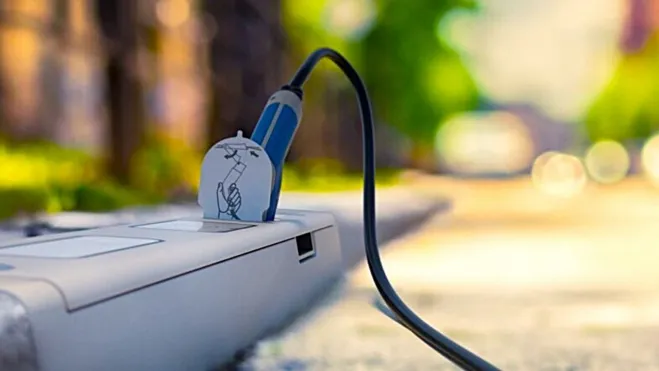
This difference becomes particularly significant due to the electrical requirements of each technology, as 150 kW DC fast chargers require a power level considerably higher than that of 7.4 or 11 kW AC systems, in addition to grid connections that can significantly extend installation times, to the extent that Iberdrola has indicated that certain medium-voltage projects take around two years to become operational.
For this reason, the systems being implemented in other European countries suggest complementing fast charging stations with a network of lower-power chargers distributed in residential areas, capable of supplying energy during the hours when vehicles are parked. However, their adoption in Spain would depend on possible regulatory adjustments, the capacity of local electrical grids, and how public parking spaces are managed.