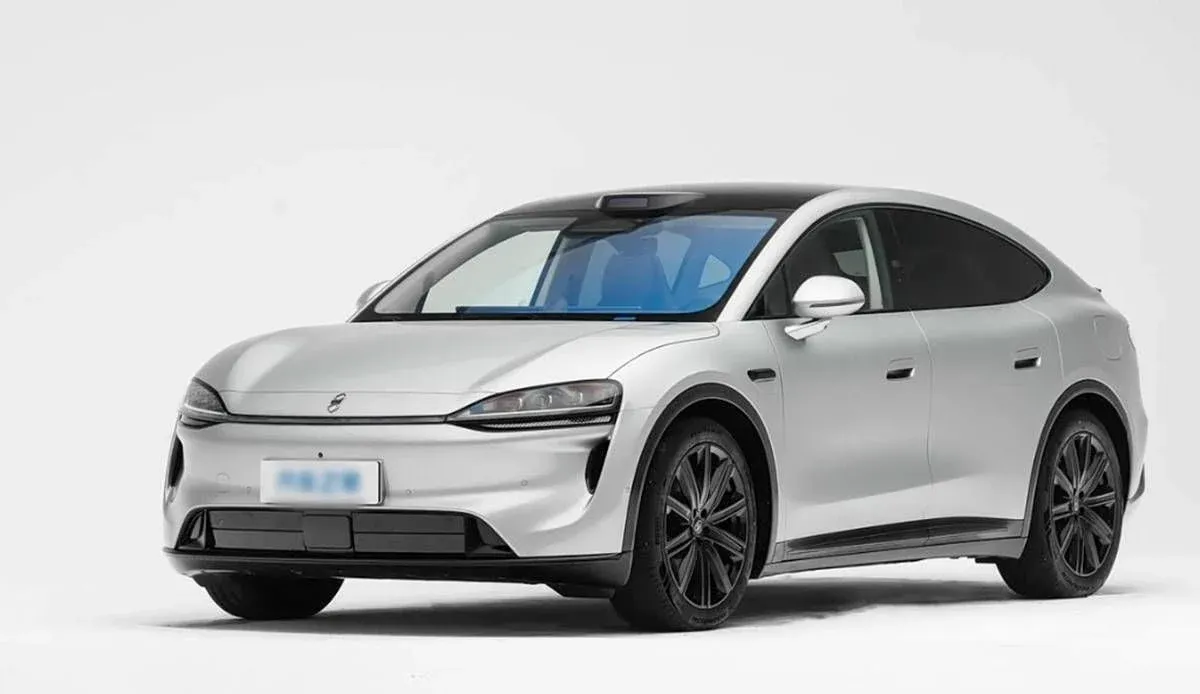
852 km of range, 15-minute charging, and four LiDARs starting at 34,000 euros: here’s Huawei and Chery’s new SUV
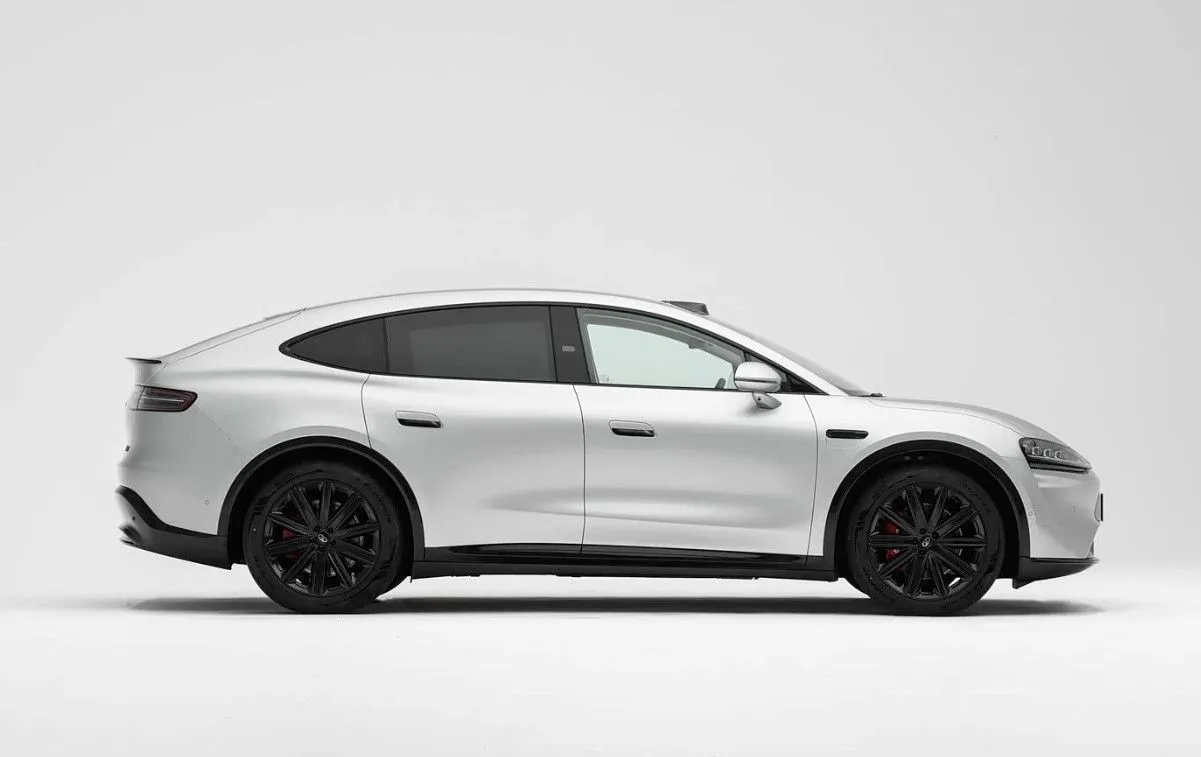
Huawei and Chery now have a new player in one of the most competitive segments of the Chinese market. It’s called the Luxeed RX, and it’s the fourth model from a brand that focuses on combining attractive designs, high performance, and advanced technology. This new SUV coupe has just been released in China with great ambition, keeping an eye on Europe as well.
The RX arrives at a time when Chinese manufacturers are rapidly raising the standard of their products. Facing rivals like the Xiaomi YU7, the new Luxeed model aims to stand out not only through its range figures but also thanks to its 800 V electric system, four laser radars, and an architecture designed for level 3 autonomous driving capabilities.
The result is a large SUV that, on paper, combines features that until recently were reserved for higher-end models. And it does so at an accessible price point that puts pressure on its competitors once again.
The Luxeed RX is 5.02 meters long with a wheelbase of 3 meters. It is therefore a considerably large vehicle, although its SUV coupe-style body aims to convey a more sporty image than typical for this type of model.
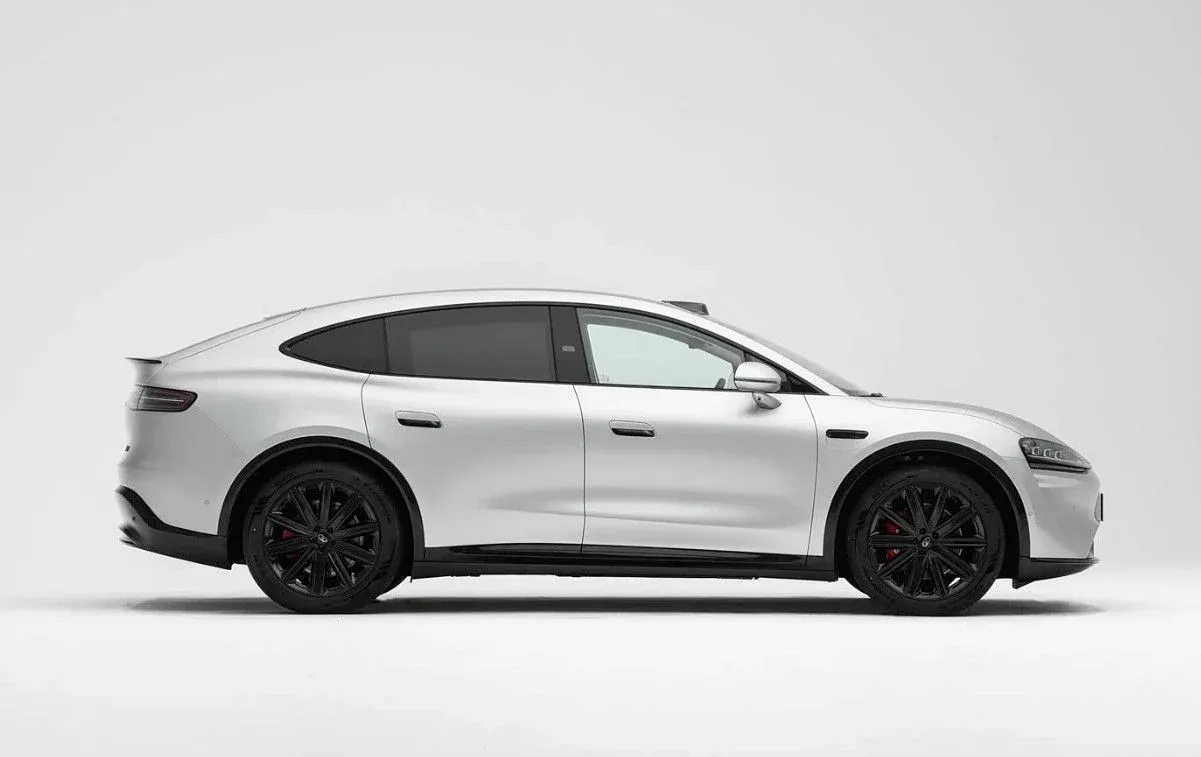
Its design is likely one of the most striking features. The long hood and the distance between the front axle and the windshield remind it of some front-engine sports cars, to the point that its silhouette has been compared to that of the Ferrari Purosangue. The body features numerous aerodynamic elements and 20 or 22-inch tires, while the rear boasts a luminous signature made up of over 10,000 glass-like elements.
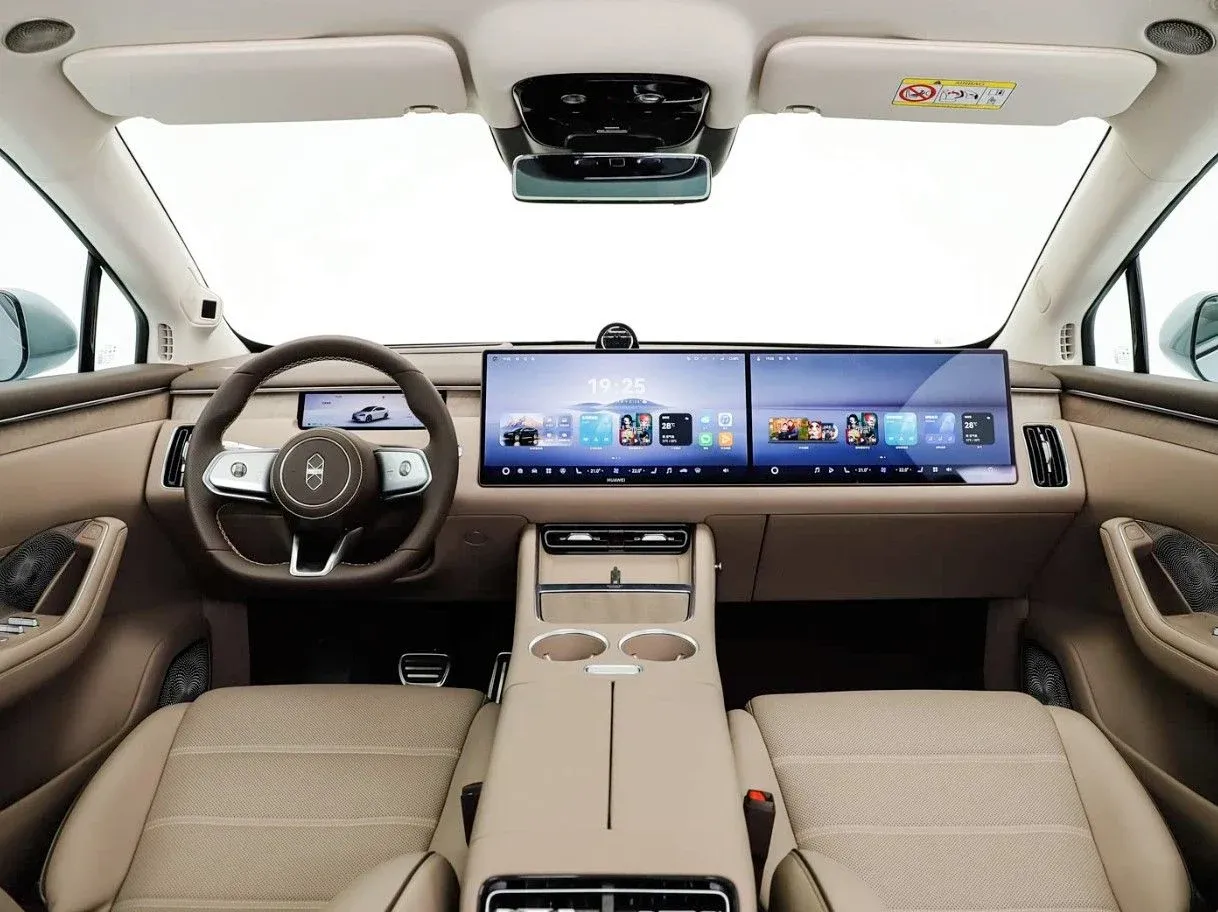
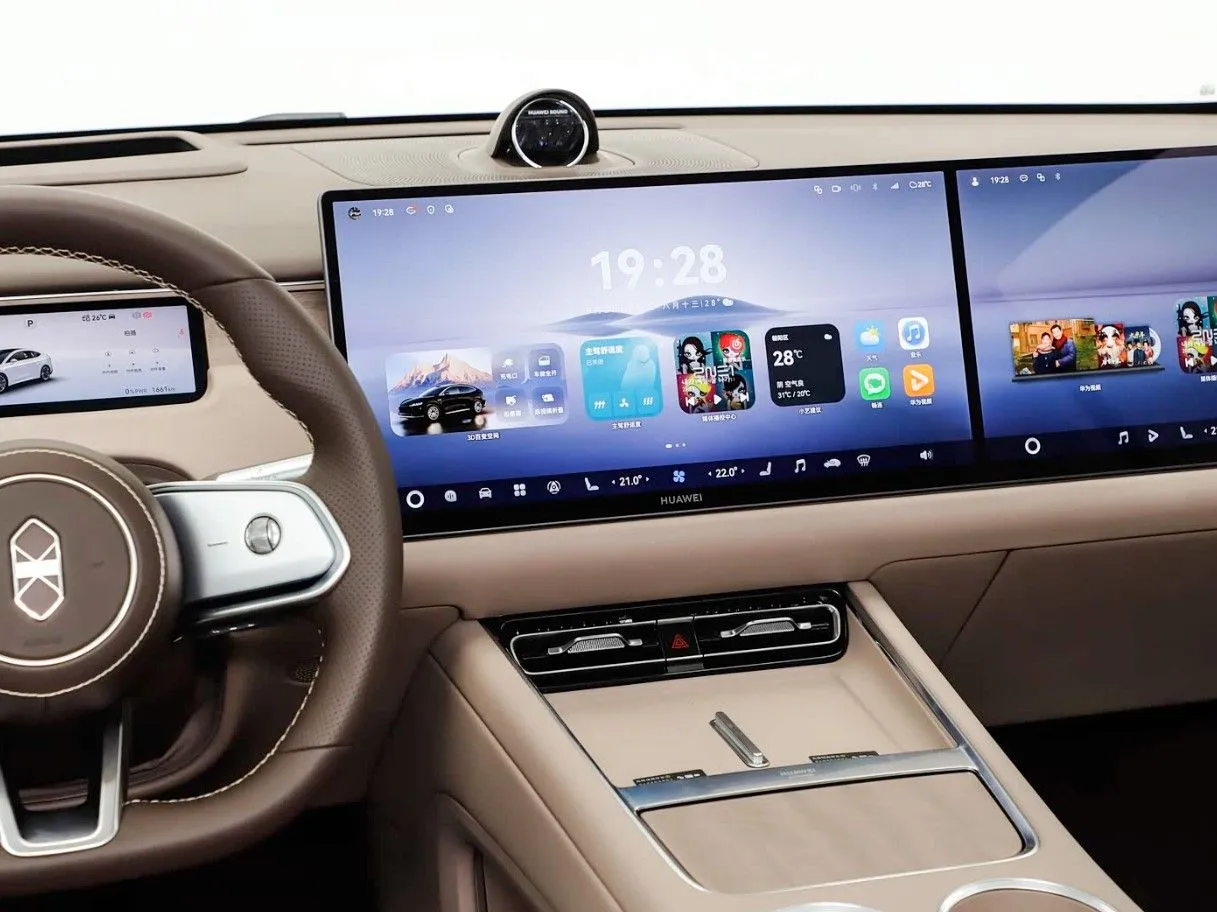
The interior follows the same technological philosophy. The RX comes equipped with a 16.1-inch floating central screen, a second 8.88-inch screen for the passenger, digital instrumentation, and a massive 26-inch front projection system. It also features a digital rearview mirror, along with exceptionally sophisticated seats.
These latest models feature 98 pressure sensors and 27 air chambers, capable of adjusting seat support based on the occupant’s position and driving conditions. The trunk offers 622 liters of capacity, plus an additional 30 liters of hidden storage space.
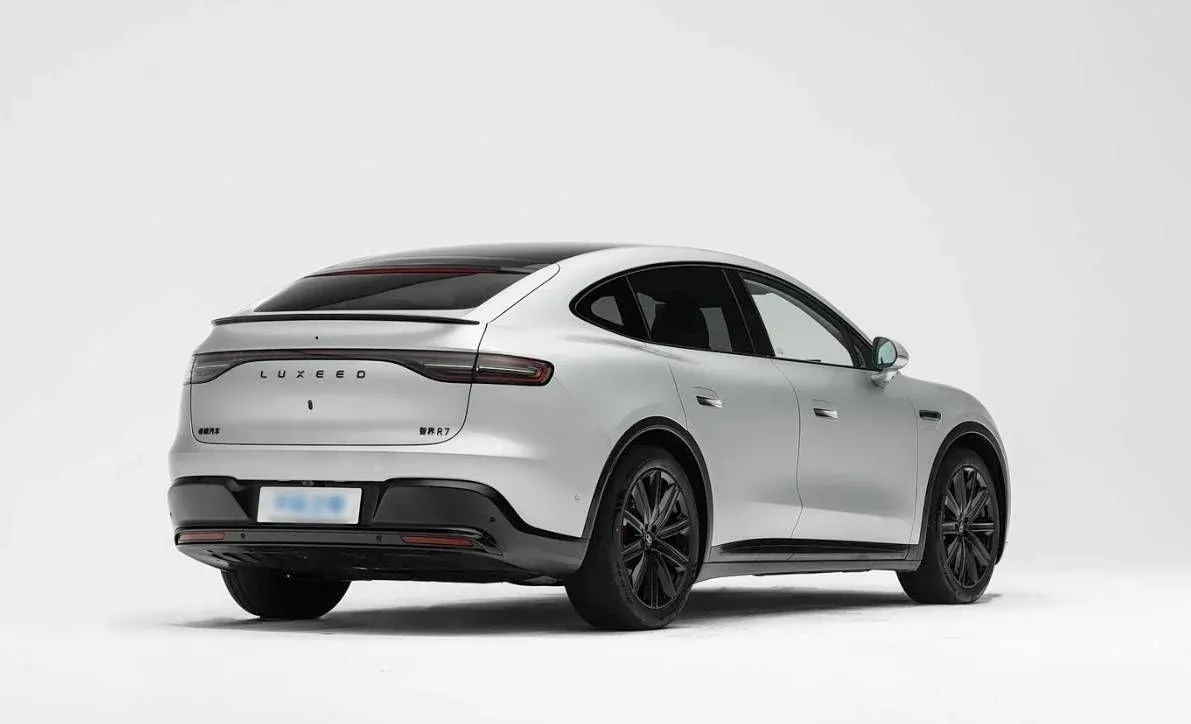
The technological aspects are even more impressive. The Luxeed RX includes 38 perception sensors and four laser radars, one with 896 lines and three solid-state types. This setup enables the system to analyze the vehicle’s surroundings in great detail and provide advanced driving assistance features.
Huawei has also developed an architecture designed for level 3 autonomous driving scenarios, with redundancy in systems such as power supply, communications, perception, steering, and braking. This does not mean the car can operate autonomously at level 3 under all conditions from day one, but it does have the necessary architecture to support such functions as they are authorized and developed.
The platform used is Huawei’s Tuling, while the propulsion system features a new generation of electric motors capable of rotating at up to 21,000 rpm. The RX is available with a single rear motor or with two motors and all-wheel drive.
The base model features a rear engine with 277 kW of power, equivalent to around 377 horsepower, while the all-wheel-drive versions include an additional front engine with 160 kW of power. The combined output reaches up to 437 kW, or about 594 horsepower, placing the RX firmly in the category of sports SUVs.
The most powerful version, the Luxeed RX Ultra+, has also proven that it’s not just about numbers on paper. On the international circuit in Zhejiang, it managed to complete one lap in 1:43.210, slightly ahead of the Xiaomi YU7 Max, which recorded 1:43.384 on the same track. It can reach 100 km/h in 3.6 seconds, while the braking distance from 100 km/h is 32.4 meters.
As for the battery, the RX offers two main options. The entry-level version uses an 81 kWh LFP battery, while the higher-end versions feature a ternary chemistry battery with approximately 100 kWh capacity. The certification documents list capacities of 81.1, 100.256, and 100.424 kWh.
The range depends on the chosen configuration and reaches up to 852 kilometers under CLTC conditions. The available figures are 672, 700, 702, 753, 822, and 852 kilometers, depending on the battery, equipment, and mechanical configuration. As with other Chinese models, the CLTC cycle is more optimistic than the European WLTP standard; according to our estimates, 852 kilometers under CLTC would equate to around 741 kilometers under WLTP, while 822 kilometers would be approximately 715 kilometers, and 753 kilometers around 655 kilometers.
Range, however, is not the only advantage of this electric powertrain. All versions feature an 800 V architecture and support fast charging, with an advertised time of around 15 minutes to go from 30% to 80% charge. This figure is particularly noteworthy given that we are dealing with a large SUV equipped with batteries exceeding 100 kWh in capacity.
The lineup consists of six versions: RX Max, RX Max LR, RX Ultra, RX Ultra LR, RX Ultra LR AWD, and RX Ultra+. The first version uses the smallest battery capacity, while those with greater range rely on battery packs of approximately 100 kWh. All-wheel drive is available only on one of the higher-end models.
And here comes one of the most interesting aspects of this launch. The final price of the Luxeed RX turns out to be even lower than what was announced during the pre-order phase. The RX Max starts at 259,800 yuan, which is about 34,000 euros at the current exchange rate, while the top-of-the-line model, the RX Ultra+, costs up to 389,800 yuan, equivalent to roughly 51,100 euros.
For now, the Luxeed RX is available in China, and its arrival in the European market has not been confirmed. Nevertheless, its design approach fits well with European tastes, so it wouldn’t be surprising to see it on our roads under Chery’s banner next year.