
850 km of range, 700 horsepower, all-wheel drive, and a massive trunk for the new BYD Tang
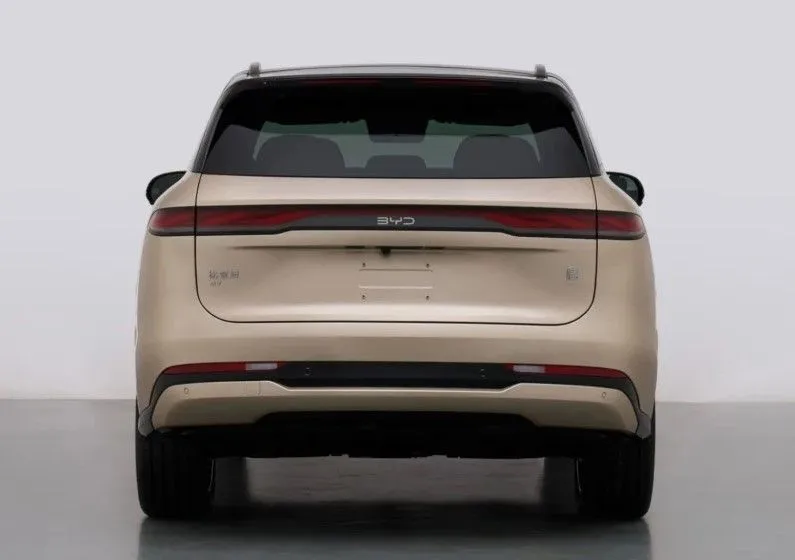
BYD is preparing a major overhaul of the Tang, one of its best-selling models. The next generation has already appeared in Chinese Ministry of Industry documents and suggests a complete shift in approach: more space, improved performance, and an interior layout that moves away from the family-oriented design of its predecessor. However, several key details still need confirmation before it hits the market.
The new electric Tang measures 5.05 meters in length, 1.98 meters in width, and 1.74 meters in height, with a wheelbase of 2.95 meters. Compared to the second generation, it gains 14.5 centimeters in length and 13 centimeters in width. This significant increase should improve interior space, though the final layout and trunk dimensions will be needed to determine how effectively it’s utilized.
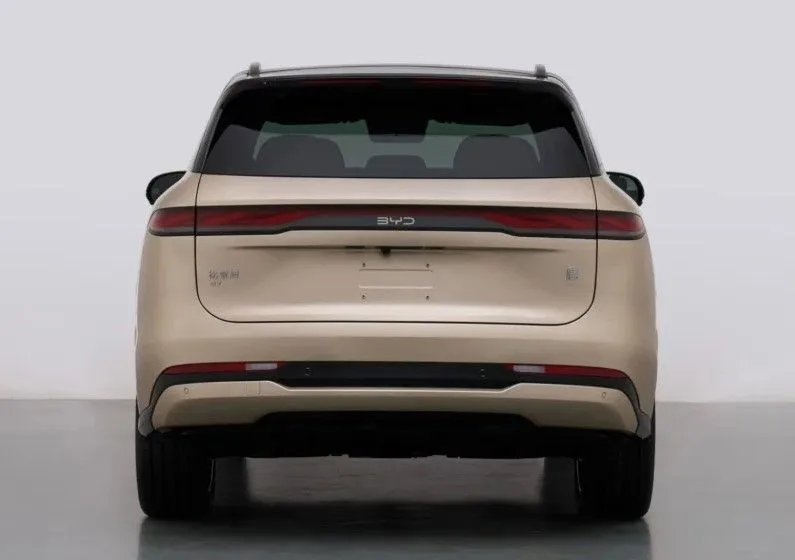
The images from the registration show a trunk with doors connected by a light strip and a redesigned bumper. The documentation also includes various designs for tires, exterior trim, roof rails, and side skirts, which can be fixed or electrically deployable. The specified tires are around 245/45 R21, with a wider rear option at 265/45 R21.
The biggest surprise lies in the interior: this version is listed as temporarily approved for five passengers, while the previous Tang was available in six- and seven-seater configurations. It’s worth noting that BYD also has the Da Tang in China, a larger model that reaches 5.26 meters in length and retains three rows of seats. The brand has not yet explained how it will balance the two models.
Regarding the interior equipment, previous reports mention a panoramic glass roof, a 35.4-inch screen located under the windshield, and another central 30-inch screen. The latter would allow functions to be distributed across adjustable-sized windows. These details have not yet been confirmed by this documentation, so we will need to wait for the official launch to learn about the final commercial configuration.
The model is also associated with the intelligent air suspension system DiSus-A and the driving assistance system DiPilot 300, known in China as God’s Eye B. Images show a LiDAR sensor on the roof and cameras in the trim of the front fenders, but the available functions and whether these features will be standard or optional in the all-wheel-drive version remain unconfirmed.
Two Engines and Endurance for Comfortable Travel
The mechanical specs provide specific figures. The front asynchronous engine delivers a maximum of 215 kW (292 HP), while the rear permanent magnet synchronous engine reaches 300 kW (408 HP). The combined rated power is 515 kW (700 HP). The 691 horses mentioned in some reports refer to the British unit hp, which has a different value from the HP used in Spain.
With this engine package, the Tang boasts a top speed of 250 km/h, an increase of 70 km/h compared to the previous AWD model. The 0 to 100 km/h acceleration time has not been released yet. It also won’t be a lightweight car: the specifications list a curb weight of 2,520 kilograms and a maximum authorized weight of 2,975 kilograms—figures that should be kept in mind when the first fuel consumption tests arrive.
The battery will use LFP chemistry, with cells supplied by Wuwei FinDreams Battery and the pack assembled by Zhengzhou FinDreams Battery. The new range offers capacities of 88.68 and 105.79 kWh, along with ranges of 730, 830, and 850 kilometers under CLTC standards; according to our estimates, this corresponds approximately to 635, 722, and 740 kilometers under WLTP standards. These are approximate figures only, not officially approved numbers in Europe, and the available information does not allow us to assign each battery-capacity combination to this AWD version.
Its charging power and the time required to restore battery level are also unknown, but it is expected to feature BYD’s Flash Charging system, which will enable it to reach 80% battery charge in about 10 minutes.
Its launch in China is expected in the fourth quarter of 2026, so it would arrive in Europe by 2027.