
800 volts and nearly 500 km of range: the Renault Trafic is refreshed with great ambition
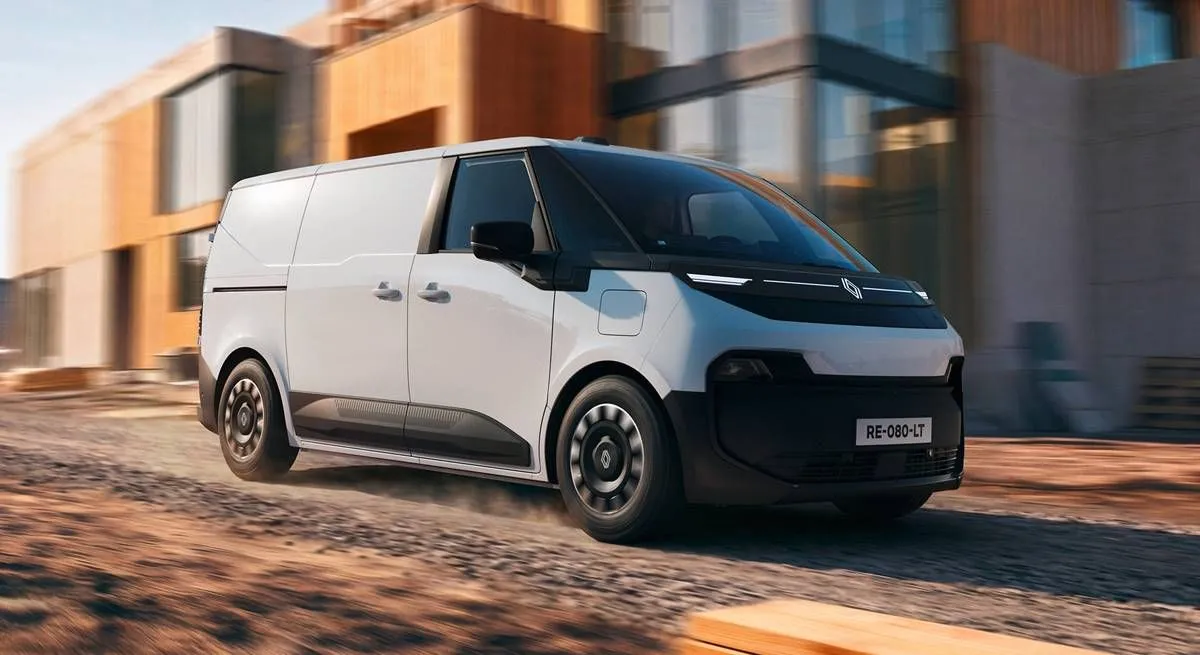
Renault has unveiled the final version of the new electric Trafic Van E-Tech. This new electric van represents a significant leap forward from the current generation, featuring an 800-volt architecture and improved range to make it an even more competitive alternative.
The new Trafic is also much more than just a new electric van from Renault. The brand has developed a dedicated platform for medium-sized commercial vehicles along with a centralized electronic architecture that was previously reserved for the most advanced electric cars. Renault aims to turn it into a connected, efficient work tool ready to incorporate new functions throughout its lifetime.
800 volts and an 81 kWh battery
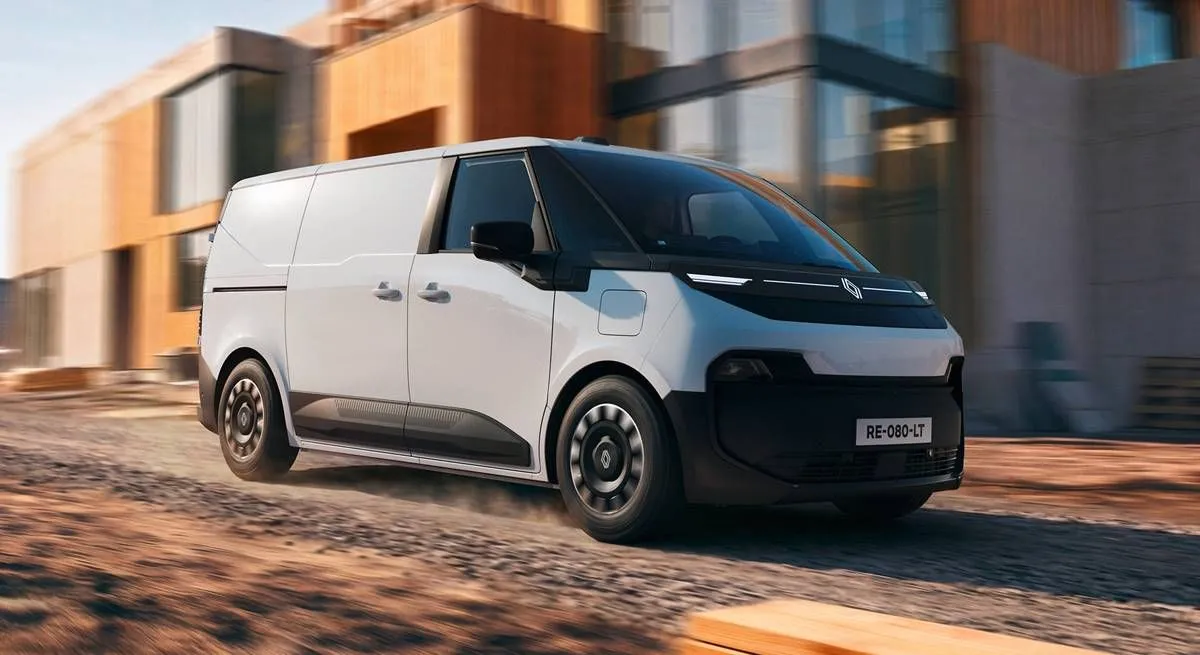
The main technical innovation of the new Trafic lies beneath its chassis. Renault has developed a skateboard-style platform called RGEV medium van, designed specifically for mid-size commercial vehicles. On top of this platform is an 800-volt electrical architecture, which is still quite rare in this segment but should allow for significantly shorter charging times.
The brand has not yet disclosed the maximum DC charging power, but it has provided a much more interesting figure for those who use vans for work: 280 km of range restored in just 20 minutes. Based on the announced consumption and battery capacity, this means over 48 kWh was restored during that charging stop, implying an average charging power of around 145 kW. The final figure will depend, however, on the charging curve that Renault has not yet specified.
The jump is particularly striking compared to other models in this category. The Ford E-Transit Custom, for example, uses a 400-volt architecture and offers up to 373 km of WLTP range with its 71 kWh usable battery. The Peugeot e-Expert, equipped with a 75 kWh battery, achieves 330 km of WLTP range and supports charging speeds of up to 100 kW. Renault is thus adopting a technology that we have so far seen mainly in higher-performance electric vehicles.
The battery announced for the new Trafic has a capacity of 81 kWh. Renault still needs to obtain final approval, but its estimates suggest a range of over 470 km in mixed conditions. The most impressive figure is achieved in urban areas, its natural environment, where the brand claims nearly 700 km of range — a distance that would allow certain professionals to complete almost a week’s work without needing to stop at a charging station.
On paper, the figures also indicate a significant improvement in efficiency. With 81 kWh and over 470 km of mixed-range mileage, the calculated consumption is around 17.2 kWh/100 km. Renault claims to have worked on various aspects to achieve this, including a 6% reduction in SCx, a propulsion system with over 90% efficiency, and efforts to find a balance between battery capacity, weight, and range.
It’s not just about installing a larger battery. In a van, every additional kilogram has a direct impact on consumption and loading capacity, so Renault had to strike a balance between range, weight, and professional utility. That will be one of the key factors when the first units arrive and we can test their actual consumption under real conditions.
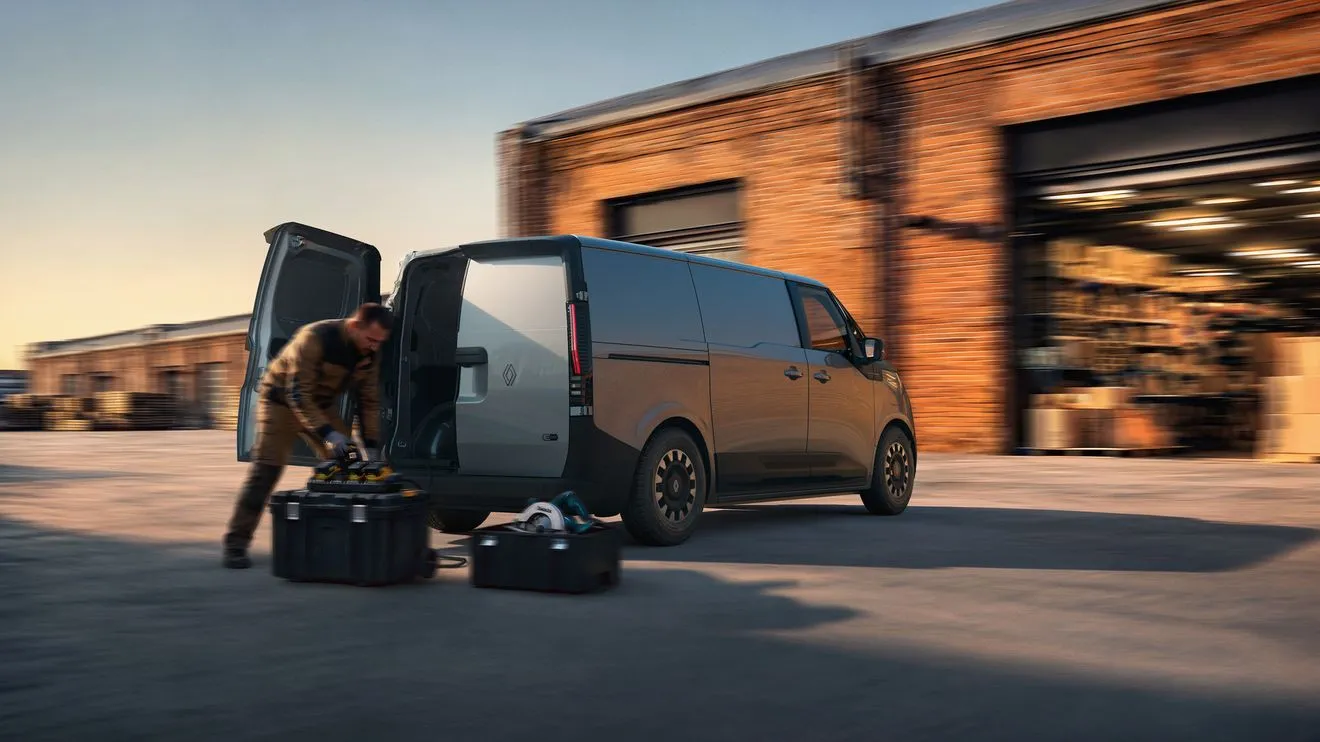
The new Trafic will also feature V2L, allowing users to draw power from the battery to operate tools and other electrical devices. Renault has also included an ePTO socket to facilitate modifications by specialized companies. This enables, for example, direct power supply to certain cooling systems without the need to install a separate power system.
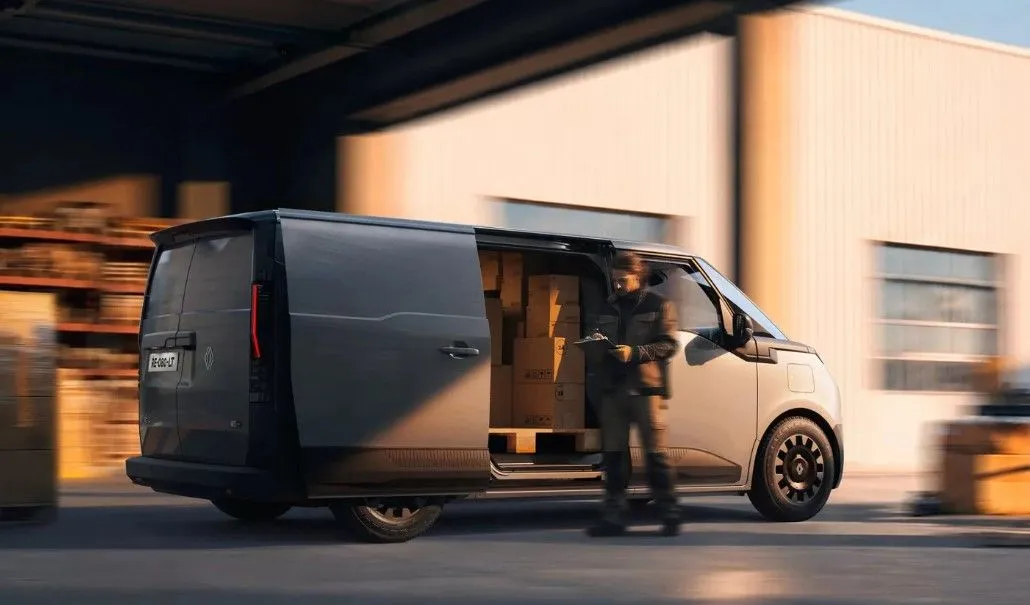
The cargo capacity has not been neglected. The largest version boasts a useful volume of 5.8 m³, sufficient to transport up to three euro-pallets. The loading threshold is just 53 centimeters above the ground, with a payload capacity of up to 1.3 tons, while the towing capacity reaches 2 tons.
In terms of dimensions, the new Trafic is specifically designed for urban use. The largest version measures 5.27 meters in length, 1.92 meters in width, and 1.89 meters in height. This last figure is particularly important for professionals working in urban areas, as it allows access to conventional underground parking lots, something that larger vans cannot do.
It also features a turning radius of 10.3 meters, a figure Renault compares to that of a Clio. The combination of relatively compact dimensions, an engine located at the rear axle, and a platform specifically developed for this type of vehicle should facilitate maneuvering in narrow streets, loading docks, and delivery areas.
Renault also claims that the driving comfort is close to that of a sedan, thanks in part to a multi-link rear axle. This is an uncommon feature in a van of this size and can make a difference for those who spend many hours behind the wheel.
The new Trafic is also significant within Renault’s strategy for another reason. It is the first model in the group to use a centralized SDV electronic architecture developed for this type of commercial vehicle.
Instead of relying on the approximately 80 electronic modules that a conventional van might have, Renault concentrates most of the functions in two supercomputers. Everything is managed through CAR OS, an Android-based operating system developed in collaboration with Google.
The practical benefit for the user is the ability to update various van functions remotely, improve certain systems without going to a repair shop, introduce new features, and facilitate predictive maintenance. In a commercial van, where downtime incurs direct costs for the owner, this last aspect can be even more important than entertainment functions.
The new Trafic originated within the FlexEVan project and was later integrated into Flexis, the joint venture established by Renault, Volvo Group, and CMA CGM to develop a new generation of electric vans. However, that project has since taken a different direction.
After the partners withdrew, Renault Group regained control of the project, a process that was completed last June. Volvo Group maintains its connection to the model through Renault Trucks, which will market the van starting in 2027.
The change is also reflected in the platform’s name. What was originally part of the architecture developed under Flexis is now referred to at Renault as the RGEV medium van. The future lineup will also include various configurations and conversions designed to meet the needs of businesses and professionals.
Renault is preparing a range that goes beyond the van version. By 2027, chassis-cab and double-cab versions will be available, along with different configurations created by specialized companies. This will allow the Trafic to be adapted for delivery tasks, freight transport, refrigeration, urban services, and other professional applications.
So far, Renault has not announced the price of the new electric Trafic Van E-Tech. There are no starting prices or financing or leasing rates disclosed yet. The brand does state that the total cost of ownership will be 10% lower than that of a comparable diesel van, though it has not yet explained in detail how this calculation was made.
Market launch is scheduled for the end of this year, but first customers will have to wait until early 2027 to receive their units. Renault has not yet opened the ordering period or announced final prices, leaving several important uncertainties unresolved.
It is already clear that the new electric Trafic comes with a much more ambitious goal than simply replacing a diesel engine with an electric one. The 800 volts, 81 kWh battery, the nearly 690 km range in urban conditions, and the new electronic architecture make the Trafic one of the most interesting launches in the electric van segment. What remains to be seen is how much of these figures will hold true once WLTP certification is achieved, and especially when it starts being used by businesses and professionals.