
800 V versus 400 V: how KIA’s electric car fast charging is changing
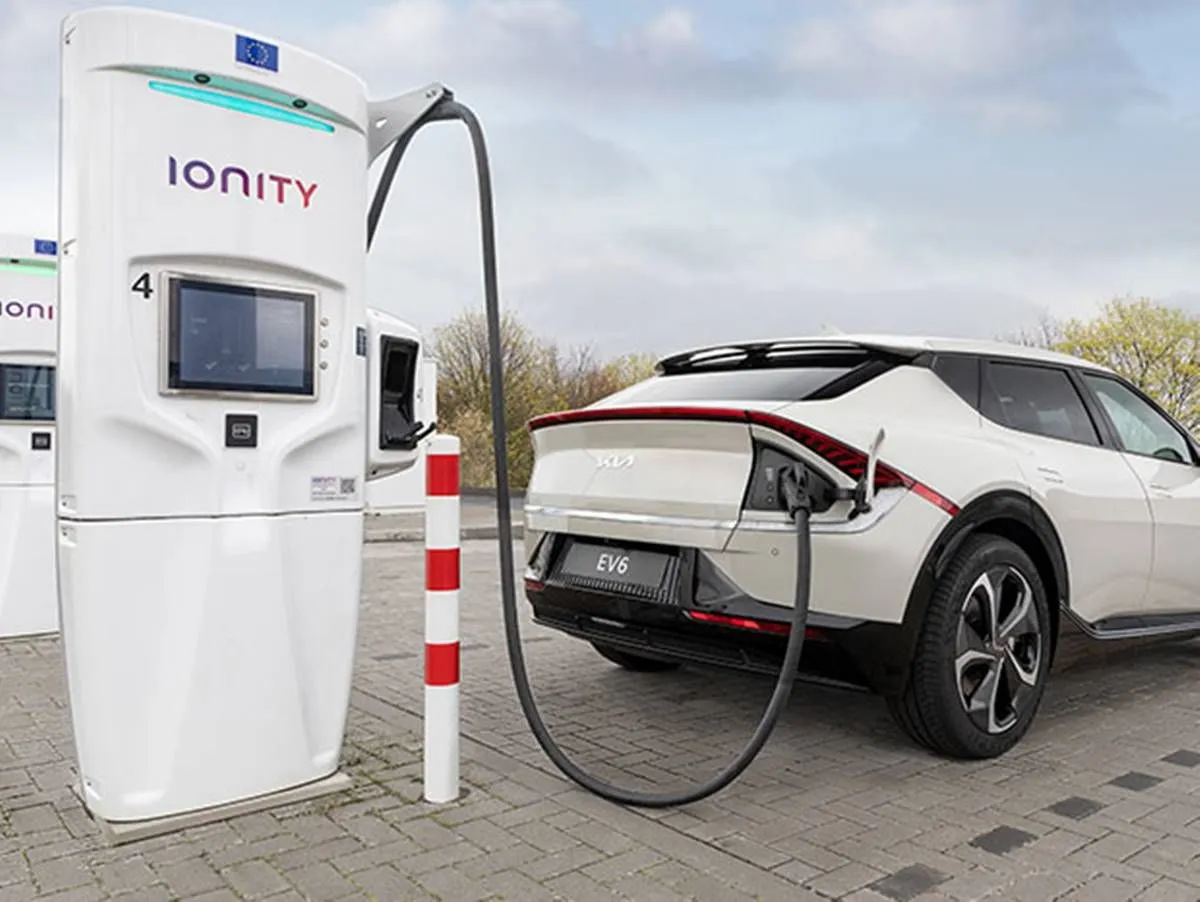
A battery capable of providing 600 kilometers of range can be very useful, but it’s equally valuable to be able to gain several hundred kilometers during a stop of just 15 or 20 minutes, rather than needing 40 or 50 minutes.
That’s where KIA’s 800 V technology comes in, which has been integrated into many of its electric models. This solution enables the use of very high charging powers and, when utilized properly, can significantly reduce the time we spend connected to a fast charger.
The difference from a conventional 400 V electric car isn’t simply that “double the voltage means double the charging speed.” The reality is more interesting. A higher-voltage electrical architecture allows certain power levels to be delivered using less current. This has significant implications for the entire system: from wiring to thermal management, and especially the ability to use high-power chargers.
In other words, an 800 V car doesn’t necessarily require a much larger battery to achieve significantly faster charging times. What changes is how electricity flows between the charger and the battery.
Kia Model
Architecture
Battery
Fast charging 10-80%
Approximate maximum power
KIA EV6
800 V
up to 84 kWh
18 minutes
up to 260 kW
KIA EV6 GT
800 V
84 kWh
18 minutes
high power
KIA EV9
800 V
99.8 kWh
24 minutes
up to 210 kW
KIA EV4
compatible with 400/800 V
58.3/81.4 kWh
29-31 minutes
up to 150 kW
KIA EV3
400 V
58.3/81.4 kWh
31 minutes
up to 135-150 kW
The times listed are those announced by KIA and depend on using a charger with the appropriate power and voltage, as well as factors such as battery temperature, charge level, or environmental conditions.
What is the difference between 400 V charging and 800 V charging?
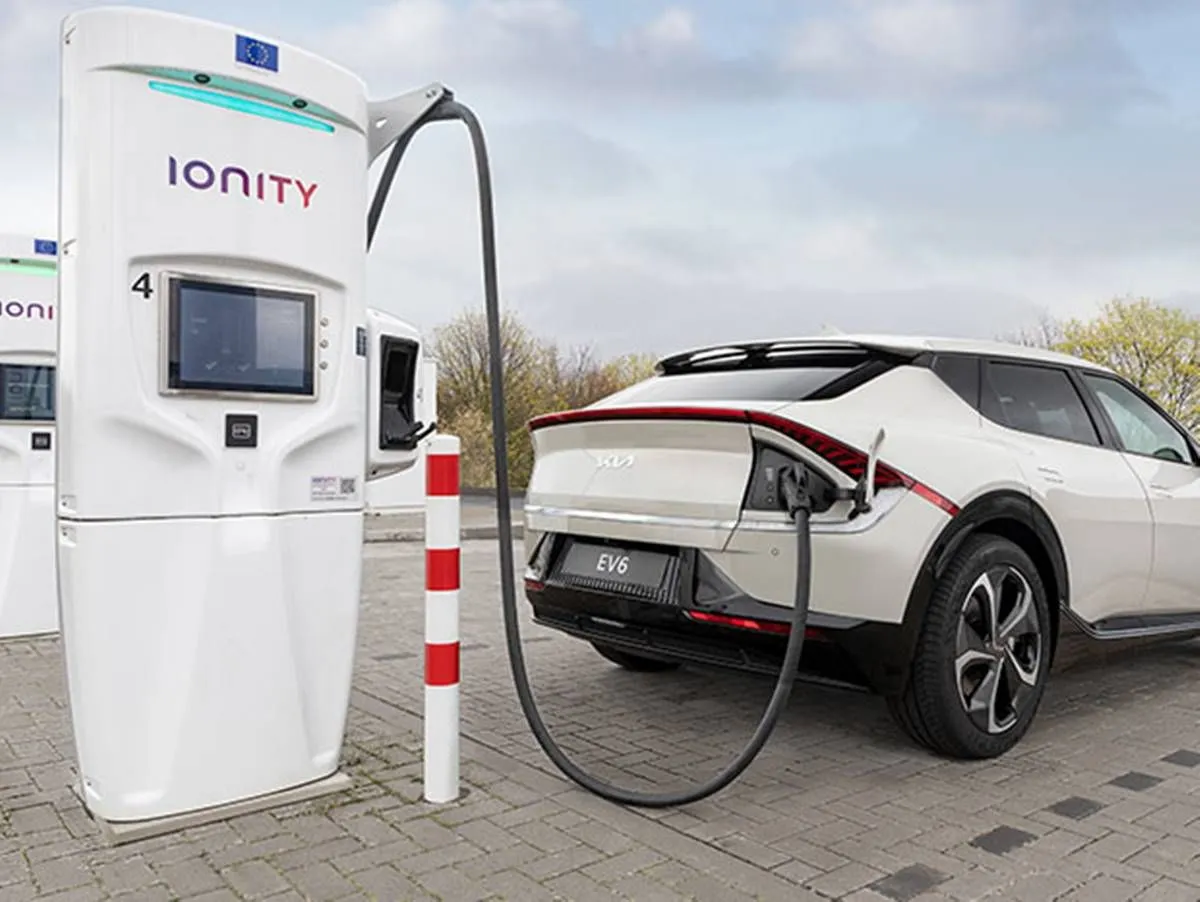
The fundamental difference lies in voltage. Electrical power is the result of multiplying voltage by current, so to achieve a certain power level we can use higher voltage and lower current.
This is important because transmitting, for example, 200 kW at a higher voltage allows reducing the intensity of current flowing through the system. And the lower the current for the same power, the less loss and heat generated in cables and components.
This is precisely one of the reasons why 800 V architectures are so interesting in high-performance electric vehicles, especially those designed for long-distance travel.
The KIA EV6 is one of the best examples. Its architecture allows it to work with both 800 V chargers and standard 400 V chargers. With a suitable ultra-fast charger, it can go from 10% to 80% charge in about 18 minutes. Kia states that to achieve its maximum charging speed, an 800 V charger capable of delivering at least 260 kW is required.
And here lies one of the most interesting advantages for users: it doesn’t mean the car is limited when no 800 V charger is available. The EV6 can also use 400 V infrastructure. In fact, KIA developed its system so it can operate with both architectures without the need for a specific adapter. When connected to a 400 V charger, the vehicle’s own system can boost the voltage to match the battery requirements.
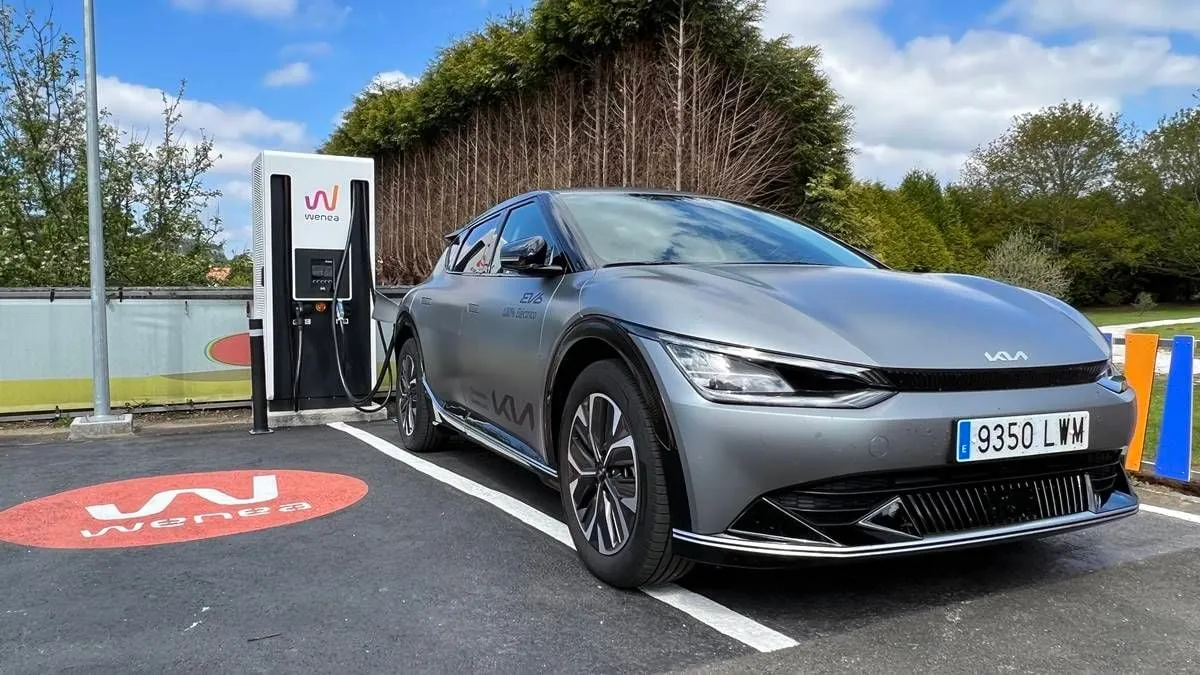
This helps us better understand what 800 V actually brings. It’s not a technology that automatically makes any charger faster. The advantage emerges when the car and the charging station work together at high power levels.
For example, connecting an 800 V car to a 50 kW charger will still result in a charging power far lower than what it can achieve at an ultra-fast charging station. The vehicle’s architecture cannot generate power that the charger lacks.
That’s why the real scenario where an 800 V KIA makes a difference is during long trips, when we can find charging stations with 150, 200, 250, or even 350 kW capacity and utilize a significant portion of that power.
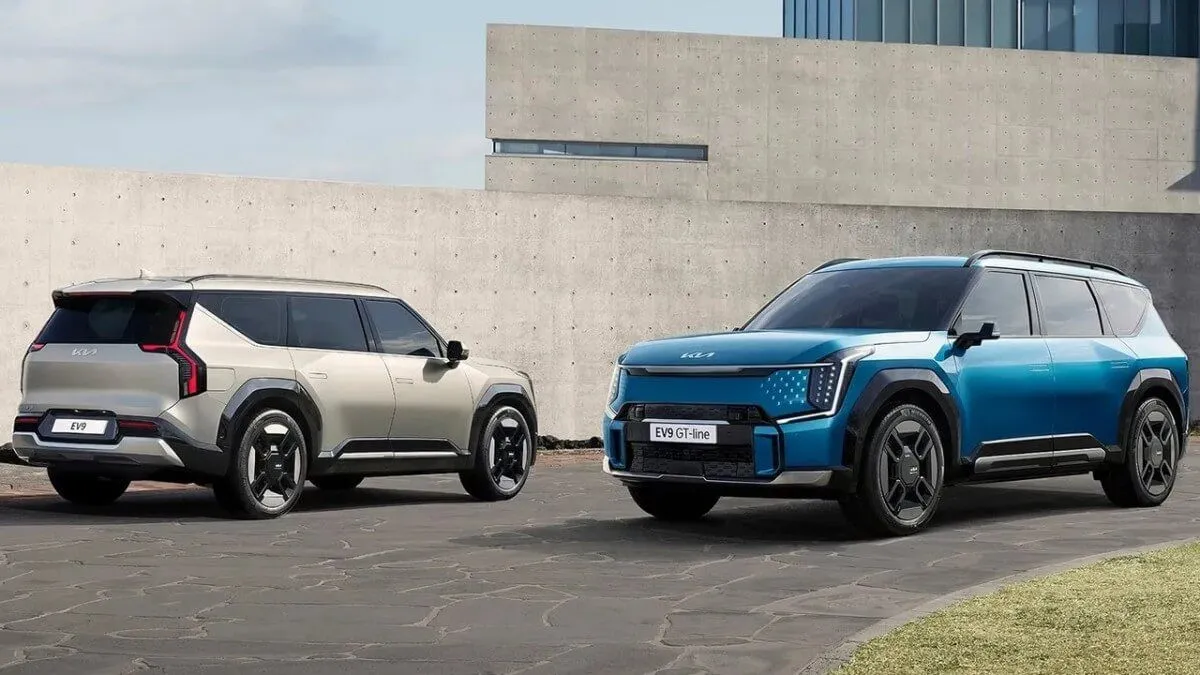
The KIA EV9 also shows that this technology isn’t limited to sports cars or small vehicles. This large seven-seater SUV, equipped with a 99.8 kWh battery, can go from 10% to 80% charge in about 24 minutes using an 800 V charger. KIA states that it requires at least 210 kW to reach its maximum charging speed.
In the case of the EV6, the charging time can be even shorter: around 18 minutes to go from 10% to 80%. This allows for a different approach to traveling. Instead of stopping for an hour to gain a significant amount of energy, a relatively short stop may be sufficient to continue the journey.
There is another aspect to consider. Fast charging isn’t just about achieving an impressive power peak for a few seconds. What matters is maintaining high power for a significant portion of the charging process.
Here, the battery, its cooling system, power electronics, and thermal management come into play. That’s why two cars claiming 200 kW of maximum power can require very different times to go from 10% to 80% charge.
KIA has focused on this area specifically. Both the EV6 and EV9 feature battery conditioning integrated with the route planner, allowing the system to prepare the battery to reach the charger in conditions more favorable for fast charging.
Which Kia electric vehicle is best if you’re looking for fast charging?
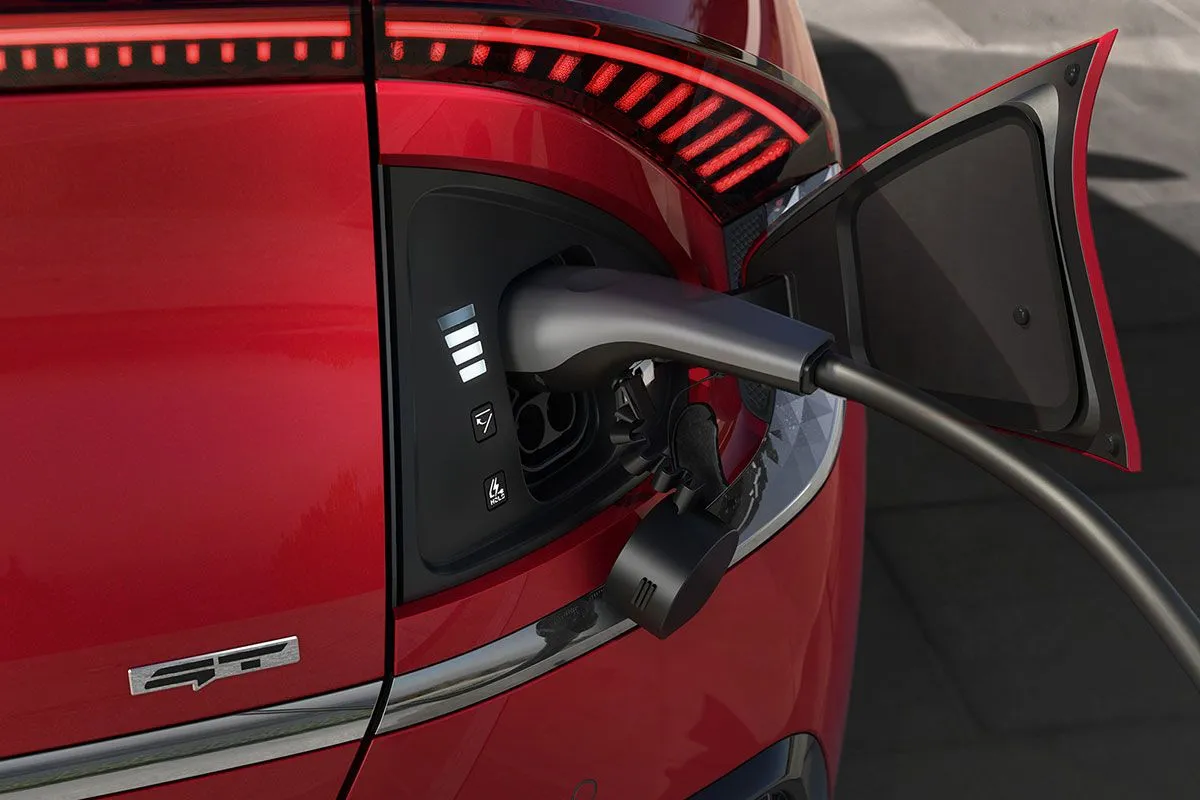
The answer here depends quite a bit on the type of user.
The KIA EV6 is likely the most interesting model for those who consider charging speed a priority. It features an 800 V architecture along with a battery capacity of up to 84 kWh, allowing it to reach 10-80% charge in about 18 minutes. Additionally, it is available with both rear-wheel drive and all-wheel drive, so there’s no need to opt for the most powerful version just to enjoy this technology.
The KIA EV9 is different. Its larger size and nearly 100 kWh battery mean it takes about 24 minutes to go from 10% to 80% charge, but it still offers a very competitive range figure for a seven-seater SUV. Kia also claims that 15 minutes of charging can add up to 239 kilometers of range in the rear-wheel-drive version, depending on conditions.
And then there are the more affordable models in the KIA range
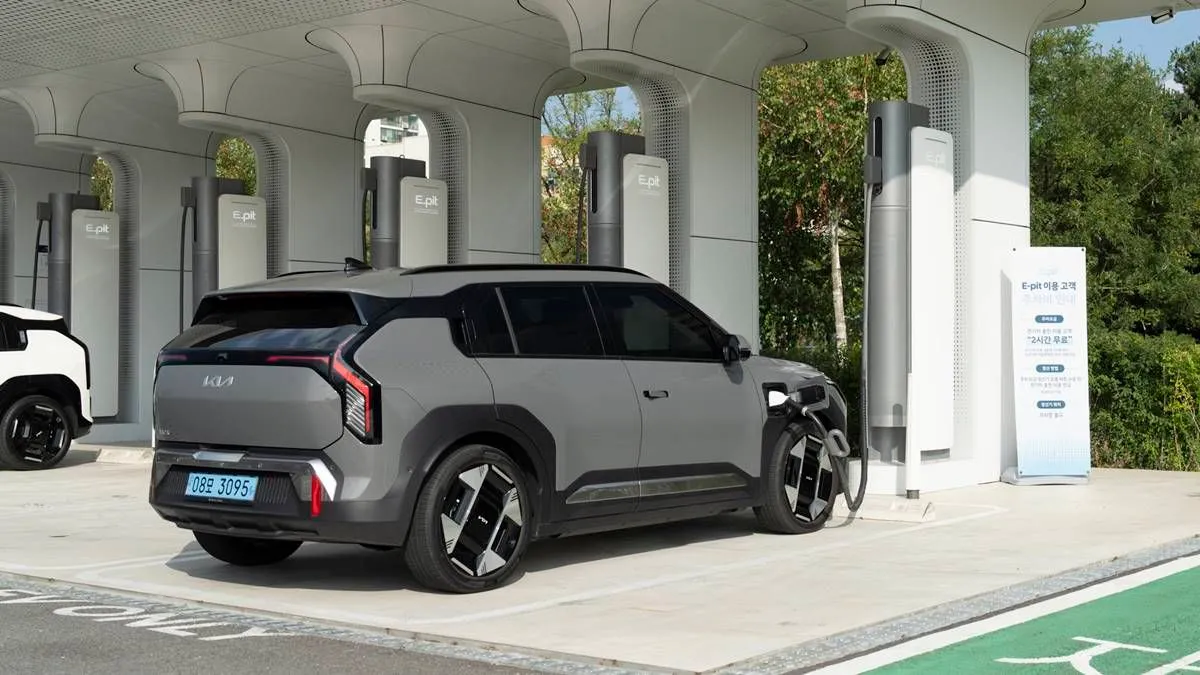
The EV3 uses a 400 V architecture. This doesn’t mean it has poor charging capacity: it can go from 10% to 80% in about 31 minutes and can handle up to 150 kW under suitable conditions. But it doesn’t offer the same capability to utilize ultra-fast chargers as an EV6 or an EV9.
This is a good example of why it’s not appropriate to simply use the “fast charging” label to compare cars. The EV3 can charge quickly for its class and price, but its 400 V architecture means its maximum power is clearly lower than that of 800 V models.
The EV4 occupies a middle ground. KIA states it is compatible with 400 and 800 V chargers, but its charging times are around 29-31 minutes and its maximum power is approximately 150 kW. Thus, although it can use infrastructure for both voltages, it is not quite on the same level as the EV6 when it comes to ultra-fast charging.
This leads to a fairly simple conclusion for those considering buying a KIA electric vehicle: if you primarily use the car in urban areas and charge it at home regularly, the difference between 400 and 800 V is likely not the deciding factor.
But if you travel frequently on highways, the situation changes
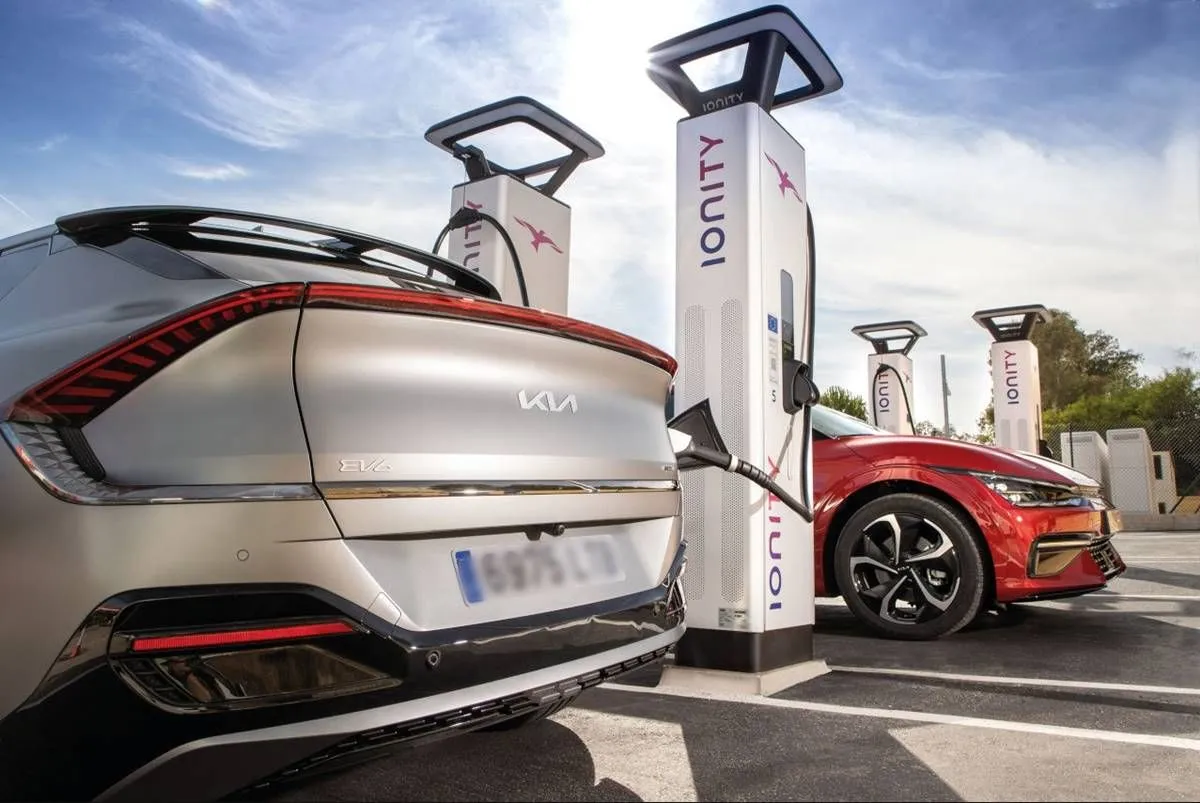
In such cases, being able to recover a significant amount of energy during a short stop can have a real impact on the total travel time. And it is precisely here that KIA’s 800 V vehicles, especially the EV6 and EV9, hold a clear advantage.
That said, there is one essential condition: finding a charger capable of delivering that power level.
Spain is moving in this direction, although its infrastructure still lags behind the capabilities of faster cars. According to the latest data from AEDIVE, Spain’s public charging network had 52,746 operational points as of September 1, 2026. Points with a capacity of over 350 kW increased by 10.38% during the analyzed period, while those with a capacity between 150 and 350 kW rose by 22.50%.
This is an important development because it is precisely chargers with 150 kW or higher that enable us to truly utilize the capabilities of current cars. Additionally, growth is particularly rapid in facilities with higher capacity, although their distribution remains uneven across the country.
That’s why, when buying an electric car, it’s not enough to just look at the maximum charging power figure. You need to consider where we will charge, what levels of power we’ll typically encounter along our routes, and how much time we want to spend at each stop.
800 V technology doesn’t mean an electric car can be charged magically in five minutes. Nor does it imply that a 400 V vehicle is necessarily slow. Its real advantage lies in allowing batteries, electronics, and high-power chargers to be combined much more efficiently.
And once the entire system is set up for this, the difference becomes noticeable.
A KIA EV6 can charge from 10% to 80% in about 18 minutes, while a 400V model takes around 31 minutes. For a single trip, it might not seem like a huge difference, but after several hundred kilometers and multiple stops, those minutes start to add up.
That’s why the right question isn’t whether 800V is “better” than 400V in absolute terms. The question is whether you’ll make use of it.
For those who mainly use their car in the city and have a home charger, a 400V Kia can be more than sufficient. For those who frequently take long trips and want stops to feel increasingly similar to those of a conventional car, the 800V architecture becomes much more meaningful.
And that is, probably, the great advantage of 800 V: they don’t necessarily increase the car’s range, but they can significantly reduce the time it takes to restore that range.