
752 km of range, 800V, cable-driven steering, and autonomous driving: this is SAIC’s new flagship technology vehicle
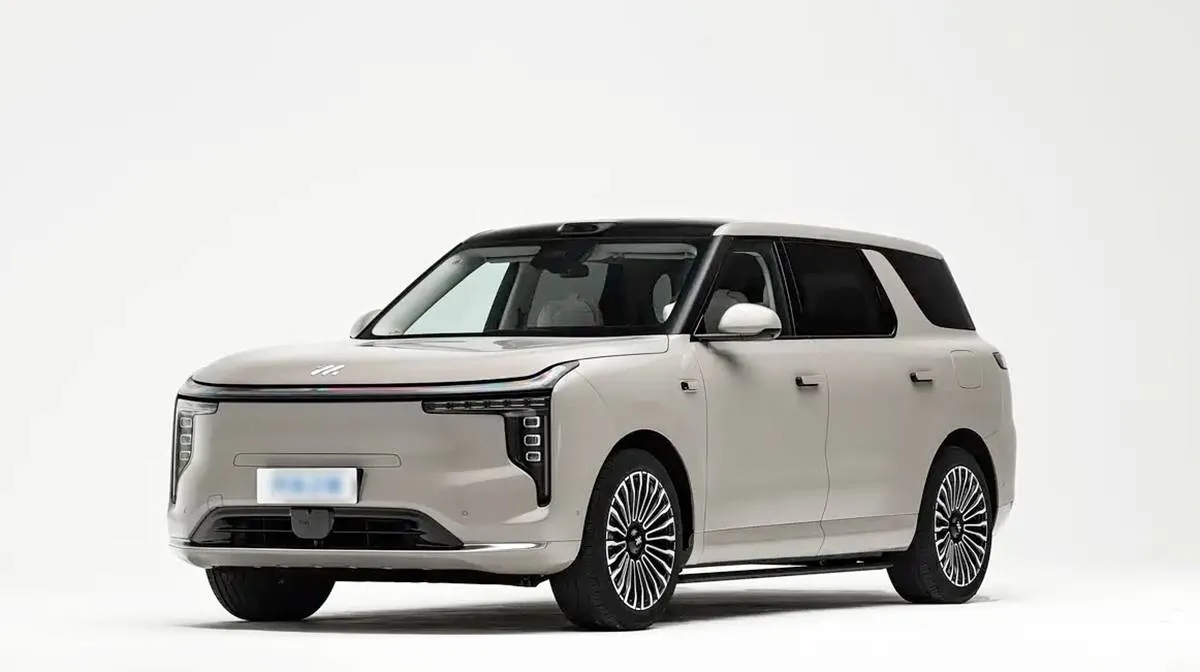
The electric offensive of the group behind MG goes far beyond the models we’re familiar with in Spain. Its IM Motors brand continues to expand a lineup focused on comfort and technology, offering models that showcase how far SAIC has taken its developments. The latest addition is aimed directly at those seeking a large, well-equipped family SUV.
The IM LS8 NEO electric vehicle made its debut in China in two versions, named 93 Max+ and 103 Max+. This new variant builds on the LS8 with an extended range and retains its core features: ample interior space, travel-oriented amenities, and a chassis featuring some of the brand’s most advanced solutions.
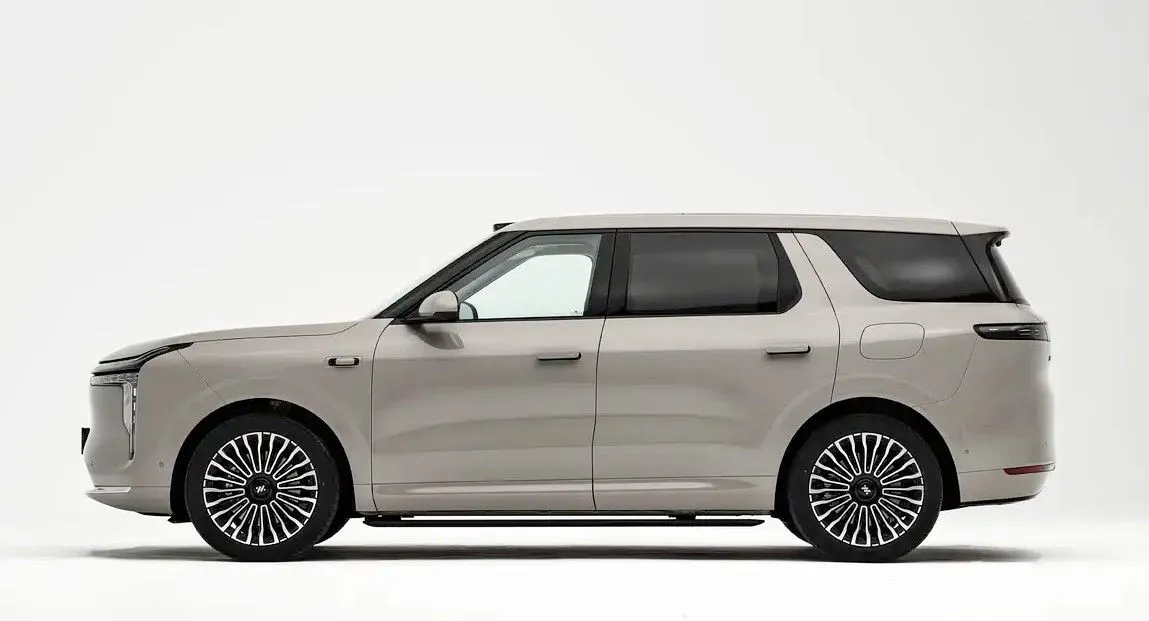
In terms of size, it is an SUV that is 5.09 meters long, 2.00 meters wide, and 1.81 meters high, with a wheelbase of 3.06 meters. The design retains the look of the extended version, featuring a light strip running along the front, matrix LED headlights, and a lidar sensor positioned above the windshield.
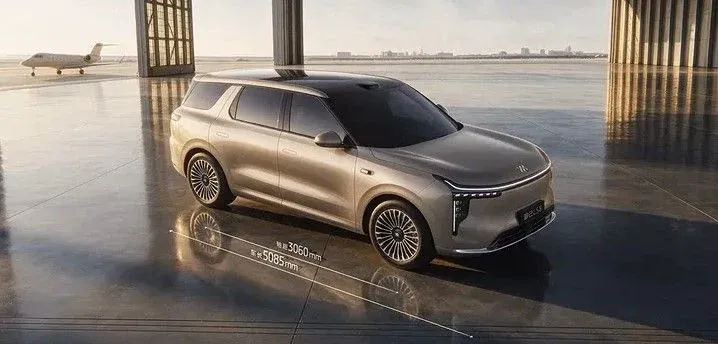
On the sides, there are retractable handles, multi-spoke tires, and a floating-effect roof, while the rear once again uses side-by-side connected headlights. The body is available in five colors and maintains fairly clean lines, without attempting to conceal its size through large air intakes or excessive decorative elements.
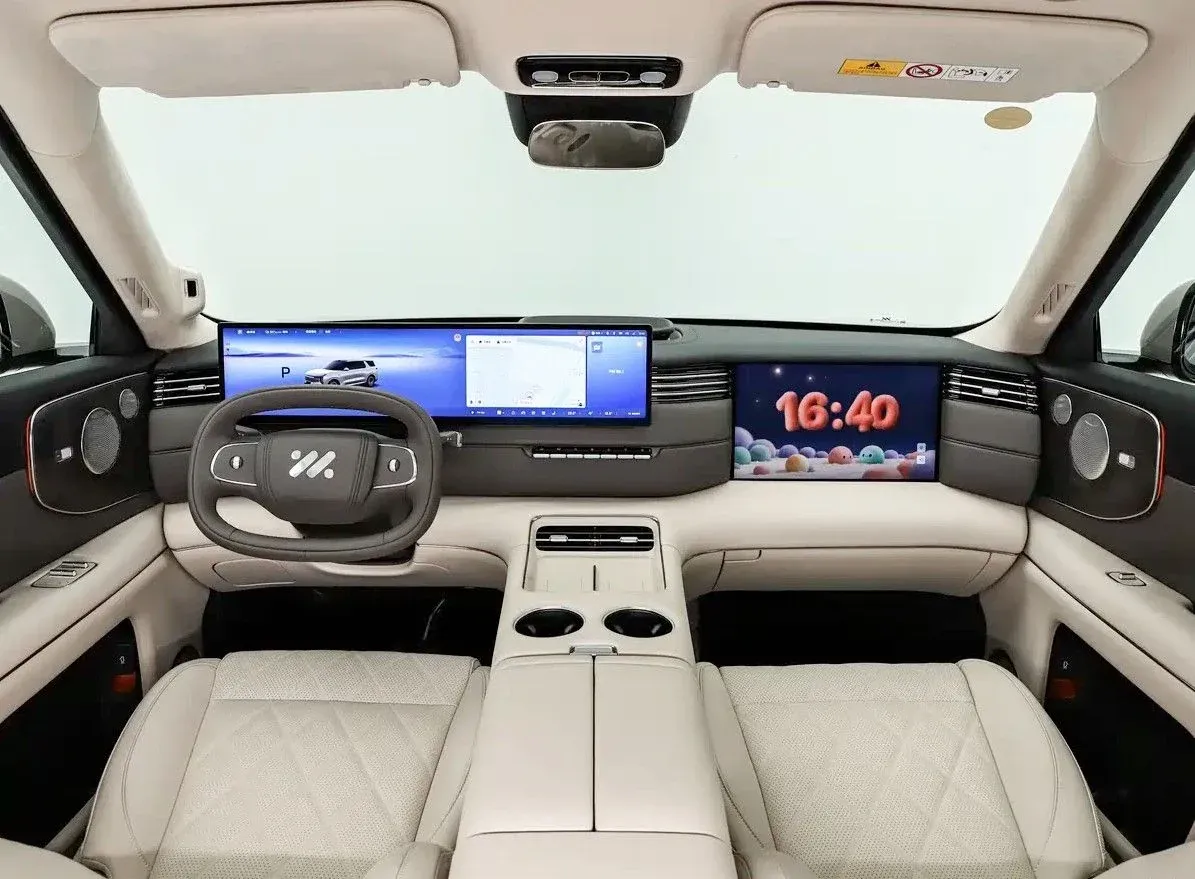
The interior offers a choice between five- and six-seater configurations. The dashboard features a 27.1-inch Mini LED screen with 5K resolution, along with another 15.6-inch screen with 3K resolution for the passenger. The rear passengers have a 21.5-inch ceiling screen with 4K resolution.
The multimedia system uses a Qualcomm Snapdragon 8295P processor and is compatible with CarPlay, HiCar, and Carlink. It also includes the IM Claw assistant, which integrates artificial intelligence models such as Qwen. This setup combines standard connectivity options with more advanced voice interaction features.
Regarding comfort, the LS8 NEO features Nappa leather upholstery, front seats with recline and massage functions, as well as heating, ventilation, and massage in the first two rows. The seats in the second row can have a backrest that reclines up to 132 degrees, an electric footrest, and eight-point massage. In the six-seater configuration, the third row also comes with heating.
There’s also a 12.3-liter refrigerator that can both cool and keep food and drinks warm. The audio system includes 18 speakers and can be replaced with a 25-speaker B&O system. Additionally, it has a huge 938-liter trunk in the five-seater version, along with a 168-liter front trunk.
Electronic steering, rear-wheel drive, and two CATL batteries
One of the main innovations of the LS8 NEO is its Lingxi chassis with built-in electronic control. It features electronically controlled steering with dual redundancy and a rear steering system to improve maneuverability. The manufacturer claims a turning radius of 4.85 meters, a figure that is particularly impressive for a car of these dimensions.
The rear suspension provides a claimed 24-degree angular travel in both directions. Additionally, the steering system allows the wheel to reach full lock with just half a turn, reducing the movement needed for tight maneuvers. The entire system is coordinated via the IM SynVector system, which has a reported response time of 20 milliseconds, and it is supplemented by a closed-loop pneumatic suspension.

Autonomous driving is handled by IM AD ZETA, developed in collaboration with Momenta. It offers assisted driving functions for highways and urban areas, as well as autonomous parking. Future developments will include artificial intelligence models designed to handle complex situations, such as narrow streets under construction or environments with pedestrians and two-wheeled vehicles.
Under the mechanical aspect, the entire range uses a single NEO electric motor with 300 kW (408 HP) and 500 Nm of torque. This approach combines high power with a single-motor configuration, which is sufficient in theory to power this SUV without relying on the extremely high specifications found in other models on the Chinese market.
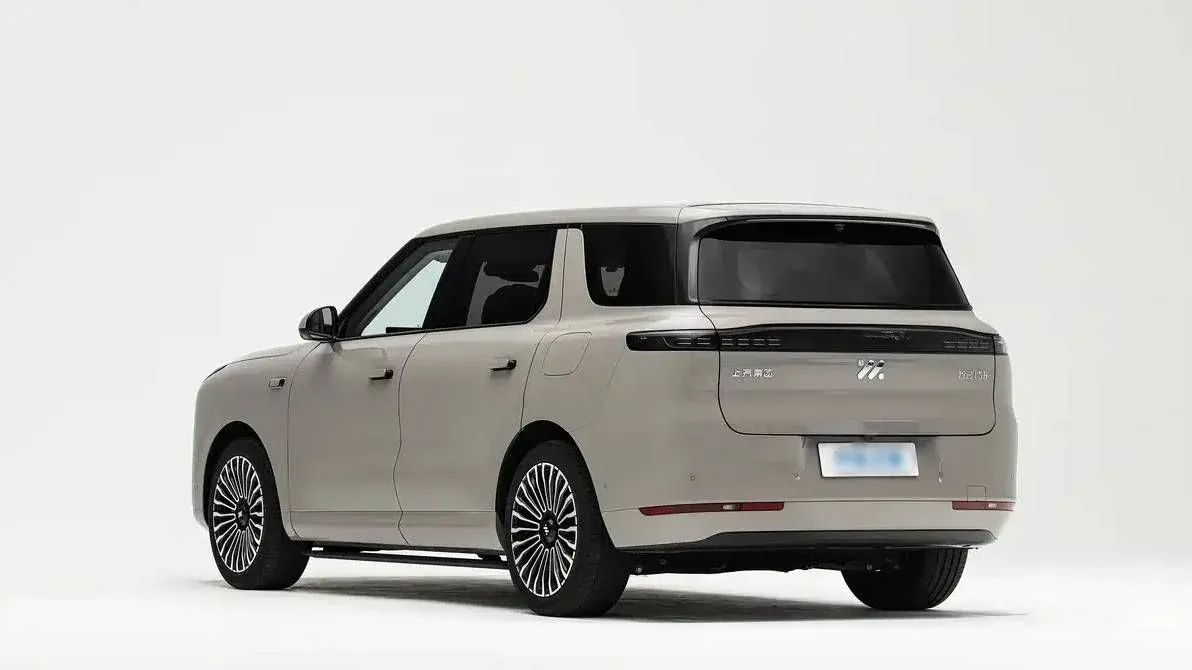
The 93 Max+ is equipped with a 93 kWh CATL battery using LFP chemistry, offering a CLTC range of 684 kilometers; our estimate is around 600 kilometers WLTP. Above it is the 103 Max+, fitted with a 103 kWh CATL battery using ternary chemistry, which claims a CLTC range of 752 kilometers; our estimate is roughly 650 kilometers WLTP.
Both versions utilize an 800-volt architecture. The advertised charging time from 10% to 80% ranges from 17 to 20 minutes, depending on the version and charging conditions. This feature, along with the high-capacity batteries, enhances its suitability as a family car for long trips.
In China, this true flagship of SACI has been put on sale at prices ranging from 32,040 euros for the 93 Max+ to 34,710 euros for the 103 Max+.
A proposal that has the potential to become one of SAIC’s launches in Europe next year, where it could find its place in a market of representative and family SUVs that features an increasing number of better models.