
73,000 units per year starting from late 2028: Ferrol will produce MG’s smallest and cheapest electric car, priced at less than 20,000 €
18/09/2026 12:00
Updated to
18/09/2026 12:00
The Chinese company SAIC has decided which model will be produced first at its future factory in Galicia. According to industry sources, the MG2 electric vehicle will be assembled starting from late 2028 at the plant the brand will build in the Puerto Exterior de Ferrol (A Coruña), with an expected annual production of 73,000 units. This is contingent on the factory’s future becoming fully clear following security reports by the military, which describe the company’s facilities as a “threat.”
The choice of this model is not arbitrary. Manufacturing in Spain will allow SAIC to avoid the additional 35.3% tariffs currently imposed on Chinese electric cars imported from outside the European Union, a cost burden that directly undermines the competitiveness of its more affordable models in the community market. The MG2 will be a direct rival to models such as the Geely E2, Renault 5, and Volkswagen ID. Polo, among others.
A city car just over four meters long

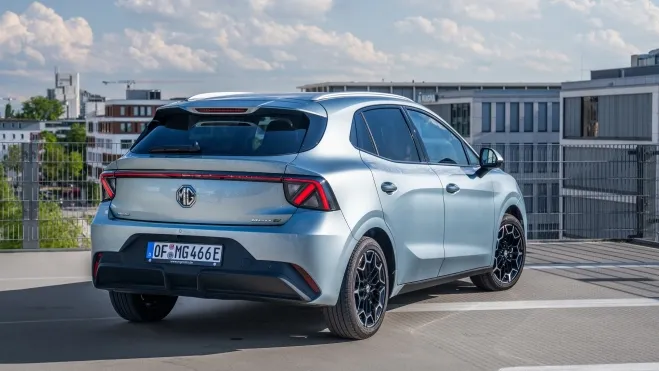
The MG2 is a B-segment car with a length of just over four meters, designed primarily for urban use. Its internal project name is ZH5EM, and it will be built on the E+ platform, the same one used in the new MG4 Urban zero-emission model, which has the internal code AH4EM. Sharing a platform with another existing model will allow SAIC to reuse some components, although the production of the MG2 will still require numerous specific parts of its own.
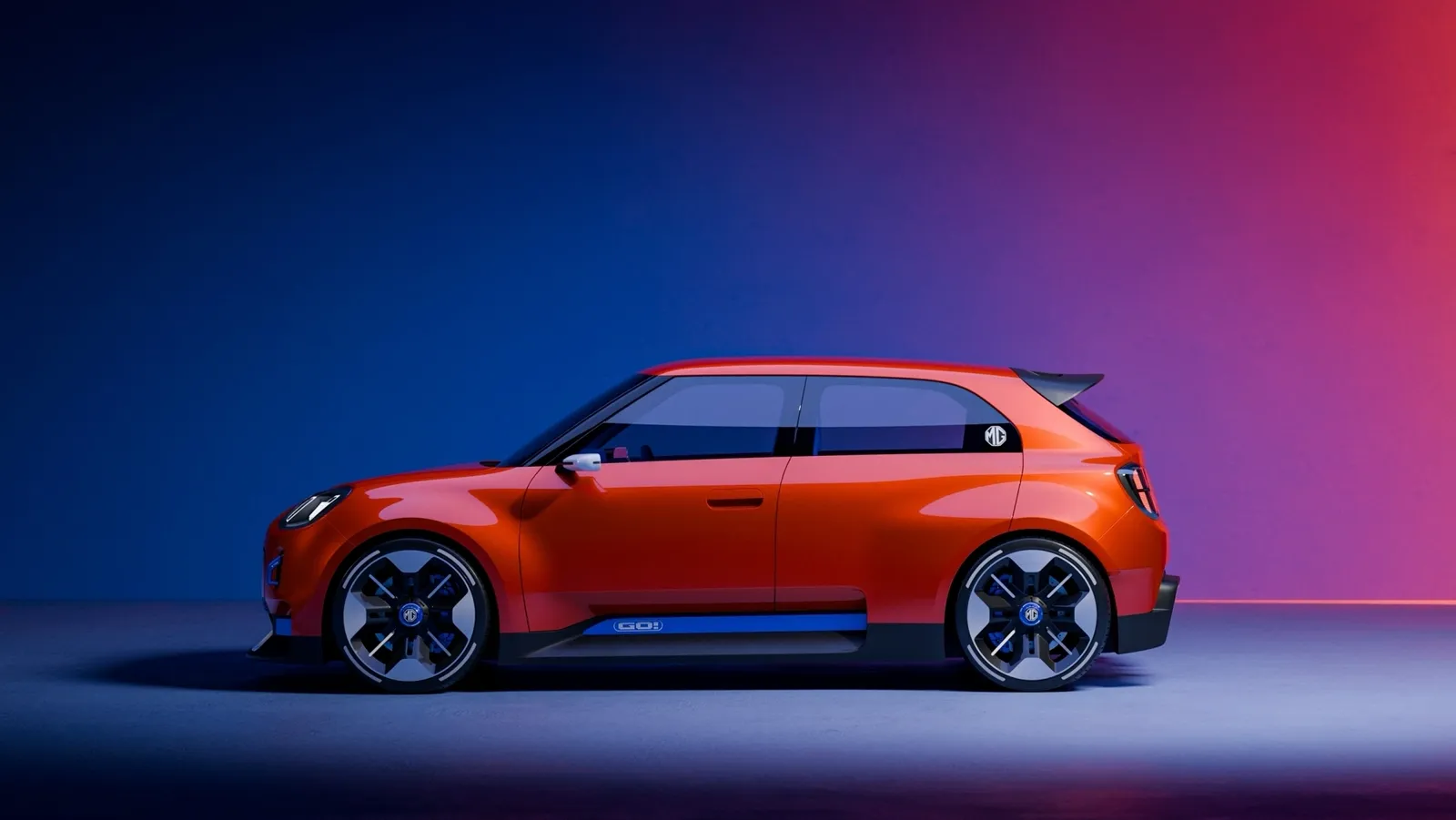
The new model will be based on the MG GO! prototype, unveiled by the brand at the 2026 Goodwood Festival of Speed. Developed by the MG Design Center team in London under Carl Gotham’s leadership, this concept features a retrofuturistic aesthetic inspired by the most elegant and expressive cars of the mid-20th century, such as the MGB GT, a design element that will be retained in the final production model.
Chinese production first, Galician assembly later
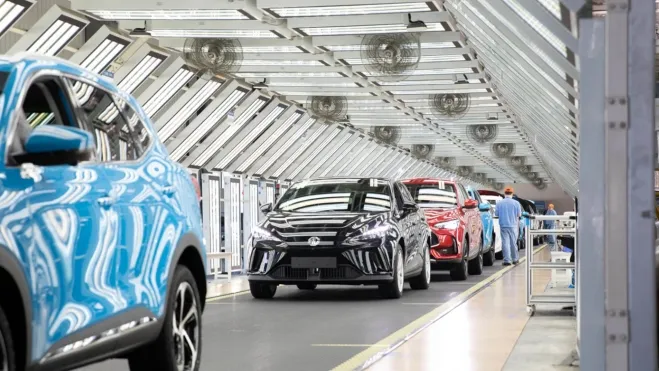
The commercial launch of the MG2 is scheduled for the second half of 2027, with initial production taking place in China, specifically at the Ningde plant in the coastal province of Fujian. This factory, into which SAIC invested around $702 million and has an annual capacity of 240,000 units, began mass production for MG in September 2019 after about 17 months of construction, focusing primarily on exports.
In the meantime, the industrialization of the MG2 in Ferrol will not begin until late 2028, when the Galician plant starts receiving the CKD kits from the Chinese factory, as it will not carry out welding or painting of the body panels in its initial phase—these panels will arrive already painted from the source.
An investment of nearly 197 million euros and a thousand direct jobs
The initial investment planned for MG Ferrol amounts to 196.94 million euros, of which 121 million is allocated to civil works, covering an area of 100,541.06 square meters. In this first phase, which will be carried out over 18 months starting from 2028, the plant will require 1,000 direct employees, distributed among 540 production positions and 460 in logistics operations. An additional 1,000 indirect jobs will be created, with 300 of them located in the As Pontes complex. There will also be an average of 372 workers per month during the construction phase itself, bringing the total workforce required to 2,000 people.
Although the manufacturing capacity of the Ferrol plant is up to 120,000 vehicles per year, the MG2 project currently plans for around 73,000 units annually, meaning a second model would need to be introduced to utilize the full installed capacity. This could be any of the 30 new models the brand will launch over the next 4 years. Once this initial phase is completed, the second stage of the project will proceed over 16 months starting in 2031. According to plans announced by the Xunta, welding and painting operations will be introduced gradually over time.
Source: Tribuna de la automoción