
700 km of range, 800 V voltage, and over 300 kW charging power: the new Mercedes A-Class aims to make a splash in the market
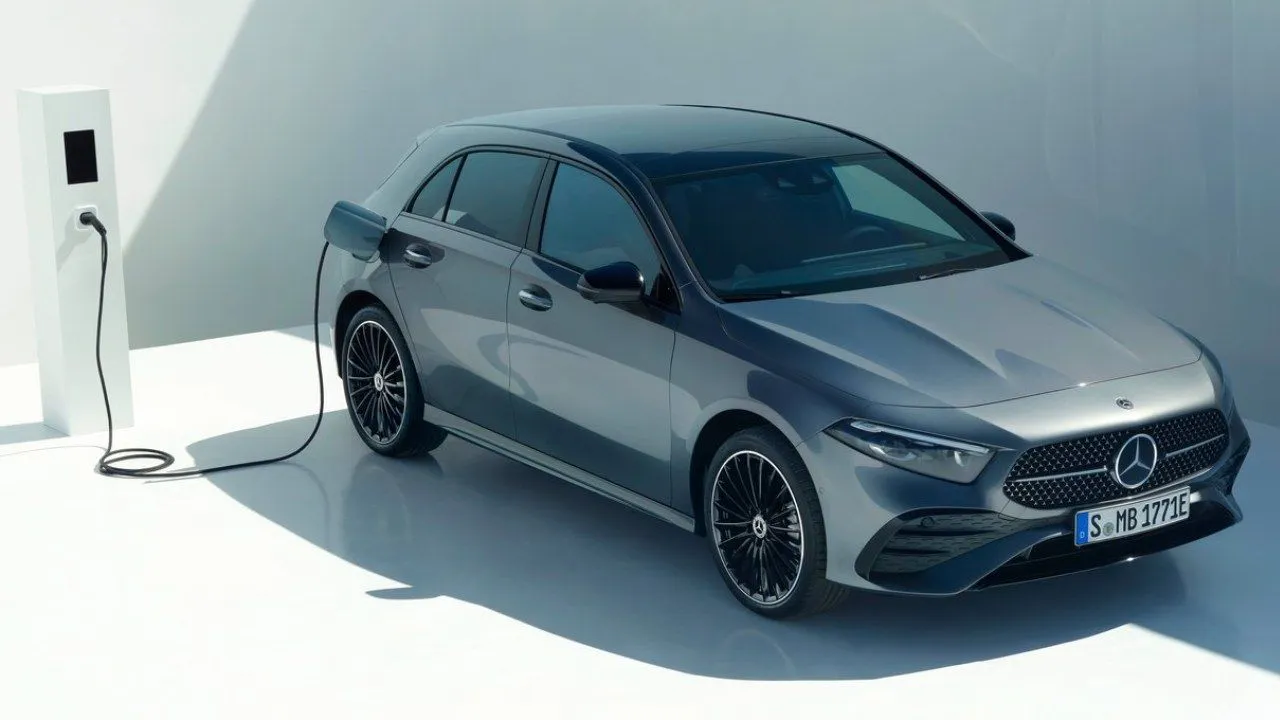
Mercedes-Benz has decided to reverse one of the seemingly clearest decisions in its new strategy. The A-Class will not disappear and will receive a fifth generation slated for 2028, using the MMA platform introduced with the new CLA. The major news for those who have long been waiting for an electric compact from this brand is precisely this electric version, which is expected to sit below the CLA and compete with models like the future Audi A2 e-tron.
This decision makes quite sense. The current A-Class, which will grow to around 4.5 meters in length, still fills a niche that the CLA, at 4.73 meters long, does not truly cover. Additionally, Mercedes-Benz needs to maintain a presence in the premium compact segment, where the BMW Series 1 and Audi A3 also remain strong competitors.
Although we are still talking about a model that won’t reach dealerships until 2028 and many of its features have not been confirmed by Mercedes-Benz, quite interesting details are already starting to emerge. The new electric A-Class will use the MMA platform, an architecture designed from the outset to combine different propulsion systems, which has already proven in the CLA that it can offer very high efficiency.
In the case of the electric version, the approach will be particularly interesting: an 800-volt architecture, rear-wheel drive as the standard configuration, and multiple battery options to cater to different price points and range requirements. This is a strategy very similar to one Mercedes-Benz is using in the CLA, which will ensure the new compact model stays competitive against the latest generations of electric cars coming from Europe and China.
An electric Class A with up to 85 kWh and ultra-fast charging
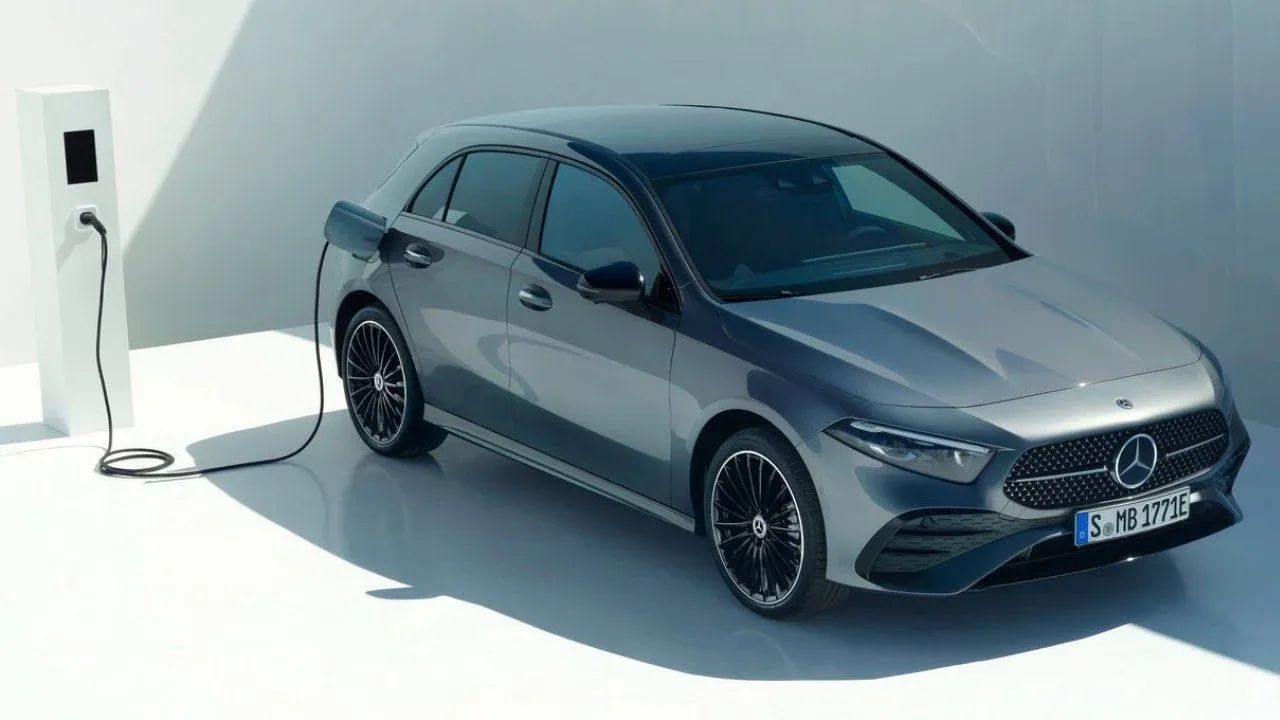
In the exterior segment, early reports suggest a larger Class A than the current model. The vehicle could reach around 4.50 meters in length, with significantly more interior space thanks to the MMA platform. The current reference model is the CLA, whose architecture features an axle distance of 2.79 meters. Mercedes-Benz aims to leverage this increased size to offer more interior space without abandoning the compact body style that has always defined the Class A.
The design should also represent a significant evolution from the current model. Early renderings suggest a bolder front end, featuring some of the visual elements we’ve already seen on the electric CLA, adapted for a shorter and more practical body style. Inside, we can expect an advancement in the philosophy introduced by the new MMA models, with advanced technology, large screens, and MB.OS as key elements of the in-car experience.
But it will be the electrical system that truly makes a difference. Available information suggests a range of batteries with capacities of 58, 71, and 85 kWh, allowing Mercedes-Benz to offer everything from a more affordable option to a version designed for long trips with greater comfort. The 58 kWh battery might use LFP technology, while the higher-capacity version would employ NMC chemistry, following the strategy used for other models based on MMA.
The entry-level version would feature a single electric motor located in the rear axle, with power estimated at around 224 HP. Higher trims would come with two motors and all-wheel drive, potentially delivering approximately 354 HP. These figures are still subject to change, but they align with the range Mercedes-Benz is developing based on the MMA architecture and the technology already used in the electric CLA.
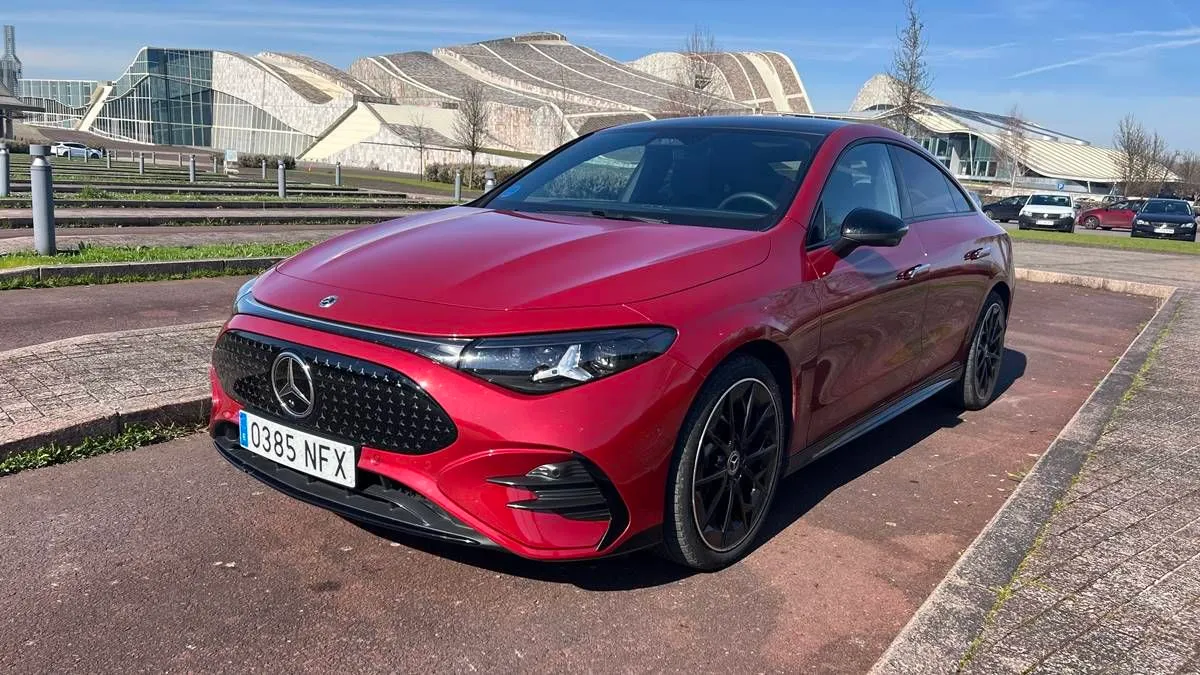
The truly remarkable aspect will be its charging capability. The new electric Classe A will feature an 800-volt system, a feature that allows it to use high-power fast chargers and significantly reduce the time needed to restore its range. The electric CLA already achieves up to 320 kW of DC power and can regain up to 325 kilometers of WLTP range in just 10 minutes, so the Classe A will have a very clear benchmark within its own brand lineup.
According to current information, the smaller battery could handle up to 200 kW of DC power, while the medium-sized one would reach around 250 kW. The 85 kWh battery is set to place the A-Class at the top of the range, with a charging capacity exceeding 300 kW. These are not yet official figures for the future compact model, but they show just how much Mercedes-Benz wants to leverage the MMA platform.
And there’s an important detail: the new A-Class won’t start from scratch. Mercedes-Benz has already proven with the electric CLA that this architecture can combine an 85 kWh battery with long range and extremely fast charging. The CLA 250+ achieves up to 792 kilometers of WLTP range in its most favorable configuration and can recover up to 325 kilometers of range in 10 minutes.
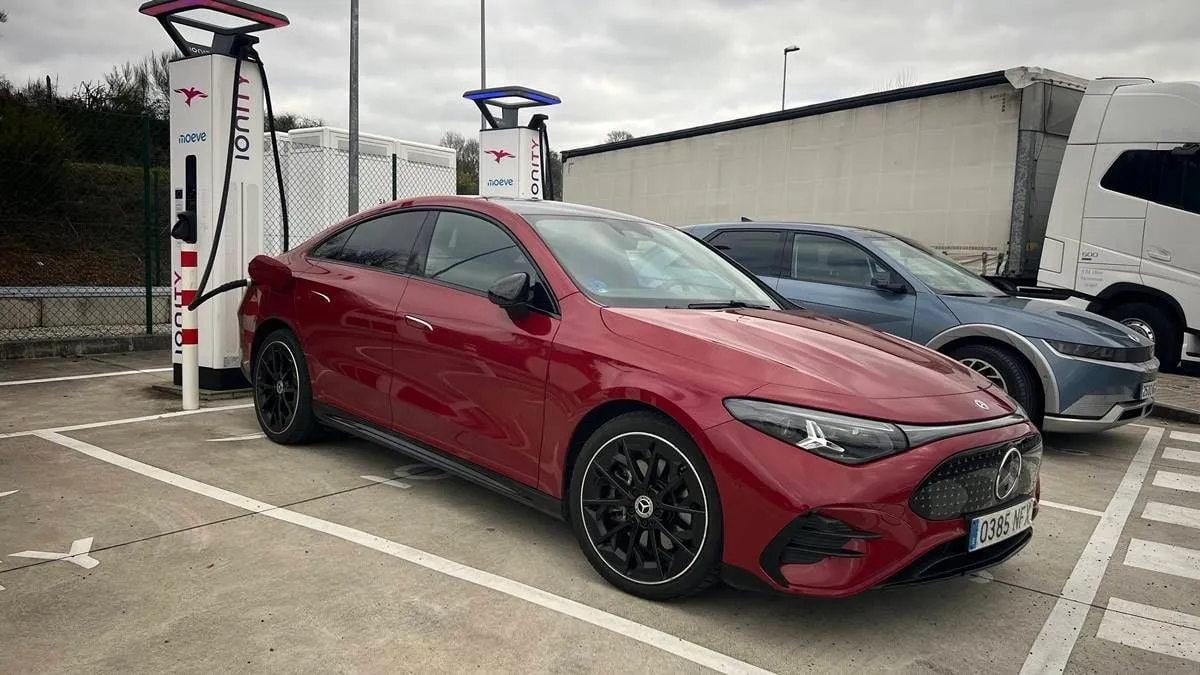
Therefore, although no final figure can yet be assigned to the range of the future A-Class, the version with an 85 kWh battery should achieve around 700 kilometers of WLTP range, and this figure could even increase further if Mercedes manages to transfer the efficiency of the CLA to this compact vehicle. However, its expected poorer aerodynamics will work against it.
And there’s more. Mercedes-AMG has already demonstrated with the new Mercedes-AMG CLA 45 4MATIC+ that the MMA platform can handle truly impressive performance levels. This model uses three axial flux electric motors—two at the back and one at the front—to deliver 500 kW, equivalent to 680 horsepower, along with an 800-volt architecture and a 94 kWh battery.
The future AMG Class A could leverage some of this technology to become the electric successor to the current AMG A 45 S. There is no official confirmation of this version yet, but if Mercedes decides to continue the tradition of offering a high-performance Class A, it appears they will have enough advantages to make it one of the most radical electric compact cars on the market.
What is clear is that Mercedes-Benz does not want the new Class A to be merely a smaller CLA. The goal is to use the compact format to deliver a more practical and affordable model, equipped with top-tier electric technology, a modern platform, and a charging capacity that was previously reserved for cars in higher segments.
The move also makes considerable commercial sense. The new CLA already occupies the lower end of the Mercedes-Benz range with a highly advanced electric offering, while the future Class A will allow the brand to compete directly again for customers seeking a premium compact vehicle without having to opt for a sedan nearly 4.75 meters long. If predictions hold, by 2028 we will have an electric Class A that is much more technologically advanced than the current model and, most importantly, equipped with sufficient advantages to compete against a new generation of electric rivals.