
700 electric buses delivered, two fires and a fleet grounded… Bolloré closes the Bluebus chapter
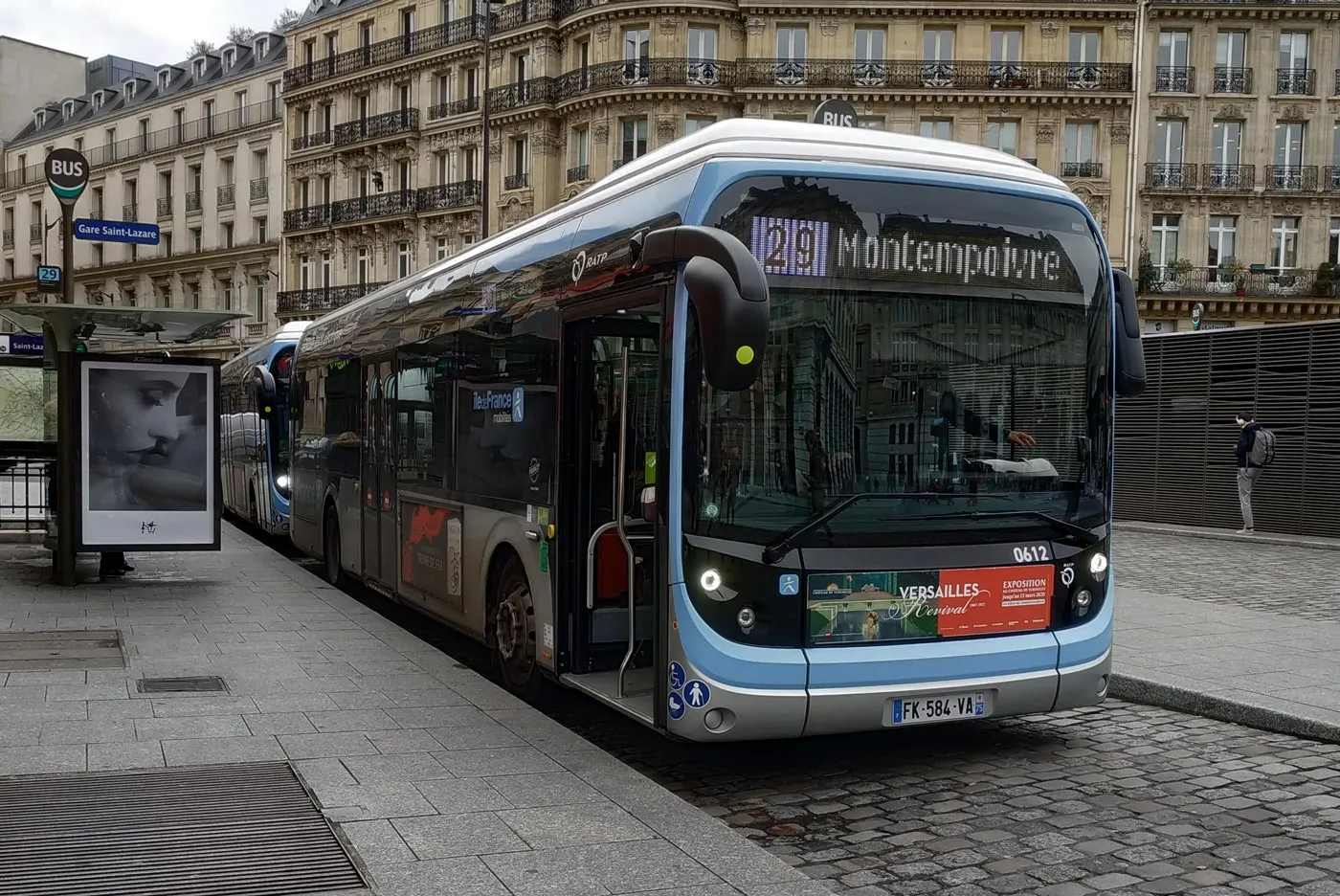
After 15 years of industrial activity, Bolloré has stopped producing its Bluebus electric buses. Nearly 700 units were delivered, but the manufacturer never reached the desired critical mass. Two fires that occurred in Paris in 2022 and the widespread downtime of RATP vehicles also marked a turning point in the model’s history.
This marks the end of an industrial venture launched in Brittany in 2011. Bolloré has decided to cease production of Bluebus, its subsidiary specializing in electric buses. This decision carries significant consequences for a brand that was originally intended to showcase one of the group’s most strategic technologies: the lithium-metal polymer battery (LMP) developed by Blue Solutions.
In total, nearly 700 Bluebus buses were delivered to around sixty public transportation operators, almost all in France. This represents a substantial volume for an independent manufacturer, but it is not enough to sustainably compete with the industry’s major players. Bolloré cites exactly this lack of scale as the reason for shutting down the operation. The decision results in the elimination of 74 jobs.
Two Fires That Deeply Affected Bluebus
The announcement stating the end of production obviously does not mention them. Yet, two incidents severely damaged the reputation of Bolloré’s electric buses. In spring 2022, two electric buses of this brand caught fire just one month apart on Paris’s RATP network. Faced with the risk, the transit operator immediately halted the 149 Bluebus buses in service at that time. It was not until 2024, as the Paris Olympics approached, that the fleet began to resume service gradually.
Investigations eventually identified the cause of the fires: short circuits caused by poorly installed insulation inside the batteries.
The incident was clearly a major setback for Bluebus. But it also directly affected Blue Solutions, the sister company responsible for designing and manufacturing the batteries used in buses.
Also read
Vans, trucks, electric buses: strong sales growth in Europe in the first half of 2026
A very special battery at the heart of Bolloré’s strategy
Bluebus was not just a manufacturer of electric buses. The vehicle also served as a showcase for the lithium metal polymer, or LMP, battery technology on which Bolloré has been working for over twenty-five years. This solid electrolyte technology was precisely one of the key differentiators of the bus.
Before the Bluebus, Bolloré had already attempted to introduce this battery technology in automobiles. Equipped with a 30 kWh LMP battery, the Bolloré Bluecar served as a real-world showcase, particularly through Paris’s Autolib’ service. Its production was however halted in 2018, with electric buses gradually taking over.
Bolloré had high ambitions for its electric buses. In 2016, the company opened a factory in Ergué-Gabéric near Quimper dedicated to producing its 12-meter electric bus. The investment for this single model amounted to 40 million euros. However, sales volumes never allowed the manufacturer to scale up production significantly. As early as 2023, we reported that sales of the Bluebus and Mercedes eCitaro models equipped with LMP batteries were no longer sufficient to keep Blue Solutions’ factories operating.
By that time, Bolloré had already invested around three billion euros over twenty-five years in this technology.
A promising battery, but highly demanding
The LMP technology has one significant drawback: this “hot” battery must be kept above 60 degrees Celsius to function properly. This thermal constraint greatly limited its suitability for passenger cars, especially when vehicles remain stationary for long periods. Buses, which operate intensively on fixed schedules, seemed to offer a much more favorable application area.
The 700 Bluebus already delivered will not disappear
Attention: the end of production does not mean the immediate disappearance of Bluebus vehicles currently in use. Bolloré plans to retain a small team responsible for maintaining the roughly 700 vehicles already delivered. Another part of the business is also expected to survive in a new form. Bluebus’s research and development division, which employs seventeen people, must be sold to a European company specializing in public transportation. According to the group, this deal is nearly finalized.