
7 out of 10 cars: KIA sells so many electric vehicles in this European country that the factories can’t keep up
03/09/2026 15:30
Updated to
03/09/2026 15:30
In 2025, KIA experienced its worst year since 2015 with 60,400 new registrations, and the 30,900 units registered by mid-2026 don’t seem much better at first glance. However, demand for the Korean automaker’s electric cars has risen significantly, especially after the outbreak of the Iran-Iraq conflict. “Demand is substantially higher than what we expected by the end of 2025. As a result, we were unable to maintain our production pace in the first half of the year,” said Thomas Djuren, CEO of KIA Germany. Since then, the brand has increased its production capacity for the German market.
After two weak years, KIA has announced a turning point in Germany, as reflected in recent registration figures. Demand for electric cars has exceeded the company’s own projections. “We’re not satisfied with the past two years, but we are with the current fiscal year. We will achieve the change by 2026,” Djuren said in an interview. The fact that this has barely shown up in statistics so far is because, as we’ve already mentioned, production couldn’t keep up with the rising demand.
70% of registrations are for electric cars
The transformation KIA has undergone in Germany is such that its backlog of pending orders is now three times higher than during the same period last year, with a large proportion of these orders related to electric vehicles. Around 70% of all new orders are currently for battery-powered electric models, a figure significantly higher than the initially projected 40%. KIA expects 70,000 new registrations by the end of the year, with an electric vehicle market share exceeding 50%.
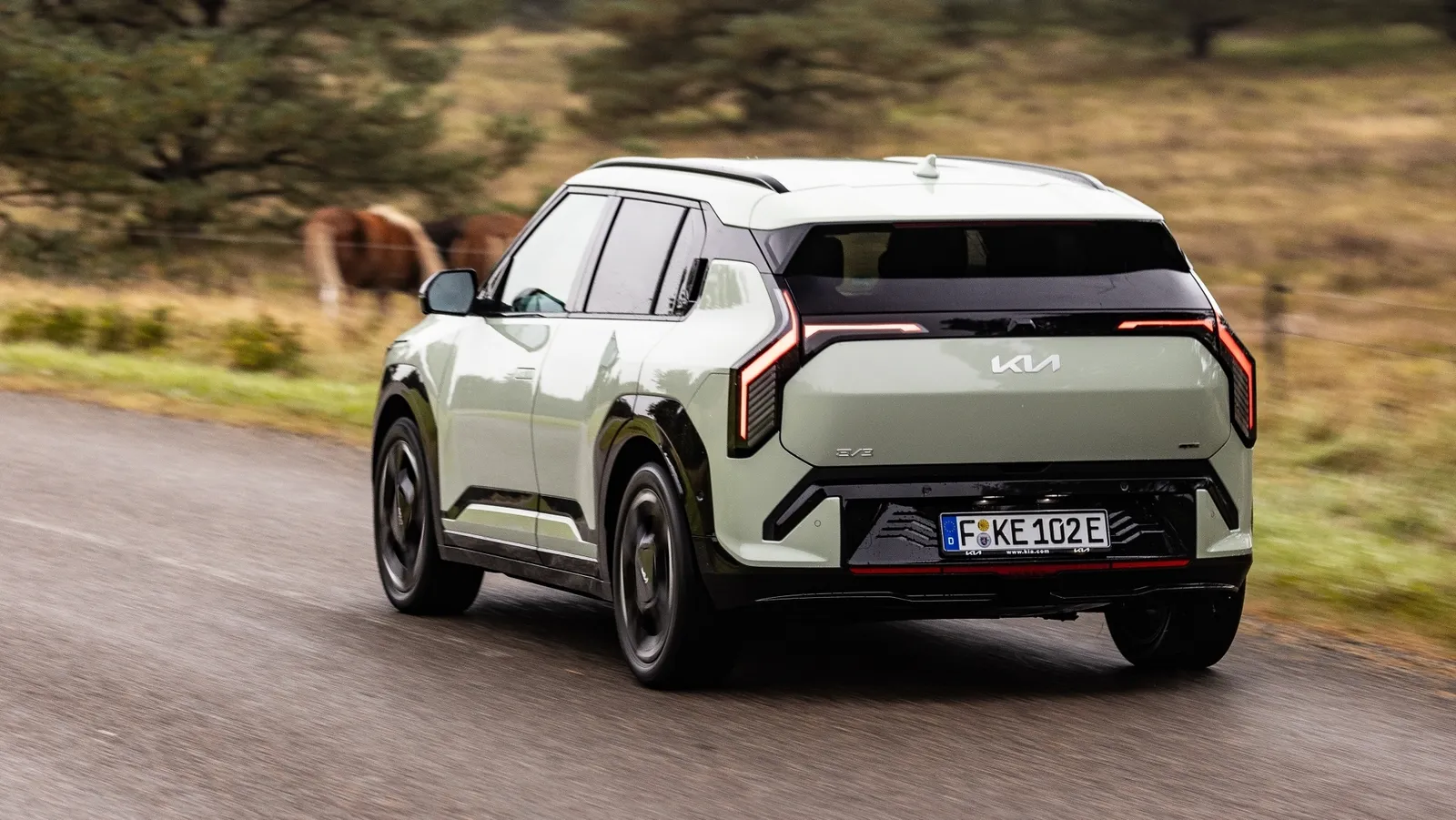
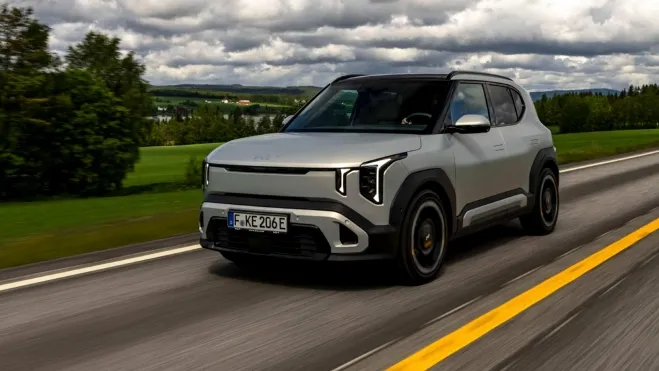
By the end of July, the sector’s average was just over a quarter, and among Germany’s 20 largest brands, only Tesla had an electric vehicle market share higher than that of the Korean companies. This gap is likely to widen further by year’s end. The best-selling model currently is the KIA EV3, followed by the slightly smaller KIA EV2. “However, we expect it to be soon replaced by the EV2, which was launched in March,” says Djuren. The Sportage, with a combustion engine, ranks third. Buyers praise KIA’s well-balanced range, offering reasonable prices and solid performance.
Projections and Future Growth
By 2030, KIA aims to raise the share of electric vehicles in the German market to nearly 70% while simultaneously increasing sales significantly. “We want to sell 100,000 cars in Germany by 2030,” said Djuren. This announcement comes at a time when Korean brands, more than almost any other group of manufacturers, are facing pressure from their Chinese competitors.
A study conducted by the German Association of the Automotive Industry (DAT) shows that nearly half of owners of Korean brands are considering buying a Chinese-brand car, with one-fifth considering it without hesitation. These figures are significantly lower for German and even Japanese brands. A market data analysis by Dataforce reinforces this trend: former drivers of KIA and Hyundai are already overrepresented among new customers of BYD and MG.
Kia is defying pressure from China.
Djuren remains unfazed. “Of course, we’re also concerned about the new Chinese competitors, but we enter the competition with confidence,” he says. He cites product quality, a well-established dealer network, and production in Europe as key factors, although more and more Chinese brands are seeking to manufacture in Europe, with BYD being the first. He adds that many new competitors achieve growth through heavy discounts. “From our perspective, that’s not a viable strategy. It’s only a matter of time before we see how long they can sustain it financially,” declares Djuren. He also notes that many new competitors are registering vehicles through low-margin tactical channels, such as rental companies or car subscription services.
Source: Automobilwoche