
500,000 km of service life and half the operating costs of a diesel vehicle: Volkswagen outlines the advantages of electric vans
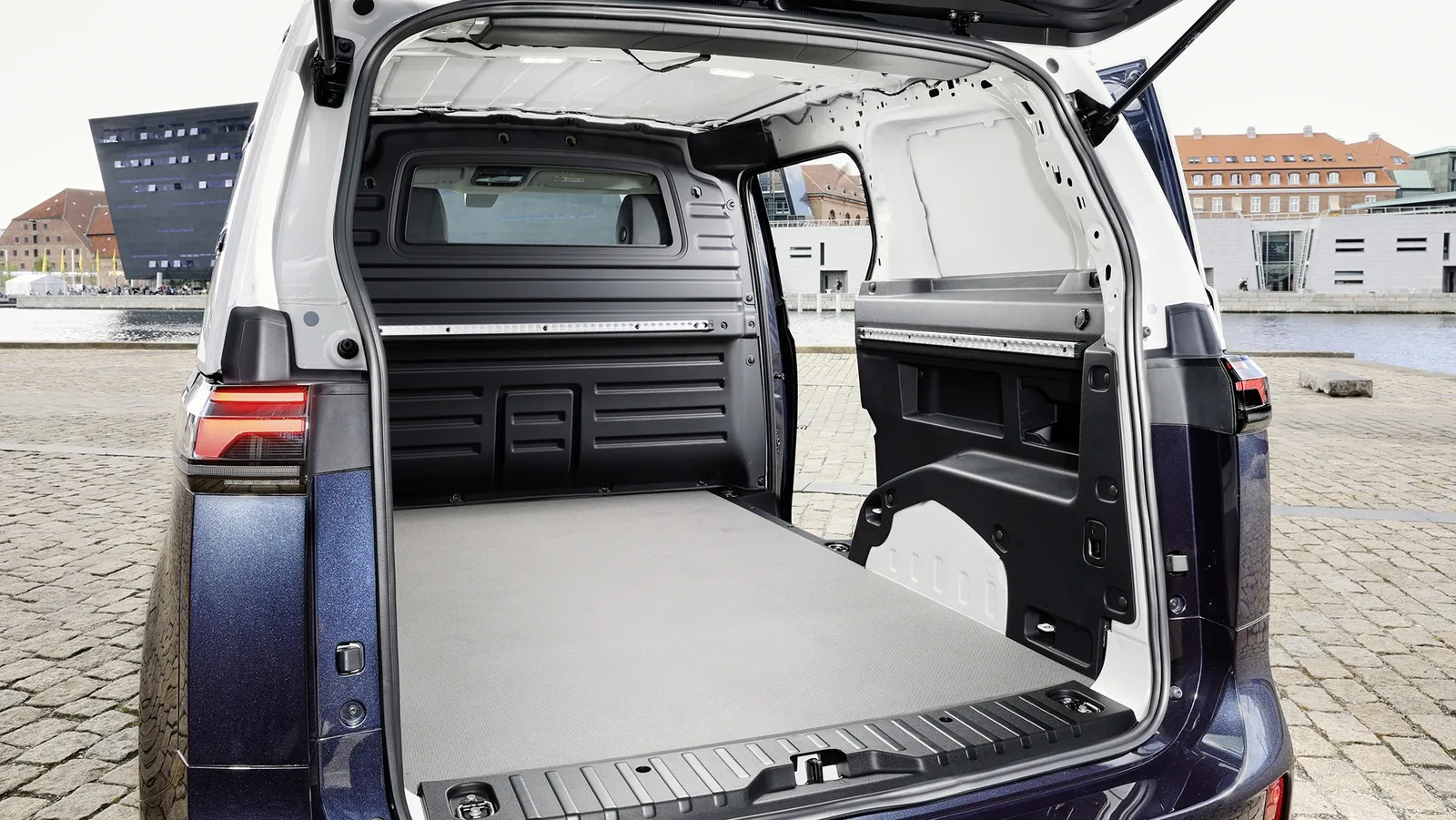
Electric vans are beginning to show that their main advantage doesn’t have to lie solely in reduced emissions but also in saving money for those who use them. Volkswagen Commercial Vehicles claims that its electric models can now operate at operating costs that are approximately half of those of their diesel equivalents. This difference is especially significant for businesses and professionals who travel thousands of kilometers each year.
This is what Stefan Mecha, CEO of Volkswagen Commercial Vehicles, explained during an event held on the occasion of the E4 Testival. He believes the electrification of commercial vehicles is progressing faster than he expected just a year ago. The figures available to the company seem to support this optimism, as around 30% of its sold vehicles already come equipped with some form of electrification.
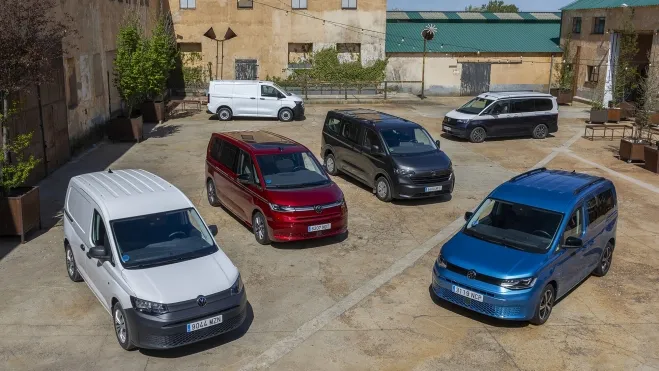
Volkswagen claims its electric vans operate at half the cost
The main economic advantage of electric vans lies in their operating costs. According to Stefan Mecha, these vehicles can already operate at half the cost of using a combustion engine alternative. He attributes this difference to the evolution of battery and electricity prices compared to the cost of traditional fuels.
However, it is important to distinguish between operating costs and the total cost of ownership, known as TCO. The latter also includes factors such as purchase price, maintenance, depreciation, and charging infrastructure. Volkswagen has not provided a breakdown showing under what specific conditions this 50% savings is achieved.
For a delivery company, freelancer, or fleet of commercial vehicles, these differences can be decisive. The more kilometers a van travels, the more significant the energy costs become. Additionally, the ability to charge vehicles at a company’s own facilities allows for organizing their use according to the needs of each day’s work.
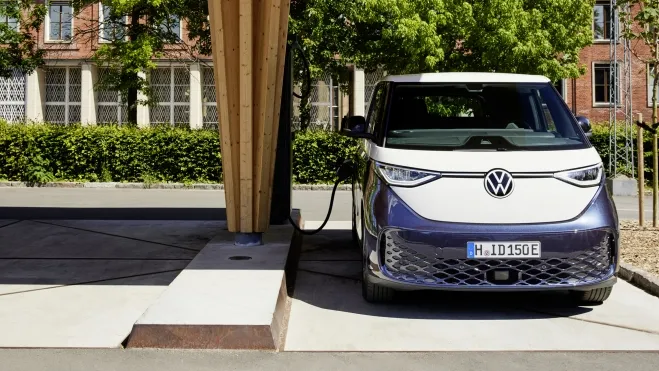
From 30% at Volkswagen to 80% in Norway and the Netherlands
The electrification figures also show significant differences between markets. Currently, about 30% of the vehicles sold by Volkswagen Commercial Vehicles are electrified. This percentage includes various propulsion technologies, so it should not be interpreted as a share exclusive to fully electric models.
However, in countries such as Norway and the Netherlands, fully electric vans already account for between 70% and 80% of new registrations, according to figures cited by Mecha. These percentages demonstrate how much demand can change when economic and usage conditions favor this technology.
Volkswagen’s own executive admits that a year ago he expected a longer transition period. Now he believes that rising costs are accelerating the adoption of electric vehicles. Nevertheless, he acknowledges that larger vans, such as the Volkswagen Crafter, and certain professional applications will need more time to complete this shift.
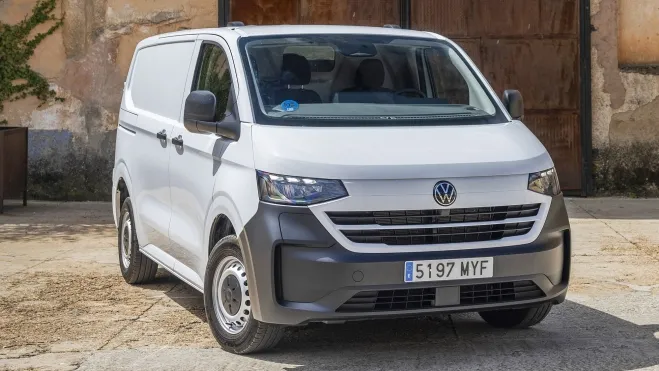
Volkswagen aims for vehicles that can cover over 500,000 kilometers
The company also links these economic advantages to the development of autonomous driving. Christian Senger, head of this technology at Volkswagen Commercial Vehicles and CEO of ADMT and MOIA, believes that electric propulsion can offer significant benefits in vehicles subjected to particularly intensive use.
Among the figures cited is an expected operational lifespan of 500,000 kilometers or more, along with high mechanical reliability. According to Senger, the lower complexity of electrical systems can help reduce breakdowns and downtime, which is crucial for transportation services that need to keep their vehicles running for many hours.
Volkswagen is also considering a significant change in the use of cars. Currently, its average usage rate is around 4%, but the development of shared autonomous services could raise it to 20 or 25%. This would mean increasing the time a vehicle is actually in use by five or even six times.
In summary, Volkswagen envisions a scenario where electric vans not only cost less per kilometer but can also be utilized for longer periods. The 50% savings announced by Mecha is an estimate by the company, but registration fees of 70 to 80% in certain markets indicate that the electrification of commercial transportation is already well advanced in some European countries.