
440.293 deliveries in 31 days: BYD overtakes rivals and records its best month of the year with its new energy vehicles
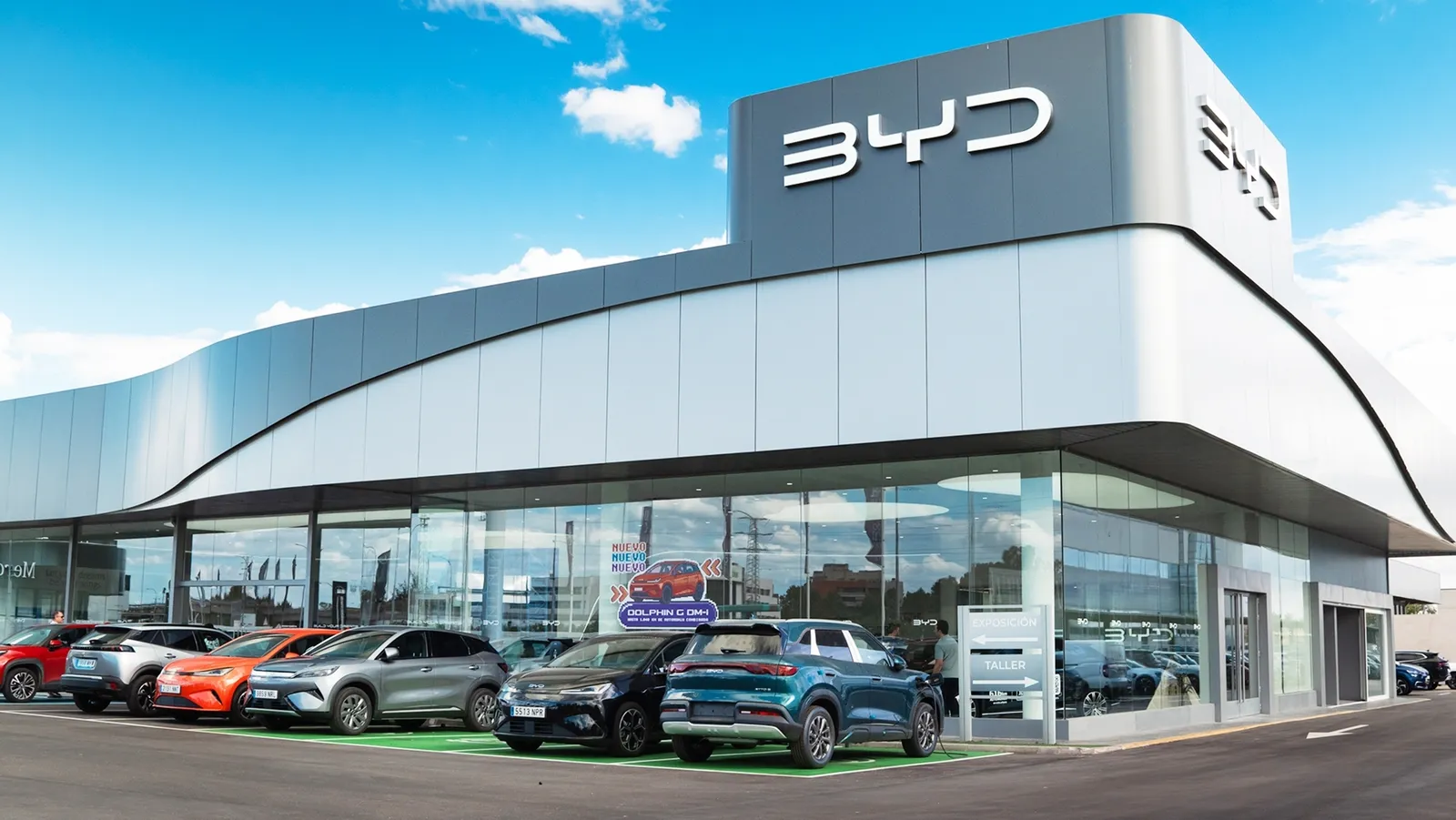
It’s official. BYD closed August with 440,293 new energy vehicles sold worldwide, its best monthly result so far in 2026. This figure represents a 17.84% increase compared to August 2025 and a 5.03% rise from July, when it sold 419,211 units. Additionally, it marks the fourth consecutive month of year-over-year sales growth, confirming a recovery after a challenging start to the year.
However, behind such growth lies an increasingly widening gap between China and the rest of the world. BYD sold 189,466 vehicles outside its domestic market in August, setting a new record with year-on-year growth of 134.45%. In China, sales reached 250,827 units, up 5.09% from July but still 14.34% lower than a year earlier. International sales thus accounted for 43.03% of BYD’s total monthly volume.

Electric cars see 28.38% growth
Of the 440,293 vehicles sold by BYD in August, 433,384 were electric passenger cars, representing a 16.66% year-on-year increase and a 5.43% rise from July. The remaining 6,909 were commercial vehicles, a category that saw a growth of 225.13% compared to August 2025, although it declined by 15.11% from the previous month.
It is also particularly interesting to observe what is happening with electric and plug-in hybrid vehicles. BYD sold 256,230 all-electric passenger cars, setting a new record high and representing a 28.38% increase from last year. Compared to July, when it sold 233,105 units, the growth was 9.92%. Electric vehicles thus accounted for 59.1% of its electric passenger car sales, up from 53.7% a year earlier.
Plug-in hybrids are progressing much more slowly. BYD sold 177,154 units in August, an increase of just 3.05% year-on-year and a decrease of 0.46% compared to July. This trend confirms that the manufacturer’s recent growth is primarily coming from its fully electric vehicles, especially in international markets.
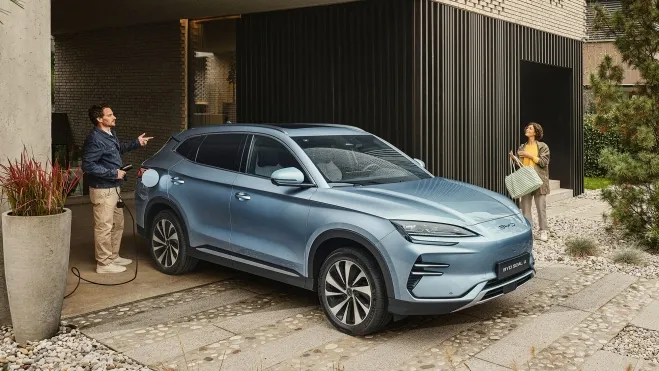
BYD already sells 43.56% of its cars outside China
The cumulative figures through August show this change even more clearly. BYD sold 2,668,015 new energy vehicles from January to August, 6.84% less than during the same period in 2025. The decline remains significant, though it has decreased considerably from the 15.72% recorded at the end of the first half of the year.
Outside China, however, its sales increased by 85.72% to reach 1,162,260 units in the first eight months of the year. These already account for 43.56% of its total global volume. In the Chinese market, the situation is exactly the opposite: the 1,505,755 units sold represent a year-on-year drop of 32.72%.
International expansion is thus helping to offset much of the weakness BYD continues to face in its domestic market. The contrast is striking: during August, its international sales grew by 134.45%, while domestic sales declined by 14.34%.
Two consecutive records, but still below 2025 levels
BYD attributed some of its problems in the first months of the year to the transition between the first and second generation of its ‘Blade Battery’. The new battery, designed to support its ultra-fast charging technology, reportedly caused temporarily longer delivery times for some of its flagship models.
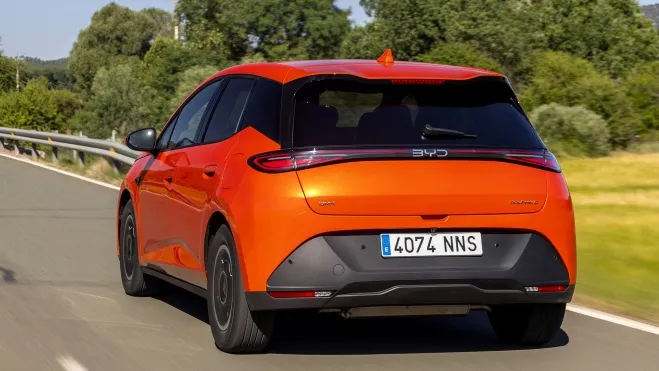
The increase in production capacity is gradually helping to reverse this situation. July, with 419,211 vehicles, was the best month of the year so far, and August has once again raised the figure to 440,293 units. Nevertheless, the cumulative total of 2,668,015 units keeps BYD 6.84% below the figure from the previous year.
The pressure isn’t limited to sales either. BYD’s revenue dropped by 7.13% in the first half of the year, and its net profit declined by 20.54%, mainly due to weakness in its automotive business. The recovery seen in July and August may help improve this situation in the second half of the year.