
390 kilometers with 54 kWh: The MG4 Urban impresses in its first major test
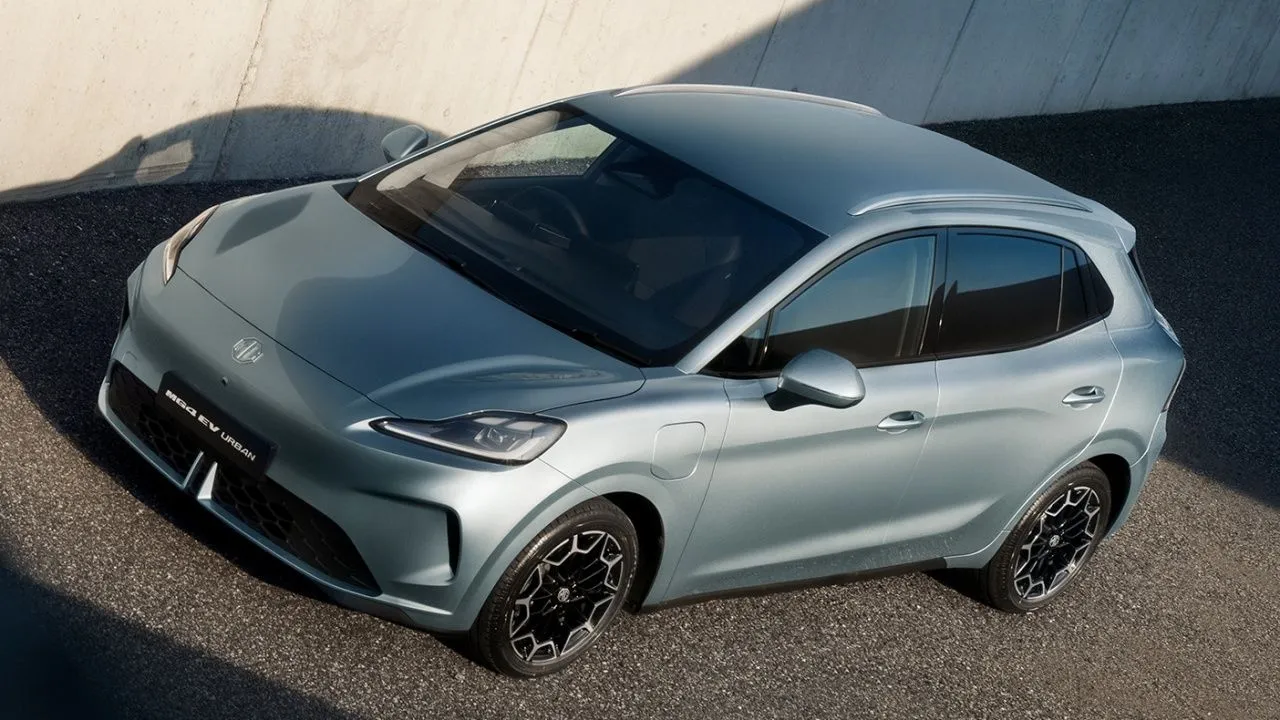
The MG4 Urban is beginning to prove on the road its main advantage—something Chinese manufacturers usually don’t emphasize much: efficiency. Early real-world tests conducted by international media have shown particularly low fuel consumption for a car of its size, and under certain conditions, an range very close to the officially rated value.
In this case, the Automobile-Propre website put the 54 kWh MG4 Urban through a range test after previously confirming that this compact vehicle could achieve truly low consumption. The results were especially impressive, with several measurements placing the MG model among the most efficient electric cars in its category.
A 54 kWh compact car that makes the most of every kilowatt hour.
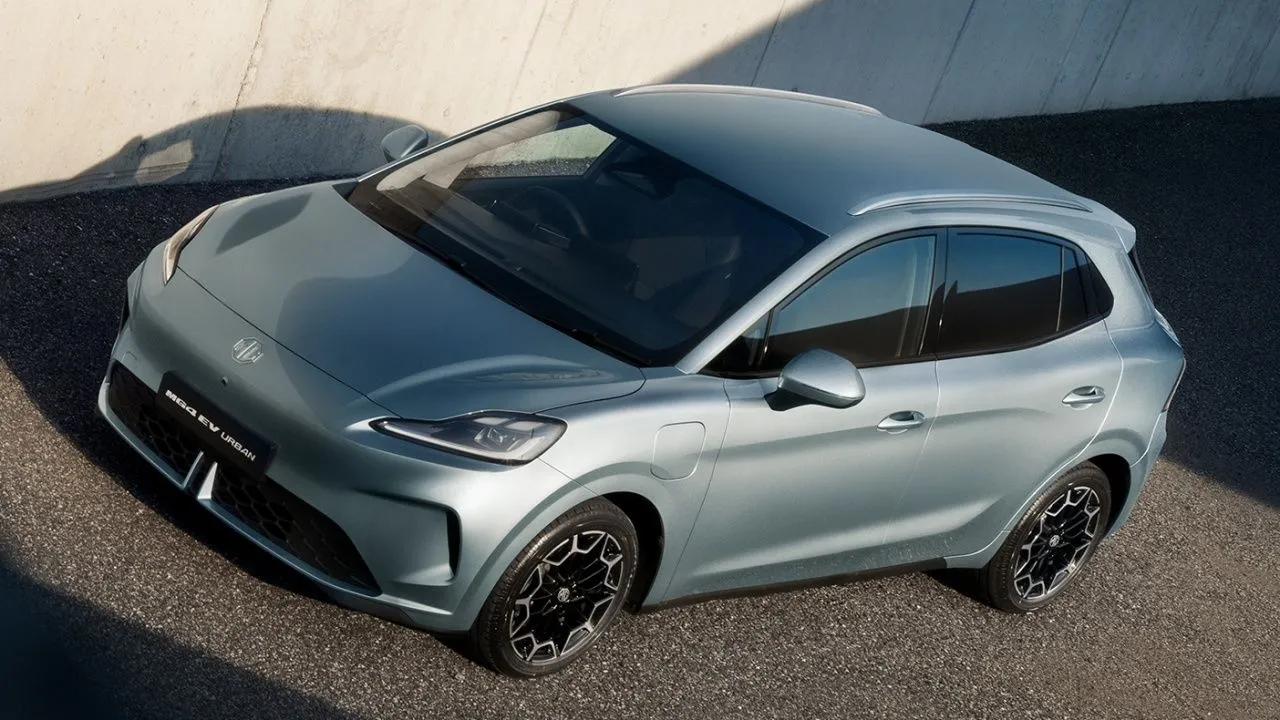
Unlike the conventional MG4, which uses the MSP platform, the MG4 Urban is built on the new E3 platform and features a completely different technical configuration. In this model, the electric motor is located at the front, an approach that allows space to be freed up in the rear area and reduces the length of internal cables by about 20% by bringing the motor and power electronics closer together.
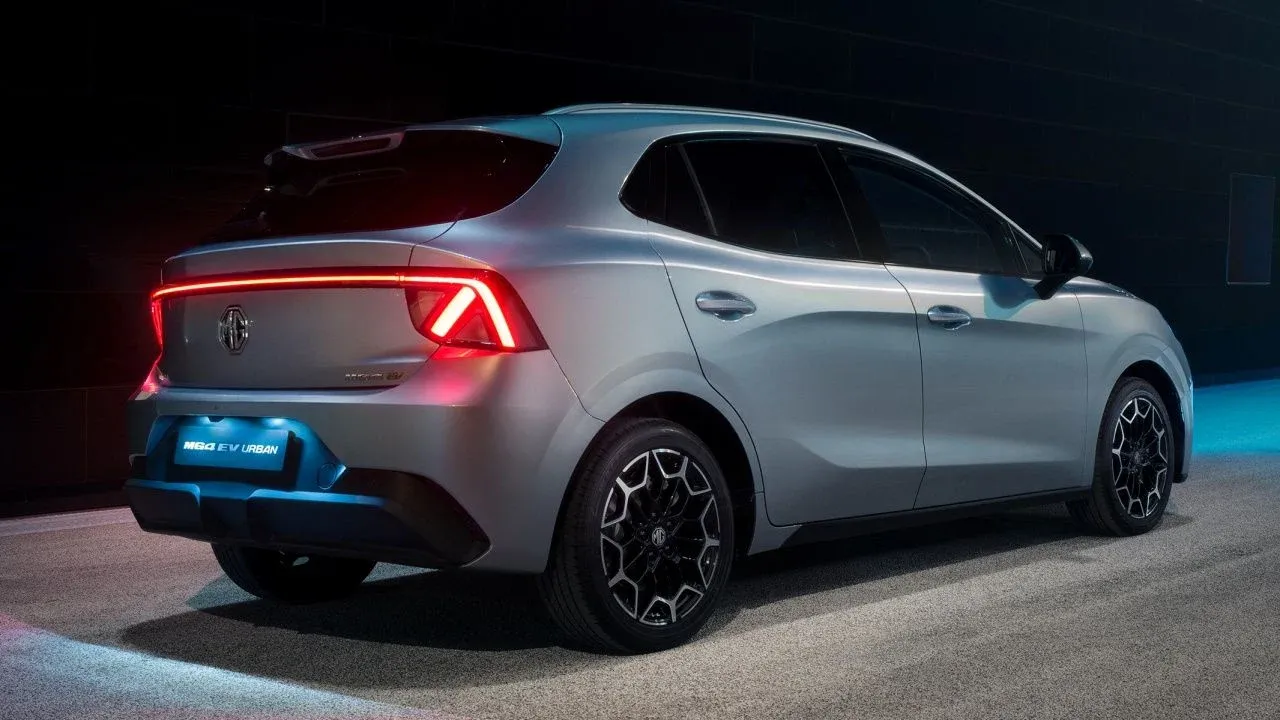
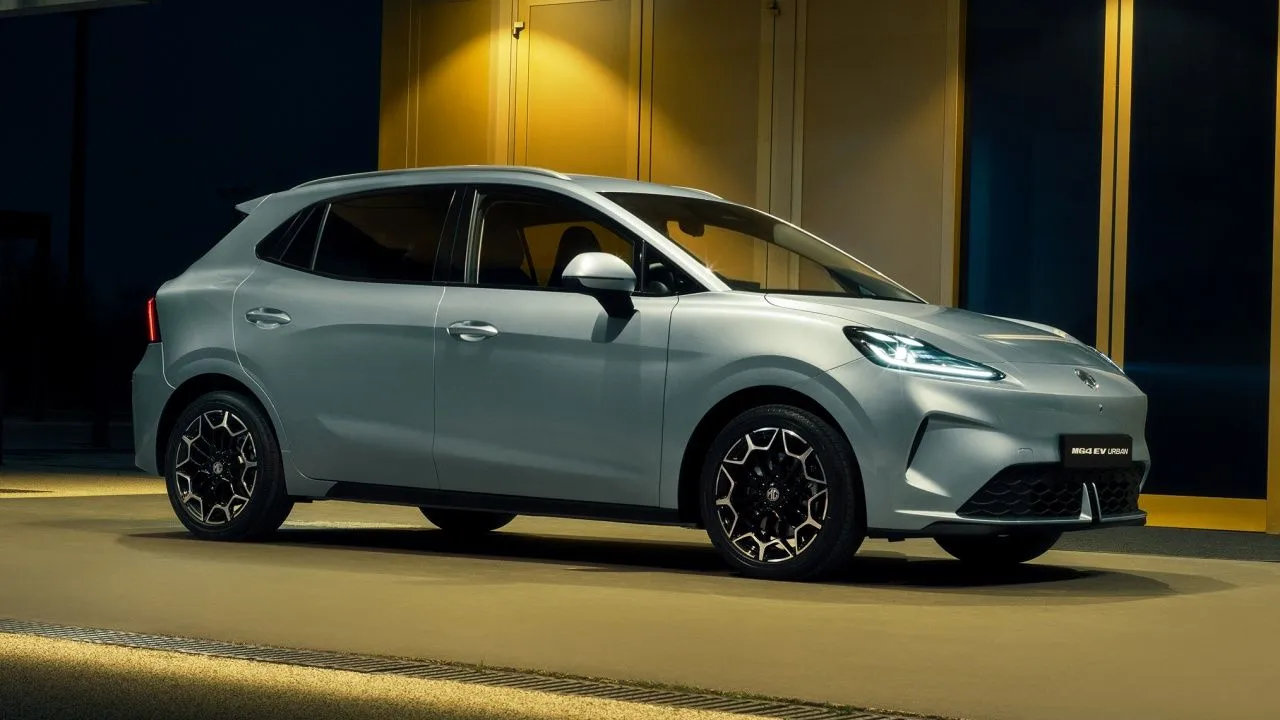
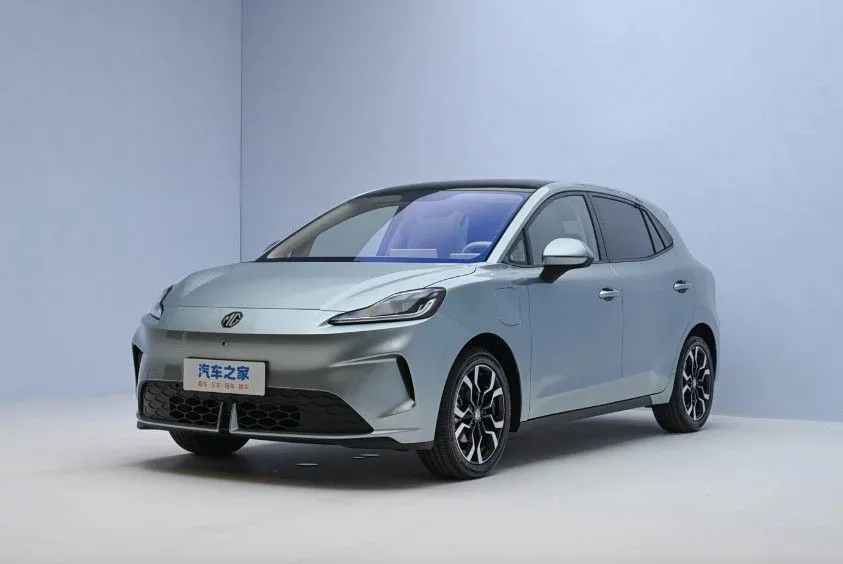
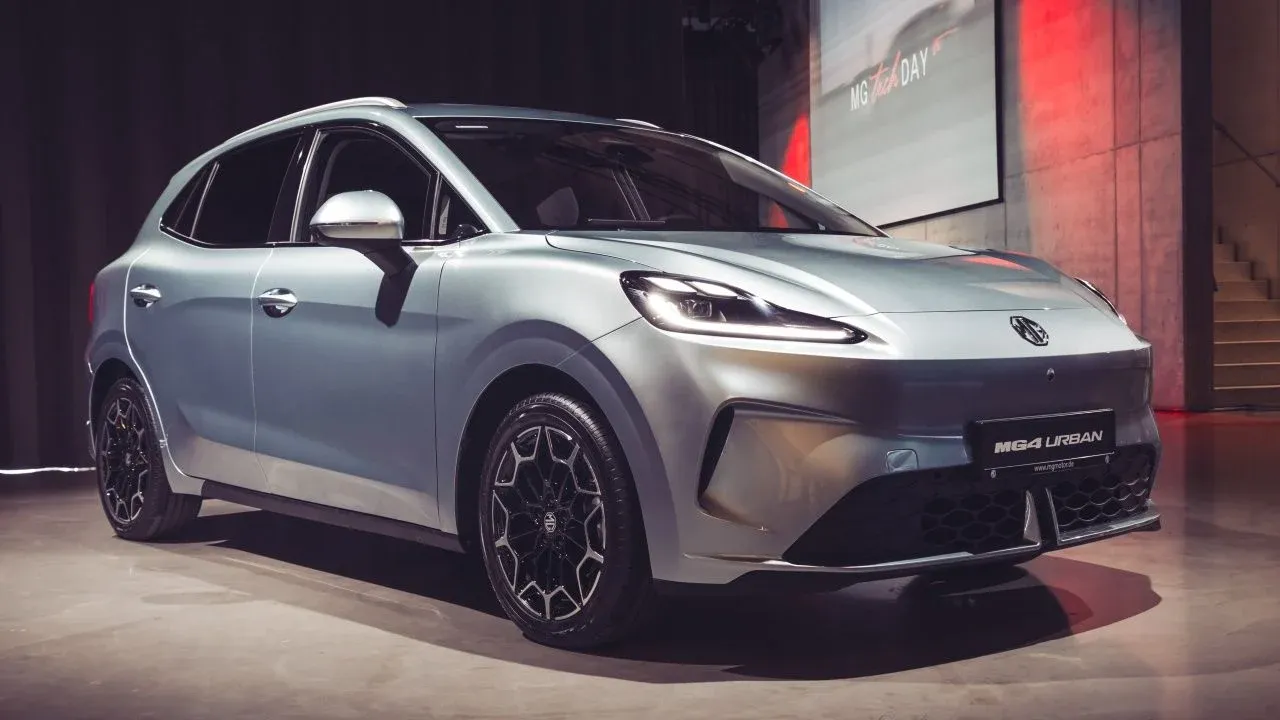
The MG4 Urban is 4.40 meters long, approximately 1.84 meters wide, and 1.55 meters high, with a wheelbase of 2,750 mm. It is thus a compact car with generous dimensions, more similar in size to models like the Peugeot e-308 or Volkswagen ID.3 than to small electric urban cars. The E3 platform also allows for efficient use of the available space inside the cabin.
In this test, the MG4 Urban Premium version with a 54 kWh battery was used, equipped with a permanent magnet synchronous electric motor that generates 118 kW (160 hp) and 250 Nm of torque. The vehicle weighs around 1,520 kilograms when fully loaded, a figure that is quite low considering the car’s dimensions and battery size.
The battery has a total capacity of 54 kWh, with 52.6 kWh being usable according to tests conducted. It is an LFP battery, a technology that helps keep costs under control, and in this case it is paired with an especially efficient propulsion system.
The MG4 Urban Premium boasts a WLTP range of 405 kilometers, with an official fuel consumption of 15.5 kWh/100 km. The Comfort version, with a 54 kWh battery and smaller tires, achieves a range of up to 416 kilometers. AC charging reaches 11 kW, while DC charging allows the vehicle to reach 87 kW, taking about 30 minutes to go from 10% to 80% charge. These figures match the technical specifications available for the MG4 Urban.
But what’s truly interesting emerges when the MG4 Urban leaves the laboratory and starts driving on roads. In the mixed route used for the Supertest, with an outdoor temperature of around 14 degrees, the car recorded a fuel consumption of 13.4 kWh/100 km.
With that consumption, the theoretical range is around 390 kilometers. In other words, there’s barely a 3.3% difference compared to the 405 kilometers WLTP figure of the tested Premium version. An exceptionally small deviation considering this was a test conducted under real-world conditions.
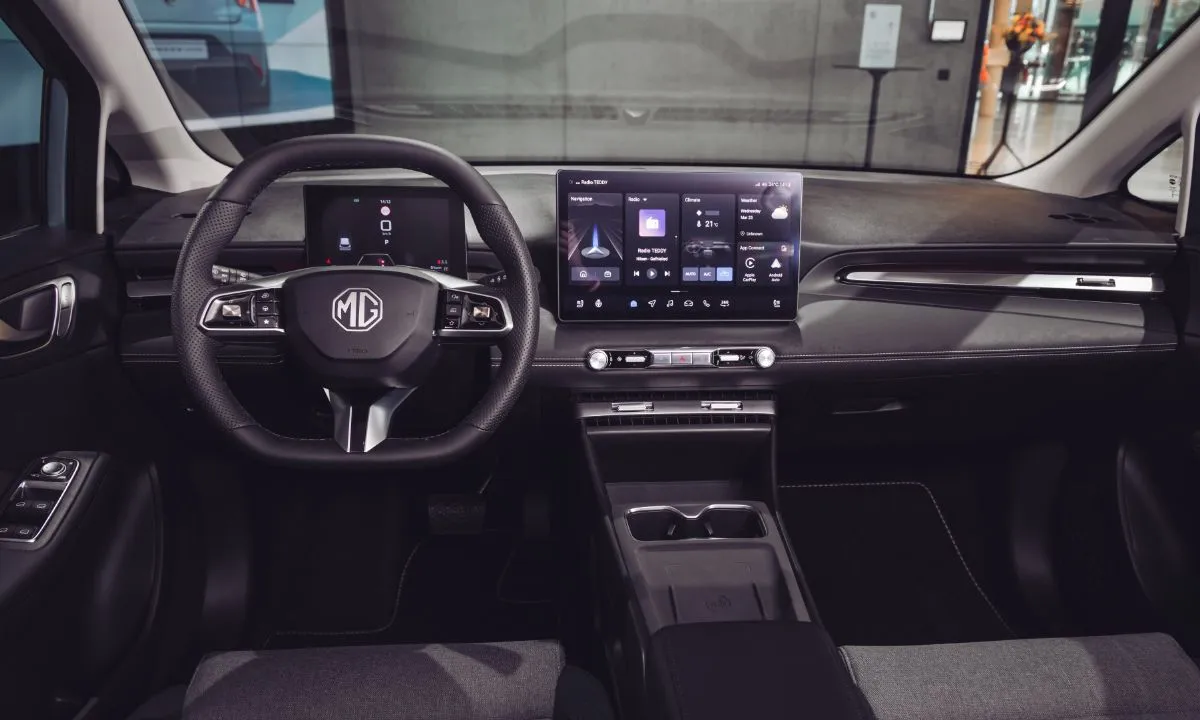
The results also allowed the MG4 Urban to surpass the Renault Twingo E-Tech’s fuel consumption figure, which had achieved 13.6 kWh/100 km on the same test route. Thanks to this efficiency, the MG model also recorded a higher theoretical range than the MG4 with an LFP battery, which had reached around 370 kilometers under this testing methodology.
The measurement table provides a clearer explanation of the results. On roads, the average consumption was 13.2 kWh/100 km, while on highways it increased to 16.2 kWh/100 km. In urban areas, where energy recovery and lower speeds work in the car’s favor, the figure dropped to 10.8 kWh/100 km.
Part of the credit also goes to the consumption of the auxiliary systems. During testing, the MG4 Urban required less than 200 W when stationary, roughly half of what is recorded in many other cars. The heat pump also showed very low consumption, with less than 400 W at an outdoor temperature of 14 degrees.
On the highway, as expected, the situation changes. On the usual 500-kilometer route between Lyon and Paris via the A6 highway, the MG4 Urban recorded a final consumption of 21.1 kWh/100 km. This translates to a theoretical range of about 260 kilometers with the battery fully charged, which drops to around 180 kilometers when using the 80% to 10% battery level range.
Nevertheless, its performance remains competitive among compact electric cars. On this test drive, the MG4 Urban achieves a range similar to that of the Peugeot e-208 and comes close to larger models such as the Peugeot e-308 or the Volkswagen ID.3. Even the 64 kWh MG4 with an LFP battery barely improves on this figure under the same conditions, reaching around 270 kilometers.
Measurements at a constant speed help determine where the limit lies. At 90 km/h, the energy consumption was 13.3 kWh/100 km. It increased to 17.3 kWh/100 km at 110 km/h and reached 21.5 kWh/100 km at 130 km/h. Its aerodynamic coefficient of 0.263 is acceptable, though it’s not particularly outstanding among current electric compact cars.
The MG4 Urban once again impresses in terms of efficient driving. On the test route designed to minimize energy consumption, this MG compact car achieved 8.5 kWh/100 km, a result that matches the record set by the Tesla Model Y with an internal combustion engine in this same test. On another route around Paris, it even recorded a minimum of 7.7 kWh/100 km.
The car features an Eco mode, though testers note that its impact on the propulsion system and throttle response is quite limited. There is also no dedicated Eco program for the air conditioning. Nevertheless, the MG4 Urban shows that it does not require a particularly complex setup to achieve very low fuel consumption.
The performance has also turned out to be better than what MG claims. In its best attempt, the MG4 Urban took 8.5 seconds to go from 0 to 100 km/h, one second less than the official figure recorded in the test. It took 6.1 seconds to reach speeds between 80 and 120 km/h, while covering the 400 meters from a standstill took 16.4 seconds.
The regenerative braking system offers three levels, along with an adaptive mode and a one-pedal driving function. At the softest level, the car can travel almost 859 meters from 80 km/h before stopping through regenerative braking. With the strongest level, this distance drops to 244 meters, and with the one-pedal mode it falls to 174 meters.
In an emergency brake from 130 km/h, the MG4 Urban required 64.5 meters to come to a stop. This distance is slightly higher than the average measured in similar tests, which may be partly related to the low rolling resistance tires used on this model.
Acoustic comfort also doesn’t seem to be a significant issue. The measured noise level is similar to that of an urban car, with little difference compared to the MG4 from 2026. While it can’t be considered especially quiet in absolute terms, the noise doesn’t interfere with comfort during daily commutes or long trips.
The main weakness of the MG4 Urban shows up especially during long trips: its 87 kW fast charging capacity. This figure is modest compared to newer electric cars that offer much higher charging speeds. However, its low energy consumption helps partially offset this limitation, as it requires less energy to charge the battery over the same distance.
In Spain, the MG4 Urban is available with batteries of 43 and 54 kWh. The 54 kWh version has 160 horsepower and achieves up to 416 kilometers on WLTP tests in the Comfort variant, while the Premium version gets 405 kilometers. Prices, before any subsidies or promotions, start at 25,490 euros for the entry-level version and at 27,990 euros for the 54 kWh model.
The first real-world tests thus provide a quite interesting picture of the MG4 Urban. Its 54 kWh battery delivers far more range than the capacity figure might suggest, especially in urban areas and on secondary roads. The measured combined consumption of 13.4 kWh/100 km allows it to come extremely close to the WLTP range, demonstrating that efficiency is one of the model’s strengths.
The downside becomes apparent when driving on the highway at high speeds, where energy consumption rises rapidly and the 87 kW fast charging capability cannot compete with that of more modern models. Nevertheless, these initial results show that the MG4 Urban can offer significant real-world range without relying on an especially large battery, which also helps to keep the overall weight and consumption down.
Key points
Front electric motor with 118 kW (160 hp)
Battery: 54 kWh gross and 52.6 kWh net
Officially rated range: between 405 and 416 km WLTP.
In mixed driving conditions, it recorded 13.4 kWh/100 km.
The theoretical range was around 390 kilometers.
The difference from WLTP was only 3.3%.
At 110 km/h, it consumed 17.3 kWh/100 km.
At 130 km/h, it reached 21.5 kWh/100 km.
The fast charging capacity is 87 kW for the 54 kWh battery version.
The 10-80% range takes about 30 minutes.
The 0-100 km/h time was 8.5 seconds.