
350 Wh/Kg and 1,000 km of range: Dongfeng’s solid-liquid hybrid batteries set to arrive in Europe with Stellantis
09/09/2026 15:00
Updated to
09/09/2026 15:00
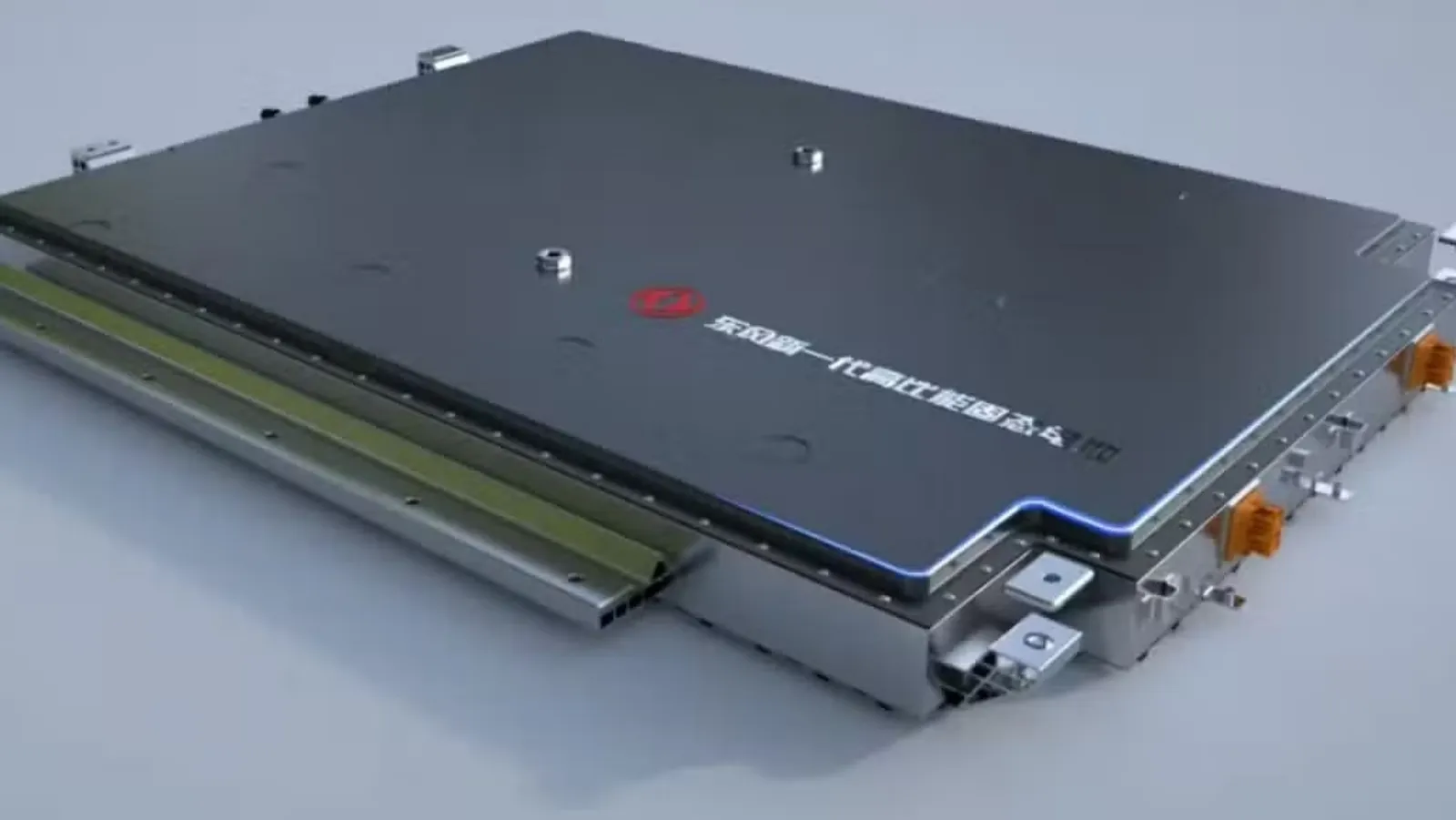
The race to develop next-generation chemicals and batteries is accelerating in China’s automotive market. State-owned manufacturer Dongfeng Motor has officially announced that it will unveil its in-house developed solid-liquid hybrid battery in October, with the goal of starting production in mass-market vehicles during the fourth quarter of 2026. The company’s vice president, You Zheng, confirmed this timeline at an industry forum held this week.
The technical designation has officially evolved. Although the brand previously described this new solution as a solid-state battery, it has adopted the term solid-liquid hybrid battery to align with China’s regulatory standards for semi-solid-state cells, thereby avoiding commercial confusion with fully solid-state architectures that still require longer periods of technical development and for which the government has also established new regulatory guidelines.
350 Wh/kg energy density and extreme thermal testing
The new battery manufactured by Dongfeng itself stands out for achieving an energy density of 350 Wh/kg, a figure that nearly doubles the average values of lithium iron phosphate (LFP) cells, which typically range from 140 to 210 Wh/kg. This high energy density will enable electric vehicles equipped with it to achieve over 1,000 kilometers of certified range on a single charge. This is assuming the local certification protocol (CLTC) is applied.
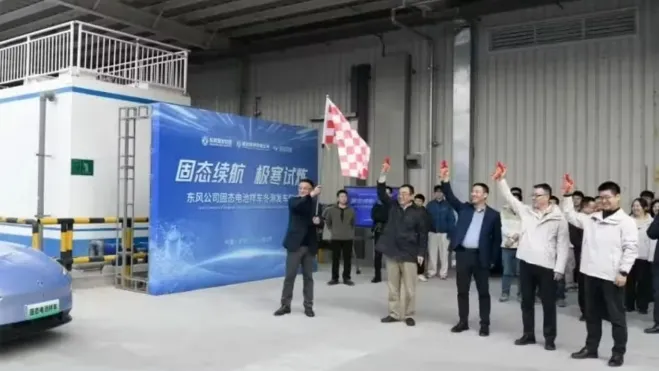
In the homologation and safety tests conducted last winter, a test battery passed the 170 degrees Celsius thermal chamber test, far exceeding the 130 degrees required by China’s national standard. Under low-temperature conditions, after completing winter tests on vehicles in January of last year, the battery maintained over 72% energy retention at minus 30 degrees Celsius.
Deployment of 50,000 Vehicles by 2027 and Production Phases
Although the specific schedule will be announced next month, Dongfeng has already begun low-volume production of its new solid-liquid batteries. A small assembly line with a capacity of just 0.2 GWh. The first commercial phase involves deploying 100 demonstration vehicles by the end of 2026, with a goal of delivering 50,000 cars equipped with these self-developed cells by 2027. This represents a small portion of the 2.5 million vehicles Dongfeng sells worldwide, including in Spain.
The horizon for fully solid-state batteries remains in the future. Dongfeng plans to start small-scale mass production around 2030, aiming for large-scale production by 2035. Meanwhile, its engineering division is working on a solid-state variant of 350 Wh/kg designed for fast charging, and is also conducting preliminary research on sulfur-based solid-state cells with a projected energy density of 500 Wh/kg.
Agreement with Stellantis for Europe
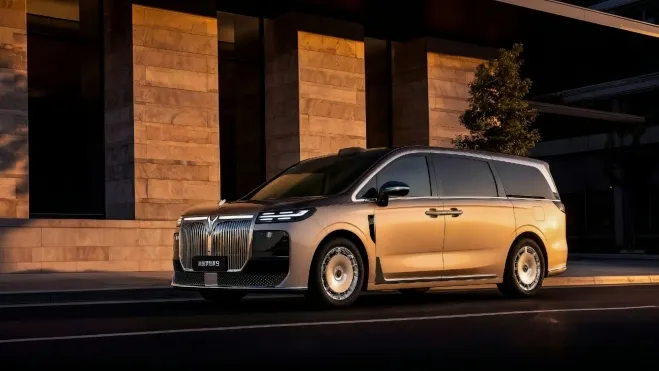
At the end of last May, Dongfeng and Stellantis signed a very interesting agreement. In addition to jointly developing a new large SUV for the Jeep brand, which will be available in Europe by 2028, the companies laid the foundation for a much broader collaboration. Following the success of Leapmotor, Stellantis aims to repeat this approach with Dongfeng. Both companies plan to create a European joint venture to sell the electric vehicles of the Voyah brand, which is currently available in our country with the SUV Voyah Free and the minivan Voyah Dream. Stellantis will hold a 51% stake in the new joint venture and will oversee sales and localized production of Voyah vehicles in Europe. This move is intended to help Dongfeng avoid European Union tariffs while making use of some of Stellantis’ idle manufacturing capacity.