
30,000 kilometers and 350 fast charges: BYD demonstrates the durability of new batteries
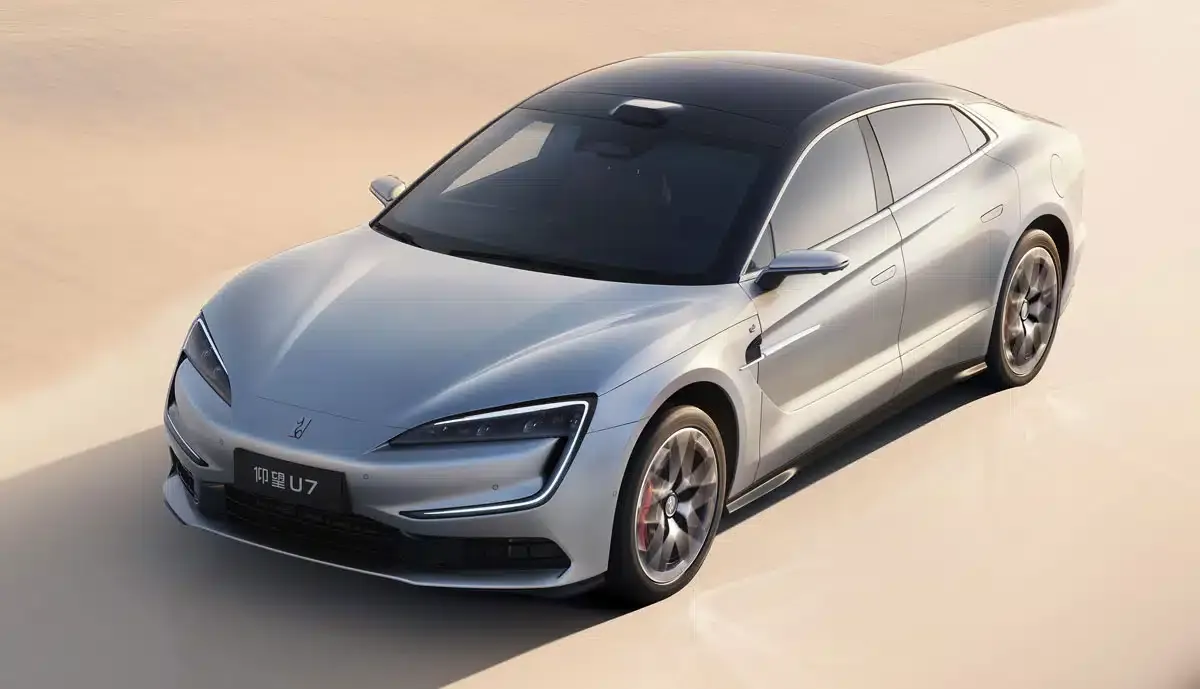
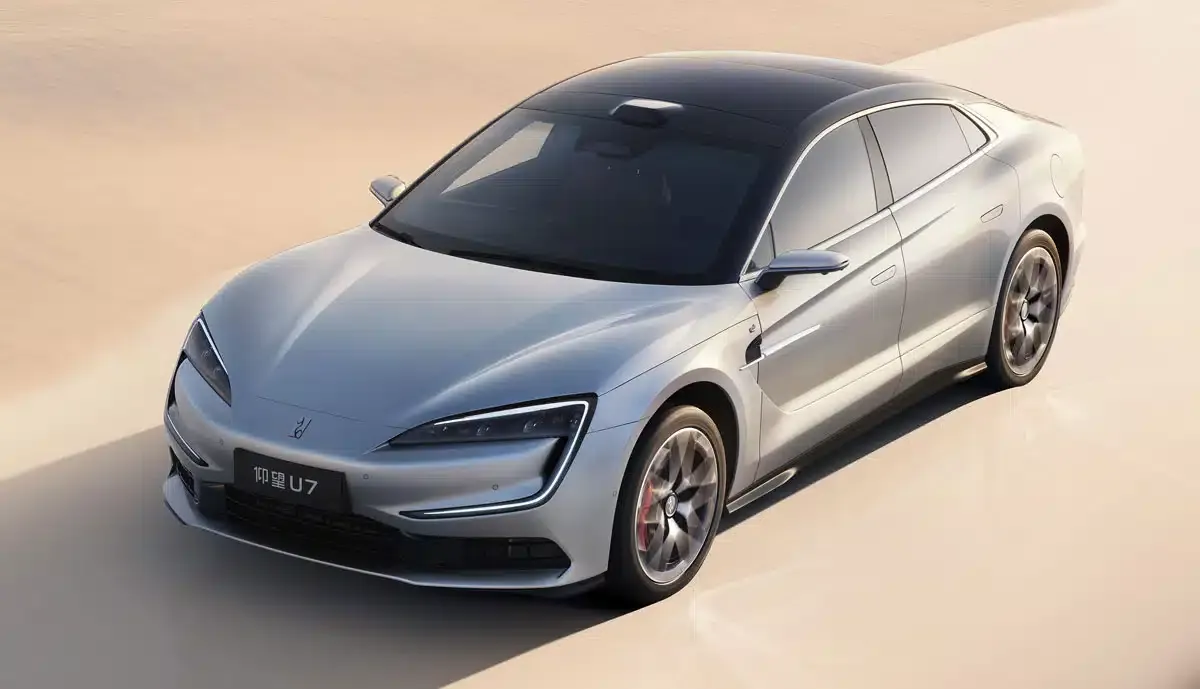
Image: BYD
In particular, the Chinese electric vehicle giant BYD aims to introduce ultra-fast charging in Europe as well. However, rapidly charging electric car batteries with electricity is considered highly damaging to the durability of energy storage systems. Tests conducted in China and new regulations set by the local government are intended to prove that newer technologies are much less prone to battery performance degradation due to fast charging.
The production version of BYD’s luxury brand Yangwang’s all-electric sports sedan U7 has reportedly completed a comprehensive endurance test. The fully electric sports sedan covered a distance of 30,000 kilometers in 8 days, 19 hours, and 58 minutes. This model is the first in the BYD group to be equipped with the Blade Battery 2.0, which utilizes robust lithium iron phosphate (LFP) technology.
The test took place in Nanning in southern China, according to Car News China. During the drive, harsh conditions prevailed with an average temperature of over 36 degrees Celsius and a relative humidity of up to 80 percent. The electric vehicle maintained a constant speed of 240 km/h while keeping the climate control at 24 degrees Celsius.
During the testing phase, more than 350 “Flash Charging” cycles were conducted. After covering 30,000 kilometers, the battery retained 98.7 percent of its capacity. According to the company, a total of 758 test vehicles were used before market release to achieve an overall driving distance of 10.49 million kilometers.
The report does not specify the level of charging speeds tested or provide details about the charging curve. However, BYD has stated its intention to develop electric vehicles capable of charging at a record speed of up to 1500 kilowatts (kW) in just a few minutes. The Yangwang U7, according to the manufacturer, achieves a maximum direct current (DC) charging capacity of up to 640 kW. In this country, charging speeds over 300 kW are currently considered top-tier.
Hu Xiaoqing, General Manager of Yangwang, emphasized that the vehicle used for durability tests with intensive fast charging was a standard model available in regular sales, not a concept car or a modified vehicle. The tests are conducted amid stricter regulatory requirements in China. Starting in 2027, conventional vehicles must undergo reliability tests over at least 30,000 kilometers. Similar standards are being raised for new electric vehicle models as well.
Yan Jinghui of the China Automobile Dealers Association sees these requirements as evidence of technological progress. The elevation of standards indicates that battery range and durability are no longer the main challenges facing the industry, according to Car News China.
Also interesting
About the author
Thomas Langenbucher is an expert in electromobility with professional experience in the automotive industry and finance sector. Since 2011, he has been covering electric vehicles, sustainable technologies, and mobility solutions for ecomento.de. Learn more.
Reader interactions