
300 km of real range with just 40 kWk: Tata’s small electric car impresses with its efficiency
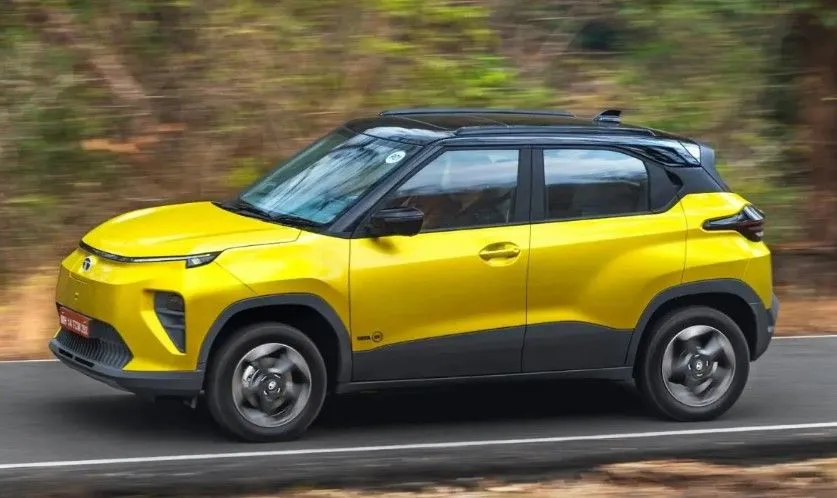
India is beginning to thrive in the electric vehicle sector, using a strategy quite different from other markets. Price remains crucial, but there is growing interest in maximizing efficiency per kWh, which is especially important for small and affordable cars.
The star of this test is the Tata Punch EV, a compact SUV that is 3.88 meters long and manufactured by Tata Motors. The unit tested comes equipped with the 40 kWh battery pack, the highest capacity option in the range, and it was subjected to real-world consumption tests both in urban areas and on roads.
Before delving into the results, it’s necessary to put them in context. The two most common battery types in electric cars are NMC and LFP batteries. The former typically offer higher energy density and, in certain models, better efficiency, while LFP batteries have other advantages related to cost and durability. The Punch EV uses LFP batteries, which makes its performance particularly noteworthy compared to other Indian models equipped with NMC batteries.
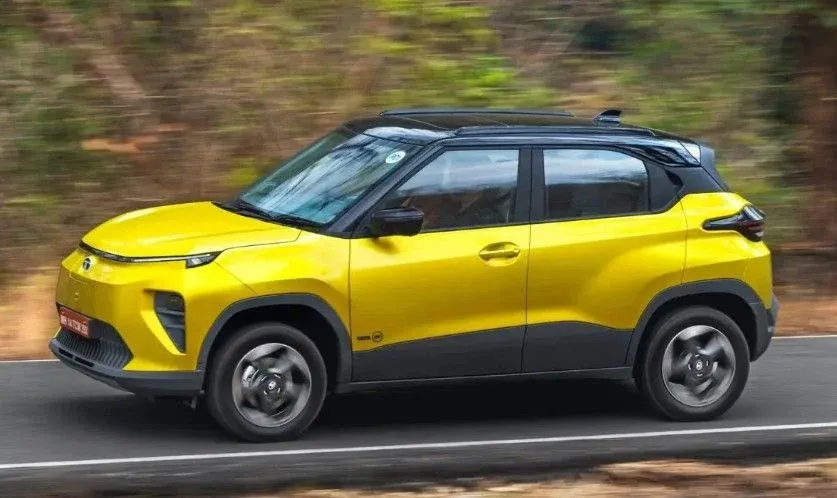
In urban conditions, the test covered 100 kilometers in about four hours. The car’s energy consumption was around 12.6 kWh/100km, though calculations based on the electricity needed to recharge it determined an actual efficiency of 7.63 km/kWh.
On the road, an additional 104 kilometers were covered in roughly one hour and 35 minutes. Consumption was slightly higher, as is typical for an electric car, but the difference compared to urban driving was quite small. The final efficiency was 7.25 km/kWh.
The combined results make the Punch EV one of the most efficient LFP electric cars tested by an Indian channel. In fact, the difference between its urban and road performance was less than half a kilometer per kWh, a remarkably modest figure.
The test also reveals other interesting details about the car. The Punch EV offers a high and comfortable driving position, with reasonably large seats and a suspension specifically tuned for comfort. Its road performance also received positive feedback, featuring a relatively heavy steering response and a suspension capable of absorbing imperfections without transmitting too much shock to the cabin.
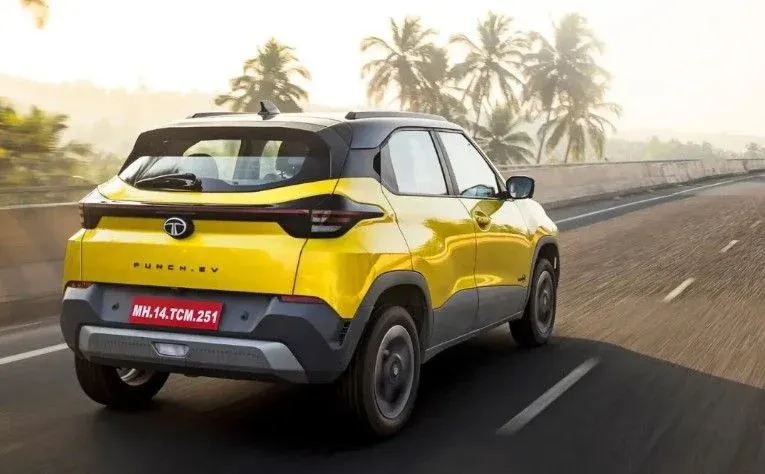
In the city, regenerative braking also allows for significant energy recovery when its maximum level is selected. It doesn’t enable fully one-pedal driving, but the braking effect is strong enough to greatly reduce the use of conventional brakes.
The climate control system has some areas that could be improved. Although there are physical controls for certain functions, most adjustments are integrated into the screen, and there is no particularly convenient direct access to the full menu. Rear passenger air vents are also missing.
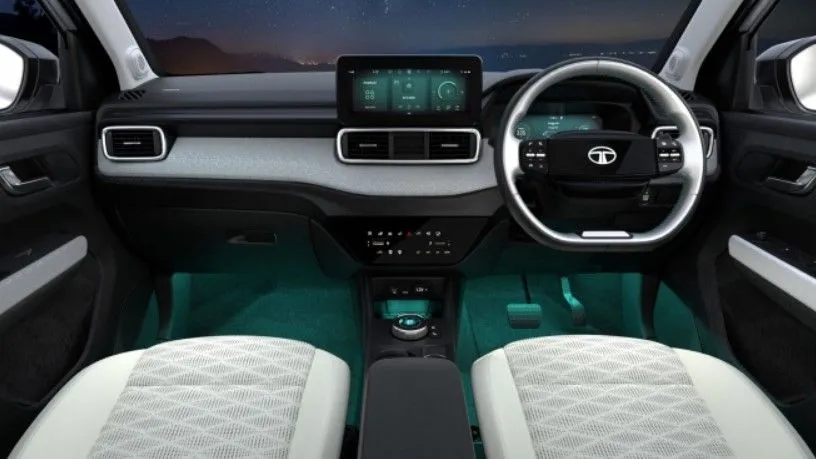
The equipment in the higher version is quite comprehensive for a vehicle of this size. It may include ventilated seats, leather upholstery, a 360-degree camera, a 10.25-inch touchscreen, a digital dashboard, an interior mirror with automatic dimming, and windshield wipers with a rain sensor.
Regarding the propulsion system, the 40 kWh Punch EV features a front-mounted motor with 95 kW (129 hp) of power and 154 Nm of torque. The current lineup also offers a version with a 30 kWh battery and 88 hp. Tata claims that the 40 kWh model can achieve up to 468 kilometers of range based on the testing cycle used in India, while the official C75 rating is between 335 and 355 kilometers.
The difference between these official figures and real-world performance once again highlights why independent tests are important. In a V3Cars test, the Punch EV LR managed around 305 kilometers in urban conditions and 290 kilometers on highways, resulting in a combined range estimate of nearly 300 kilometers.
This also helps to understand what the model’s true philosophy is. It isn’t an electric car designed for long trips without planning, but rather a compact vehicle that attempts to offer sufficient range for everyday use with a moderately sized battery pack.
And that is precisely the most interesting part. The 40 kWh version manages to achieve around 300 kilometers of real-world range despite using an LFP battery. In the same V3Cars efficiency analysis, other Tata models like the Nexon EV score around 6.5 km/kWh, while models with NMC batteries in the comparison achieve better results.
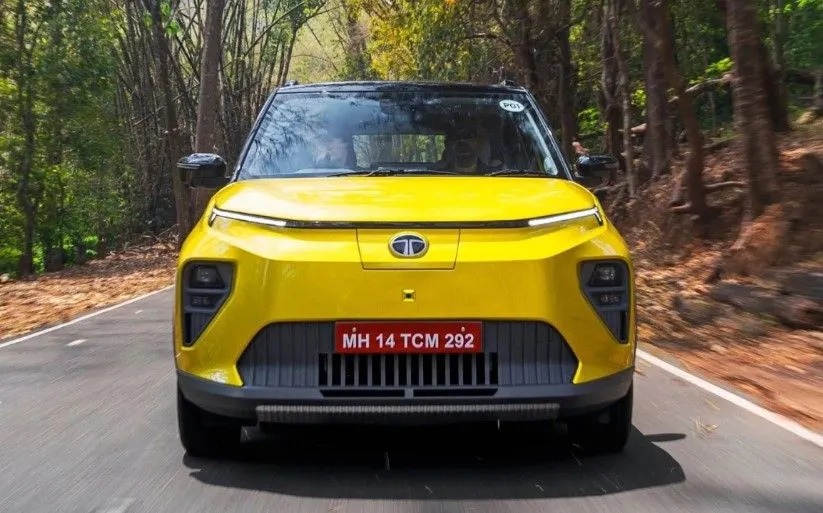
Tata has also focused on making this technology more accessible. The tested Punch EV, in the 40 kWh version, starts at 1.08 million rupees in India, which is approximately 10,300 euros at the current exchange rate. For those looking for something simpler and cheaper, the 30 kWh version begins at 969,000 rupees, or around 9,150 euros at the current rate.
It is precisely this combination that is beginning to establish a distinct path for the Indian market: small, relatively inexpensive, and highly efficient electric cars, rather than competing solely by increasing battery size.
The evolution is particularly interesting because Tata has managed to increase the battery capacity compared to the previous model while lowering the starting prices. The current range uses 30 and 40 kWh LFP packs, and the manufacturer has also improved fast charging, offering up to 65 kW of power in DC.
Thus, rather than trying to win the race for the largest battery, the Punch EV represents a trend that could gain significant traction in India: reducing weight, controlling costs, and ensuring that each kWh allows for long driving distances. Less is more.
And this could end up being just as important as increasing maximum range. Especially in a market where purchase price plays a huge role and where millions of users need an electric car primarily for city commuting.