
2,100 €: the extra cost that would have to be paid for manufacturing batteries for electric cars in Europe
26/09/2026 13:30
Updated to
26/09/2026 13:30
The European Union is seeking ways to strengthen the local automotive industry, with a key focus on electric vehicles—ensuring that many of their components, especially batteries, are manufactured within European territory. The problem is that, according to a recent analysis by Bruegel, such requirements could increase the production cost of a conventional electric vehicle by around 2,100 euros on average.
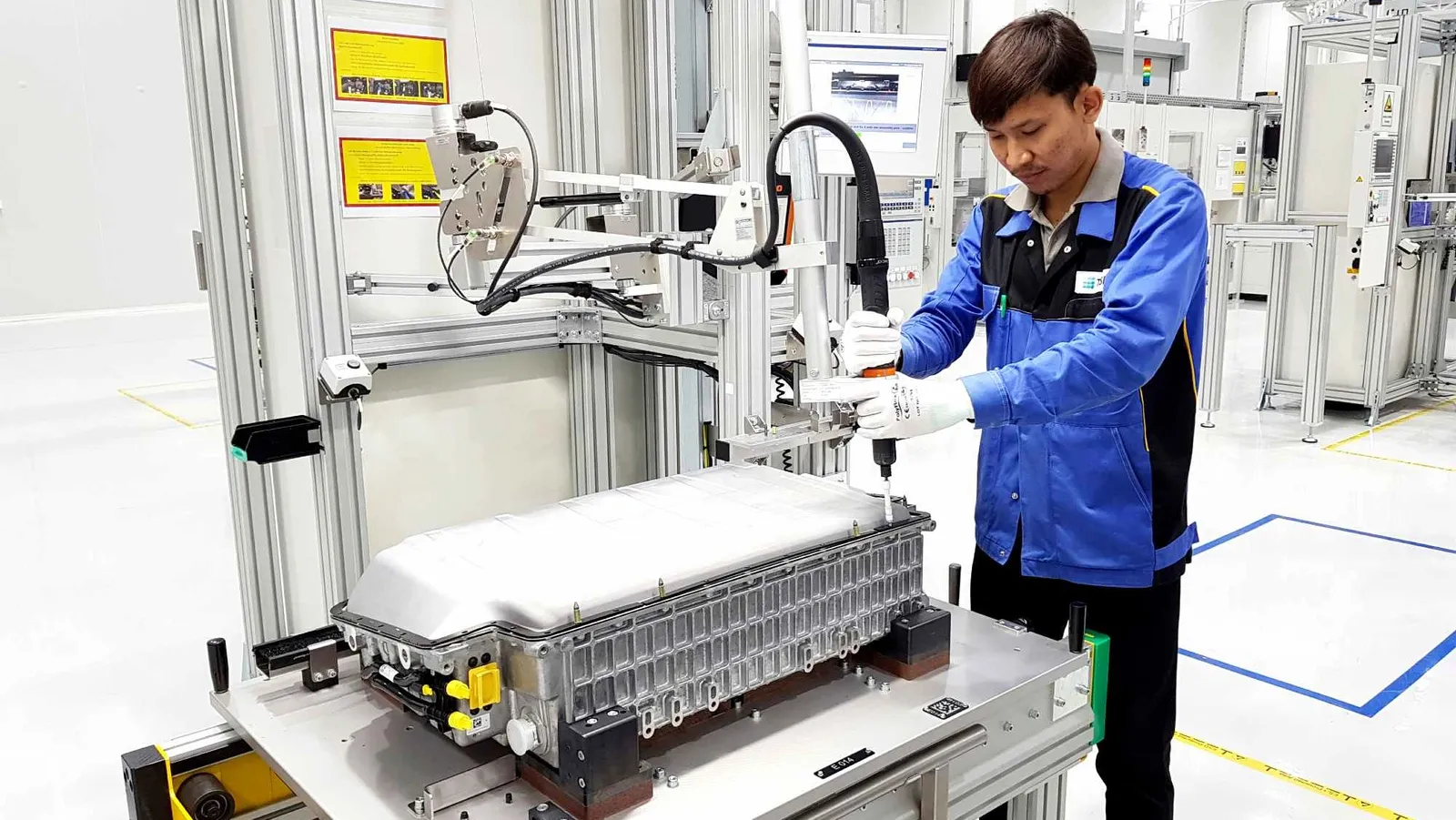
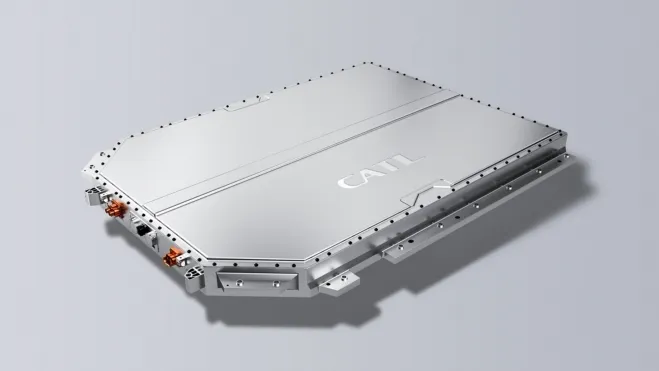
This figure stems from the cost of battery cells, as the report indicates that European manufacturing would raise their estimated cost from 50 euros per kWh to 85 euros per kWh. For a 60 kWh battery, which is typical for an electric sedan, the 35 euro per kWh difference results in approximately an additional 2,100 euros per vehicle.
Part of the Industrial Accelerator Act
The requirement for European content is part of the Industrial Accelerator Act, a proposal submitted by the European Commission in March 2026 that is still under negotiation. Its conditions would not apply to all electric cars sold in the European Union, but mainly to vehicles that wish to access certain government support mechanisms, such as purchase subsidies (see Auto+ Plan) or incentives for business vehicles.
To enable vehicles to benefit from these mechanisms, the proposal requires that final assembly take place in the European Union and that at least 70% of the value of its components other than the battery come from the community. Additionally, for public purchases, the battery must include at least three main components of European origin, including the cells. It should be noted that the origin criterion is determined by the place of manufacturing, not the brand’s location, so cells produced by Asian companies in factories situated in Europe could be counted as European.
The problem is that the additional costs from European production wouldn’t stop there; there would be other factors that would further increase the price of electric vehicles, such as the requirement to use low-emission steel, which would add about 200 euros per vehicle. On the opposite end, simplifying vehicle homologation rules as proposed by the European Commission could reduce manufacturers’ costs by over 700 million euros annually. However, spread across the 11.4 million vehicles produced each year in the EU, this amount would equate to about 61 euros per unit.
Something buyers will eventually have to pay
All these figures indicate additional costs for manufacturers that do not necessarily have to result in an identical increase in the final price paid by consumers. The impact on selling prices would depend on how that extra cost is distributed throughout the production and marketing chain, but the study’s authors are not very optimistic about this.
"Consumers and taxpayers will bear the costs of this arrangement through higher vehicle prices, demand subsidies, production subsidies, and reduced revenues due to less competitive pressure on established companies," they explain.
They believe the EU’s problem is trying to do too much at once: “The most economical and fastest path to vehicle electrification lies through competitive global supply chains, while the most resilient path relies on national ones. The package of measures for the automotive sector attempts to achieve both simultaneously, with costs that remain largely hidden from view.”