
2.000.000.000€ to produce the new Series 3: BMW is splitting its lineup into electric and gasoline models, including in production.
03/10/2026 14:30
Updated to
03/10/2026 14:30
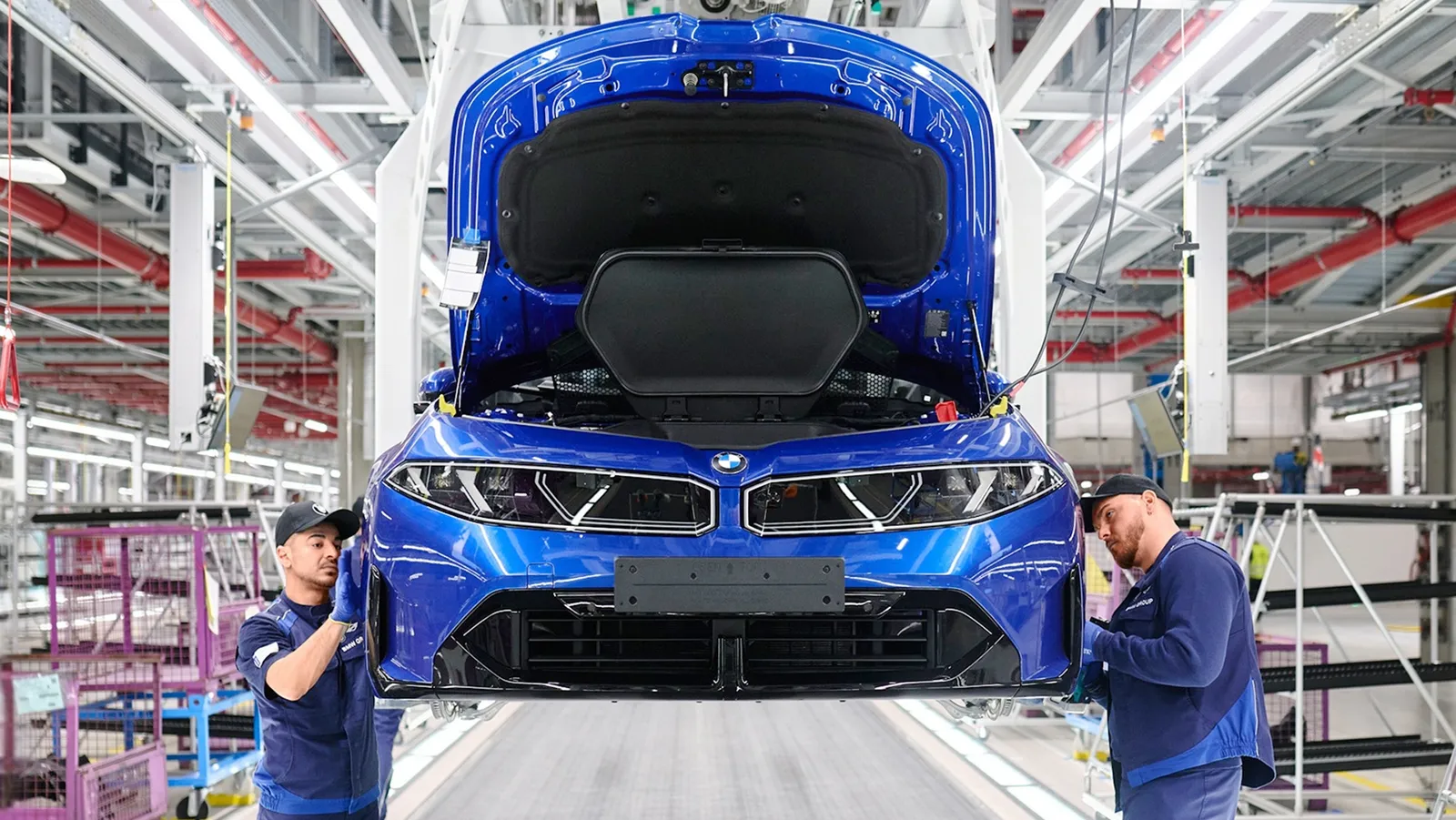
BMW has just unveiled the new generation of the Series 3, and behind this launch lies significant industrial effort. The German manufacturer will invest around 2 billion euros in Germany to adapt its facilities for a lineup that will offer various propulsion technologies.
The strategy is particularly interesting because, although the new Series 3 and the electric i3 will be virtually identical in appearance, their production processes will be clearly separated. Munich will handle the electric version, while Dingolfing will be responsible for manufacturing the models with internal combustion engines, to which new plug-in hybrid options will later be added.
BMW to Invest Around 2.0 Billion Euros
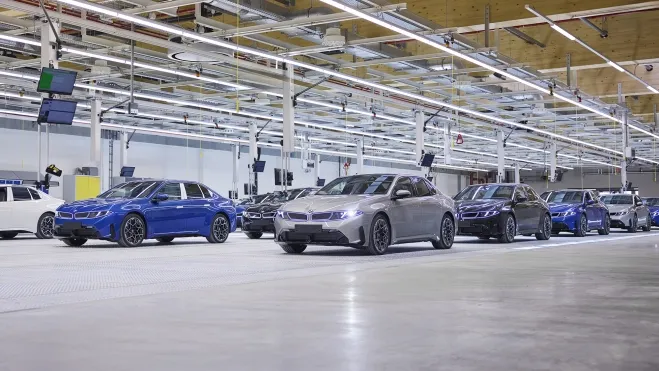
About half of this investment, roughly 1.0 billion euros, will be allocated to the plants in Munich and Dingolfing. BMW is preparing both facilities to produce the new generation of the Series 3 and has made significant changes to its production processes.
In Dingolfing, for example, a new production line has been built within the body shop specifically for the Series 3. The subsequent processes will be different, as the new models will be integrated into the existing painting and assembly facilities alongside other BMW vehicles. The remaining approximately 1 billion euros is allocated to the new high-voltage battery plant in Irlbach-Straßkirchen. This facility will supply the sixth-generation batteries used in electric vehicles based on the Neue Klasse, including the new BMW i3.
The electric i3 will be manufactured in Munich, while the plug-in hybrids will be produced in Dingolfing.
BMW has decided to clearly separate production based on the technology used. The new i3 will begin mass production in Munich during the second half of 2026. The transformation of this historic factory will enable it to produce exclusively electric vehicles starting from the end of 2027.
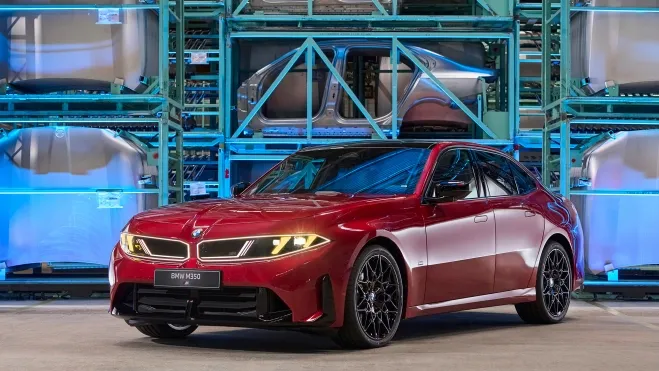
On the other hand, the Dingolfing factory will begin producing the new Series 3 equipped with internal combustion engines in the second half of 2026. BMW highlights the flexibility of these facilities, which are capable of integrating different propulsion systems into their production lines. Looking ahead to 2027, BMW has already confirmed that the new Series 3 family will include a plug-in hybrid variant next year, with Dingolfing responsible for its production. For now, the company has not disclosed the specifications of this upcoming PHEV model.
18,000,000 BMW Series 3 models since 1975
The scale of this investment is also reflected in the importance of the Series 3 within BMW. Since the first generation was introduced in 1975, around 18 million units have been produced worldwide. Of these, approximately 15 million came from German factories. The company will keep a significant portion of its supply chain relatively close to these facilities.
Approximately 760 supplier sites will supply components to Munich and Dingolfing for the new generation. More than 70% of these are located in Europe, with over 30% in Germany. All of this is part of a much larger transformation effort. BMW claims that by the end of 2027, it will have launched around 40 new or updated vehicles featuring technologies originally developed for the Neue Klasse.
