
After 200,000 units, Polestar’s first electric car stops being produced, with a new version arriving next year.
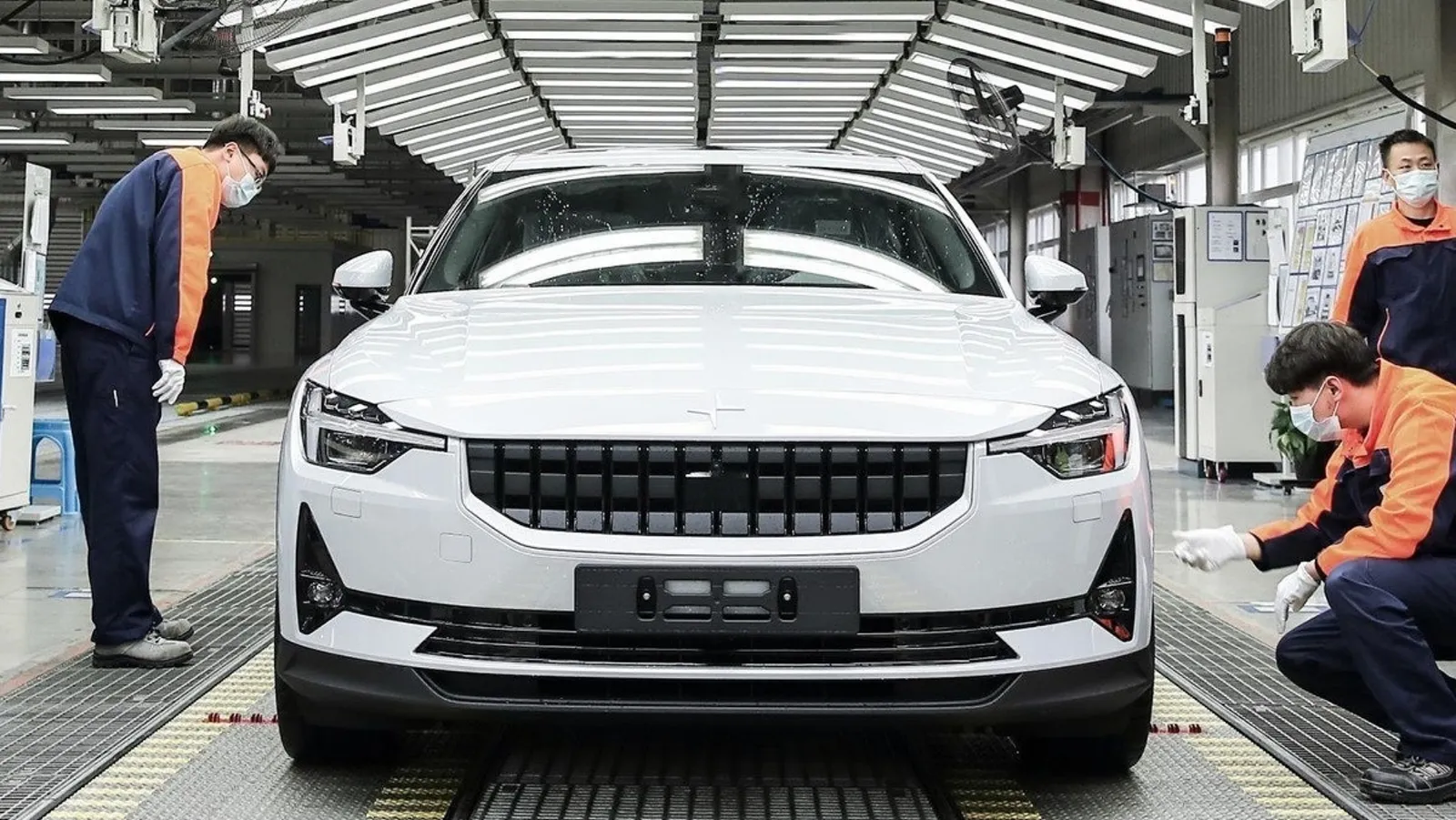
In Norway and Sweden, it is no longer possible to order a customized Polestar 2, as the brand’s websites only offer already manufactured cars (in stock). In Denmark, where around 12,000 units have been sold, none are even listed for sale online. The electric sedan with which Polestar, the Swedish electric vehicle brand under the Geely group, made its debut has stopped production.
The last units have left the Chinese factory where it was assembled, bringing the total production to over 200,000 units, although Polestar has not officially confirmed this figure. In February, the brand itself reported over 190,000 cars sold, a huge number for a company that sold 44,790 cars across all its models from January to September this year.
From Volvo prototype to success in Northern Europe
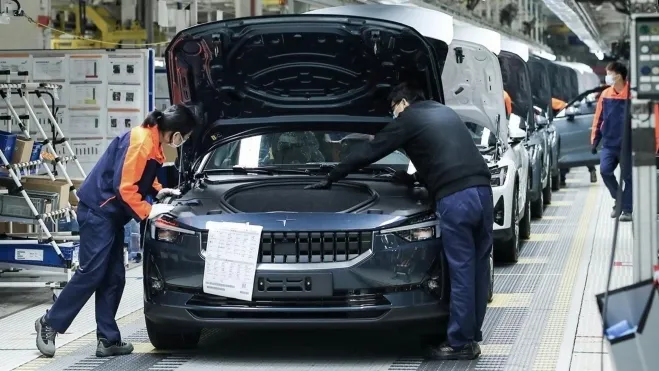
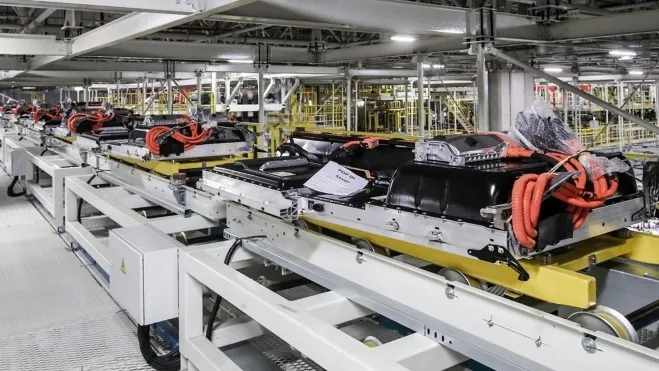
The Polestar 2 was produced starting in March 2020 at the Luqiao plant in Taizhou, China, which is owned by Geely and operated by Volvo. It was the first all-electric vehicle from both Volvo Car Group and Polestar. It evolved from the 40.2 prototype that Volvo unveiled in 2016 alongside the 40.1, the predecessor of the Volvo XC40; as a result, the two share the CMA platform and many interior details.
Norway has been one of its major markets, with over 16,000 units sold there. Its continuous improvements have made it an interesting car for consumers. It remained a popular model well into this year. However, the arrival of new competitors and rising prices have reduced its market share. A new generation will restart its success story.
Back to Canada and goodbye to the United States
Canada is the exception, as orders can still be placed there. The Polestar 2 disappeared from that market in March 2025 due to a 100% tariff on electric vehicles manufactured in China, but it returned in June when the country reduced that tax to 6.1% for vehicles within a quota. The Polestar 2 MY2027 starts at 69,900 Canadian dollars, roughly 44,900 euros, although Polestar has not clarified whether these orders will come from the factory or existing stock.
In the United States, however, it’s over. The Department of Commerce denied Polestar approval in June under its connected vehicle regulations, so the company cannot sell new cars there without making the necessary changes. Since then, it has been clearing its inventory: its sales in that country more than doubled in the third quarter, reaching around 2,160 units, while sales outside the U.S. dropped by 8%.
A few months without Polestar 2 until the successor arrives
The end of production creates a several-month gap in the lineup, which continues with models from other factories. The Polestar 4, in coupe and SUV versions, is manufactured by Renault Korea in Busan (South Korea), while the Polestar 3 is assembled in Ridgeville (South Carolina, United States) and in China.
The successor was announced in February as part of a plan to introduce four new models within three years, and it will be a completely new vehicle set to arrive in early 2027. Michael Lohscheller, Polestar’s CEO, mentioned bringing it out “at a record pace” at the time.
Crossover or sports sedan: what is known about the new model
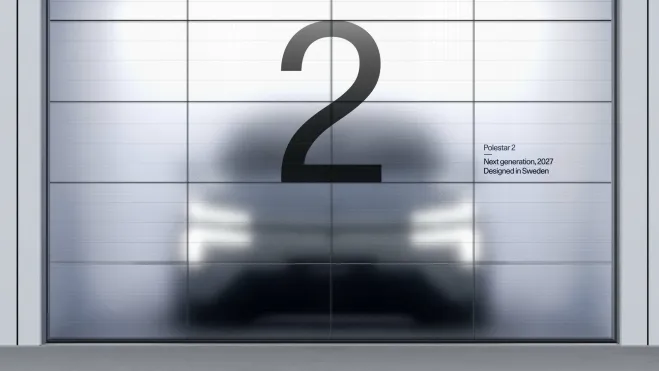
Polestar has not confirmed anything about the new model, neither where it will be manufactured nor on what platform. In Norway, they suggest it will be a crossover very similar to the future Volvo EX50, sharing Volvo’s new European factory in Slovakia with it. In Sweden, however, there are talks of a lower, more sporty body style, and Polestar’s chassis chief, Joakim Rydholm, has a clear goal: “We need to beat the new BMW i3.”
The only thing confirmed is that the Polestar 7, a compact SUV scheduled for 2028, will be manufactured in Košice (Slovakia). Until the replacement arrives, those in Europe who want a new Polestar 2 can only rely on existing stock. If the successor does come from Slovakia, it will also be exempt from the 18.8% compensation tariff that the European Union has imposed since 2024 on Geely’s electric vehicles manufactured in China.