
1,500 km of range and up to 600 Wh/kg: Chery sets a date for its solid-state batteries, and it’s closer than expected
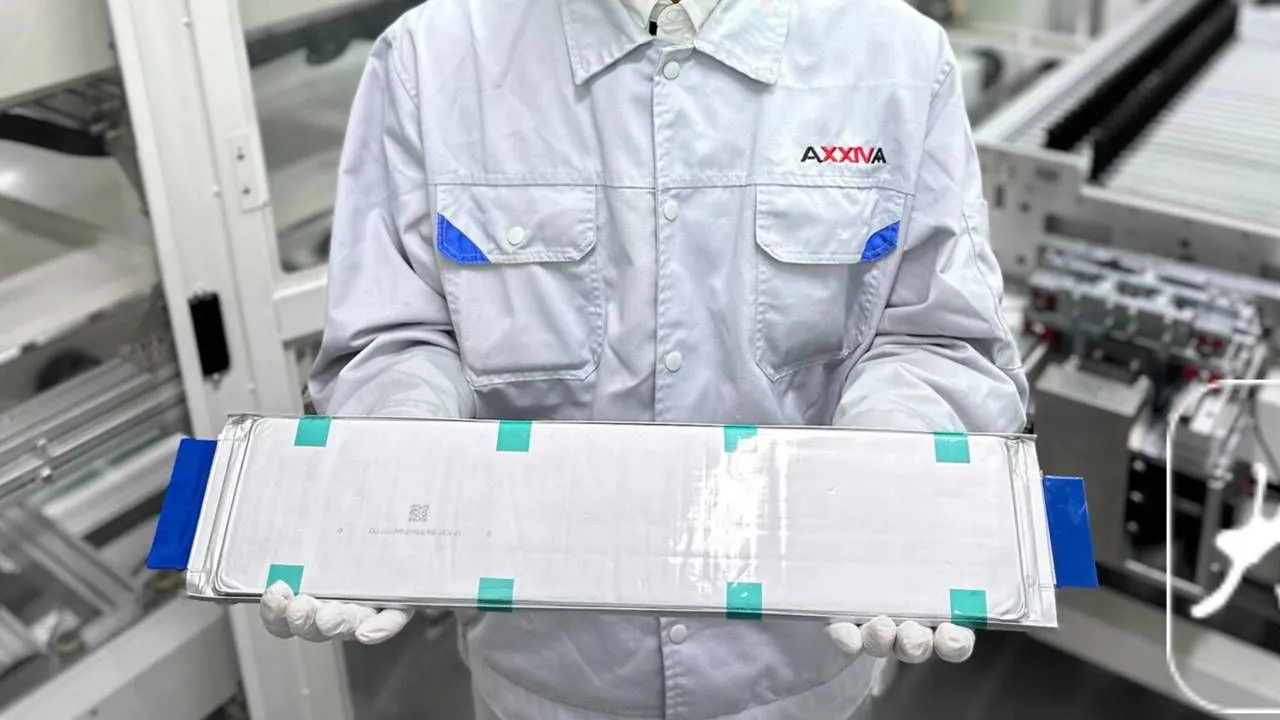
The race to integrate solid electrolyte batteries into electric vehicles enters a new phase in China. Chery has confirmed that it will begin real-world testing of this technology in its vehicles by 2027, a significant step after several years of research and development.
The announcement was made by Chery’s president, Yin Tongyue, at the 2026 World Power Battery Conference held on September 3 in Yibin, Sichuan province. The manufacturer states that it will not incorporate any technology into its vehicles unless it deems it to offer sufficient safety, a principle that will also apply to its new batteries.
Chery is making a significant investment in this technology. The company plans to allocate 10 billion yuan, approximately 1.5 billion euros, to the development of solid electrolyte batteries. Early results are already emerging: the manufacturer claims to have achieved an energy density of 400 Wh/kg in its cells.
Up to 1,500 kilometers of range with the new batteries
In March, Chery unveiled its Rhino S project, a family of solid-electrolyte batteries featuring various cells with energy densities ranging from 400 to 600 Wh/kg. Theoretically, these figures would enable a significant boost in range without a proportional increase in the size and weight of the battery pack.
The Chinese company claims that electric vehicles equipped with this technology could achieve up to 1,500 kilometers of range on a single charge. Of course, it will be necessary to wait for road tests and relevant certifications to determine how accurate these figures truly are.
In addition, Chery plans to start installing its semi-solid Rhino batteries in vehicles during the fourth quarter of 2026. This intermediate technology could reach the market sooner than fully solid-state batteries.
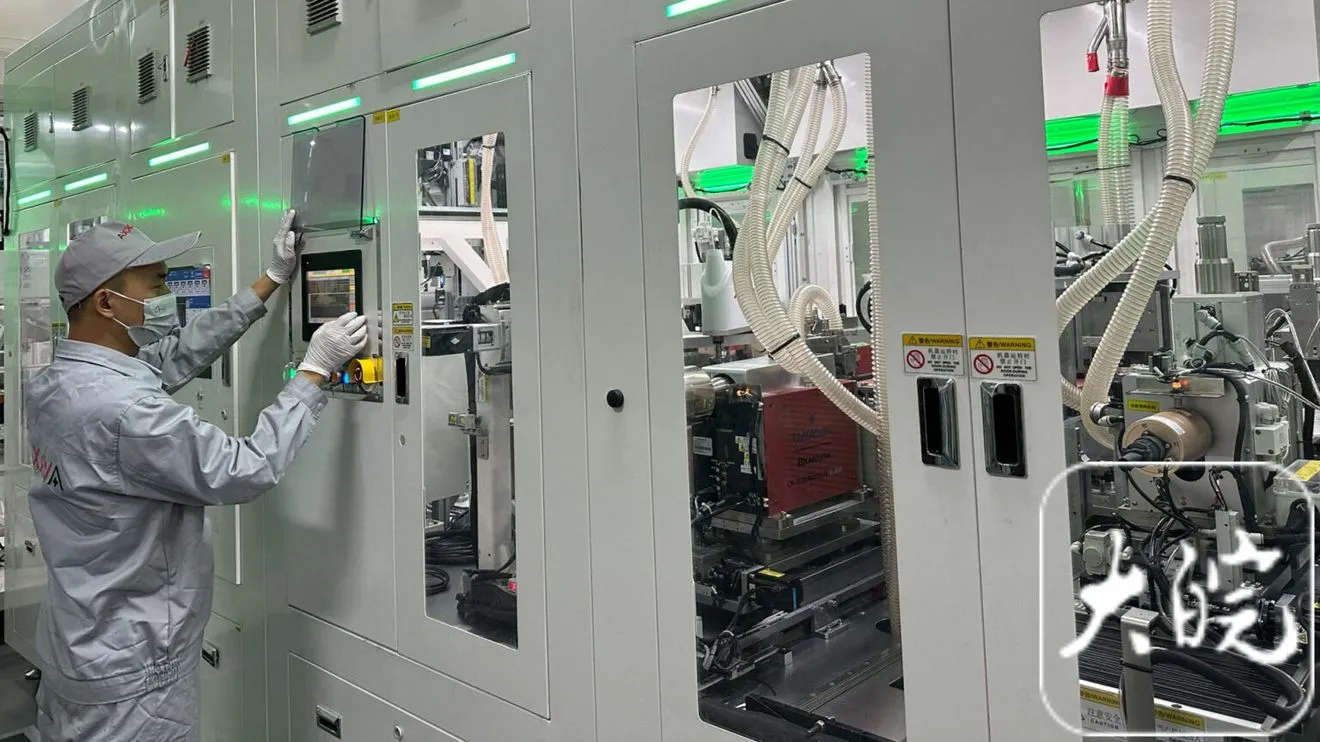
The manufacturer also has the support of Anwa New Energy Technology, a company affiliated with Chery that has already begun producing engineering samples of solid electrolyte batteries. Gotion High-Tech, one of China’s major battery manufacturers and a key technology partner for Volkswagen, is also involved in this project.
Anwa’s plant uses an integrated production process and is designed to achieve an annual capacity of 1.25 GWh. The company has stated that its goal is to start mass production of batteries with an energy density of 500 Wh/kg by 2027.
Chery is not alone in this race. The development of solid electrolyte batteries is accelerating in China, with numerous car and battery manufacturers announcing that they will begin their own vehicle testing programs by 2027. Among them are companies such as CATL, BYD, Geely, Gotion High-Tech, Farasis Energy, and CALB.
This is particularly important because the technology is still in a transitional phase. Achieving a cell with high energy density in the laboratory is one thing, but producing it in large quantities, maintaining reasonable costs, ensuring its safety, and guaranteeing good durability over hundreds of thousands of kilometers is a much greater challenge.
That is precisely why 2027 could become a pivotal year for solid electrolyte batteries. If various testing programs succeed in proving that these cells function properly in production vehicles, the industry may begin to move toward a new generation of electric cars with much longer range and potentially lighter batteries.