
150,000 km and more? BEVs perform better than gasoline cars in efficiency tests
In short:
Is it risky to buy an electric car after 150,000 km? No!
Electric vehicles with high mileage undergo mandatory inspections more frequently than comparable gasoline cars of the same age, according to an analysis by New AutoMotive.
47.4 million inspections were analyzed in detail.
In the group of cars with 90,000 to 120,000 miles on them, BEVs were about 25% less likely to fail inspections compared to comparable ICE vehicles of the same age.
Tire and brake failures are weaknesses of electric cars.
BEVs with high mileage? No problem.
In the used car market, high mileage has served as a warning sign for decades. Many drivers assume that a vehicle that has traveled over 100,000 miles, or about 160,000 kilometers, is inevitably approaching costly repairs. However, a recent analysis conducted by consulting firm New AutoMotive (on behalf of the UK’s rental and leasing industry association BVRLA) suggests that for electric vehicles (BEVs), this assumption may be becoming less valid.
Why? Because researchers analyzed the results of 47.4 million British MOT tests, which are equivalent to periodic vehicle inspection checks (like our SKP). It turned out that among cars with mileage between 90,000 and 120,000 miles (145,000–193,000 km), electric vehicles were about 25 percent less likely to fail the test compared to gasoline-powered cars of similar age. The failure rate was 16.5 percent for electric vehicles and 22.1 percent for gasoline cars.
The difference becomes even more noticeable at mileage levels exceeding 120,000 miles. In this group, 16 percent of electric vehicles failed the test compared to 23.5 percent of gasoline cars. Meanwhile, at lower mileage levels, the differences between the two drive technologies were small — according to the British newspaper The Guardian.
The simpler design of BEVs starts to pay off
According to the report’s authors, the advantage of electric vehicles stems primarily from their simpler powertrain design. Electric cars lack many operational components typical of gasoline vehicles, such as complex gearboxes, exhaust systems, or numerous parts that work alongside internal combustion engines.
“High mileage is not an indicator of poor mechanical condition as buyers traditionally assume. The data suggests that the mechanical simplicity of electric powertrains becomes increasingly valuable as a car’s mileage increases,” emphasized Ben Nelmes, CEO of New AutoMotive.
The results of this study are particularly significant at a time when more and more electric vehicles from corporate and leasing fleets are entering the secondary market. Such vehicles often have high mileage, which has so far been a barrier for potential buyers.
Mileage Should Not Deter Buyers
Toby Poston, CEO of BVRLA, also highlights this aspect: “Mileage is one of the first things people look at when buying a used car, and exceeding 60 or 70 thousand miles can have a huge impact on how the vehicle is perceived,” Poston noted, as quoted by GreenFleet.net.
He adds that data shows mileage alone should not discourage consumers. “A well-maintained electric vehicle with high mileage can be an extremely durable used car.”
According to him, this is crucial for the development of the secondary market. “It is the used car market that makes electrification accessible to millions more drivers. Building trust in these cars will be key to creating a healthy and affordable used electric vehicle market,” emphasizes Poston.
Not everything favors electric vehicles
The study’s authors note, however, that electric cars did not dominate in all categories. The analysis showed nearly twice as many tire-related defects as in gasoline vehicles. This phenomenon is often attributed to the greater weight of electric vehicles and the high torque available from a standstill (editor’s note).
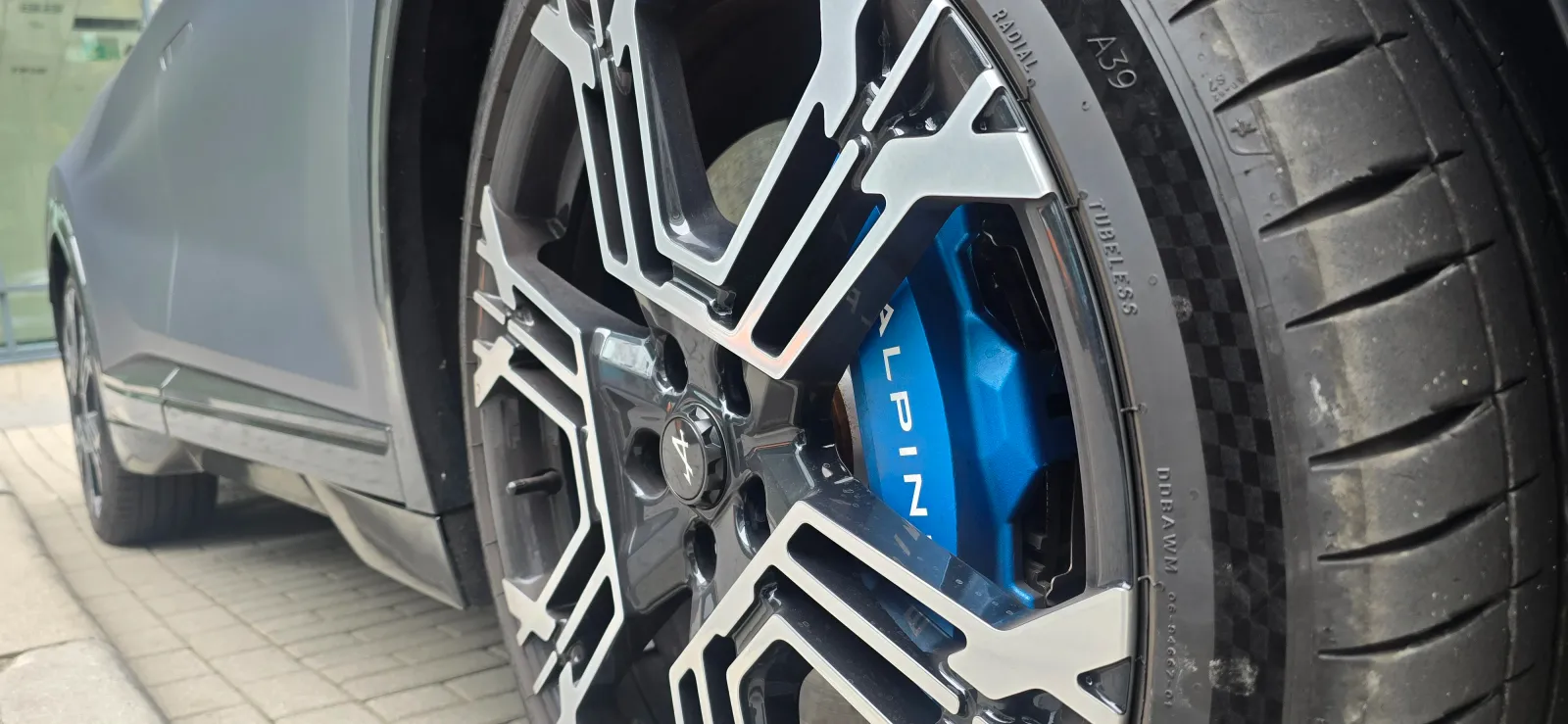
Researchers also noted a higher number of issues with traditional disc brakes in older electric vehicles with relatively low mileage. The cause is believed to be corrosion resulting from less frequent use of mechanical brakes, as regenerative braking handles a significant portion of speed reduction during everyday driving.
There is one important condition
Experts emphasize that MOT test results do not provide a complete picture of an electric vehicle’s condition, as the inspections cover items such as brakes, tires, suspension, steering system, and lighting, but they do not assess the condition of the traction battery, its degree of degradation, or charging parameters. This is particularly important advice for those considering buying a used electric vehicle. Even though statistics confirm the high mechanical durability of such vehicles, the battery’s condition remains one of the key factors affecting the car’s value and usability.
Oskar Włostowski