
1,008 km of range and 4,000 sales in 19 days: the BYD Great Han makes a strong debut in China
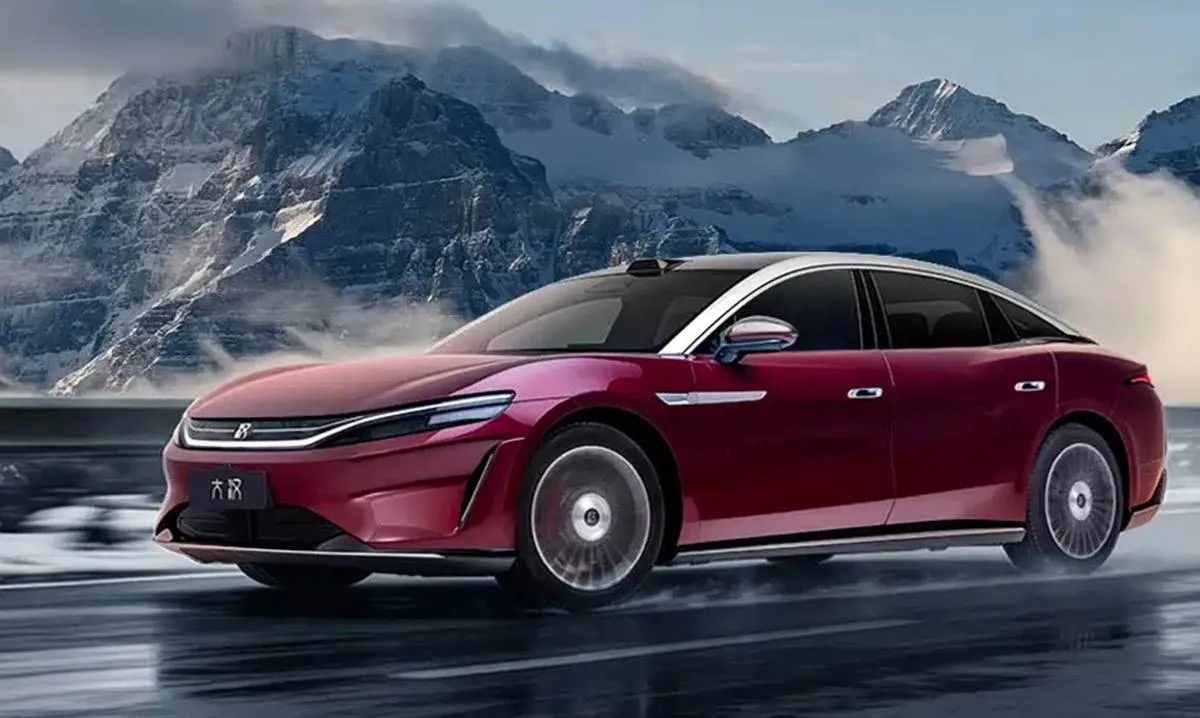
BYD is celebrating as one of its latest launches has been a huge success. And it’s not an SUV—it’s the Great Han. A sedan that combines spaciousness, advanced features, and cutting-edge battery technology, designed to attract those looking for more than just a regular electric car for everyday use. Its initial sales figures show promising start in a market where standing out is becoming increasingly difficult.
According to the company’s figures, the BYD Great Han has sold 4,000 units in its first 19 days since its official launch on October 13. Known as Da Han in China, this model sits at the top of the Dynasty series, reinforcing the manufacturer’s focus on larger, higher-value vehicles.
We’re talking about an average of around 211 cars per day. If this rate continues for 30 days, it would amount to approximately 6,300 units. This serves as a good benchmark for assessing its launch performance, though we still need to wait for a full month to see how sales evolve once the initial launch momentum fades.
A large sedan equipped with BYD’s latest technology
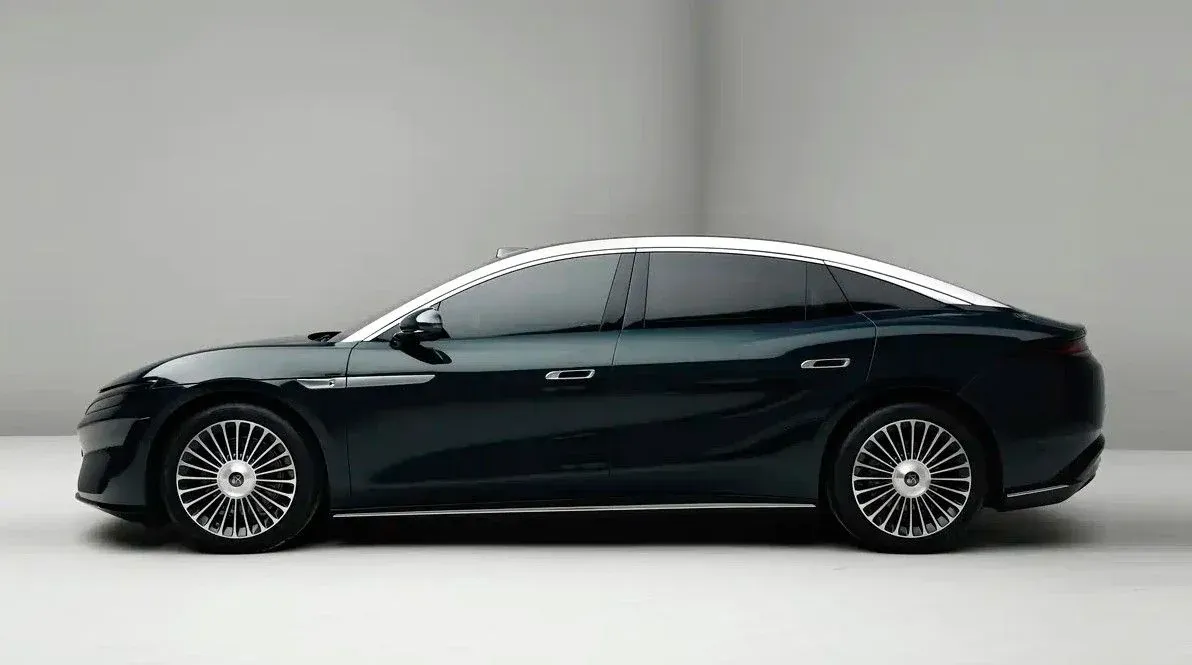
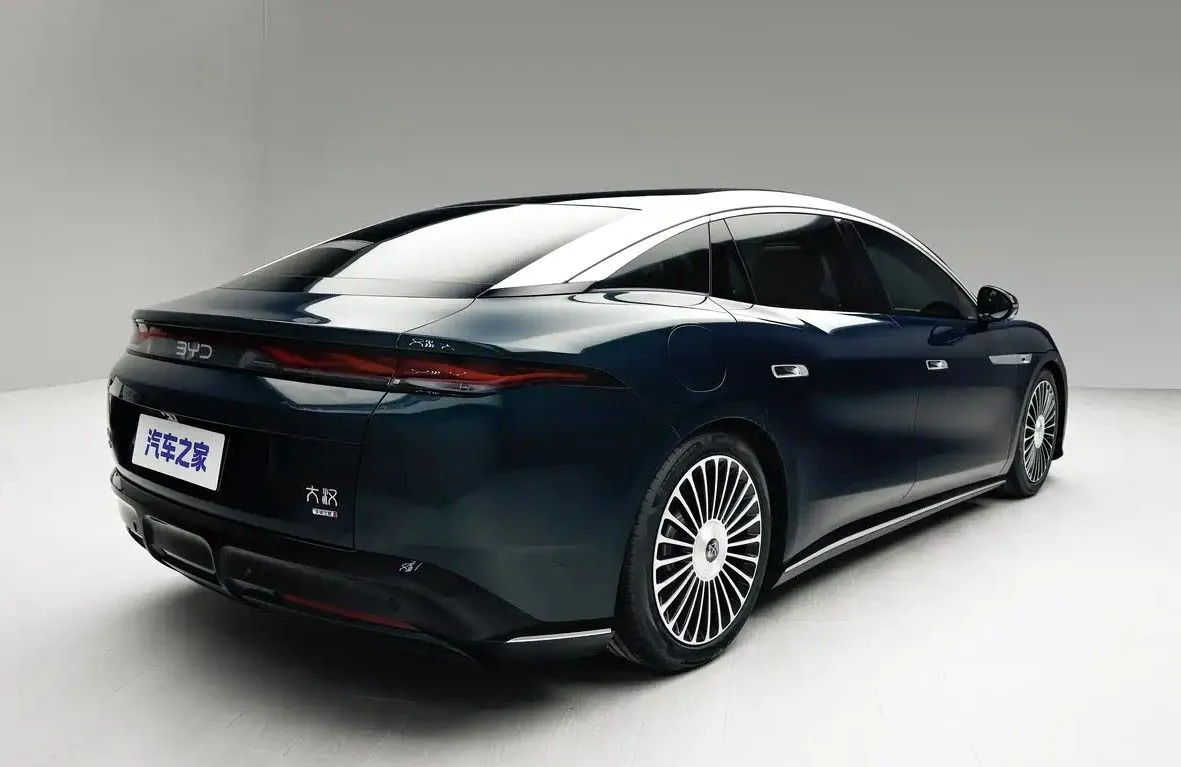
The Great Han is 5.26 meters long, 2.00 meters wide, and 1.51 meters high, with a wheelbase of 3.13 meters. In terms of dimensions, it slightly exceeds the Tesla Model S and Lucid Air, approaching the size of large luxury sedans. Here, BYD opts for a low and elongated body shape with proportions that balance presence with interior space.
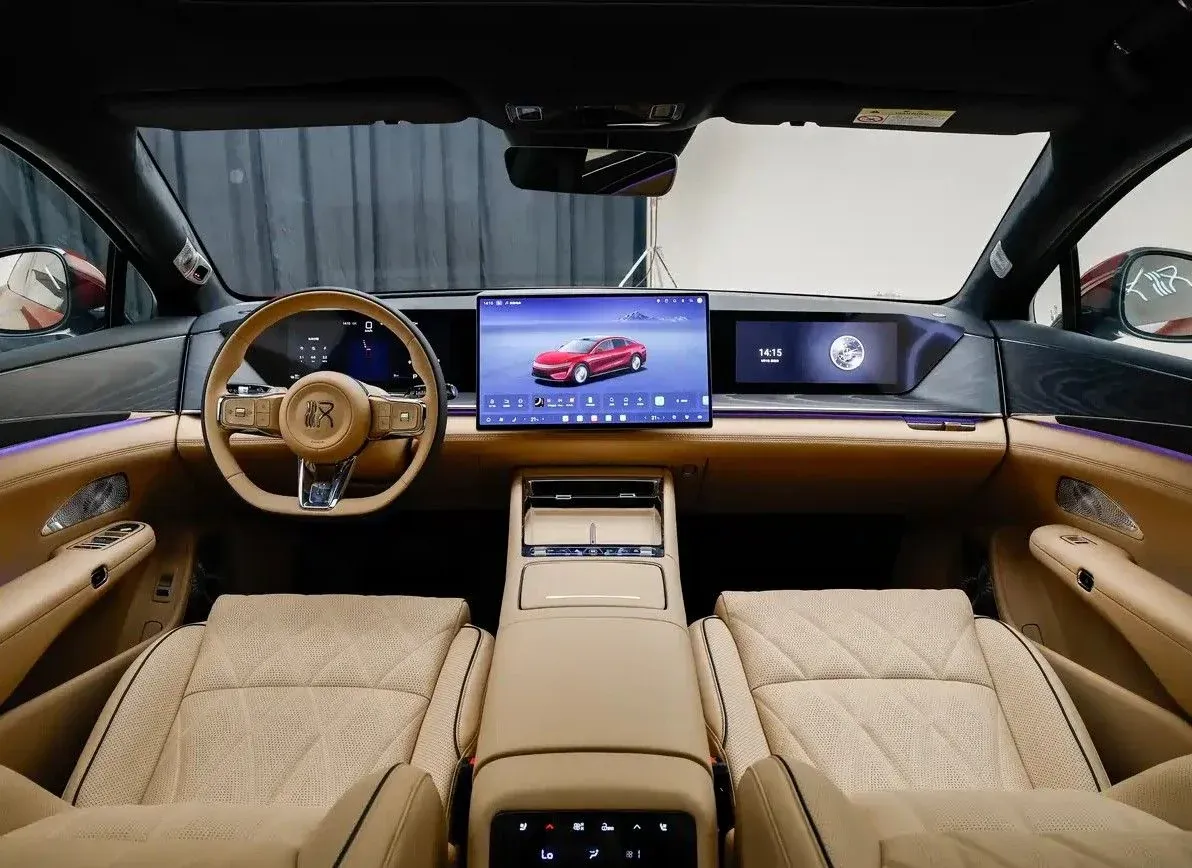
The equipment also makes clear its target market. All versions come equipped with DiSus-A dual-chamber air suspension, rear-wheel steering, and “zero-gravity” front seats designed to provide a more relaxed seating position. Rear-wheel steering is particularly interesting for a car of this size, aiding in maneuverability and urban driving.
This is complemented by a LiDAR sensor installed on the roof and the God’s Eye B driving assistance system. Its feature set includes advanced assistance for highway and urban driving, as well as remote parking. These are features BYD aims to leverage to compete in terms of technology and comfort, two critical factors for buyers in this segment.
The range offers two mechanical configurations. The rear-wheel-drive versions are equipped with a 370 kW (503 HP) engine, while the all-wheel-drive variant adds a front engine of 200 kW (272 HP). This latter configuration achieves a combined power of 570 kW (775 HP), a figure that places the Great Han among high-performance electric sedans.
All versions use a second-generation Blade battery with a capacity of 102.3 kWh, offering a range of up to 1,008 km under CLTC conditions in the rear-wheel-drive variants and 880 km under CLTC conditions in the all-wheel-drive version. According to our estimates, its most powerful version might achieve around 877 km under WLTP conditions.
The other major advantage is fast charging. With Flash Charging technology, BYD claims the Great Han can go from 10% to 70% in five minutes, while it takes nine minutes to charge from 10% to 97%. These times require a compatible charging station and optimal conditions, but they explain much of the interest this new generation of the brand’s electric cars is generating.
This combination makes a lot of sense for a sedan designed for travel: a large battery, a low chassis, and the ability to regain a significant amount of energy during a short stop. The real test will be seeing how this translates into range and charging times during actual trips, especially on highways.
In China, the BYD Great Han is available in three versions, with prices ranging from approximately 31,600 to 37,000 euros at current exchange rates. These are Chinese market prices that cannot be directly compared to those here, but they remain quite competitive for its segment in its home market.
A representative sedan that has almost everything, and we will see if it makes it to Europe, and more importantly, at what price.