
1,000,000 electric vehicles for just 150 € per month: what if this French experiment spread to Spain?
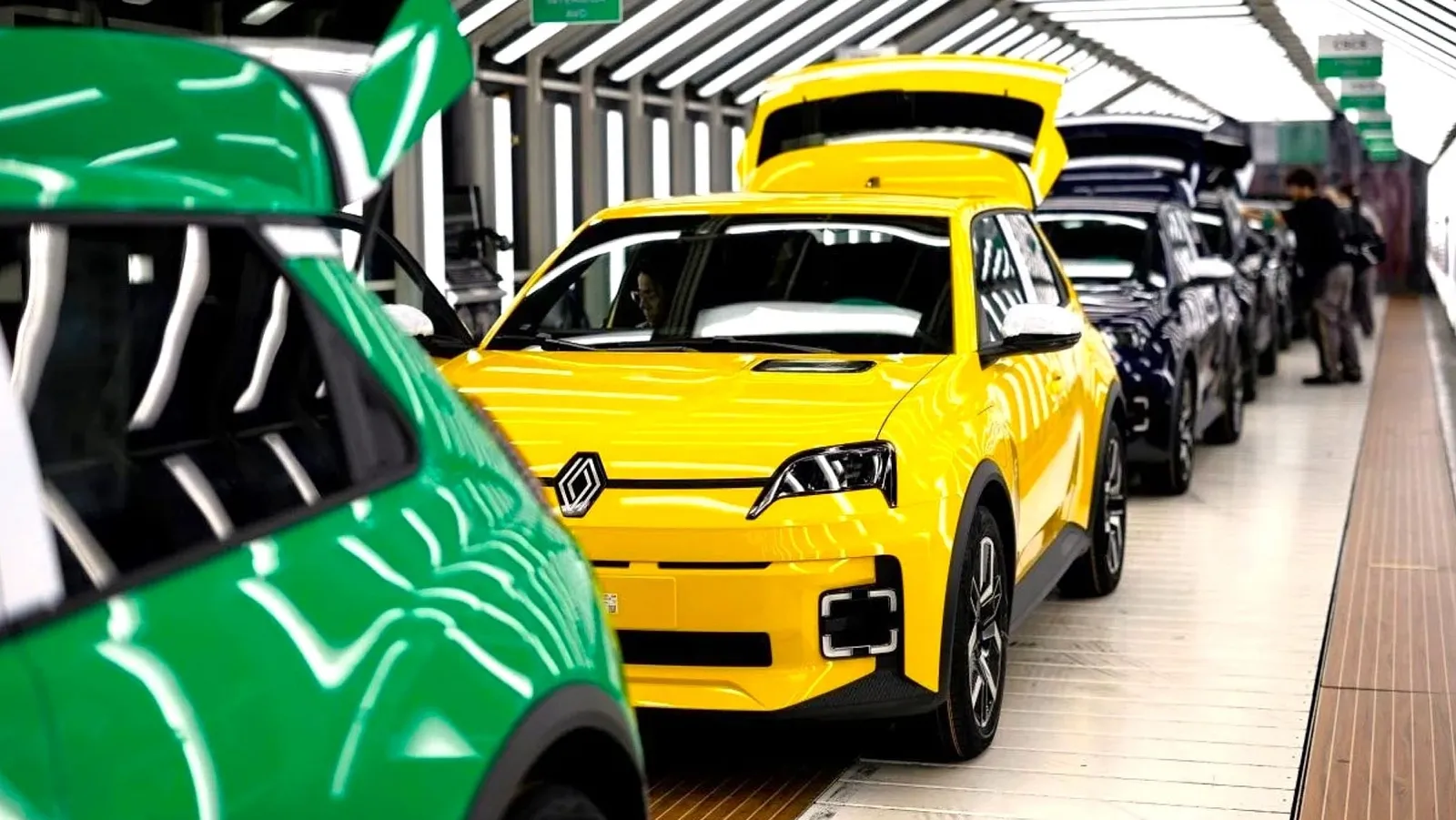
It is well known that Spain lags behind the European average when it comes to adopting electric vehicles. We also fall behind our neighbors, Portugal and France. The French country stepped up its efforts in 2024 by introducing what is known as social leasing, which rented electric cars to those with the lowest incomes at rates of less than 150 € per month, as electric models could be obtained for as little as 95 € per month.
This initiative continues this year, and due to its success, several deputies in France have proposed what seems insane: that the government purchase 1,000,000 electric vehicles and rent them out at an average rate of 150 € per month. The program would target citizens with the lowest incomes and is set to begin operating in 2028.
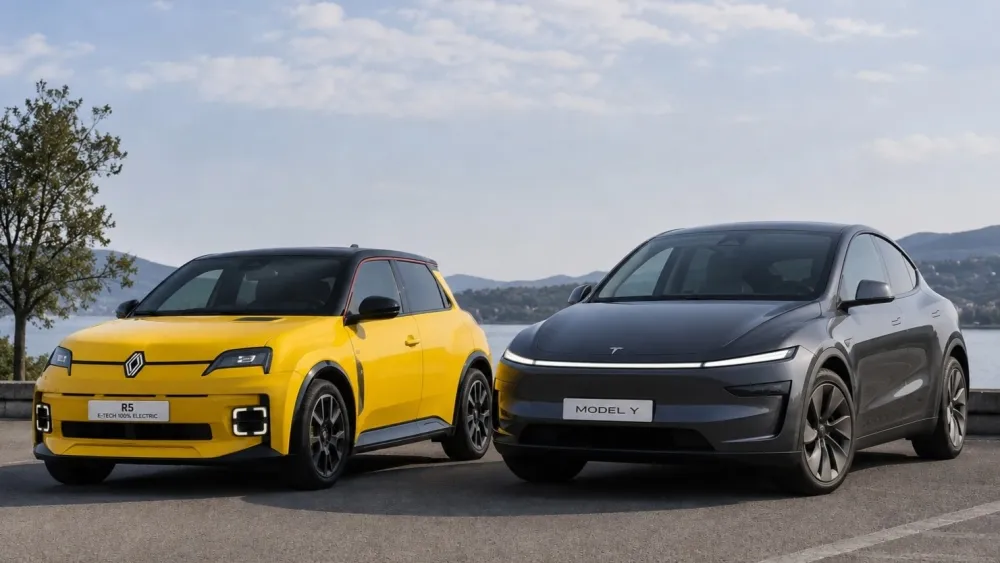
A crazy idea of providing 1,000,000 electric vehicles, modeled after France’s social housing program.
If the social leasing scheme involves agreements with various electric vehicle manufacturers to subsidize their rental costs… and has been sustained through several temporary campaigns; this extreme proposal would turn the market for battery-powered vehicles in France upside down.
According to the proposal, the electric cars would belong to the French state, which would negotiate with manufacturers regarding their acquisition and financing. Once purchased, this agency would manage their leasing—external operators could also be hired for this task—and make them available to beneficiaries at the aforementioned average price of around 150 € per month, excluding insurance, with the price adjusted annually based on inflation.
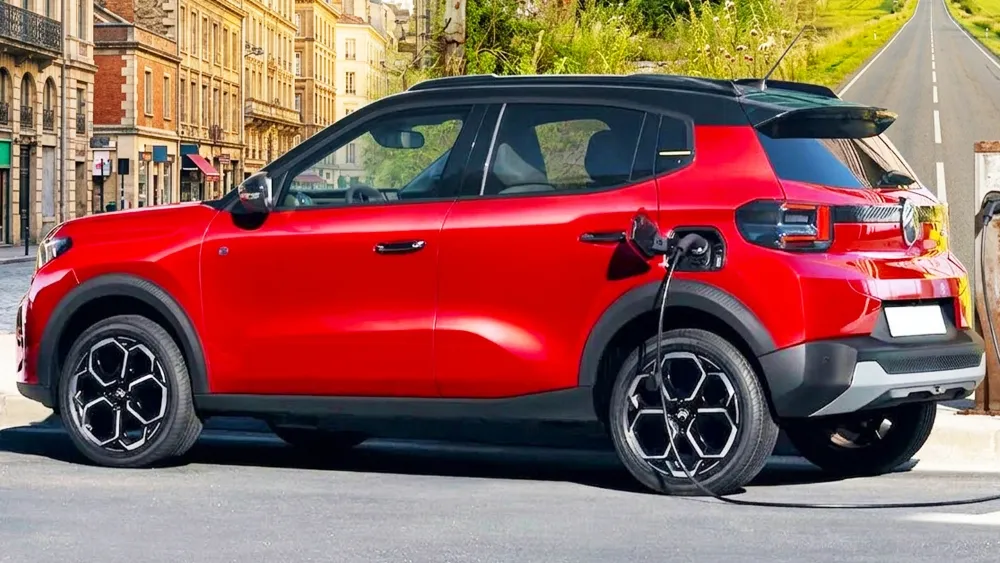
This crazy proposal at 150 € per month would cover vehicle maintenance, roadside assistance in case of an accident, and even tire changes. But what’s most interesting is that according to the plan, these electric cars could remain in this futuristic public vehicle park for up to 12 years, during which time they could be rented out successively to several households, as long as their condition permits.
What happens after those theoretical 12 years? The last renter could purchase each of those 1,000,000 vehicles at their residual value.
The fine print of this crazy proposal
This scheme would be reserved for households in France with incomes below half the average income — with a single car per family unit — as well as for those with family or mobility constraints.
This proposal would also include a social allowance of 400 € at the start of each contract, intended explicitly to “facilitate administrative procedures, vehicle operation, and the installation of a charging solution.”
Regarding those 1,000,000 vehicles, parliamentarians have proposed this “madness” in a very logical manner, stating that the government should purchase electric cars weighing less than 1,800 kg—based on the future lightweight electric vehicles E-Cars or M1e planned by the EU—with an average price of 20,000 €. Manufacturers should then deduct at least 25% due to the bulk purchase, resulting in a final price of 15,000 €.
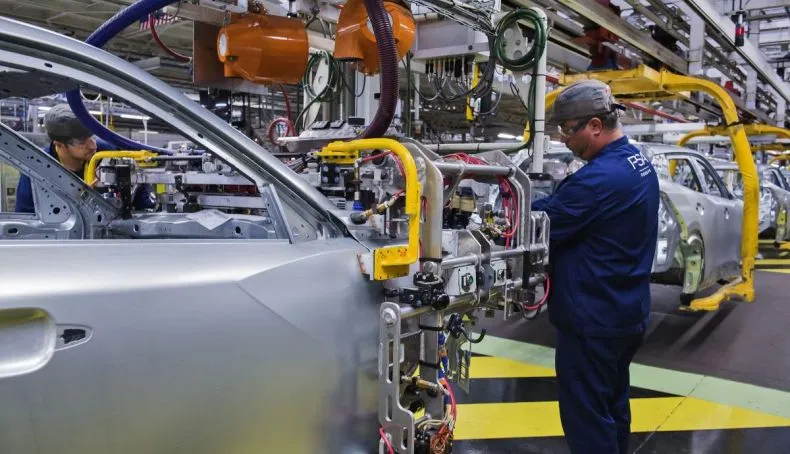
Finally, the electric vehicles selected for this potential program should meet a minimum environmental score regarding energy consumption and battery durability, and they would also receive advantages in bidding due to the origin of their components and place of manufacture—following the EU’s “Made in Europe” philosophy, which has been criticized by both Mercedes and Toyota.
While this radical proposal was indeed put forward, there is still a long way to go before it can be approved. Several deputies have submitted it to the National Assembly—equivalent to Spain’s Congress—and it has been referred to the Committee on Sustainable Development for review before any possible parliamentary proceedings.
Could something similar happen in Spain?
To be honest, it doesn’t seem likely. The reason is that while France already has a higher penetration of electric vehicles, it’s not only due to the current social leasing program but also because of a more extensive charging network and, frankly, lower prices that allow families to afford electric cars—some of which are even more expensive than those with internal combustion engines.
But if there’s any reason why this crazy proposal can’t be replicated in Spain, it’s due to... the actions of our country’s government. Despite the current Plan Auto+, Spain has not reduced taxes on electric cars—only allowing a limited tax deduction on personal income tax up to 3,000 €—something the automotive industry has been asking successive governments of all political leanings for years and years.
And so far, despite the announcement of elections on November 29th, as of the end of this article, none of Spain’s major parties have put forward a concrete proposal to increase the adoption of electric cars. This is a priority for France but not here.