
1,000 km range, 400 Wh/kg and 132 euros/kWh: Gotion sets a date for the shift to solid-state batteries
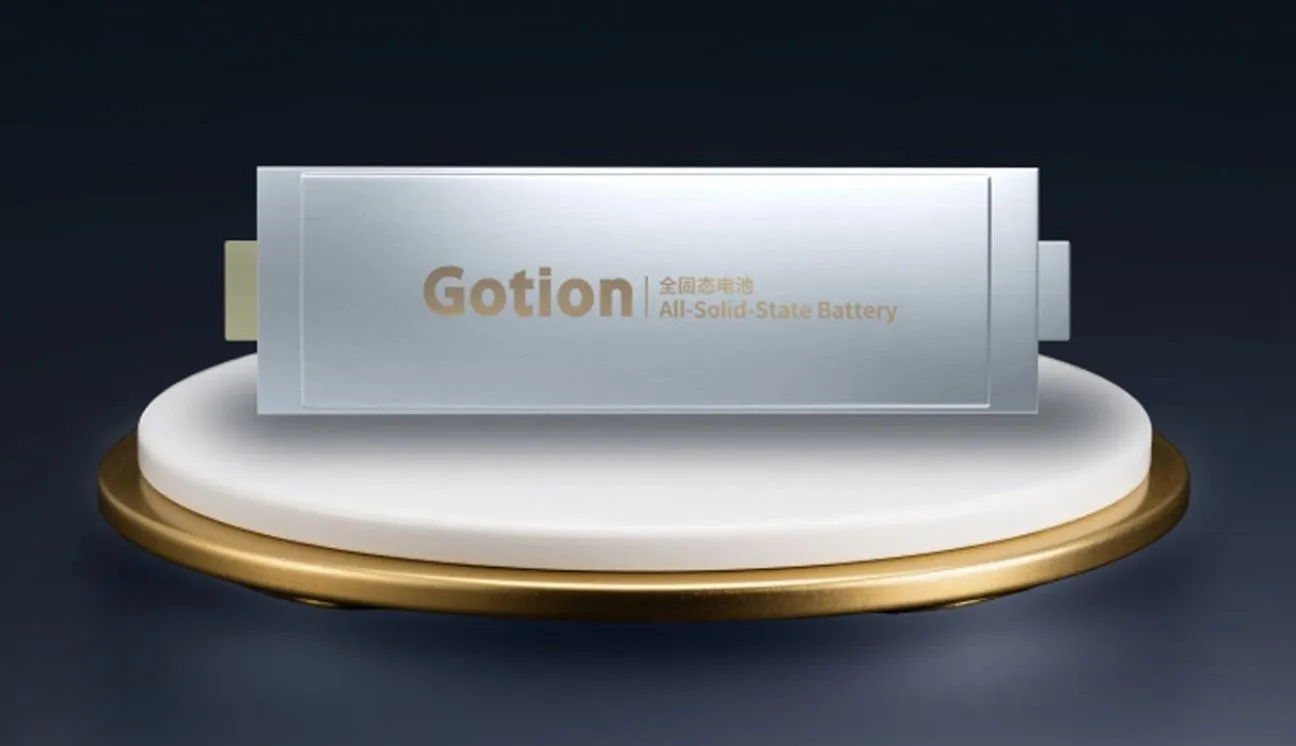
Gotion claims to have taken another step forward with solid-electrolyte batteries, a technology that has for years promised significant improvements in range, safety, and energy density. The Chinese company has unveiled its latest advancements, presenting figures that suggest a major leap forward in this field.
This news comes at a particularly interesting time for Gotion in Europe. The company has recently strengthened its ties with Volkswagen and will have direct involvement in the factory in Sagunto, Valencia. This move helps explain why the latest developments from this Chinese company are becoming increasingly important on this side of the world as well.
Gotion preparing to transition from conventional batteries to solid electrolytes
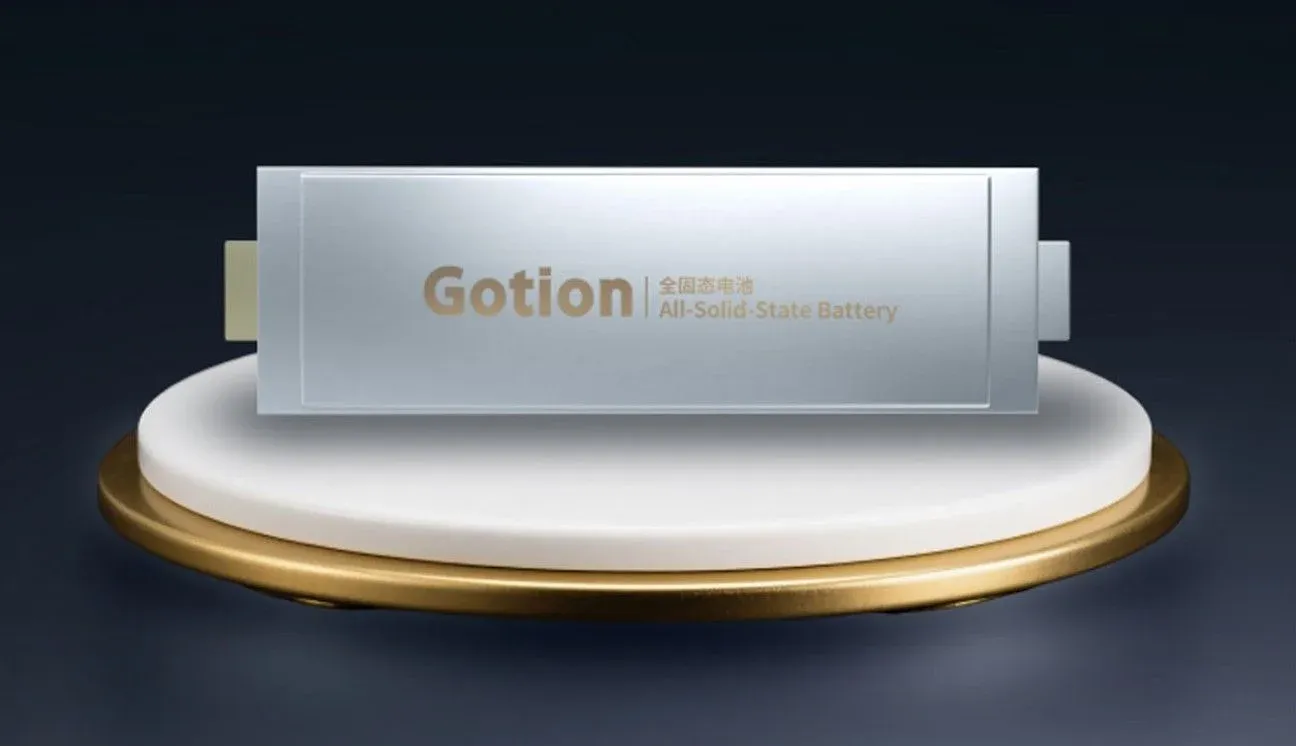
Gotion’s solid-state batteries, known as Gold Rock, have passed various safety tests, with their next goals being to achieve an energy density of 400 Wh/kg and gradually reduce manufacturing costs to around 132 euros per kWh.
In theory, this represents a significant improvement over the batteries currently used in most electric cars. A higher energy density allows more energy to be stored without a proportional increase in the weight and volume of the battery pack, which is particularly useful for extending range without relying on increasingly larger batteries.
Gotion claims its new cells have been subjected to extreme tests, including drilling and high-temperature trials. According to the company, these cells produced no smoke or flames during the tests. These are results announced by the manufacturer itself, but it remains to be seen how they can be scaled up for industrial production and, most importantly, integrated into complete batteries installed in cars.
The Jinshi technology uses a solid electrolyte based on sulfides, one of the solutions various manufacturers are exploring to replace the liquid electrolytes used in conventional batteries. Gotion had previously reported a density of 350 Wh/kg for this technology and is now raising its target to 400 Wh/kg.
Numbers that, on paper, will enable breaking through the barrier of 1,000 km of real-world range—unofficial figures—that for many represent a turning point for the entire industry.
The company has been working for some time to turn its laboratory developments into industrial technology. In March of this year, it confirmed that it had largely completed the design of a 2 GWh production line for solid-electrolyte batteries. Prior to that, it had launched a 0.2 GWh pilot line aimed at validating the technology and manufacturing processes.
This is probably the most important part of the entire announcement. Achieving a cell with high energy density in laboratory conditions is one thing; manufacturing millions of such cells using this technology, at a high production rate, with controlled costs and a lifespan suitable for cars, is something entirely different. Gotion is precisely trying to cover that final stretch, which they expect to complete between 2028 and 2029, when the first commercial models will roll off the production line using these cells.