
100 GWh of capacity, sufficient to power 60,000 electric cars per year: CATL launches its Hungarian battery plant
23/09/2026 16:30
Updated to
23/09/2026 16:30
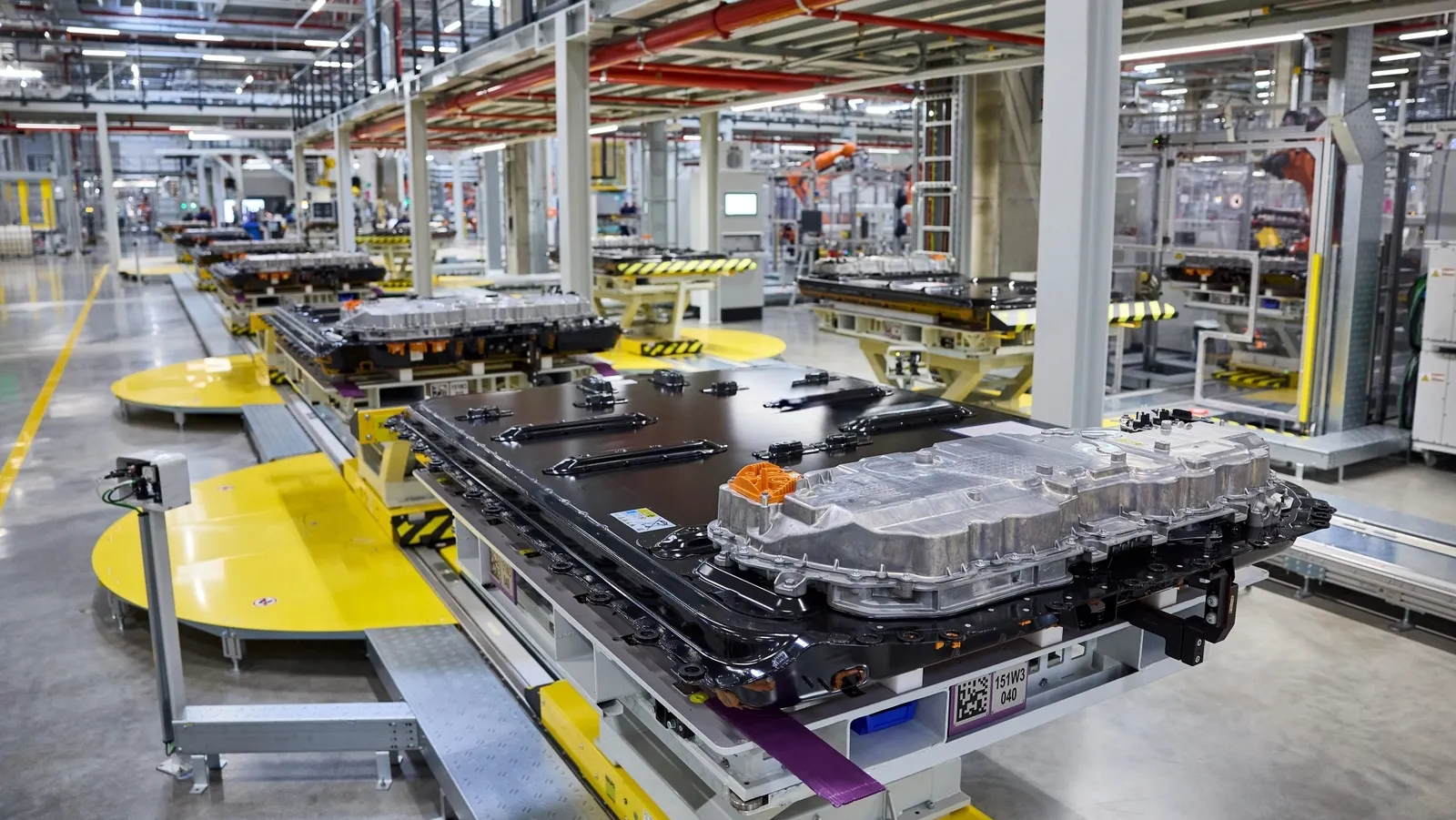
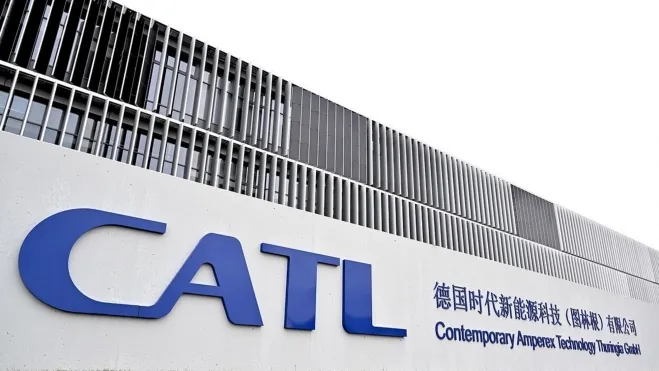
After months of procedures, delays, and various regulatory hurdles, CATL has finally given the green light to its plant in Debrecen, Hungary. The factory was announced in 2022. The world’s largest battery manufacturer has begun trial production of cells at this facility, which is set to become CATL’s largest manufacturing base outside China, with a planned capacity of 100 GWh.
According to the company itself, this milestone comes after successfully meeting all necessary prior and regulatory requirements — a significant step given the plant’s recent history, marked by inspections and temporary suspensions of operations. For months, Europe has sought to delay its startup due to the strategic risk it poses to the continent’s energy interests. One in three batteries installed in electric or hybrid vehicles is produced by CATL.
A testing phase to adjust machinery and processes
The pilot production phase that is now underway is designed to configure, optimize, and validate the manufacturing equipment and production processes before moving on to large-scale mass production. Currently, the plant’s first two production lines are already operational for these testing tasks. However, although the total planned capacity for Debrecen is 100 GWh, the plant’s first phase is in pilot production with a capacity of 34 GWh.
This launch comes after a period of intense regulatory scrutiny. Earlier this year, the Hajdú-Bihar county government office ordered a temporary suspension of operations in certain areas of the plant due to workplace safety concerns related to nickel exposure. This incident affected nine employees. Following this, CATL implemented strict corrective measures. Hungarian authorities have confirmed that the company has resolved all previously identified deficiencies, allowing the project to move forward.
It had been producing modules for two years already
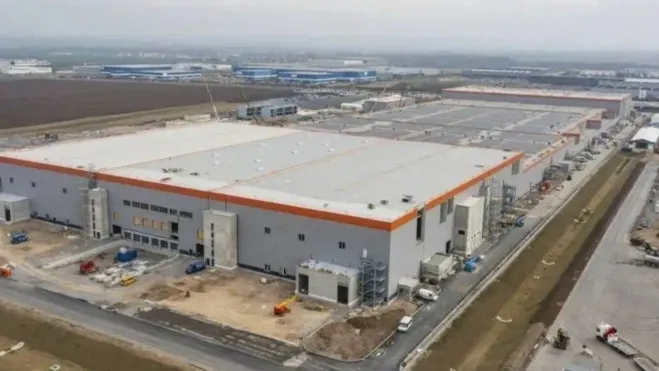
Beyond the new cell lines, Debrecen’s plant has been operating since autumn 2024 to manufacture battery modules, with an accumulated production of 537,000 units to date. This facility serves as a strategic hub for Europe’s automotive industry, supplying major manufacturers that have already established significant electric vehicle production capacity in Hungary.
The company has stated it will continue to work closely with the Hungarian government and local authorities. During the testing period, factors related to employee health, safety, and the environment will be under continuous monitoring, with results proactively reported to regulatory bodies.
A Factory in the Eye of the Storm
The political and regulatory environment surrounding the plant has not been free of controversy. According to one source, the plant faces constant penalties. In their account, a fine of around $31,000 for issues such as an unlocked door or the lack of warning signs in Hungarian (with only Chinese available) was disproportionate, as such violations typically result in corrective or educational penalties of up to about $1,000 at most. Per the aforementioned source, the facility has since been inspected three times more with no new irregularities found, and the nickel issue stems from authorities refusing to grant building permits while still expecting the company to continue installing machinery without being able to operate ventilation and control systems.
emissions.