
10 new and cheap cars coming in 2027
From small electric cars to affordable SUVs, there are plenty of new options that promise not to strain family budgets when it’s time to replace a car.
After years of rising prices and repeated announcements about the end of affordable cars, the market is showing signs that the future might be different—and, more importantly, cheaper.
New platforms, less expensive batteries, and better cost control are paving the way for a generation of vehicles that promise to make car purchases more accessible once again.
The ten new models for 2027 we’ve compiled in this buying guide are examples of this change. Most still don’t have confirmed prices for Portugal. Nevertheless, prices in other markets, the costs of their predecessors, and market positioning help us understand what to expect: models sharing one common feature — low prices.
These prices may become even more affordable in electric models thanks to new incentives for low-income families to purchase electric vehicles.
Dacia Spring
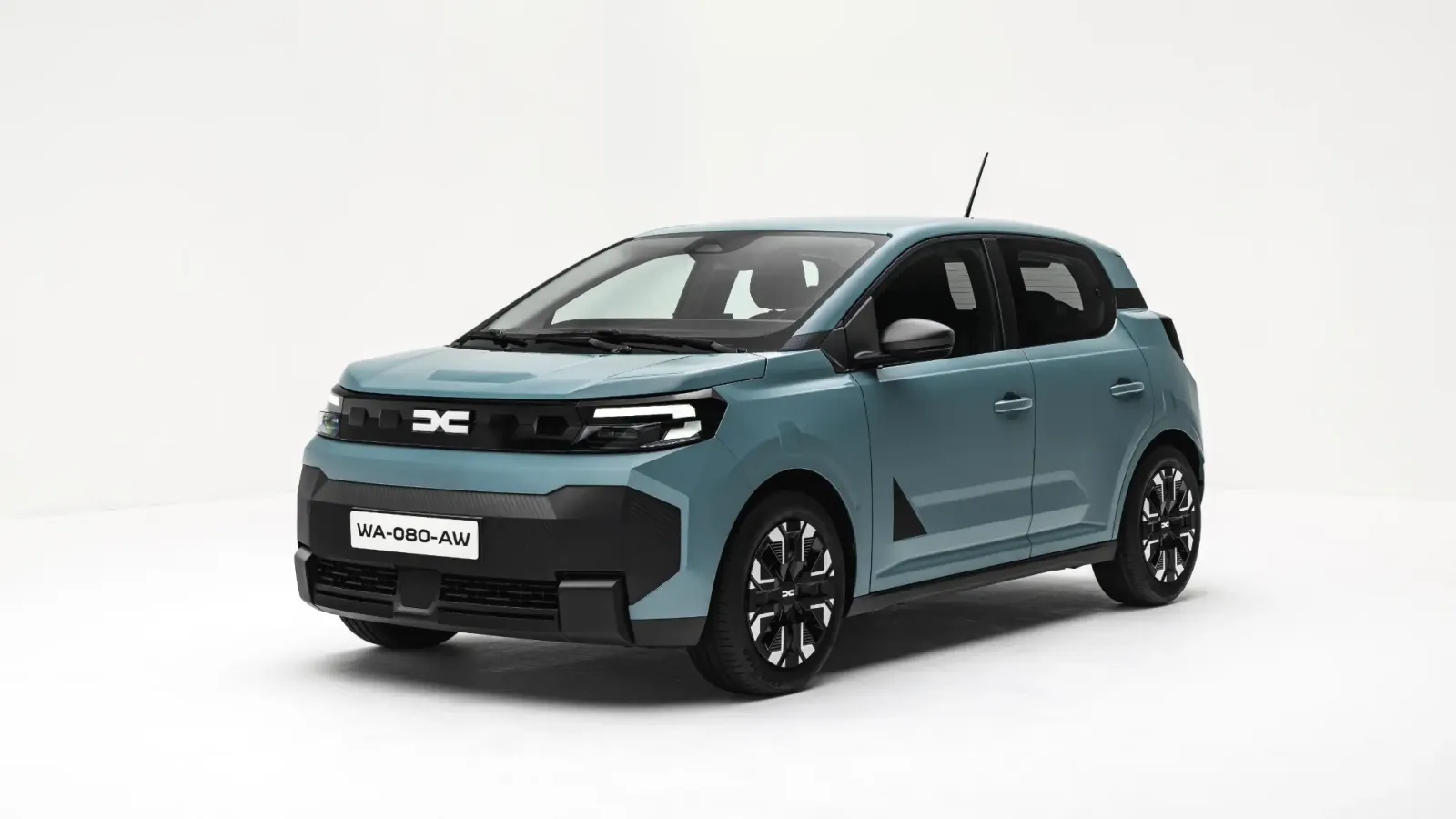
We start this list with one of the biggest news items of the year and a car that promises to be one of the most affordable on the market. Compared to its predecessor, the new Dacia Spring retains only two things: its name and its low price.
Based on the Renault Twingo platform, the new Spring features a 27.5 kWh LFP battery with a useful capacity that allows it to travel up to 250 km in combined WLTP cycles. All this while it promises to be more spacious and robust than its predecessor.
The Romanian brand has not yet announced the final price, but in statements to Razão Automóvel, it suggested a price in the range of 17,000 euros, which, if confirmed, would make it the cheapest electric vehicle on the market.
SEE ALSO:
I tested the Dacia Spring. Is it worth waiting for the new one?
Dacia Striker
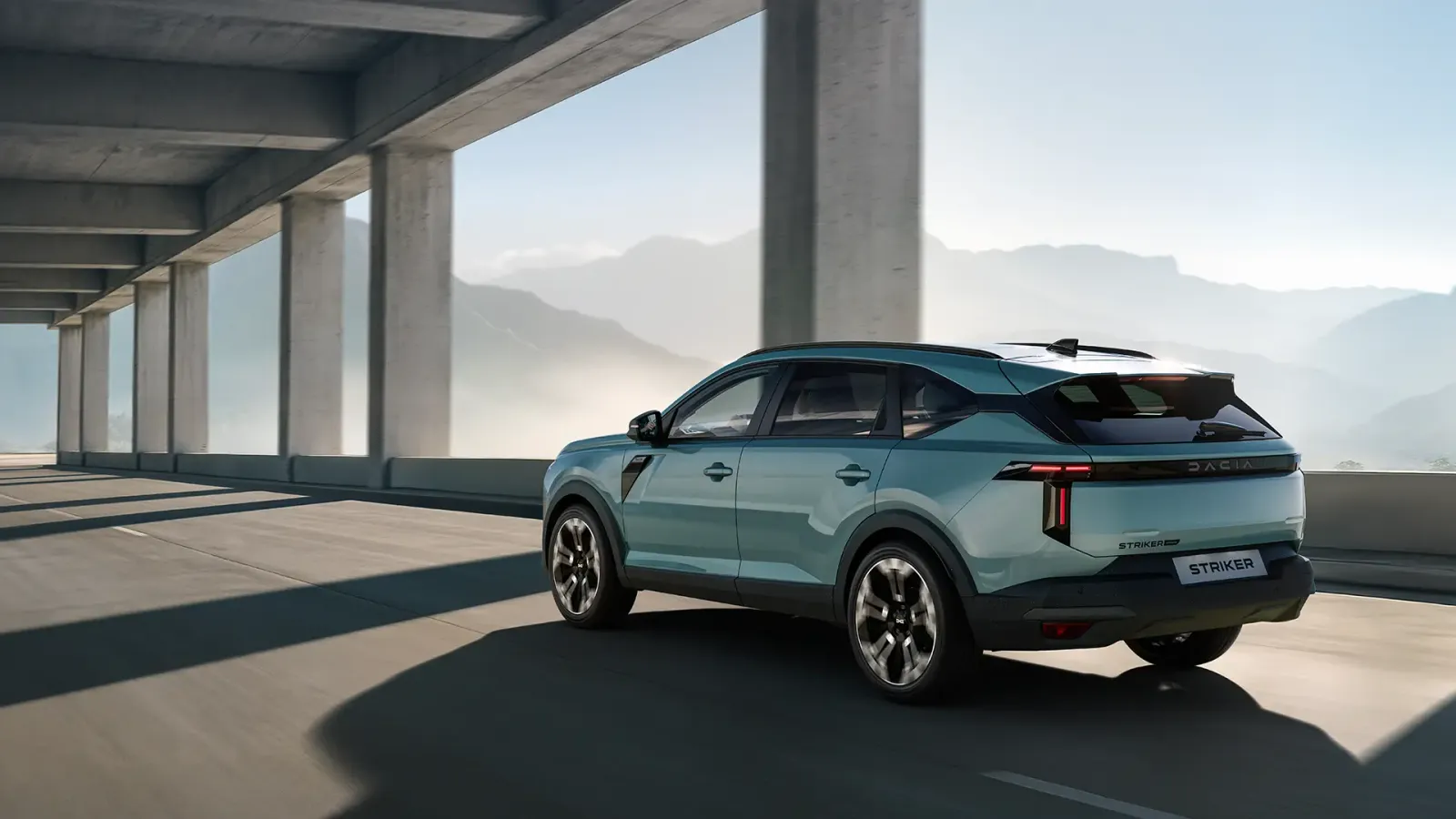
Vans seem to have more future than many expected. Proof of this is the Dacia Striker, another major new model from the Romanian brand.
If the Spring is designed for city use, this “rolled-up pants” van aims to be a solution for families seeking space and versatility.
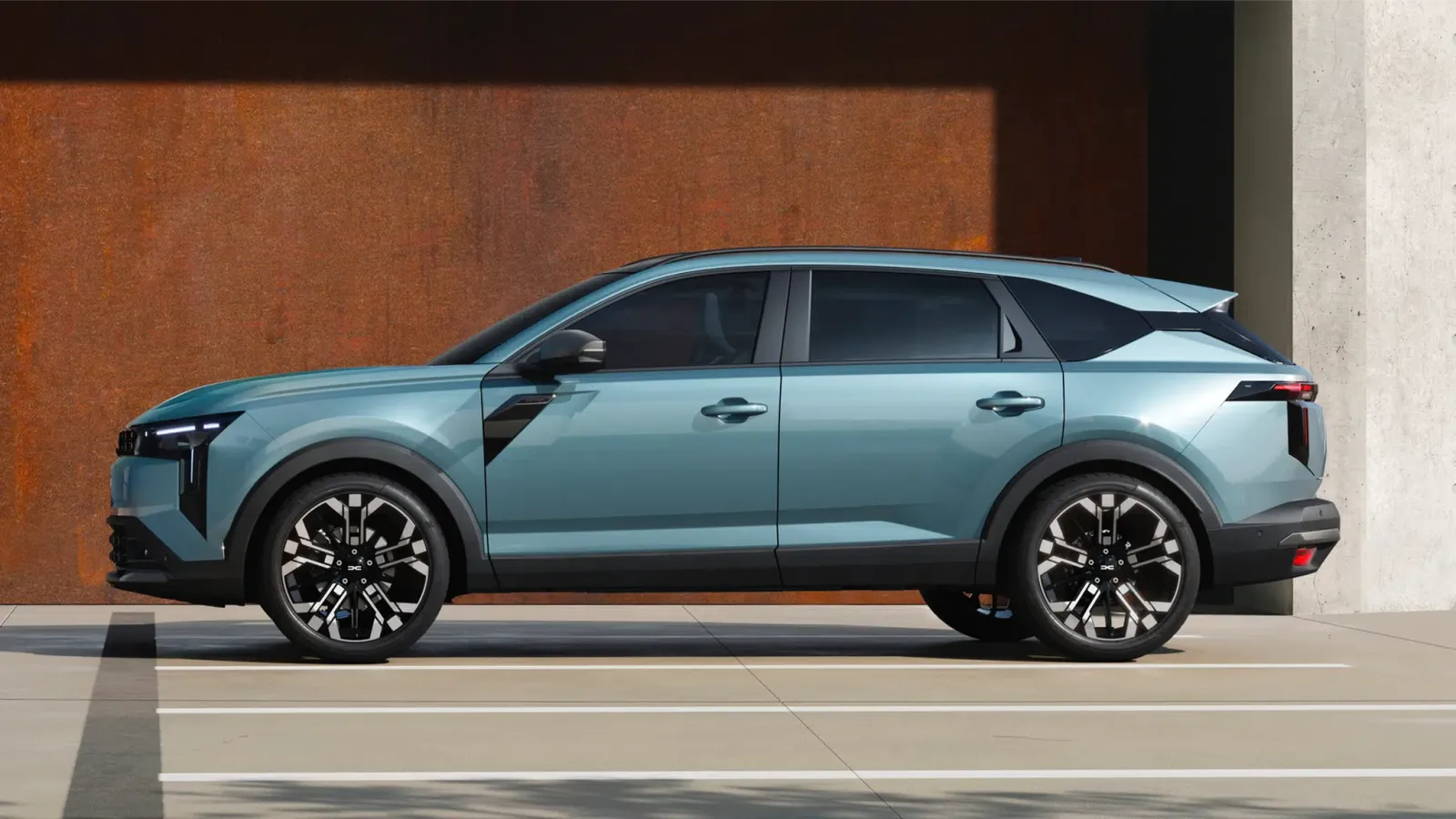
Positioned at the top of the Dacia range alongside the Bigster, the Striker focuses on providing ample space for passengers and luggage, all while maintaining the simplicity and cost-efficiency that define its brand identity.
The range includes several electrified powertrains, such as a GPL mild-hybrid version, a hybrid model, and a hybrid variant with all-wheel drive. Prices are already available: the GPL mild-hybrid version starts at 23,850 euros, while the top-of-the-line Hybrid 150 4×4 costs up to 32,200 euros.
Discover your next car:
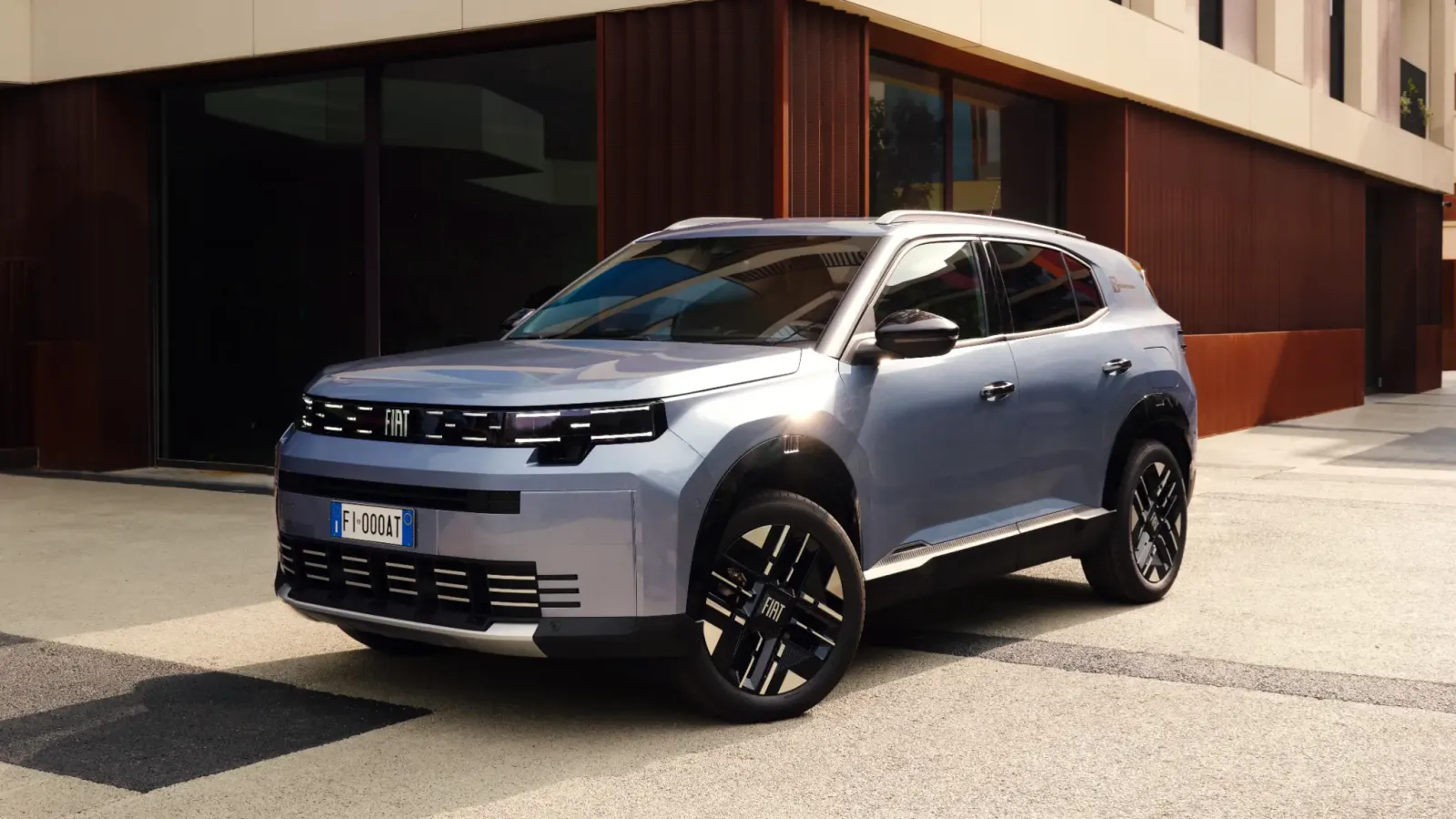
FIAT Grizzly
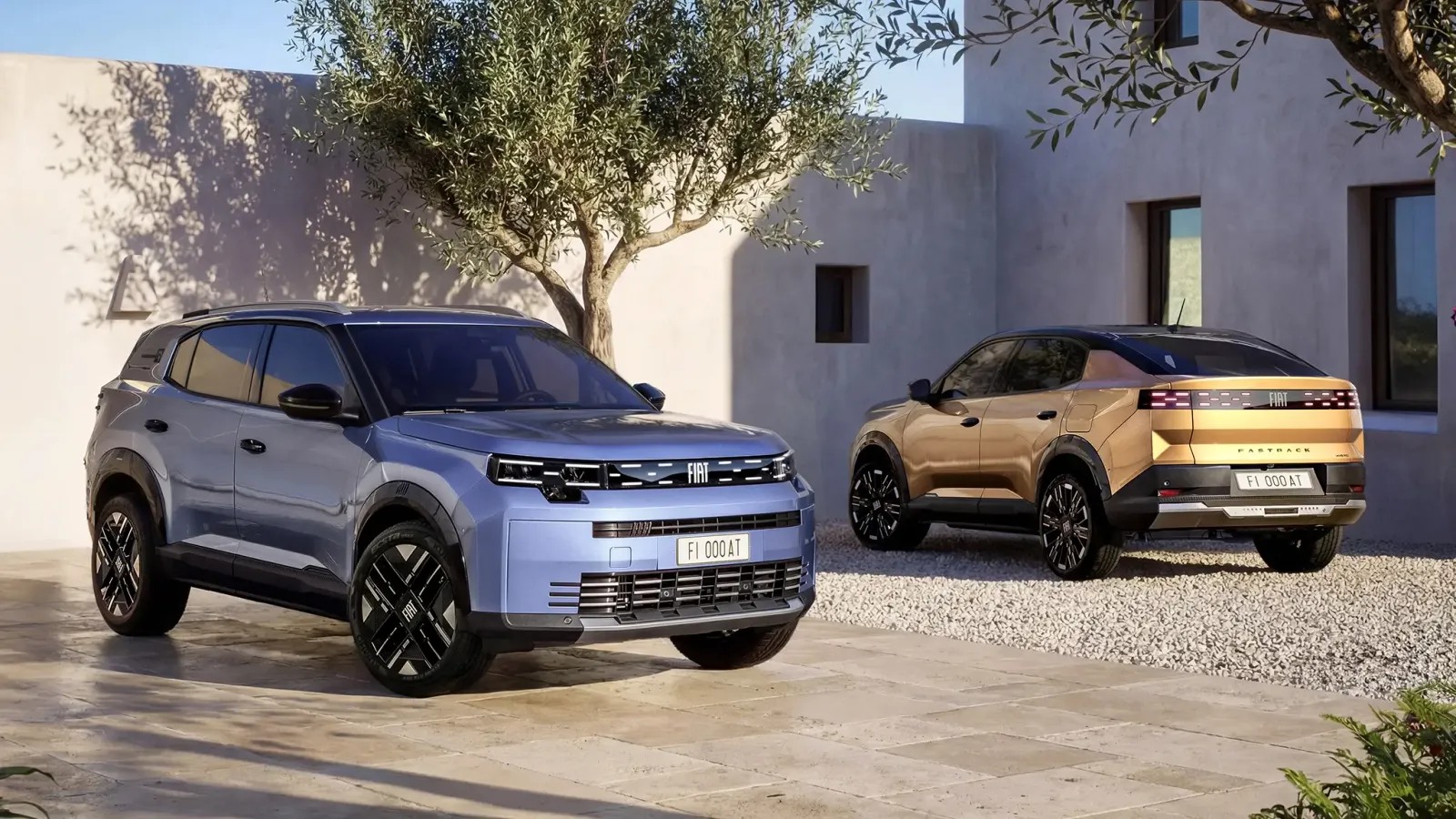
FIAT’s “bear family” continues to grow. Following the success of the Panda and the introduction of the Grande Panda, the Italian brand is betting on the Grizzly to re-enter a segment it has been absent from since the disappearance of the Tipo.
Acting as a response to the Duster/Bigster duo, the Grizzly promises ample space for passengers and luggage, along with a diverse range of mechanical options including gasoline and mild-hybrid versions, as well as 100% electric models with manual or automatic transmissions and power outputs up to 145 hp.
SEE ALSO:
FIAT claims Euro NCAP ratings don’t matter
The European debut took place at the Paris Motor Show, where we were present, and it is expected to hit the market in the last quarter of 2026, though its prices have not been revealed yet.
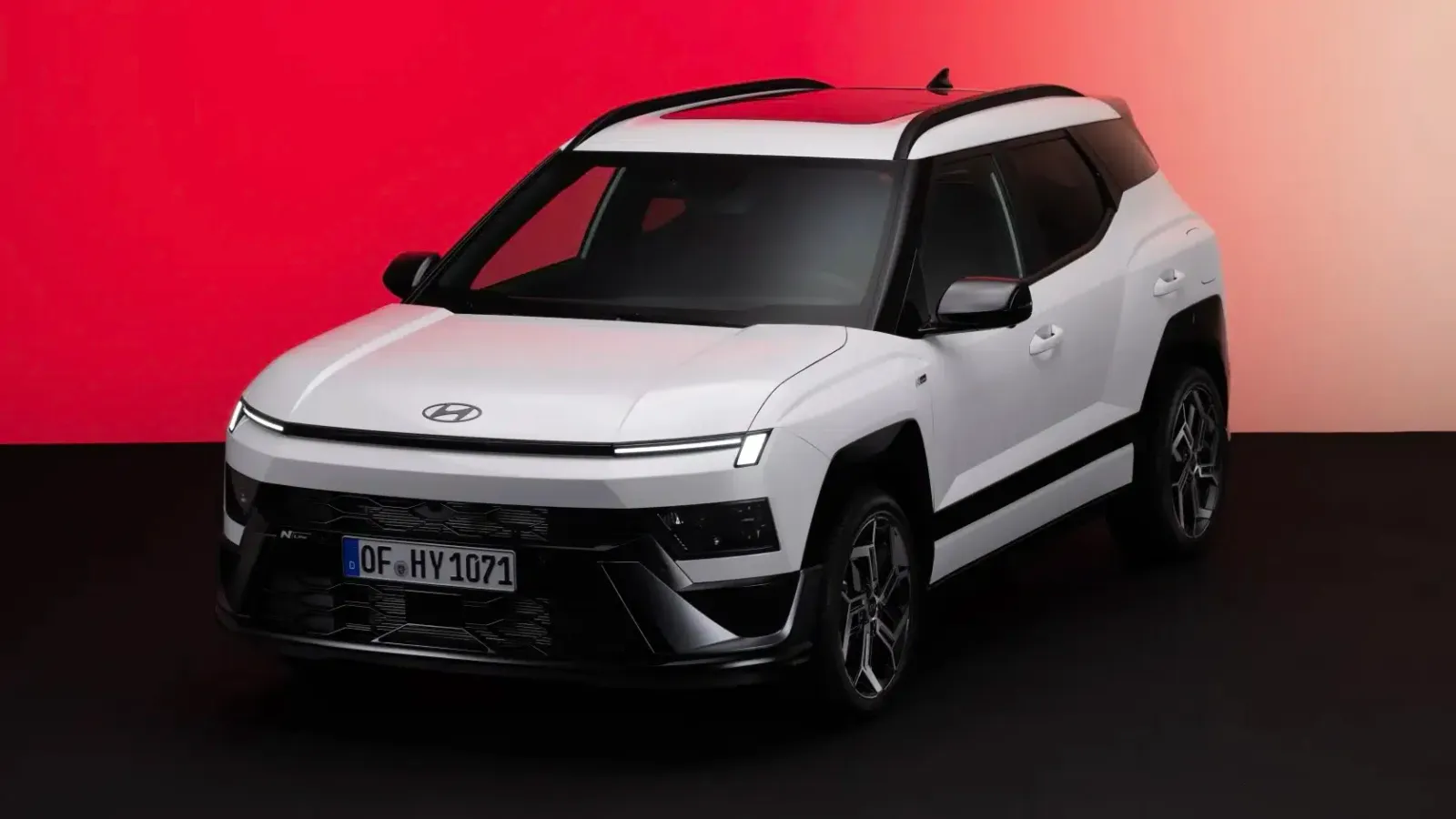
Hyundai Bayon
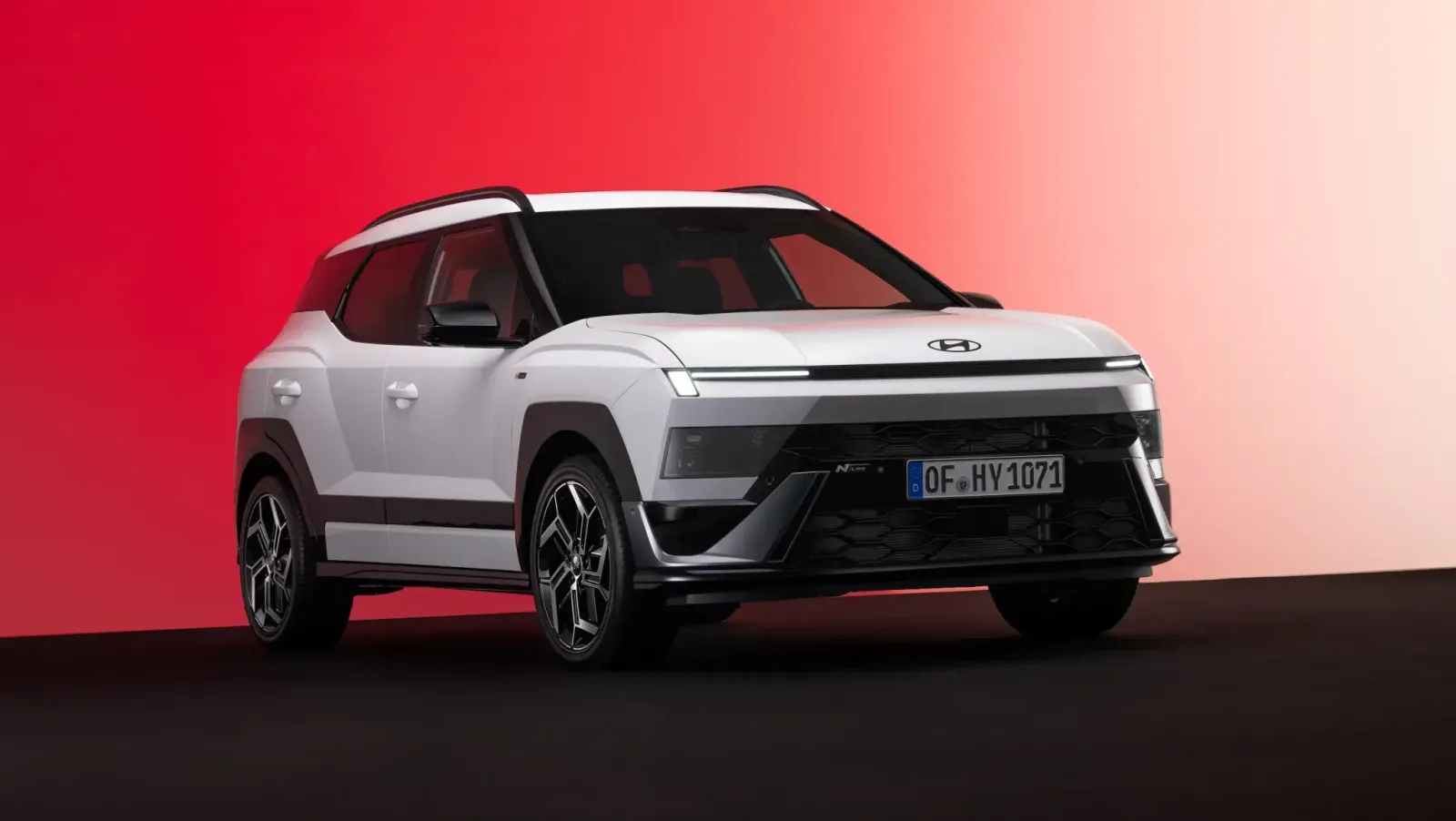
Unveiled at the Paris Motor Show, the Hyundai Bayon has been completely redesigned. Bigger and featuring a design inspired by the equally new Tucson, the Bayon promises improved interior space, especially in the rear seats.
The trunk capacity has also increased, making Hyundai’s new SUV a particularly attractive option for families. Initially, the range will consist of two versions of the 1.0 T-GDi gasoline engine with 90 or 115 horsepower. Later, in 2027, they will be supplemented by a hybrid version with 138 horsepower.
The new Bayon will hit the market in the first quarter of 2027, with prices expected to start at 26,000 euros. The hybrid version is likely to cost over 30,000 euros.
Discover your next car:
Leapmotor B03
Leapmotor aims to continue expanding its presence in Europe, and the B03 is one of its key vehicles to achieve this goal. Introduced at the Paris Motor Show, the B03 is positioned below the B05 and seeks to compete with models such as the Volkswagen ID. Polo, Renault 5, or Citroën ë-C3.
Built on the Compact Electric Platform, the new electric utility vehicle will come in versions with up to 145 kW (197 hp). The announced range is up to 390 km (WLTP), and the fast charging system allows the battery to go from 10% to 80% charge in just 21 minutes.
The final price of the Leapmotor B03 remains unknown. The brand has not yet revealed the price for Portugal, nor confirmed the exact date of arrival in our market, but it is expected to be lower than the 24,285 euros quoted for the B03X.
Nissan Pixo
The second car on this list to share the platform with the Renault Twingo, the Nissan Pixo returns to the Nissan lineup as a 100% electric vehicle designed specifically for the European market.
Since it shares its platform with the Twingo and Dacia Spring, it’s not surprising to see the Pixo use a 27.5 kWh LFP battery and an electric motor producing 82 hp (60 kW). Interestingly, the announced range is slightly higher: 259 km.
First deliveries are expected in early 2027, but prices for Portugal have not yet been revealed. Still, the starting price is likely to be below or around 20,000 euros.
Peugeot E-208
The new generation of the Peugeot E-208 is getting closer by the day. With a launch scheduled for the second half of 2027, it will be one of the year’s highlights and is set to revolutionize a model that has long been among the brand’s bestsellers.
The new model is set to debut on the STLA One platform, developed for vehicles in Stellantis’ B, C, and D segments. As for its design, it appears to be inspired by the E-T16 Concept unveiled in Paris.
Given the current development stage of the new E-208, there are no definitive details yet regarding batteries, power output, or range, nor are prices known at this time.
One of the most interesting questions will be whether Peugeot can bring the price of the E-208 closer to that of the Renault 5. It’s worth noting that the current offer from Sochaux is more expensive.
Smart #2
After several years and a rebranding, Smart is returning to the formula that made it famous: a very small car with just two seats, designed for urban use.
The new Smart #2 takes over the role vacated by the Fortwo, and like its predecessor in its final years of production, it is entirely electric. Unlike that model, it features a “large car” battery with 35.8 kWh, giving it a range of up to 290 km.
The electric motor delivers 82 hp (60 kW), and the DC charging capacity reaches 65 kW.
Unlike many of the models on this list, the Smart #2 already has prices listed for Portugal, and they are almost as low as those for city cars: starting at 19,990 euros. Pre-orders for the new Smart #2 have already opened, with first deliveries expected in the summer of 2027.
Suzuki and SKY
With extensive experience in the city car segment, Suzuki has the eSKY as its response to the trend of cheap electric vehicles. At 3.40 meters long, with four seats and a weight of just 1,030 kg, it was developed as a kei car and is set to arrive in Japan this year. However, there are plans to launch it in Europe in 2027, which is why it was included in this list.
Its specifications have not been revealed, but we know that despite the LFP battery having only a 26 kWh capacity, its range is expected to be around 310 km. This figure is impressive, but two caveats apply. First, the 310 km is still a value from the prototype stage. Second, it was determined using Japan’s WLTP testing cycle, which differs from the one used in Europe.
Regarding its launch in the «Old Continent», according to Nikkei Asia, the UK and Italy are among the potential markets, with no information available about Portugal. Official prices have not been revealed either, but estimates suggest it will cost less than 20 thousand pounds (around 23 thousand euros).
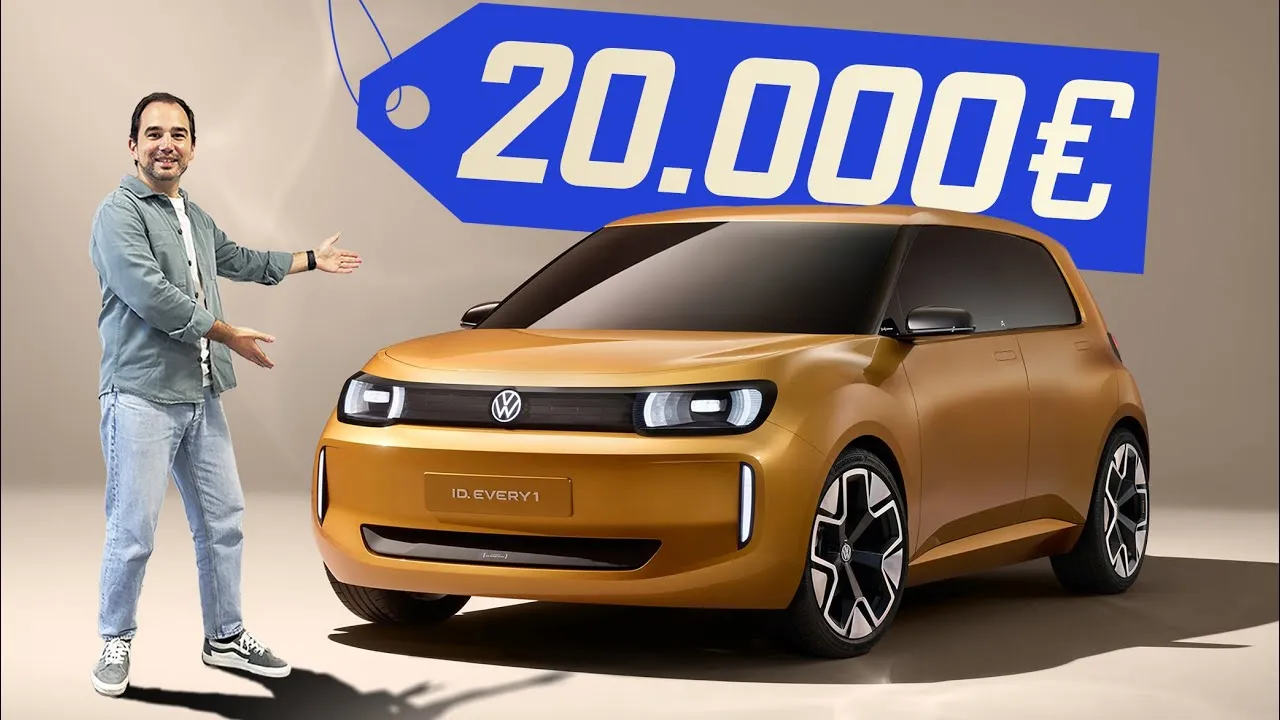
Volkswagen ID.1
Following the launch of the ID. Polo, Volkswagen is preparing to introduce an even more affordable model. Its name has not been disclosed yet, so we continue to refer to it as ID.1, but one thing is certain: it will be produced at Autoeuropa in Palmela, alongside the T-Roc.
So far, Volkswagen has only revealed the prototype, and about the propulsion system we know only that it will have front-wheel drive, the electric motor will deliver 95 hp (70 kW), the top speed will be 130 km/h, and the minimum range will be 250 km. The battery capacity has not yet been disclosed.
As for the price, it is ambitious: Volkswagen aims to offer an electric vehicle with a starting price below 20,000 euros. If this figure holds true, the electric vehicle produced in Portugal will be one of the cheapest in Europe.