
10 to 80% in 6 minutes: Is BYD’s ultra-fast charging damaging batteries?
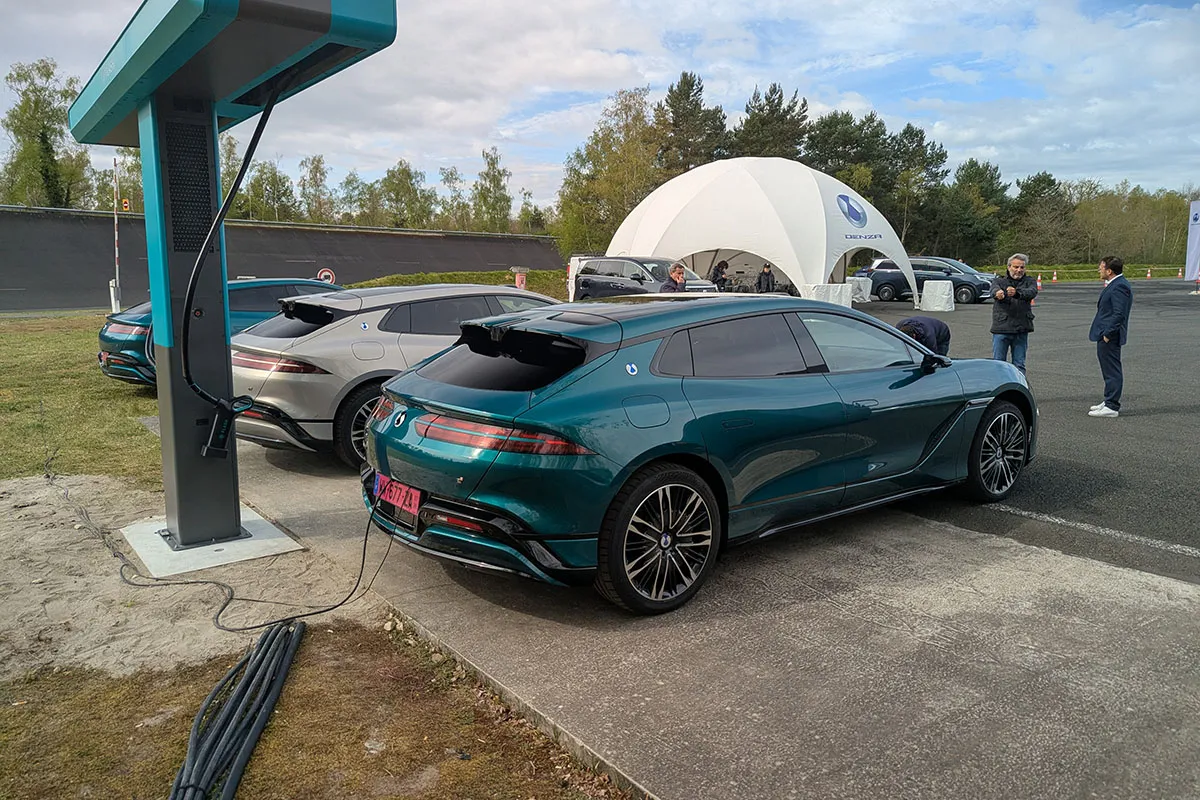
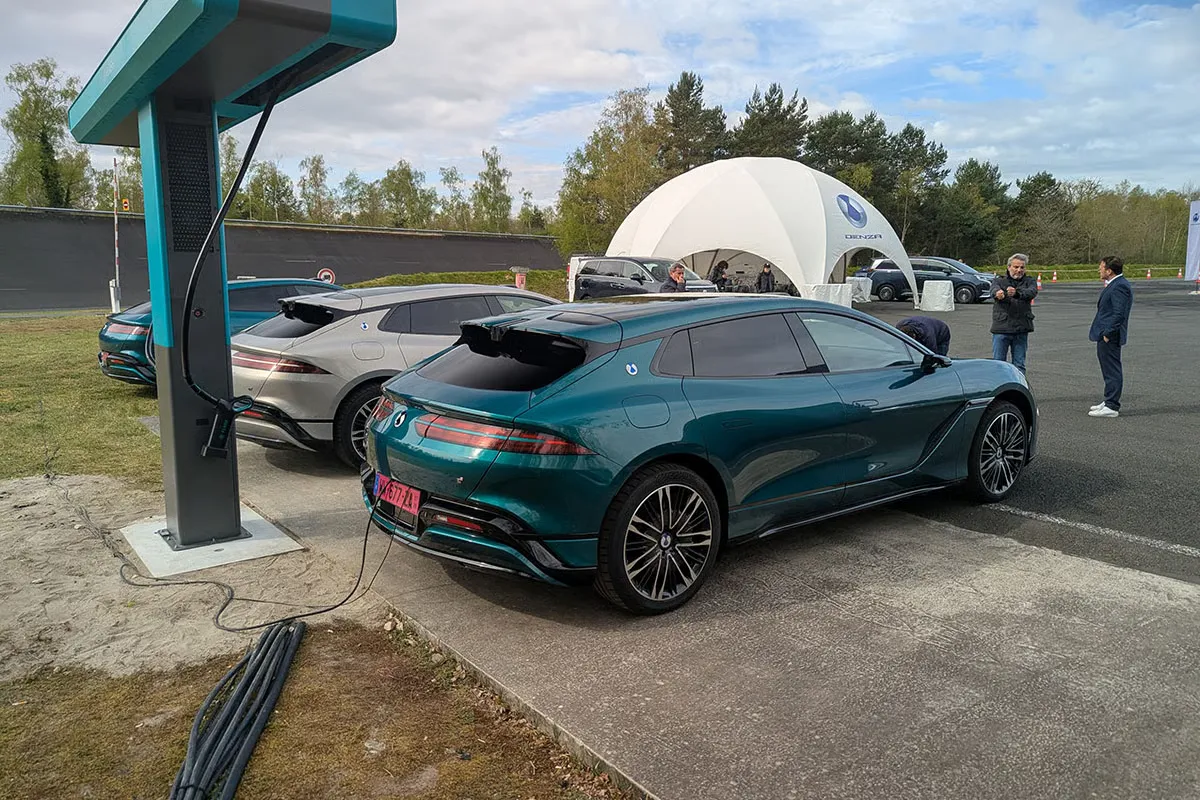
BYD’s new Flash Charging technology enables lightning-fast charging, but at a cost!
As many Chinese automakers race to improve charging speeds, BYD aims to maintain its number one position. With increasing announcements, the Shenzhen-based brand has just unveiled Flash Charging technology. Available with the latest Blade 2.0 battery generation, it allows a full charge (or almost) in less than seven minutes.
Also read
Flash Charging: We analyzed and tested BYD’s (very) fast charging station!
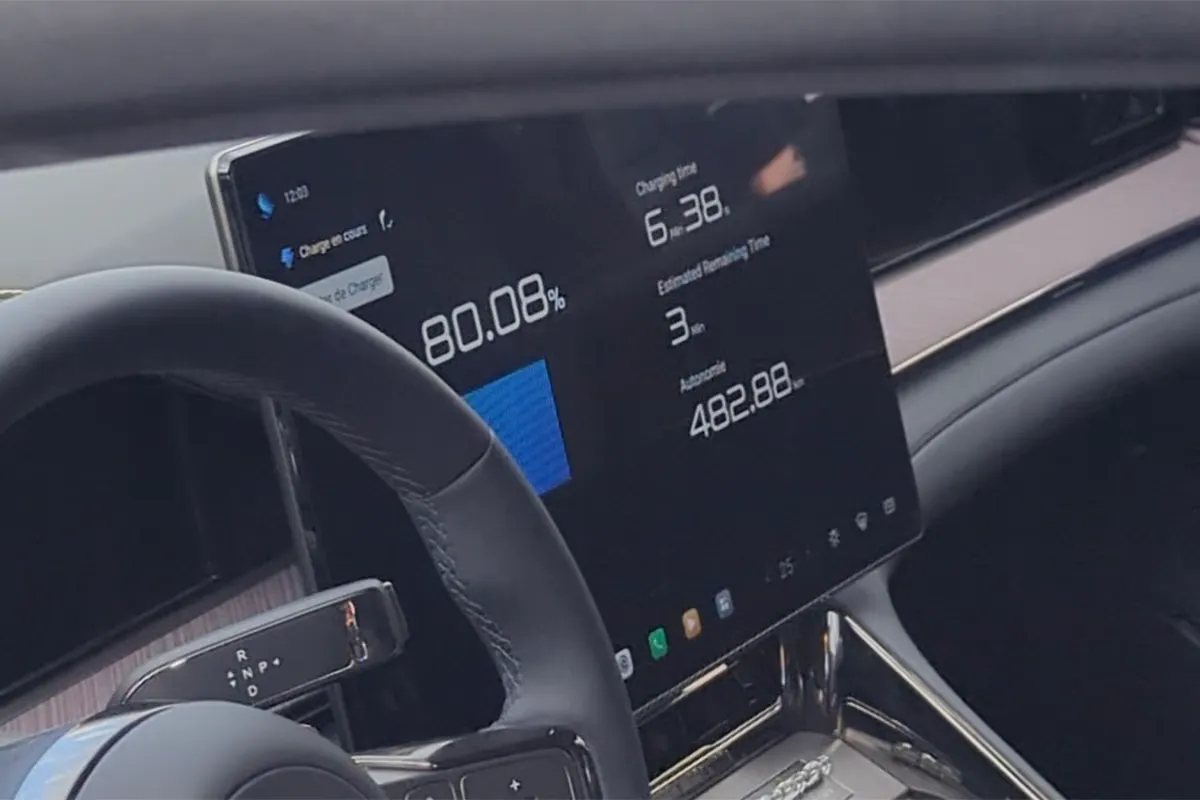
This performance is not merely theoretical; it will become a reality in Europe very soon. This is what the brand informed us during our test of the Denza Z9 GT, where we also witnessed a charge of this kind: connected to the appropriate charging stations, the Chinese limousine completed a 10-80% charge in 6 minutes and 38 seconds, with an average power at the charger of 850 kW. The XPeng G6, which still holds the record in the Supertest database with an average power of 300 kW, seems sluggish by comparison!
Intensity levels that raise the temperature
To achieve such a high level of power, with a peak of nearly 1,500 kW, the Blade 2.0 battery operates at a nominal voltage of 1,000 V, which naturally varies depending on the size of the battery pack—at least based on the number of cells, all connected in series at BYD. Despite the high voltage, the current also reaches extreme levels, exceeding 1,000 A. The problem is that this current causes the components to heat up, and the temperature can also exceed normal limits.
This is what some Chinese experts, including Cai Shen Dao, have observed. After disassembling a Blade 2.0 battery and conducting charging tests, technicians noticed that the battery temperature rose unreasonably high: the surface temperature of the cells was measured at 76 °C, compared to 71 °C according to the BMS. This dual issue immediately heightened tensions between the manufacturer and the media outlet, which faced official restrictions on various popular platforms in China as well as a notice placing it on the list of accounts spreading false or misleading information!
An independent laboratory test to confirm the results
Nevertheless, Cai Shen Dao decided this time to commission an independent laboratory, specifically the Guolian Research Institute, to verify its initial findings. The results were identical. The 78.72 kWh battery of the (take a breath) Fang Cheng Bao Tai 3 Flash Charging Edition reached a temperature of 78.5 °C, in an environment with a controlled external temperature of 29 °C.
An absurdly high temperature, far exceeding normal limits. This is despite Sun Huajun, head of BYD’s battery division, claiming otherwise. As reported by our colleague Raphaëlle Baut from Numerama in an interview with media outlet 36Kr, the brand’s spokesperson clarified that “one cannot simply rely on past experiences and inertia to judge a new technology,” adding that “70 °C is merely the industry’s old cognitive limit, just as people thought a few years ago that LFP batteries couldn’t exceed 60 °C. Our mission is to push the boundaries of physics.”
A battery that doesn’t dissipate heat quickly
But this expert seems to have forgotten one detail: the boiling point of the electrolyte. Because even though the Blade batteries are based on LFP cathodes, they are of the liquid type, and high temperatures can affect the lifespan of the cells or even cause thermal runaway. And this phenomenon depends not only on the peak temperature but also on how quickly heat can be dissipated.
Also read
BYD: Why does this Chinese manufacturer’s electric vehicles not like fast charging?
In this regard, the BYD battery pack does not seem to be among the most efficient. In the environment mentioned earlier, Chinese experts recorded a time of 14 minutes before the battery temperature dropped below 70 °C, and 32 minutes to reach below 60 °C. This significant inertia is compounded by a very rapid temperature rise during the 7-97% charge cycle, which was completed in 8 minutes and 32 seconds.
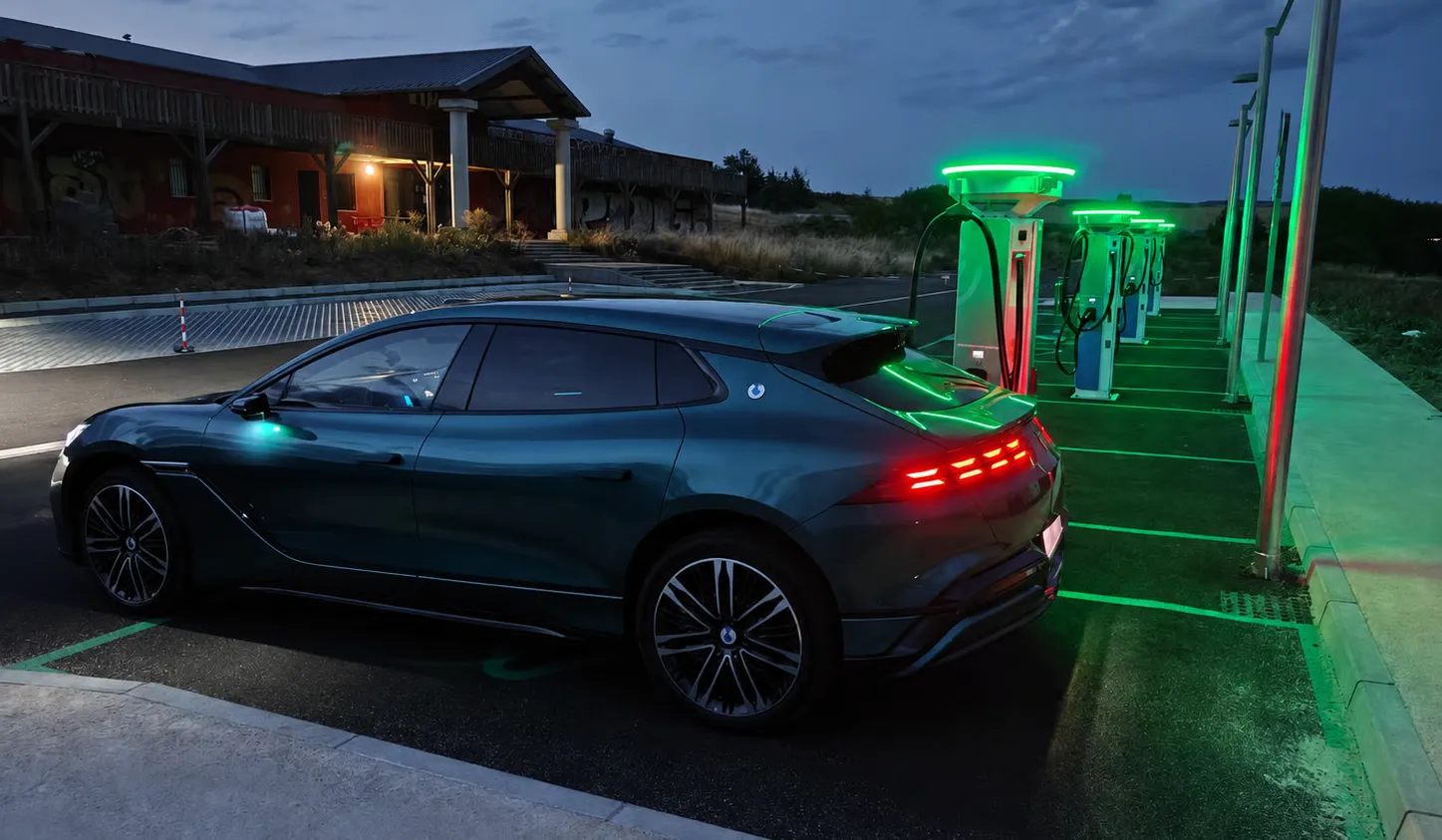
While the technologies are certainly very different, we have never observed such behavior. At peak temperatures, only two vehicles reached 60 °C (the BMW iX3 50 xDrive and the Tesla Model Y LR 75 kWh), and none of them exceeded this figure. Not even the Tesla Model Y Standard (with a 63 kWh LFP battery) reached 53 °C, nor the restyled XPeng G6 (with an 81 kWh LFP battery), which only reached a maximum of 48 °C. Additionally, all of them were able to dissipate heat effectively: for example, the BMW iX3 managed to drop 21 °C in 16 minutes under outside temperatures of 20 °C, compared to 8 °C for the Fang Cheng Bao in 14 minutes.
Here is a comparison of the highest temperature curves recorded by our systems, based on the target temperature set by preconditioning.
BYD’s Contradictory Statements
It’s hard not to feel confident about the statements, albeit perhaps awkward, from BYD’s battery team leader. To achieve such performance, Blade-type LFP batteries were modified, as was the electrolyte equipped with Flash-Flow technology. However, this isn’t enough to explain everything.
On one hand, physics has its own rules that are extremely difficult to override. While the boiling point depends on the specific composition of the electrolyte, the heat peak and a battery’s ability to cool down are key factors contributing to parasitic reactions that reduce cell lifespan. In fact, the spokesperson didn’t provide any additional technical explanations, merely stating that observers have incorrect benchmarks.
Also read
Denza Z9 GT Test: insane power and record-breaking charging, but what does BYD offer beyond the numbers?
On the other hand, and this is perhaps the most interesting point, the statement seems to contradict our discussions with the brand’s engineers. Recall that after observing numerous rapidgate phenomena (where charging slows down as it repeats), the brand’s specialists informed us that they had set a threshold of 42 °C to maintain the health of the cells. This means that when the BMS detects this temperature, the charging power is sharply limited. While we thought BYD had relaxed these restrictions, our recent tests of the BYD Atto 2 64 kWh or the BYD Atto 3 Evo showed the opposite. It’s even worse with the latter SUV, which limits not only charging power but also driving power: due to heat from rapid charging, the power output from the battery can be
Limited to 116 kW (compared to 240 kW under normal conditions), which translates to 150 horsepower at the wheels, resulting in speeds of 80–120 km/h in 7.3 seconds compared to nearly 4 seconds under normal conditions!Indeed, these findings and statements pertain to the conventional Blade batteries already known to us, not the Blade 2.0. Yet, given the radically opposite claims regarding cell health and the manufacturer’s attempt to downplay independent tests, many questions arise. It remains to be seen whether BYD didn’t push the numbers a bit too far to exaggerate the technical specifications, potentially planning to replace damaged batteries later through Flash Charging. Time will tell…