
1,440 kW: Zerova enters Europe with a high-powered charging station for electric trucks
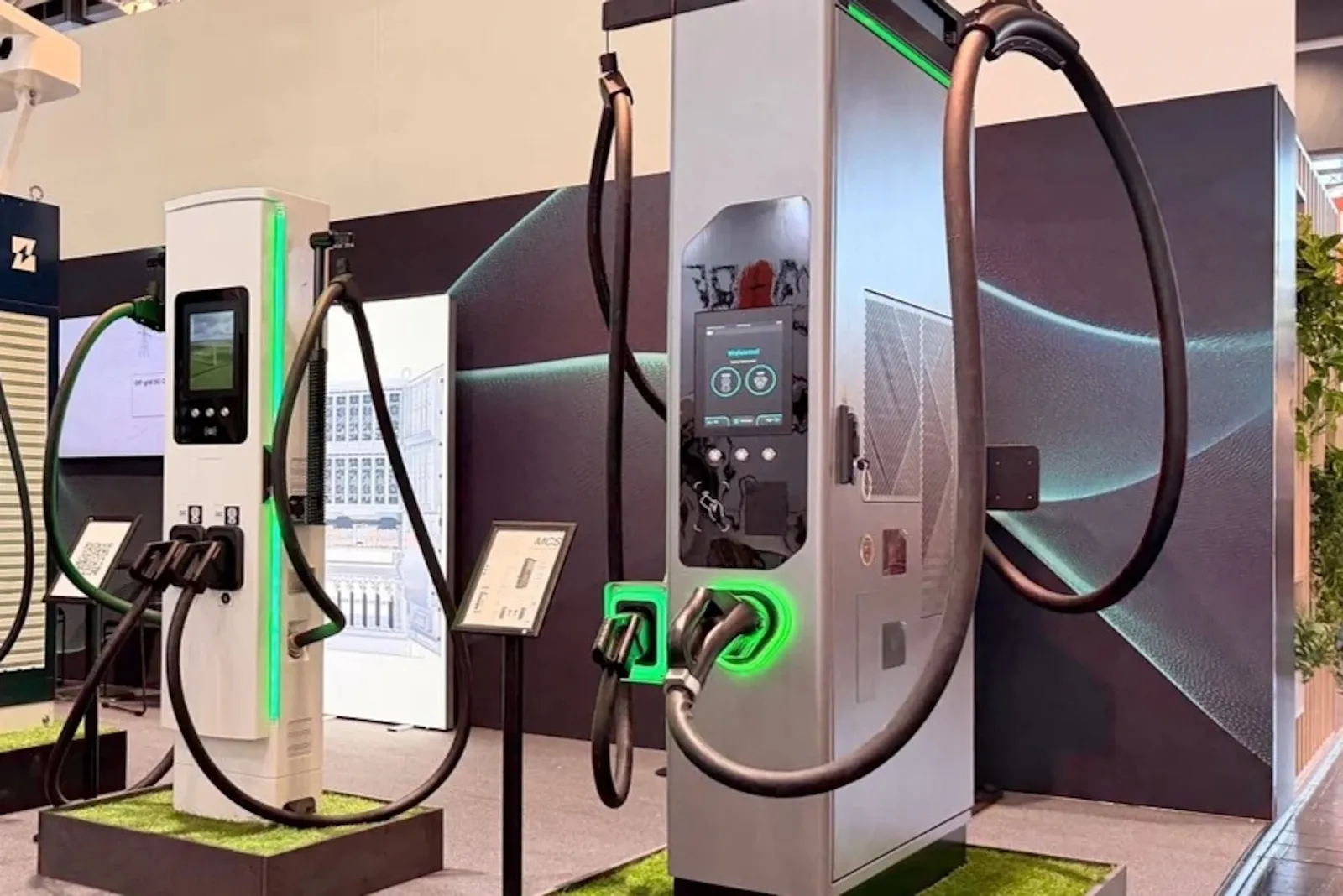
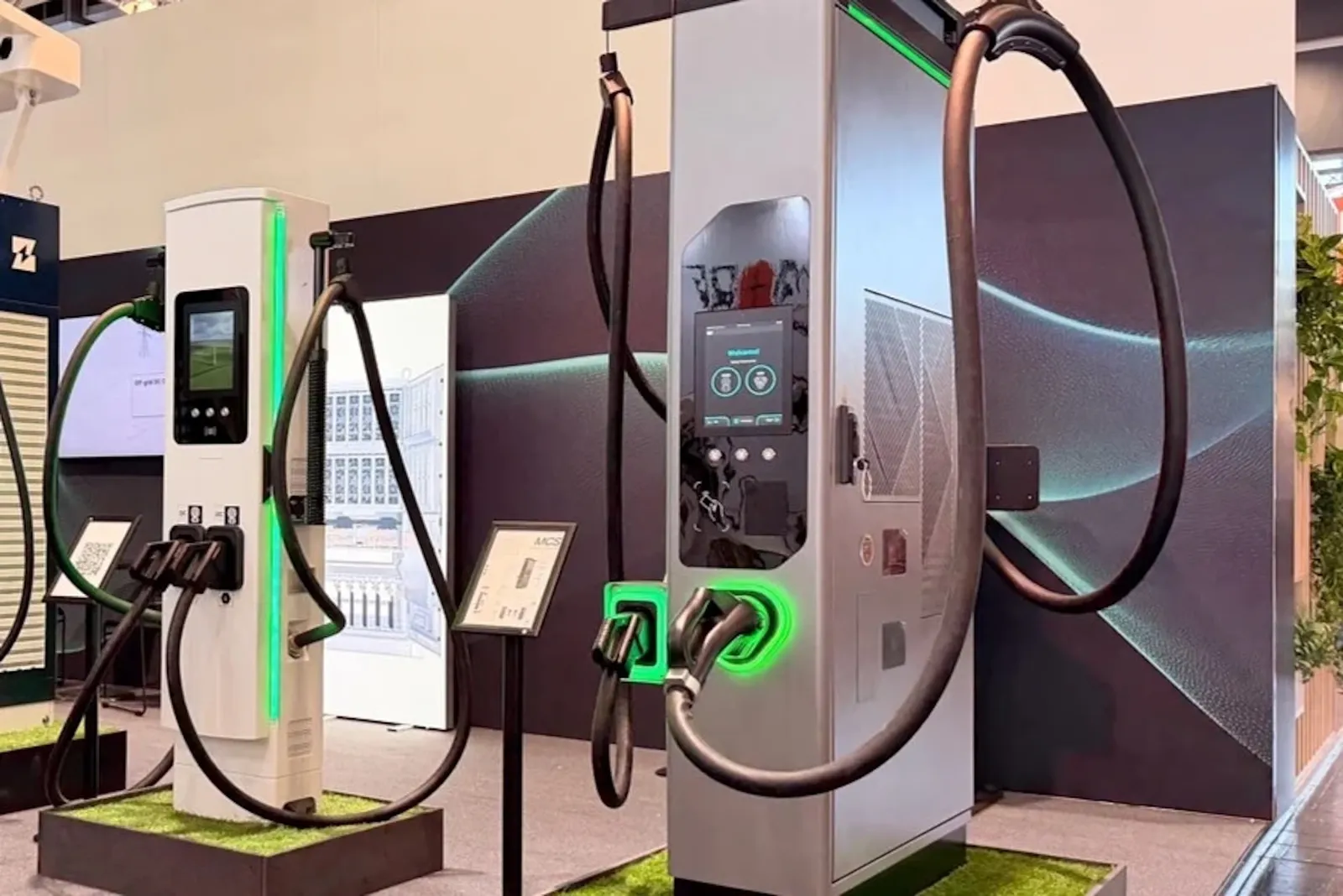
At the IAA Transportation exhibition in Hanover, Zerova is presenting for the first time in Europe a MCS charging solution capable of delivering up to 1,440 kW. Designed for electric trucks and buses, this system is suitable for use in depots as well as stations located along major road routes.
The charging of electric heavy vehicles is undergoing a transformation. As the first networks compatible with the MCS standard begin to emerge in Europe, charger manufacturers are already developing equipment capable of delivering well over a megawatt. Zerova is joining this trend with a 1.44 MW solution.
Up to 1,500 amperes for heavy vehicles
Presented at the IAA Transportation in Hanover, Zerova’s new MCS distributor can deliver up to 1,440 kW, with a maximum current of 1,500 amps. This power is dedicated to the MCS connection standard, which was developed specifically to meet the needs of industrial vehicles equipped with very large-capacity batteries.
The device features a separated architecture. Specifically, the power electronics are installed in cabinets separate from the charging point. Zerova relies for this purpose on its DO360 and DZ480 systems, which can operate up to 950 volts. The liquid-cooled cables are available in lengths of 5 or 7 meters.
The charger can also accommodate a CCS plug. However, for now, Zerova has not specified the maximum power available with this connector, which is more common in electric vehicles today.
Also read
BYD’s new electric truck gains up to 400 km of range in just 20 minutes
For depots and major European roads
Charging can be initiated via RFID, QR code, or Plug & Charge. A credit card payment terminal can also be added. The entire system is controlled through a 10.4-inch touchscreen and is compatible with OCPP 1.6J and 2.0.1 protocols. The system meets CE requirements and the IEC standards necessary for deployment in the EU.
The Taiwanese manufacturer aims for two uses: overnight or intermediate charging in carriers’ warehouses, as well as stations installed along major transportation corridors. In short, this is an important step for electric trucks.