
Plan
Add route point
New point will be added to the top of the route and later you can arrange the chain of points
Points
Holiday itinerary
A week in Latgale, the eastern land of Latvia, where the Daugava bends in great slow loops, more than a thousand lakes lie among pine woods and hills, and Catholic, Lutheran, Orthodox and Old Believer churches stand within sight of one another. From Riga the road follows the river past the island ruins of Koknese castle to Daugavpils, a city with a vast nineteenth-century fortress and the art centre of Mark Rothko, who was born here. Beyond lie the high banks of the Daugava Loops, the wooden village of Slutiški, the hill town of Krāslava and the white twin towers of the basilica at Aglona, the country’s great place of pilgrimage. Rēzekne, with its statue of Latgale’s Māra and a modern concert hall, and Ludza, the oldest town in Latvia, open the way to Lake Rāzna and the castle hill of Mākoņkalns. Distances are short, the roads quiet, and a network of fast chargers covers every town on the route.
Season: Best from late May to the end of September, when the days are long, the lakes are warm enough for swimming and the meadows along the Daugava are full of flowers. On 15 August, the feast of the Assumption, tens of thousands of pilgrims gather at Aglona, so book early or plan around it. September and early October paint the birch and maple woods gold and red; winter is snowy and cold, with frozen lakes, short days and many rural guesthouses closed.
Landmarks
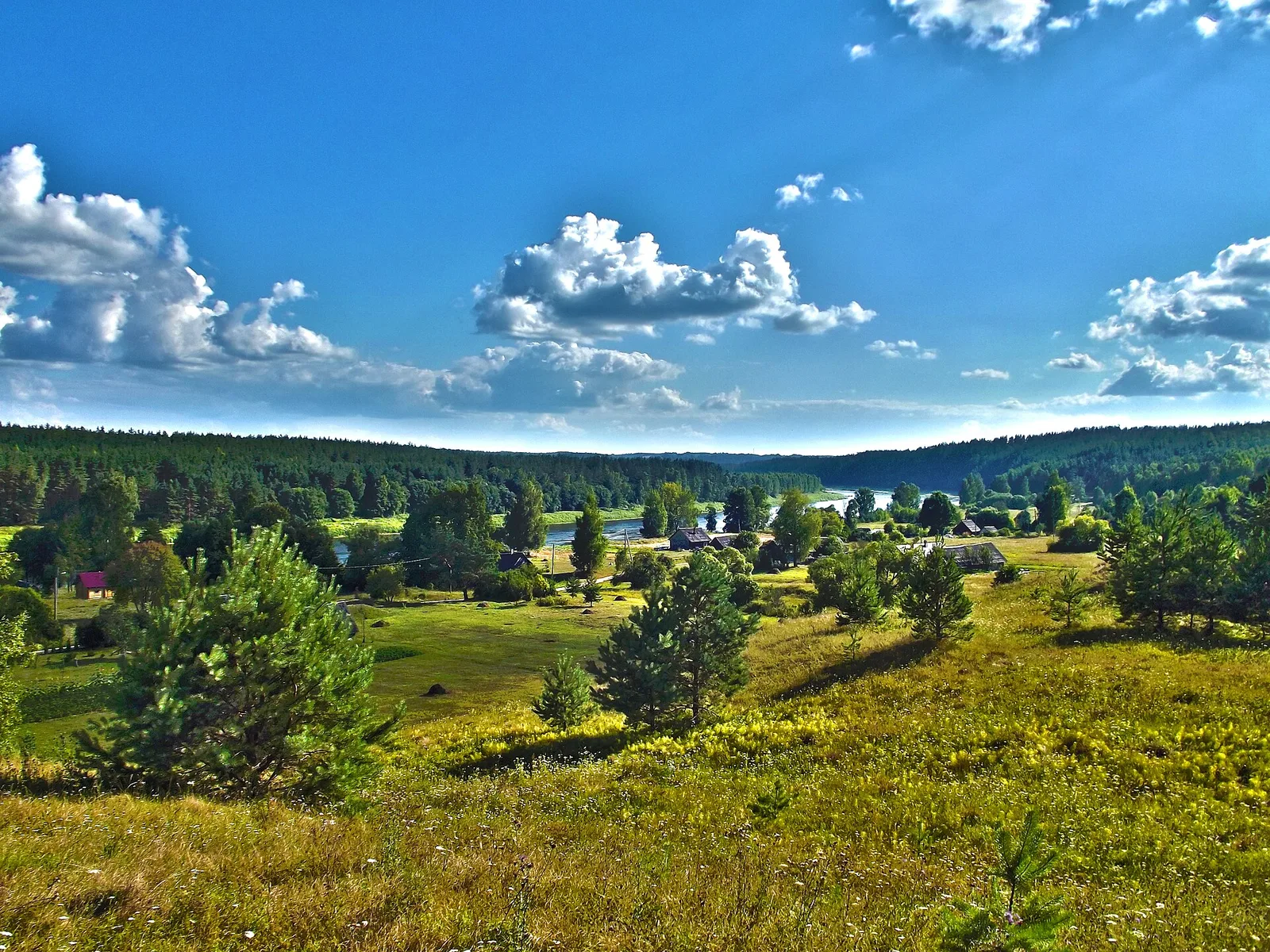 The Daugava Loops near SlutiškiPhoto: inhabitant / Wikimedia Commons (CC BY 3.0)
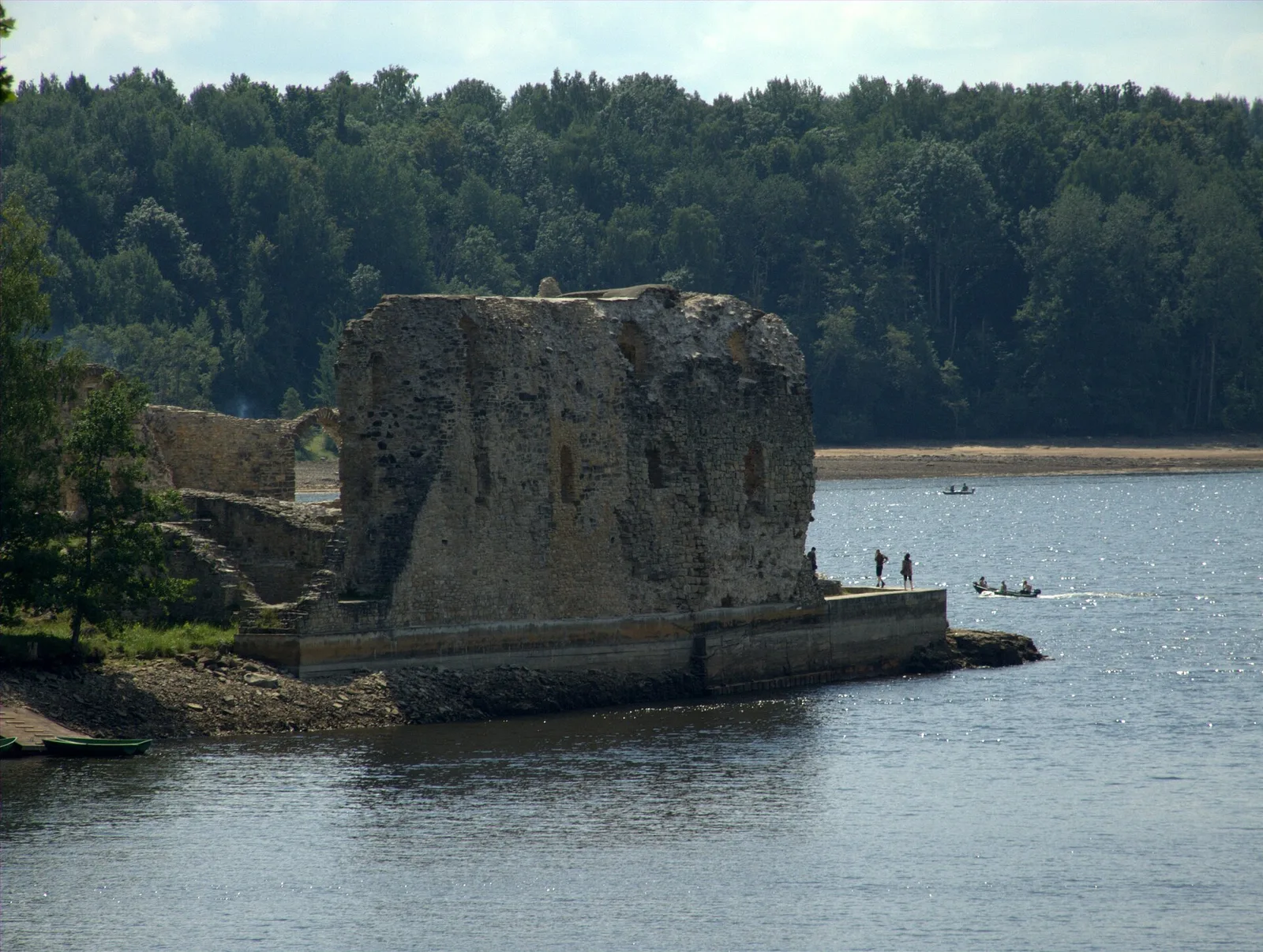 Koknese castle ruins on the DaugavaPhoto: Modris Putns / Wikimedia Commons (CC BY-SA 3.0)
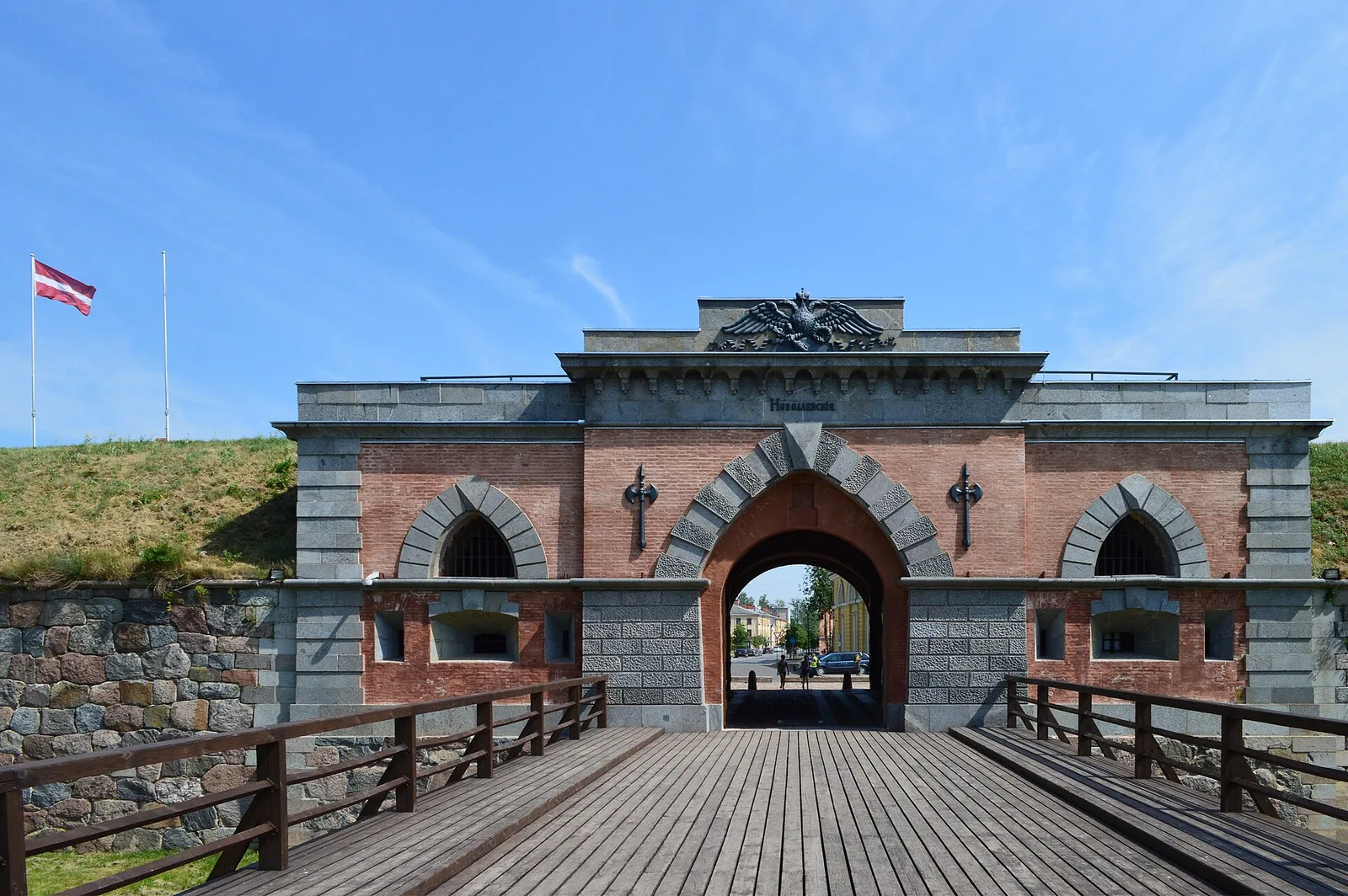 A gate of Daugavpils FortressPhoto: Scotch Mist / Wikimedia Commons (CC BY-SA 4.0)
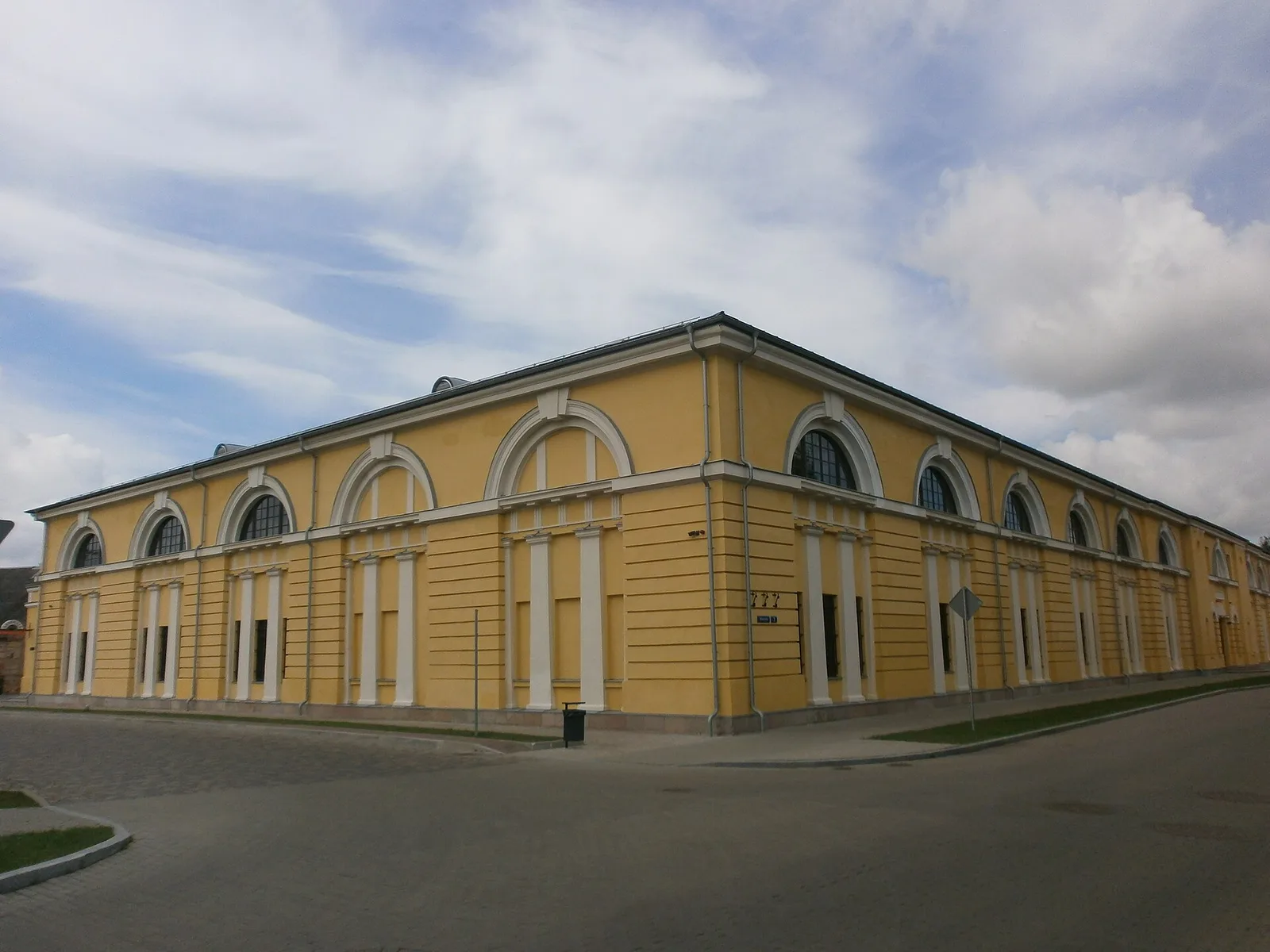 The Mark Rothko Art Centre in the old arsenalPhoto: Edgars Košovojs / Wikimedia Commons (CC BY-SA 4.0)
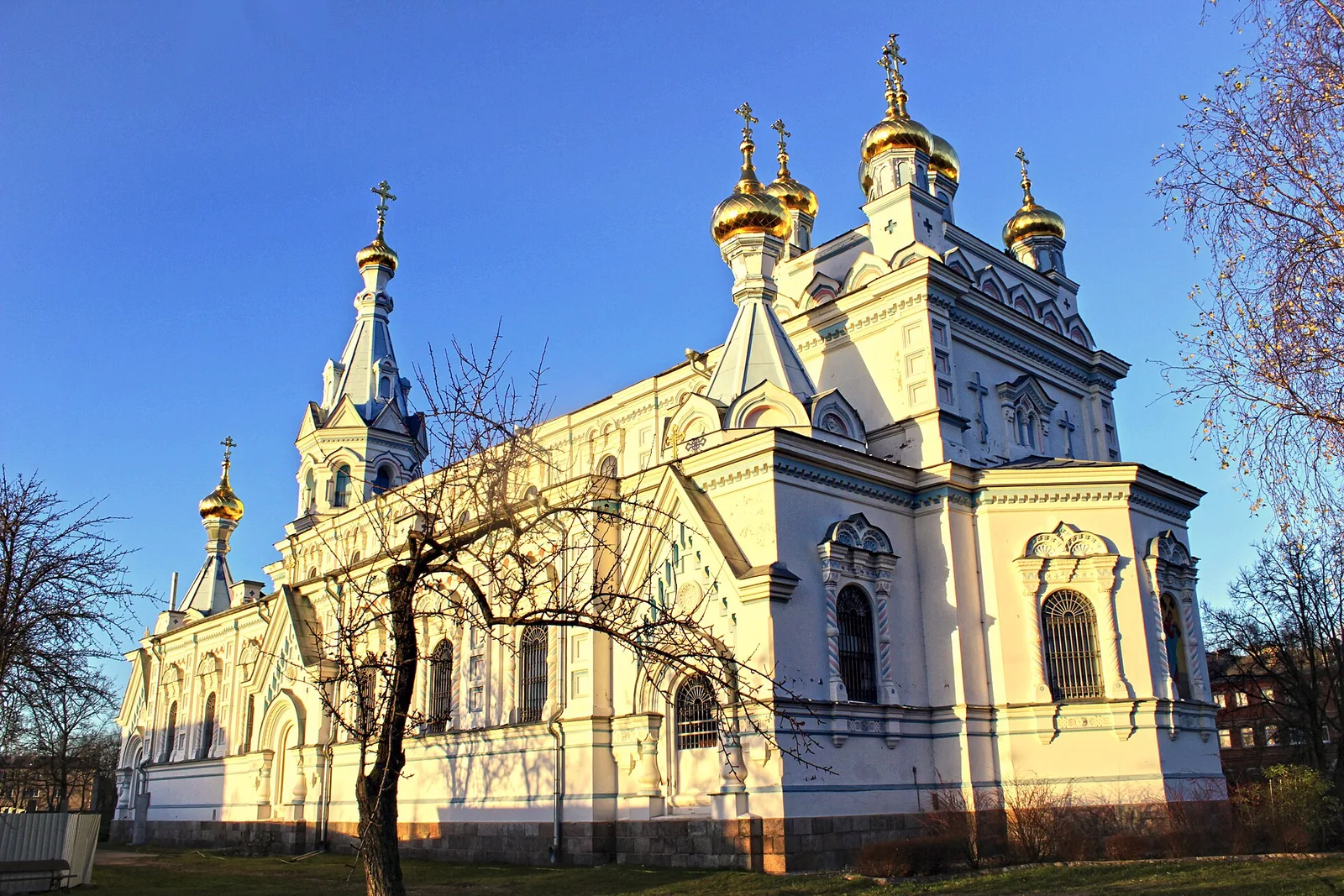 The Orthodox cathedral of Saints Boris and GlebPhoto: Laima Gūtmane (simka) / Wikimedia Commons (CC BY-SA 3.0)
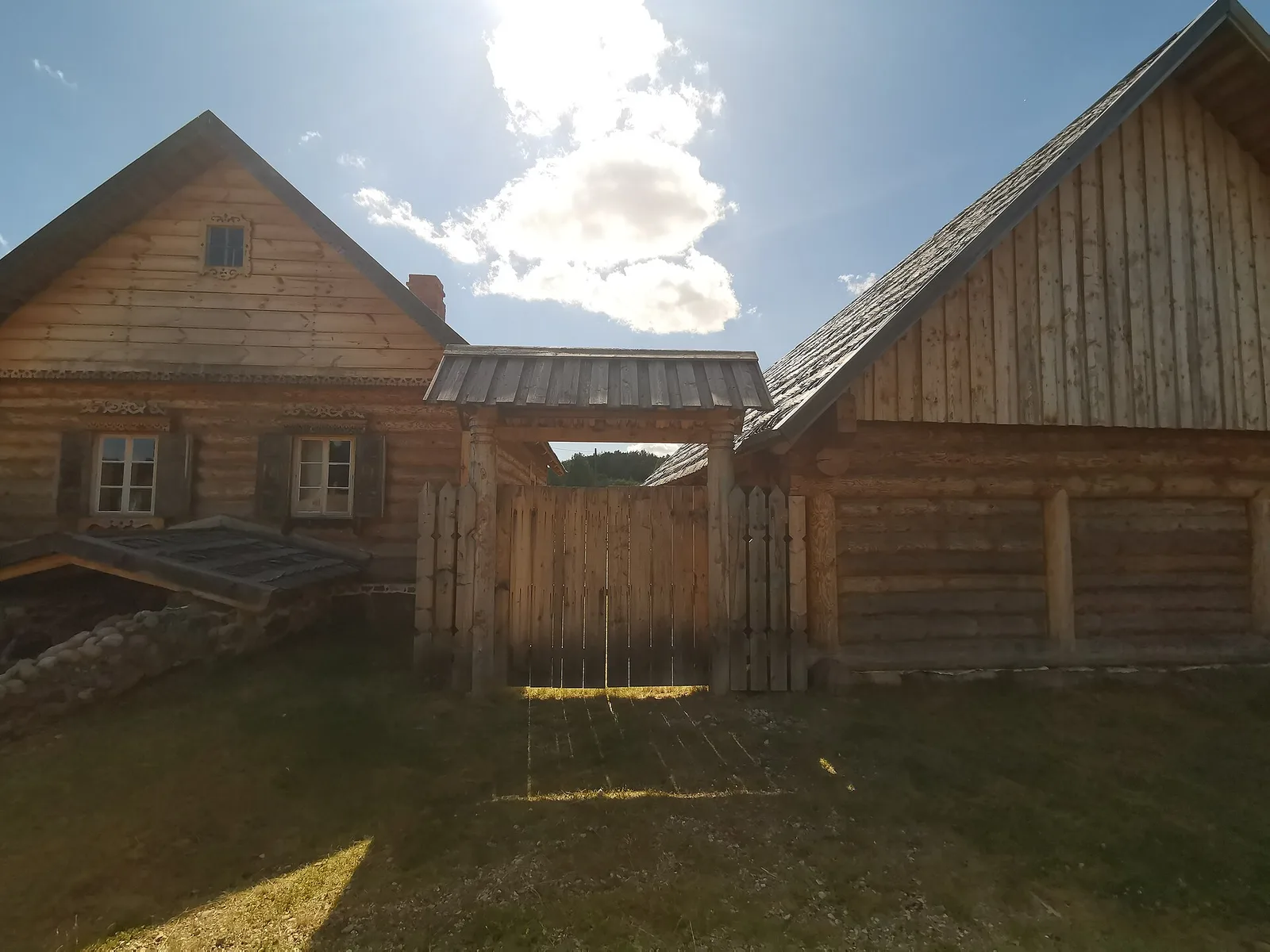 An Old Believers’ farmstead in SlutiškiPhoto: LakyLora / Wikimedia Commons (CC BY-SA 4.0)
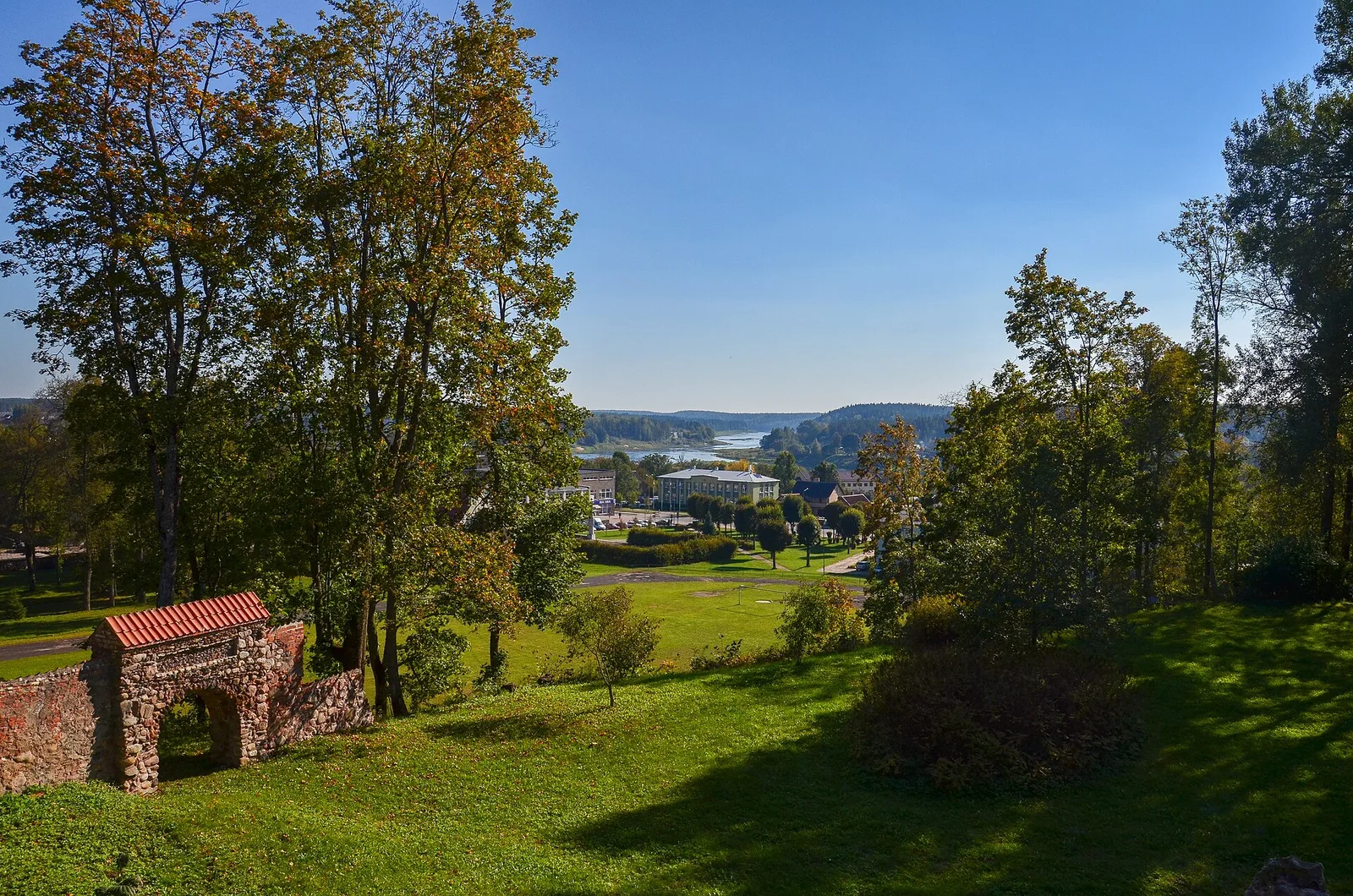 A view over KrāslavaPhoto: Vadik_01 / Wikimedia Commons (CC BY 3.0)
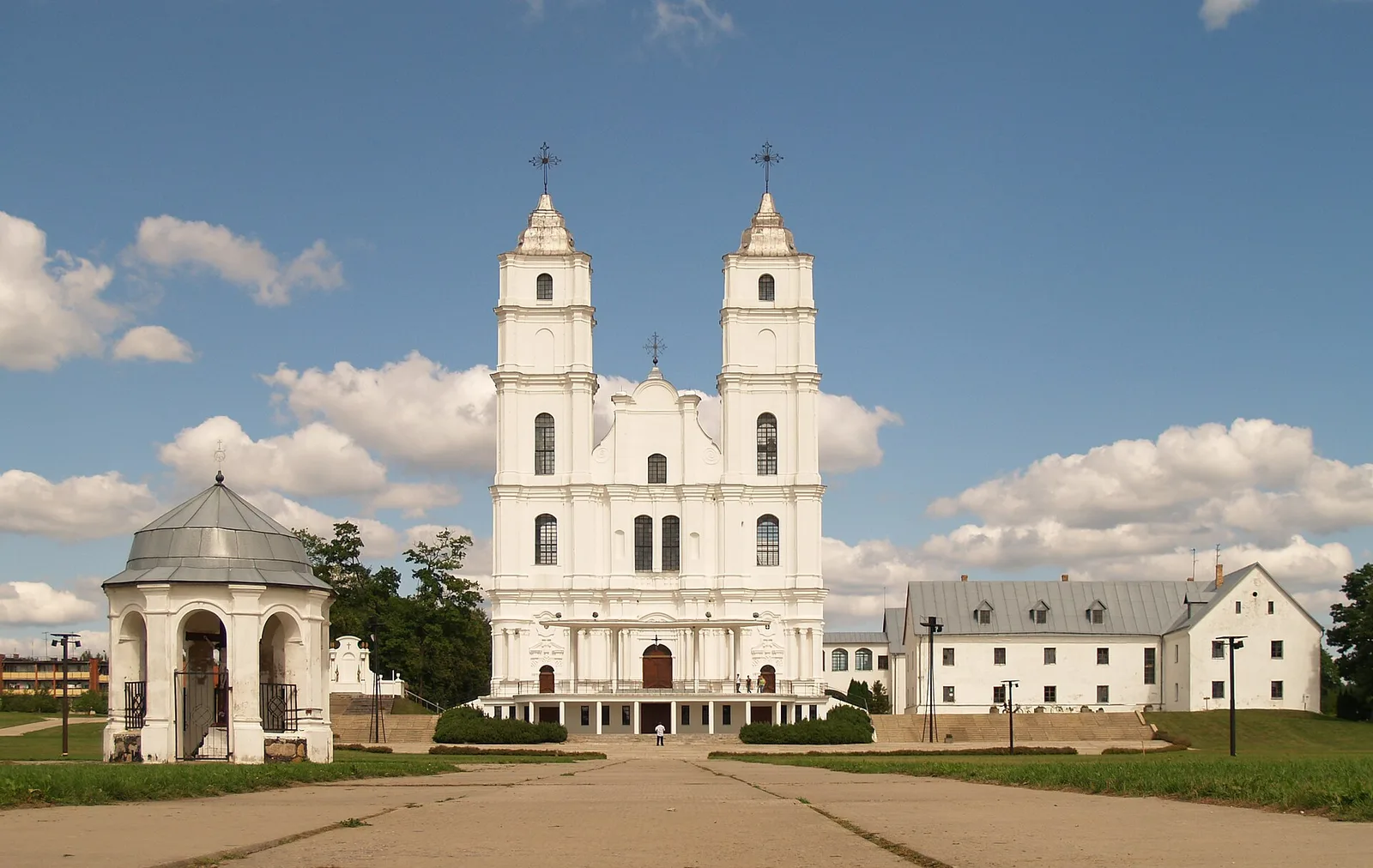 The basilica of AglonaPhoto: Dainis Matisons uploaded and derivative work: MrPanyGoff / Wikimedia Commons (CC BY 2.0)
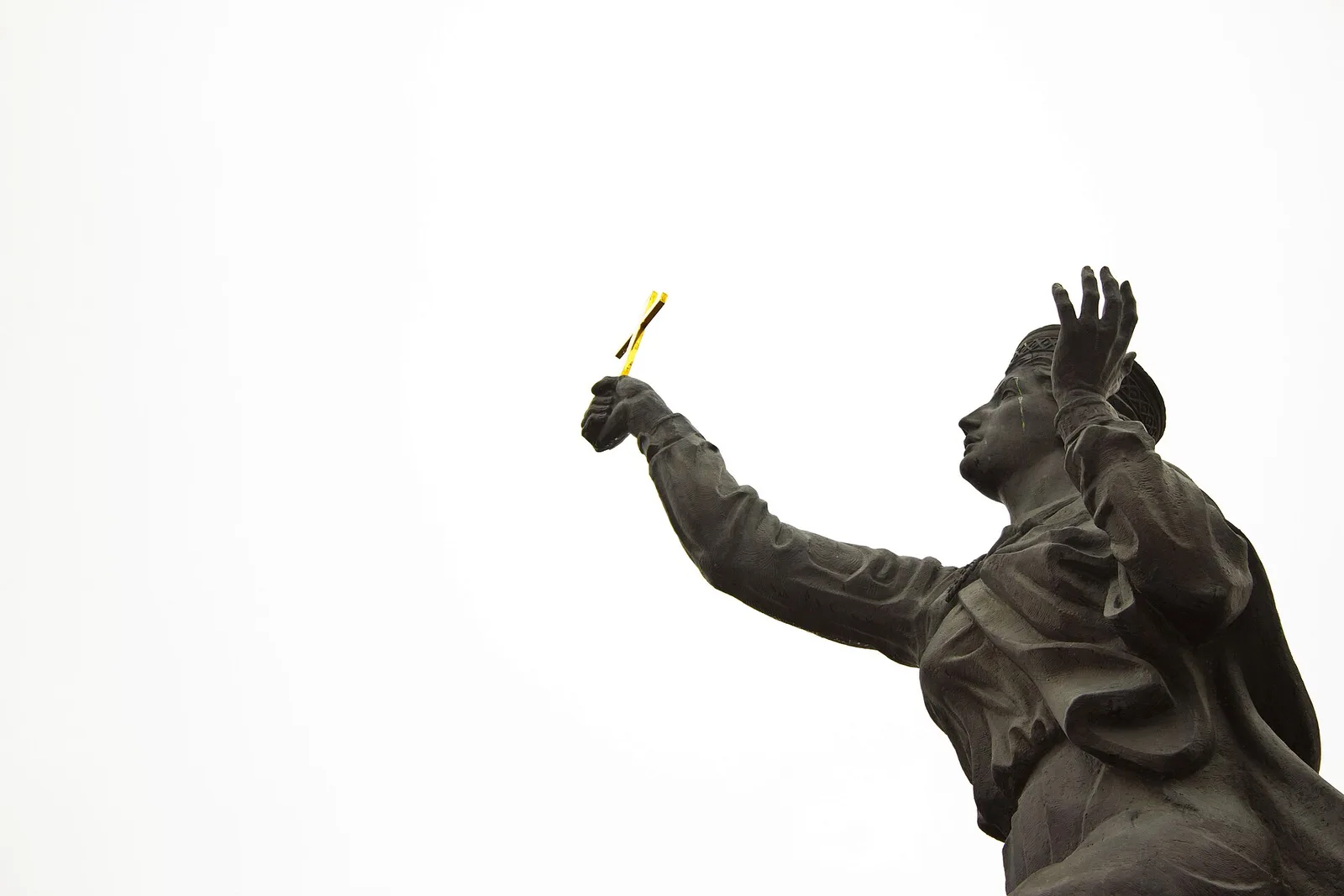 Latgale’s Māra in RēzeknePhoto: Laima Gūtmane (simka) / Wikimedia Commons (CC BY-SA 3.0)
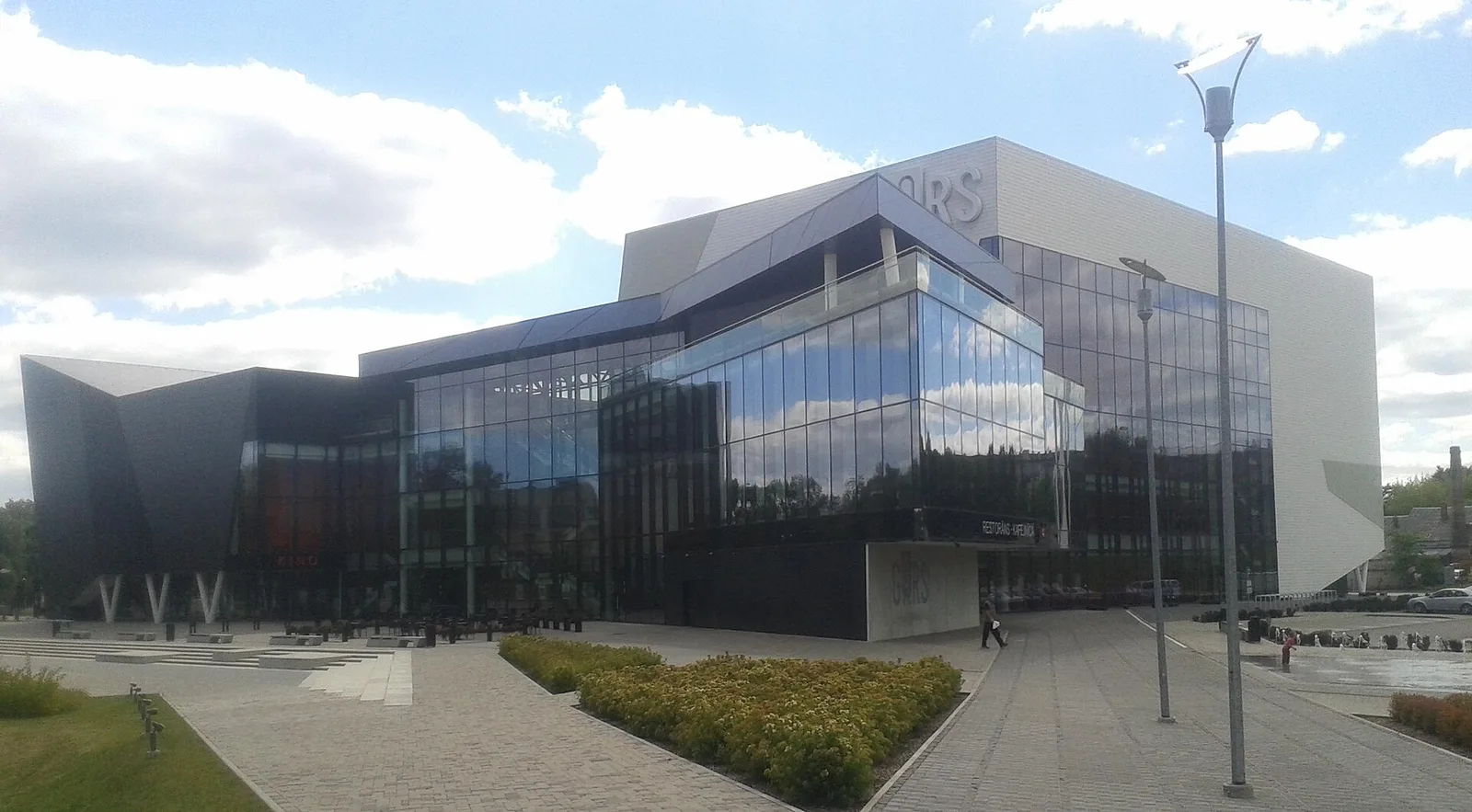 The Gors concert hall in RēzeknePhoto: User:European1 / Wikimedia Commons (CC BY-SA 3.0)
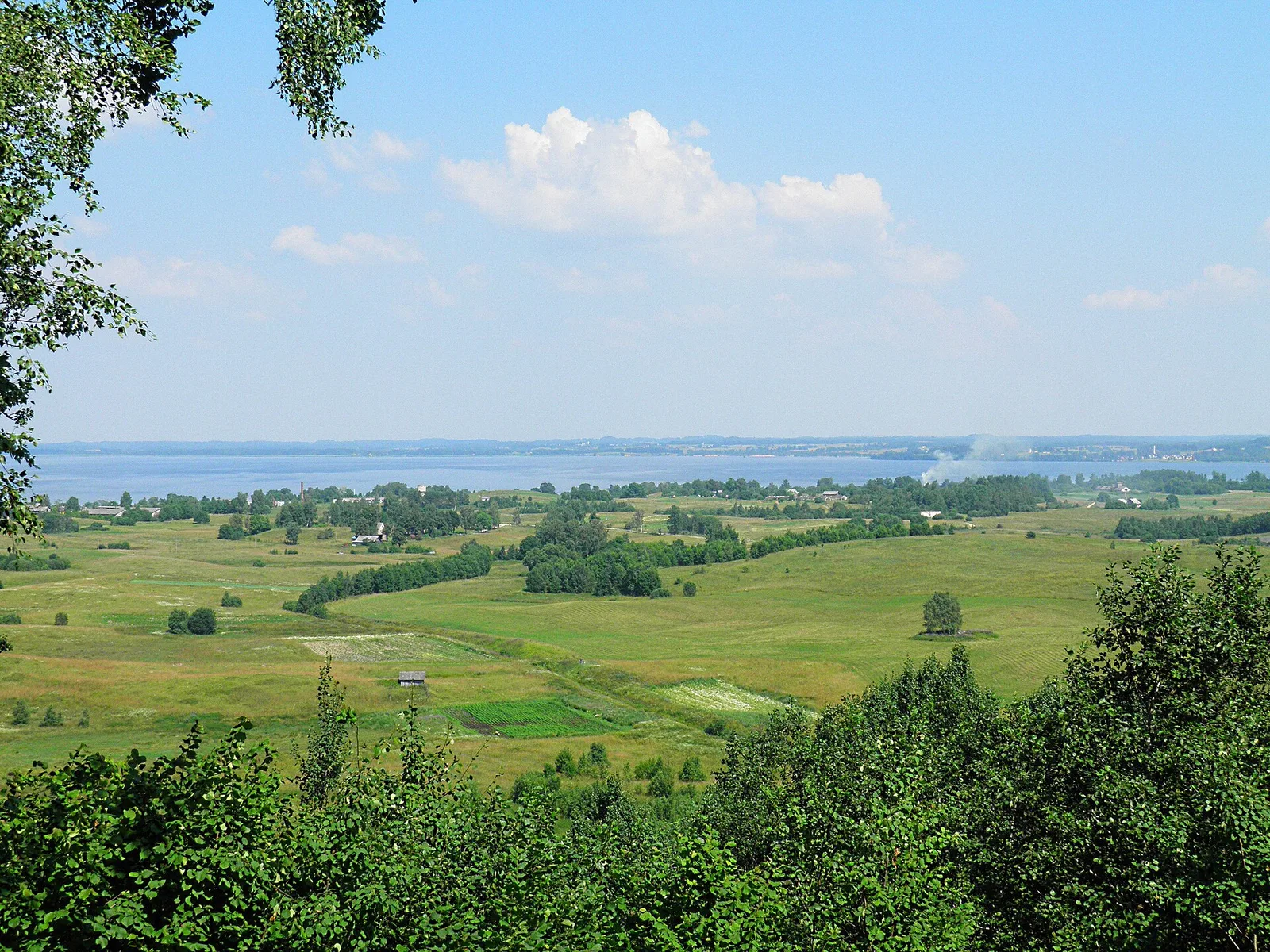 Lake Rāzna seen from MākoņkalnsPhoto: anakes / Wikimedia Commons (CC BY 3.0)
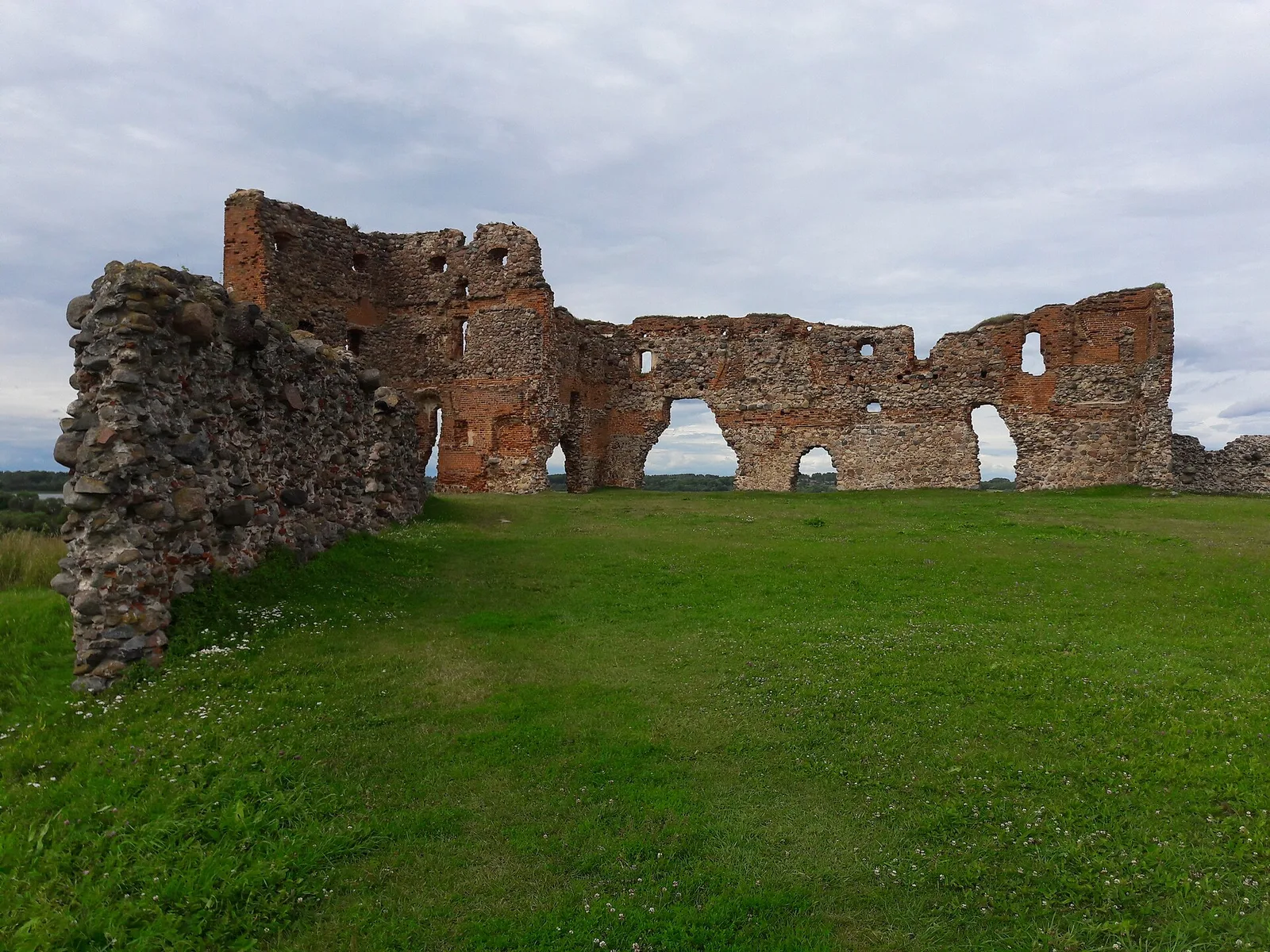 The castle ruins of LudzaPhoto: AgrisR / Wikimedia Commons (CC BY-SA 4.0)
Holiday itinerary
- Day 1 · Daugavpils
Leave Riga along the Daugava and stop at Koknese, where the ruins of a castle built in 1209 now stand at the water’s edge since a dam raised the river; next to them the Garden of Destinies, a memorial park to the victims of the Soviet deportations, opens on to the water. Charge in Jēkabpils and take a look at the restored Krustpils castle across the bridge. In the late afternoon you reach Daugavpils, Latvia’s second city, where Russian, Latvian, Polish and Belarusian are heard in the same street; walk the long pedestrian Rīgas iela and its art nouveau façades in the evening light.
- Day 2 · Daugavpils
Give the whole day to Daugavpils. The fortress, begun in 1810 on the eve of Napoleon’s march on Russia, is a town of its own, with ramparts, gates and red-brick barracks along straight avenues. In its former arsenal the Mark Rothko Art Centre, opened in 2013, shows original canvases by the painter, who was born in this city in 1903, alongside changing exhibitions. In the afternoon cross to Church Hill, where a Catholic church, a Lutheran cathedral, the Orthodox cathedral of Saints Boris and Gleb and an Old Believers’ prayer house stand within a few hundred metres of each other, and end the day by the river.
- Day 3 · Krāslava
Today the Daugava shows its most beautiful side. In the Daugava Loops nature park the river swings through eight great bends between high wooded banks; climb the viewing tower at Vasargeliški for the classic view over the loops and walk a stretch of the trail along the edge. Nearby Slutiški, a village of Old Believers, keeps its log houses with carved and painted window frames, and one of them is open as a small museum of village life. In the afternoon continue to Krāslava, a town spread over hills above the river, with the Baroque church of St Louis and the park of the Plater family manor.
- Day 4 · Rēzekne
Drive north through rolling farmland and lake country to Aglona. Its basilica, built by the Dominicans between 1768 and 1780, rises with two white towers between Lake Egle and Lake Cirišs, and its miraculous icon of the Virgin draws pilgrims from all over Latvia and beyond; John Paul II came here in 1993 and Pope Francis in 2018. Nearby the Aglona Bread Museum bakes rye bread in a wood-fired oven and lets you taste it warm with butter and honey. In the afternoon continue to Rēzekne, the heart of Latgale, and settle in for two nights among its hills.
- Day 5 · Rēzekne
Begin in Rēzekne itself: on the central square stands the statue of Latgale’s Māra, a woman raising a cross, unveiled in 1939, pulled down twice and set up again in 1992. Below the castle hill the glass and timber of the Gors concert hall, opened in 2013, has become the cultural home of the region, and the Latgale Culture and History Museum shows the dark glazed pottery for which Latgale is famous. After lunch drive to Lake Rāzna, the largest lake in Latvia by volume and the centre of a national park. Climb Mākoņkalns, the hill of clouds, to the ruins of a fourteenth-century castle and a wide view over water and forest, then stop at Lūznava manor, restored with its park, on the way back.
- Day 6 · Ludza
A short drive east brings you to Ludza, first mentioned in 1177 and counted as the oldest town in Latvia. The ruins of a castle of the Livonian Order crown a hill between the Big and Small Ludza lakes, and from its walls you look down on wooden houses, an Orthodox church with blue domes and the Catholic church on the opposite rise. Visit the Ludza Craftsmen Centre, where potters, weavers and woodcarvers work and sell, and take the lakeside path in the evening, when the water reflects the towers of three faiths.
- Day 7 · Riga
Return west on the long, straight road across Latgale and Selonia, through pine forests and wide fields with storks’ nests on the poles. Charge again in Rēzekne or Jēkabpils, and if time allows stop at Koknese a second time to see the castle ruins in a different light. In the evening you are back in Riga: leave the car at the hotel and walk through the Old Town to the Daugava embankment, where the river you followed all week flows wide and calm towards the sea.