
Plan
Add route point
New point will be added to the top of the route and later you can arrange the chain of points
Points
Holiday itinerary
Eight days in the far south of the Peloponnese, where the Taygetos mountains run down into the sea and every village seems built of the same grey stone as the hills. From Athens the road crosses the Corinth Canal and climbs through Arcadia to Kalamata, a city of olives, silk and a Frankish castle. Beyond it lie the ruins of Ancient Messene, the seaside village of Kardamyli, where Patrick Leigh Fermor wrote and swam for half a century, and then the Mani itself: a dry, proud peninsula of tower houses, Byzantine chapels and coves of white pebbles. Boats glide through the flooded caves of Diros, a path leads to the lighthouse at Cape Tainaron, the ancient doorway to Hades, and on the other gulf the rock of Monemvasia rises from the sea with a whole medieval town hidden on its flank. The journey ends among the churches and palaces of Mystras before the drive back to Athens. Fast chargers wait in Kalamata, Sparti, Gytheio and on the motorway near Tripoli; in the Mani many small hotels offer a socket for the night.
Season: Best from April to mid-June and from September to the end of October. In spring the slopes of the Taygetos are covered in wildflowers and the sea is already warm enough by late May; in high summer the Mani is fiercely hot and the Diros caves are busy. Autumn brings warm water, quiet villages and, from November, the olive harvest. In winter Monemvasia and Kalamata stay lively, but many small guesthouses in the deep Mani close.
Landmarks
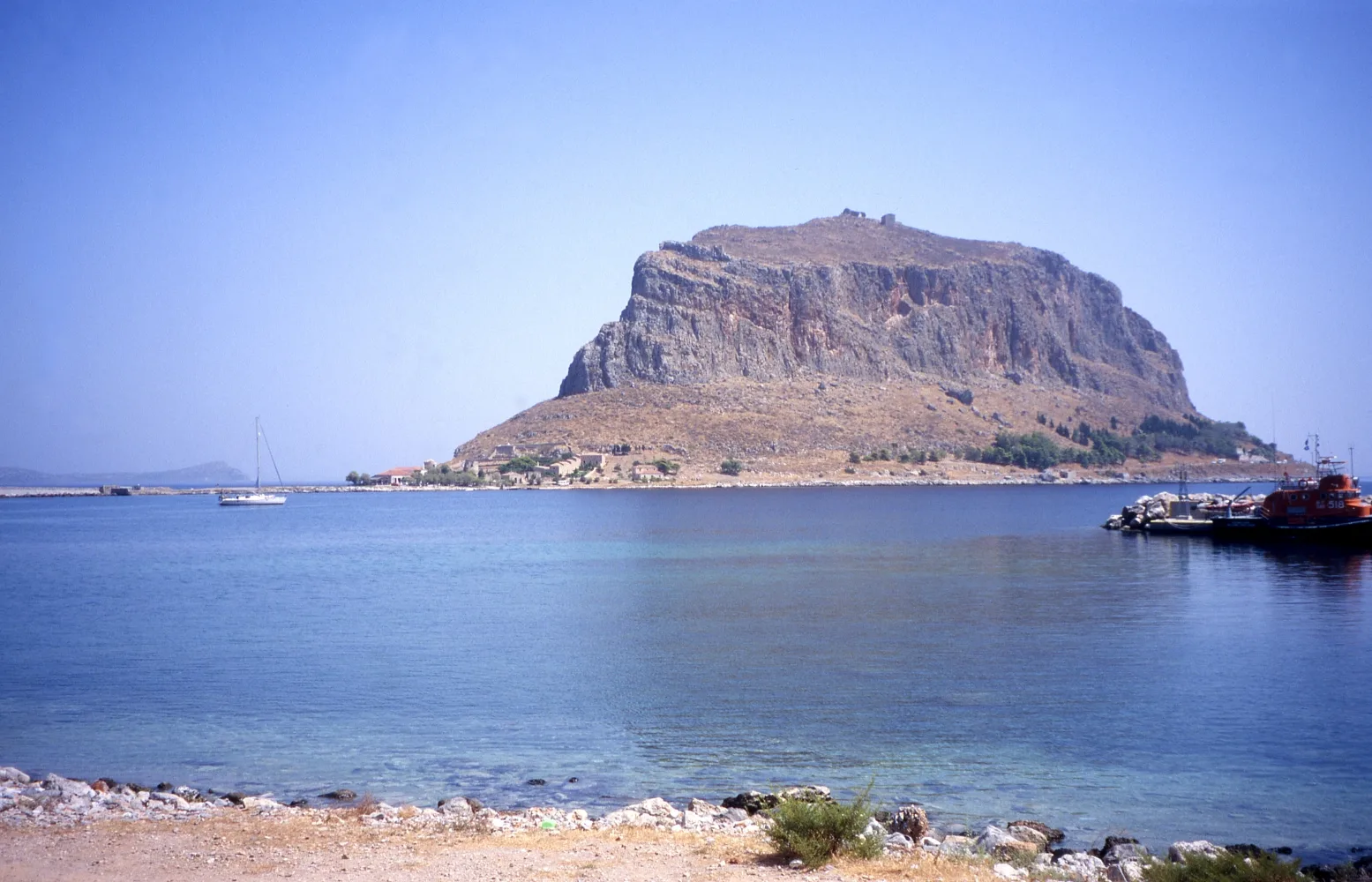 The rock of MonemvasiaPhoto: Ingo Mehlng / Wikimedia Commons (CC BY-SA 3.0)
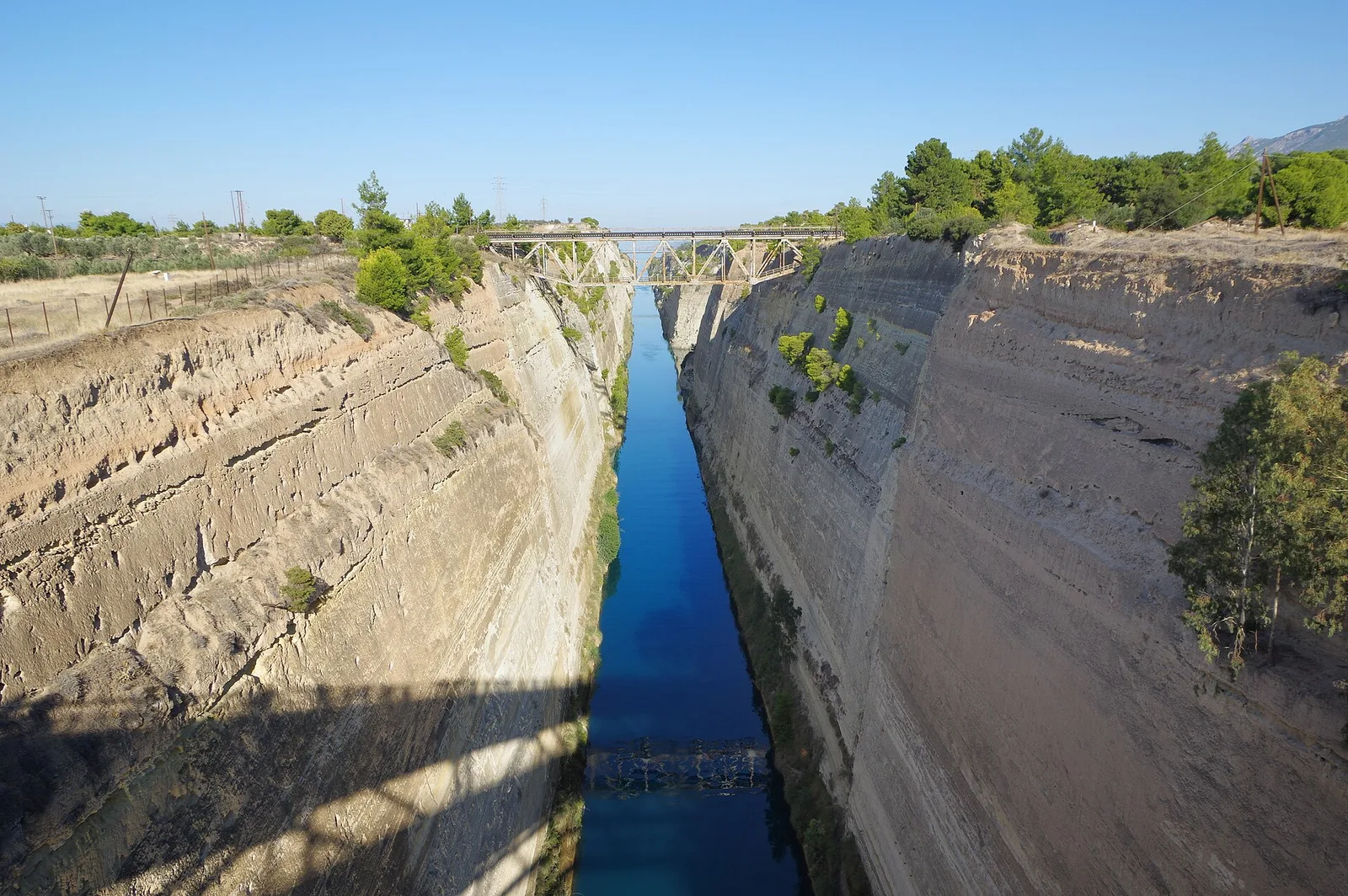 The Corinth CanalPhoto: Berthold Werner / Wikimedia Commons (CC BY-SA 3.0)
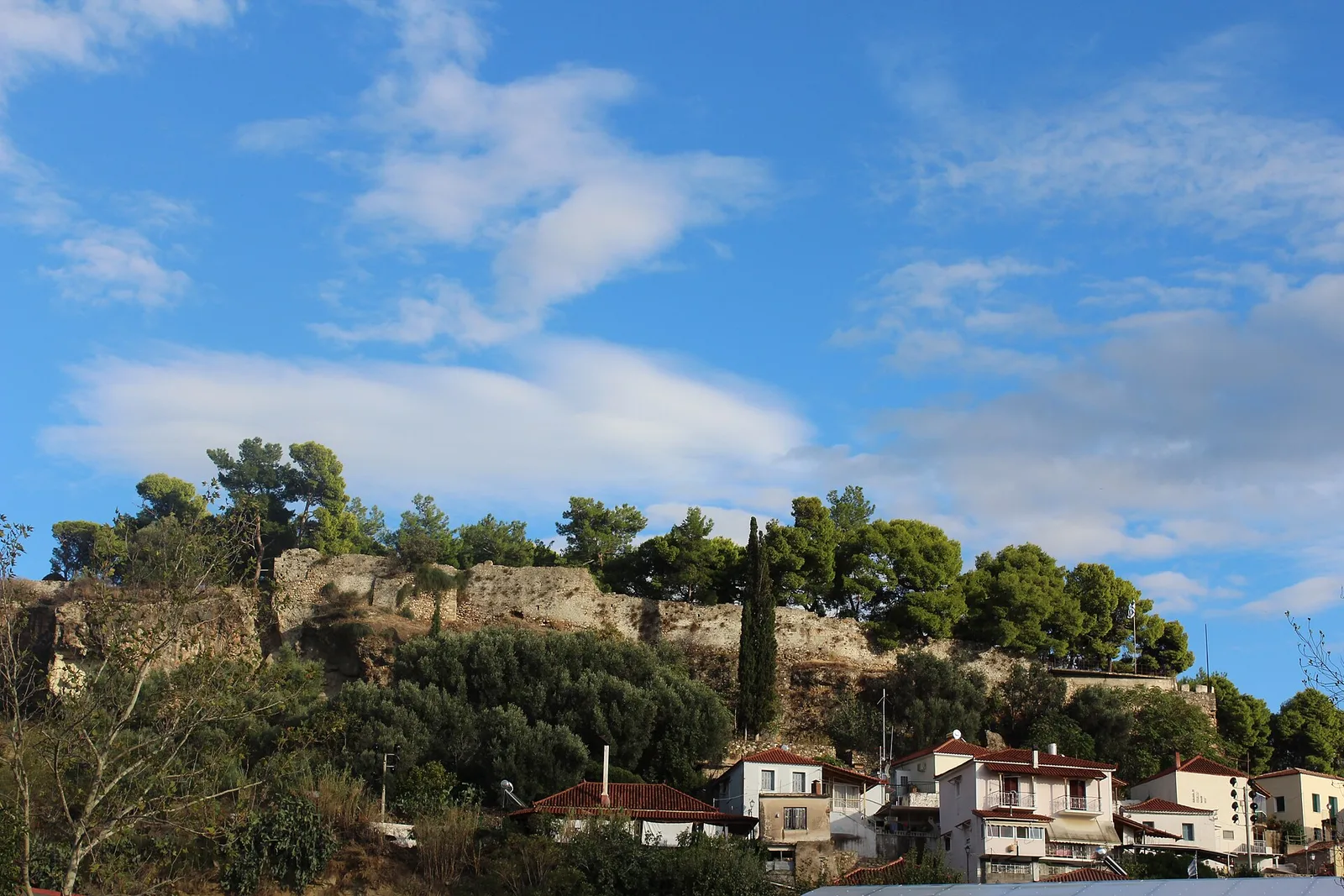 The castle of KalamataPhoto: Drakopoulosdim / Wikimedia Commons (CC BY-SA 4.0)
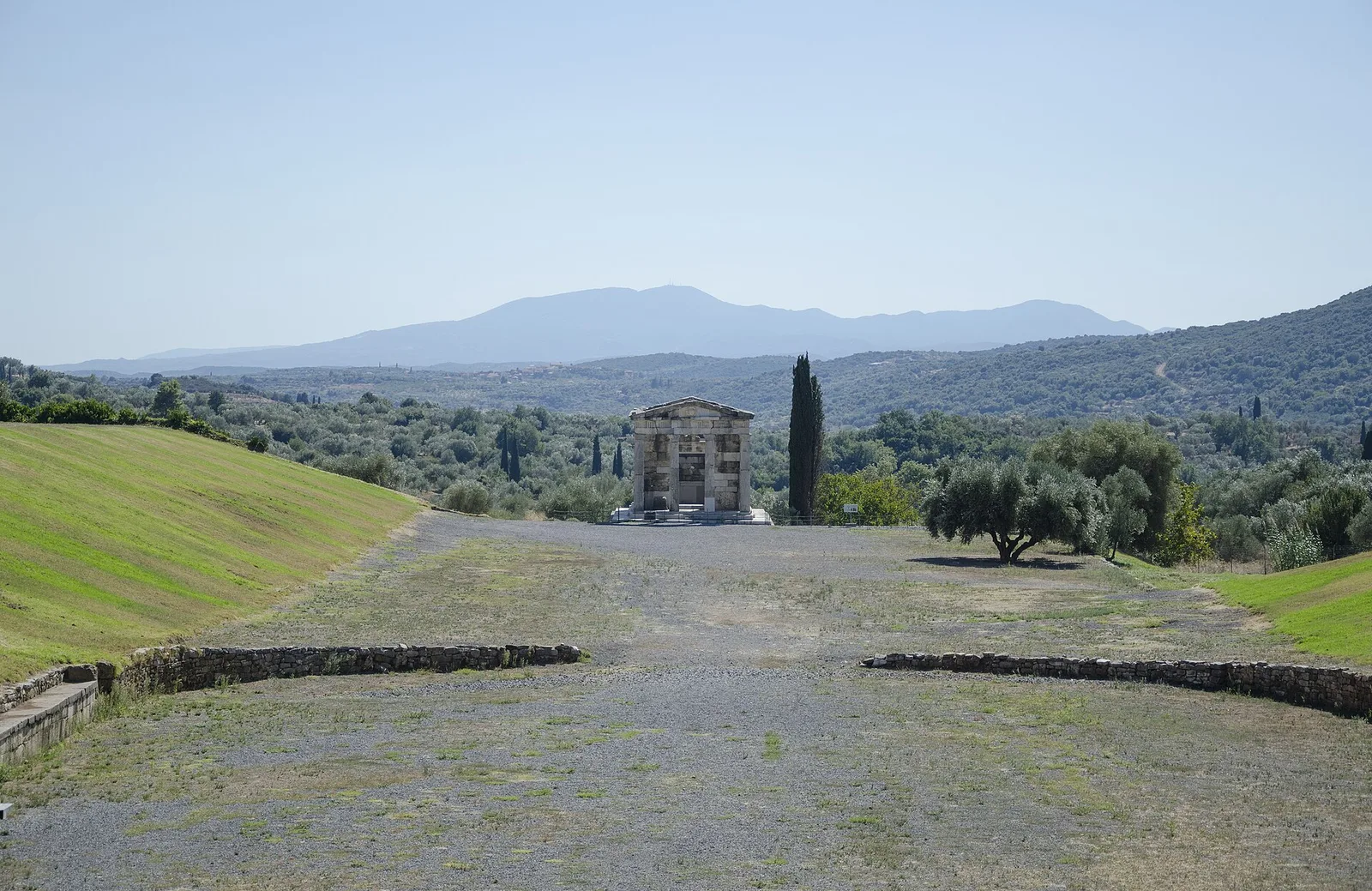 The stadium of Ancient MessenePhoto: Peulle / Wikimedia Commons (CC BY-SA 4.0)
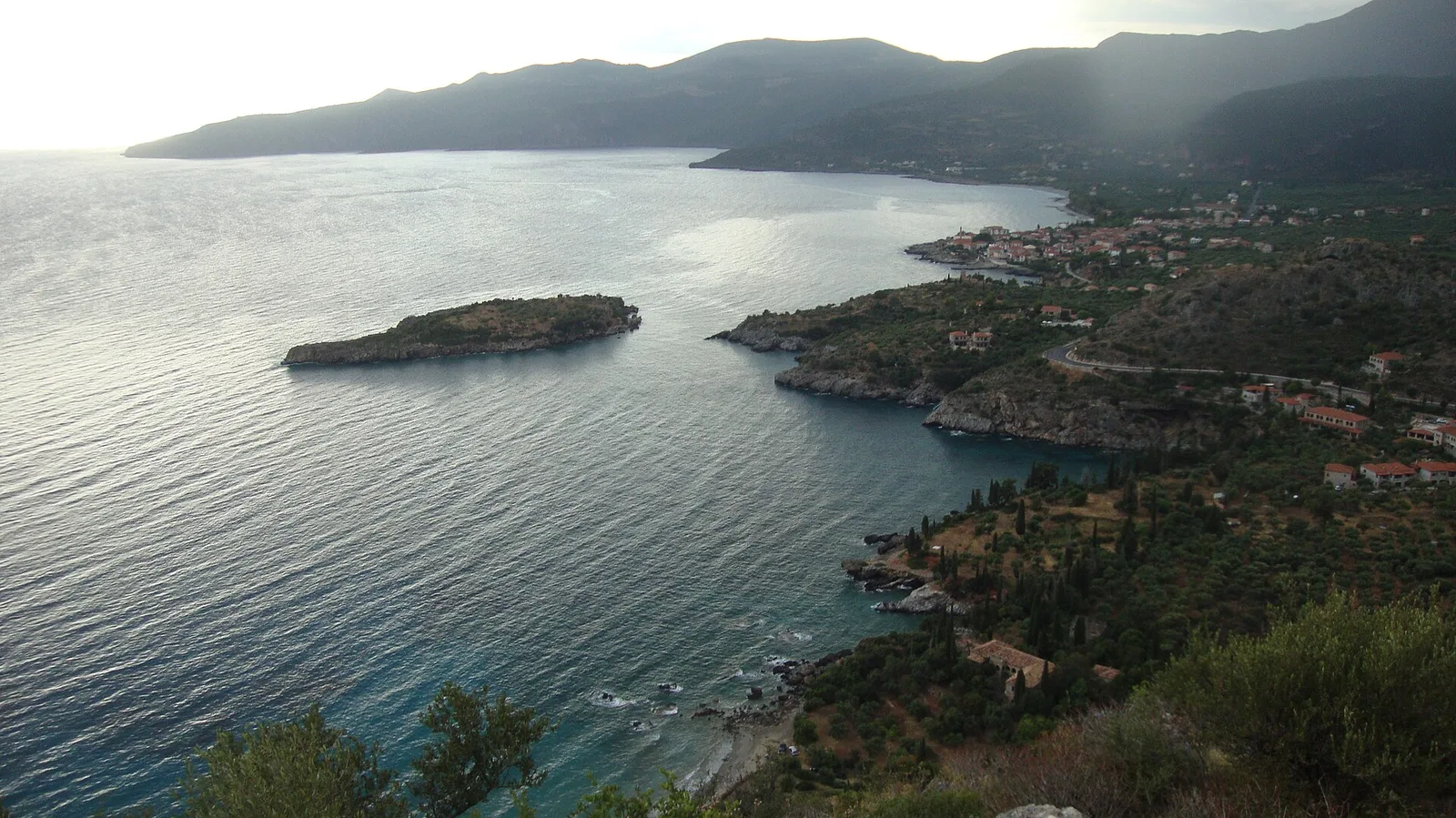 The bay of KardamyliPhoto: Ppso / Wikimedia Commons (CC BY-SA 4.0)
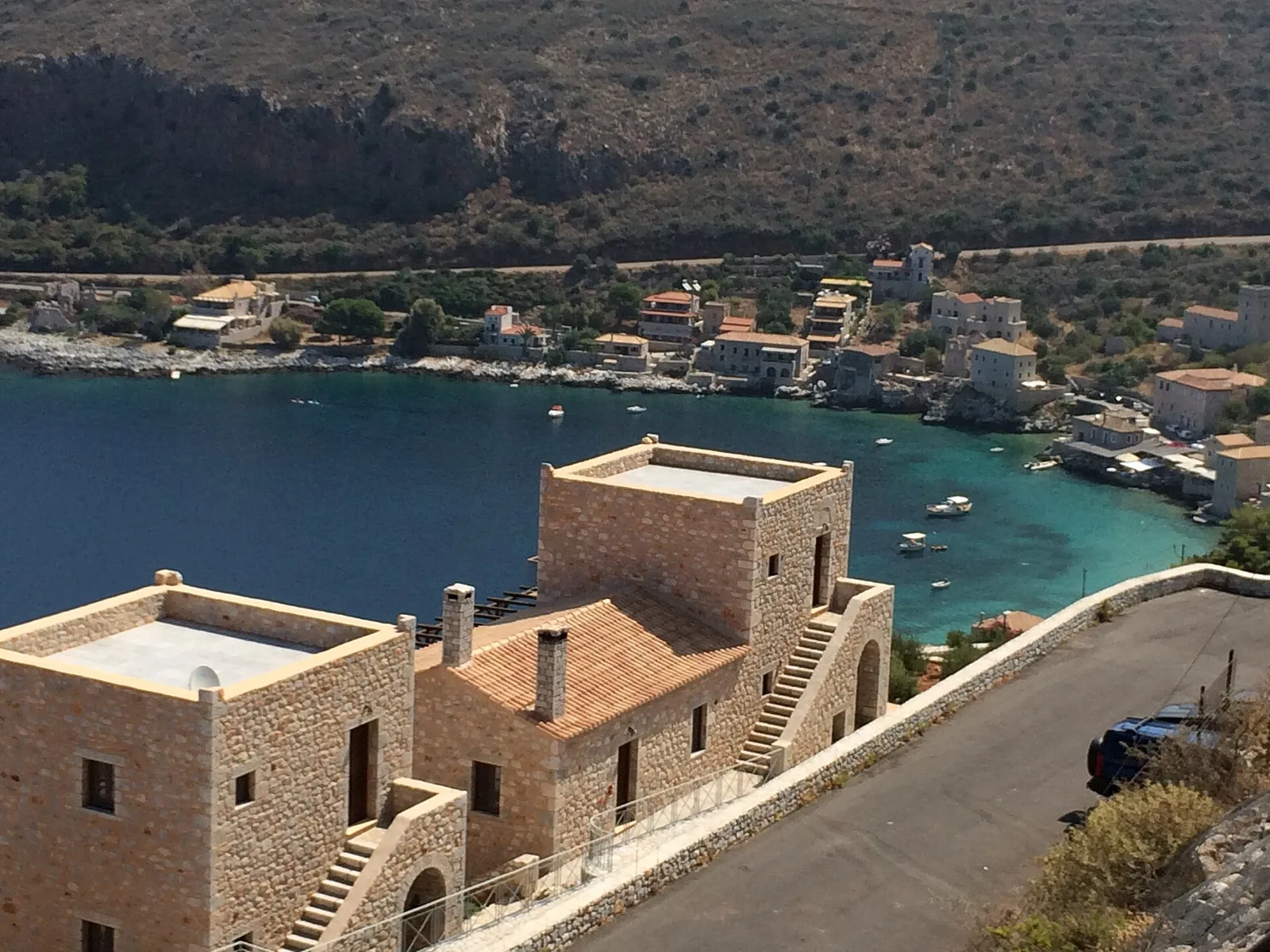 The harbour of LimeniPhoto: Zigomitros Athanasios / Wikimedia Commons (CC BY-SA 4.0)
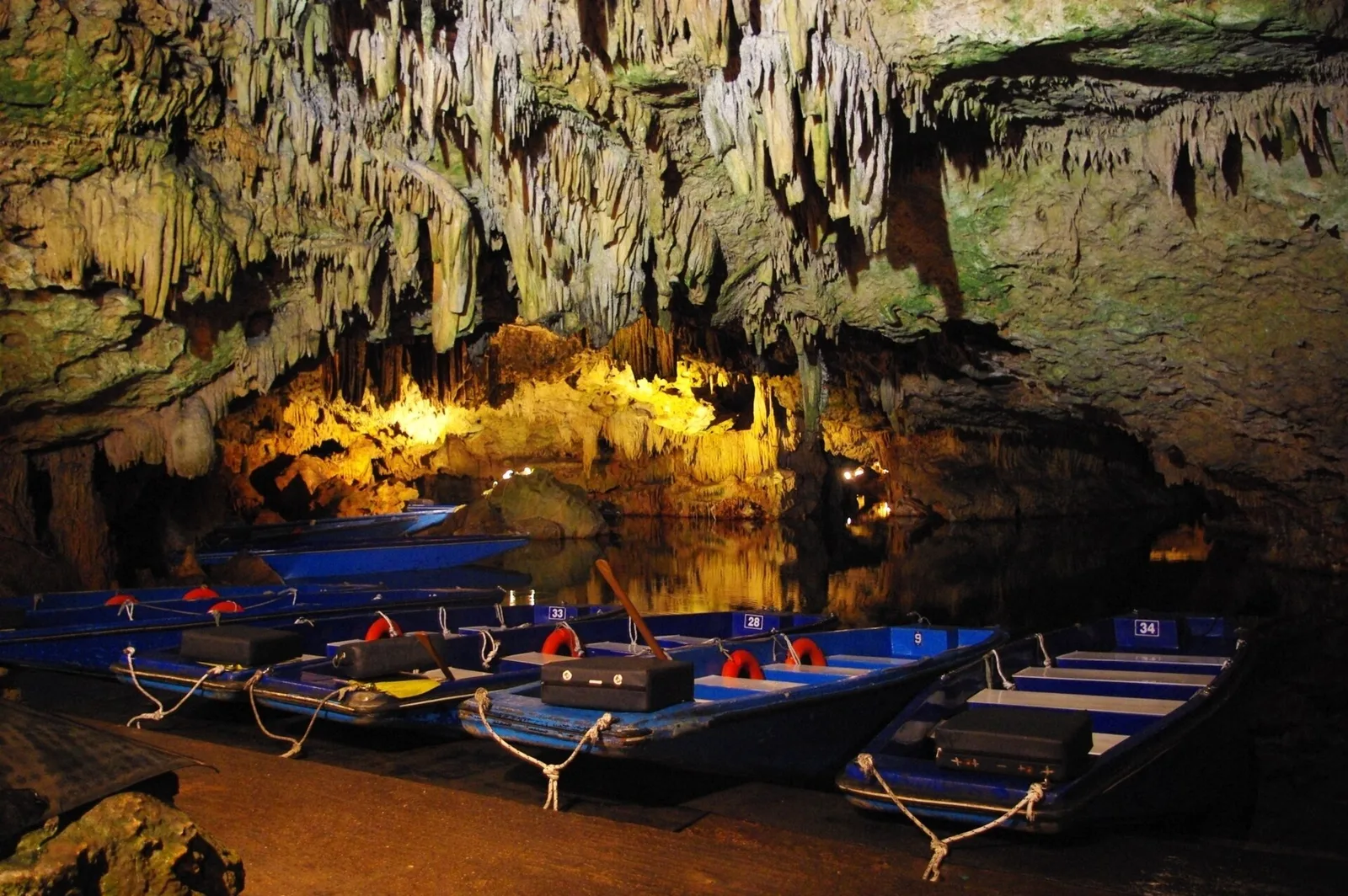 Boats in the Diros cavesPhoto: Koppi2 at German Wikipedia / Wikimedia Commons (CC BY-SA 3.0)
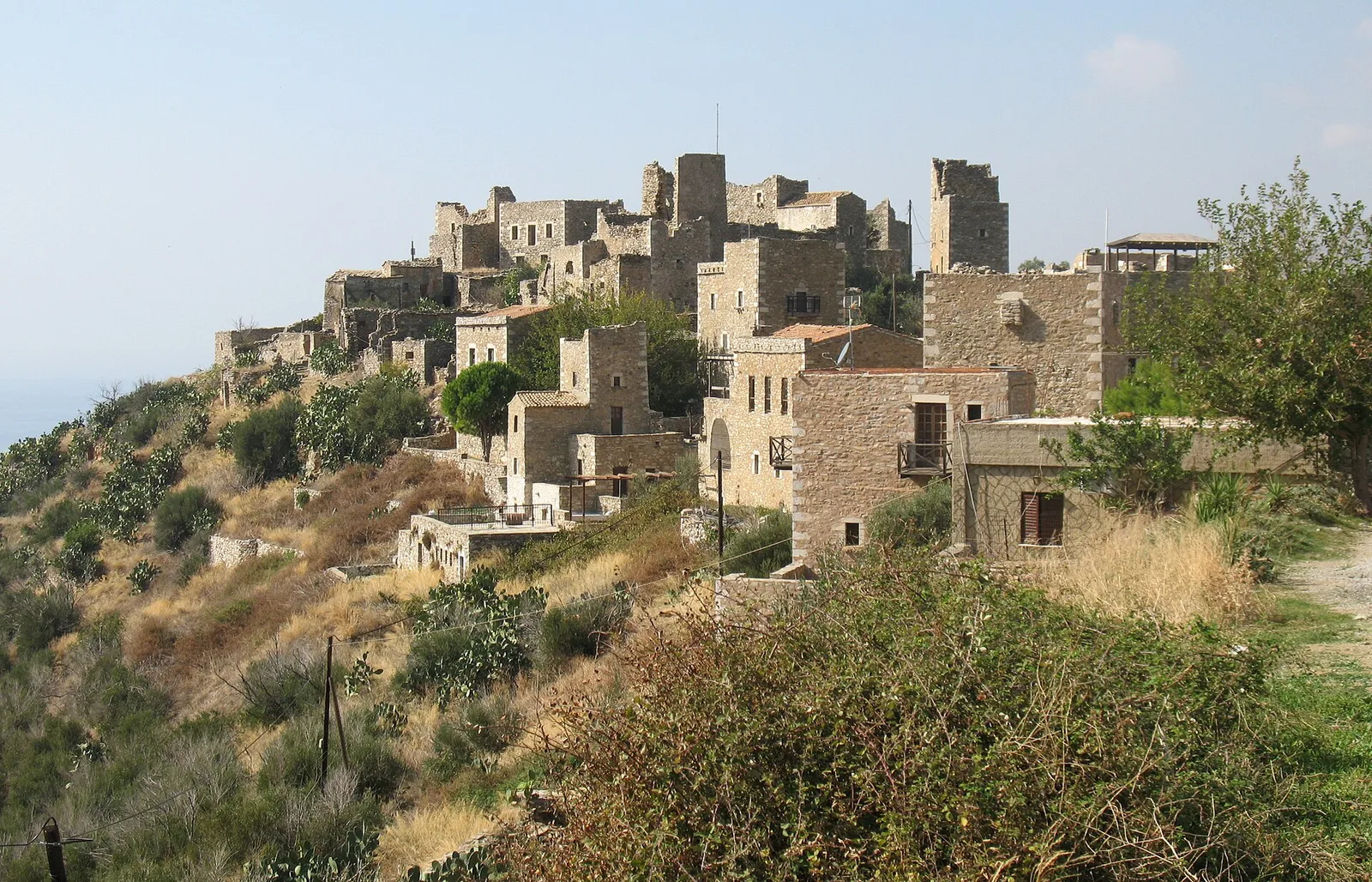 The tower village of VathiaPhoto: macrolepis / Wikimedia Commons (CC BY 3.0)
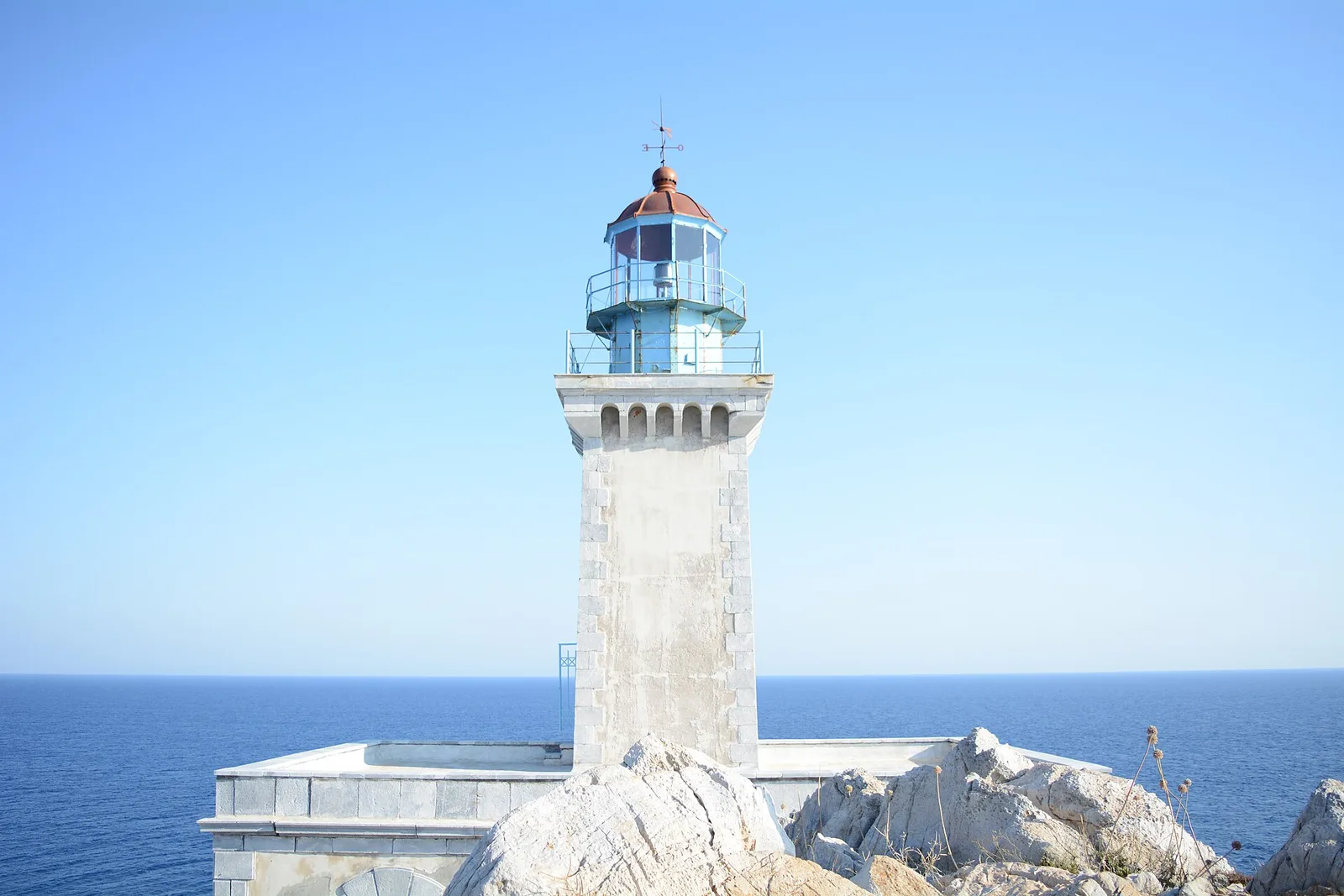 The lighthouse at Cape TainaronPhoto: Eugenia Zavitsanou / Wikimedia Commons (CC BY-SA 4.0)
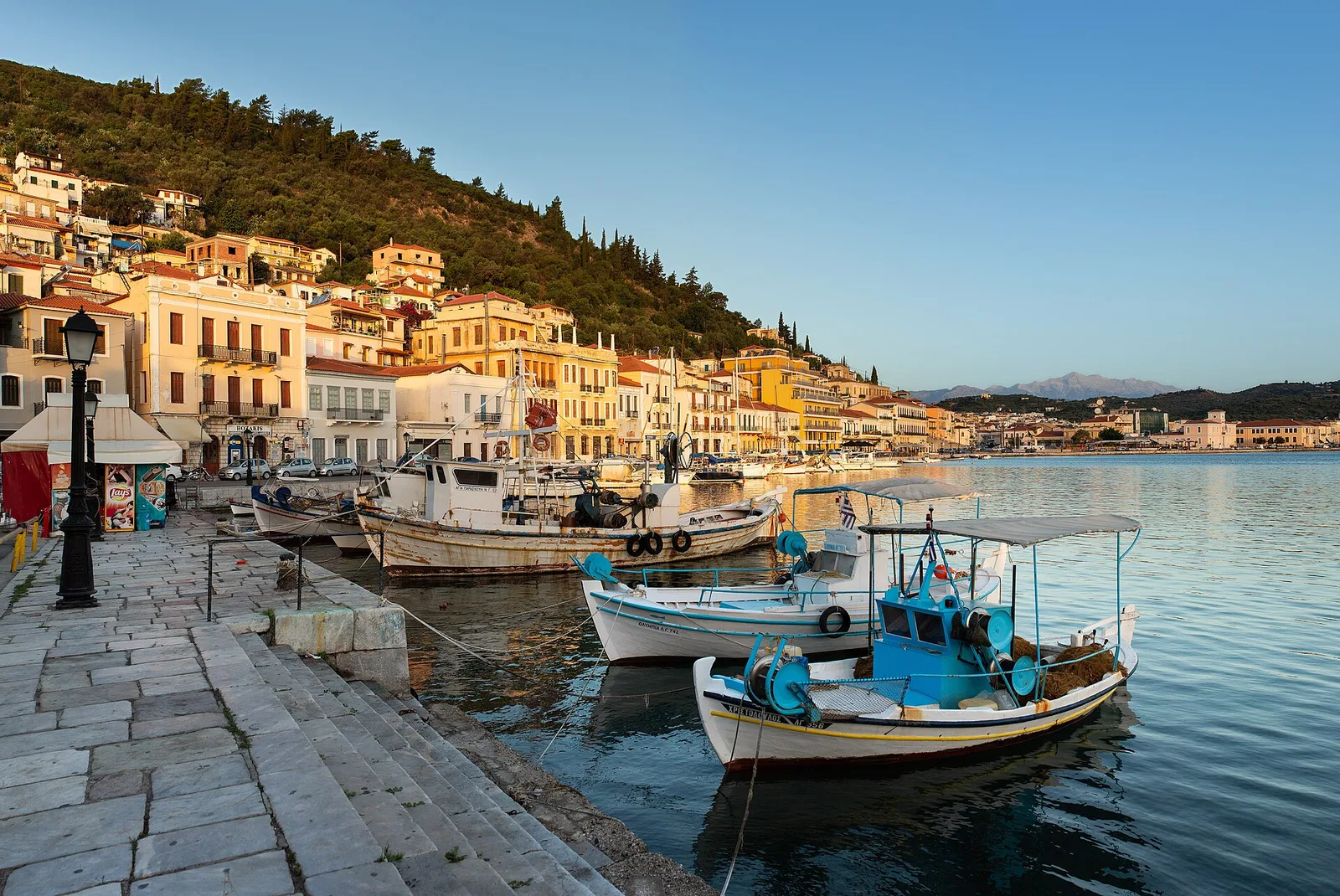 The harbour of GytheioPhoto: Diliff / Wikimedia Commons (CC BY-SA 4.0)
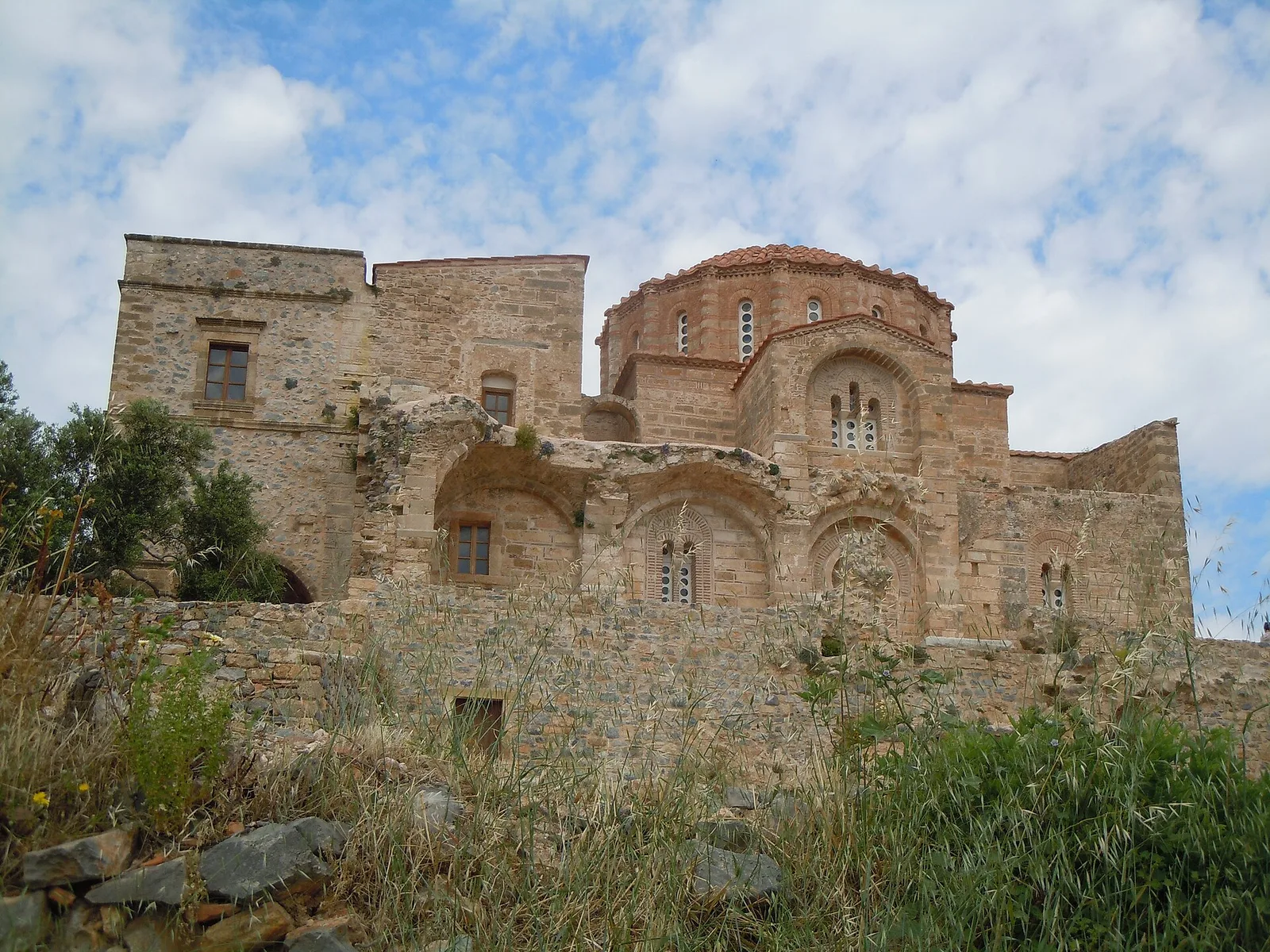 Agia Sofia in the upper town of MonemvasiaPhoto: Patrice78500 / Wikimedia Commons (CC BY-SA 4.0)
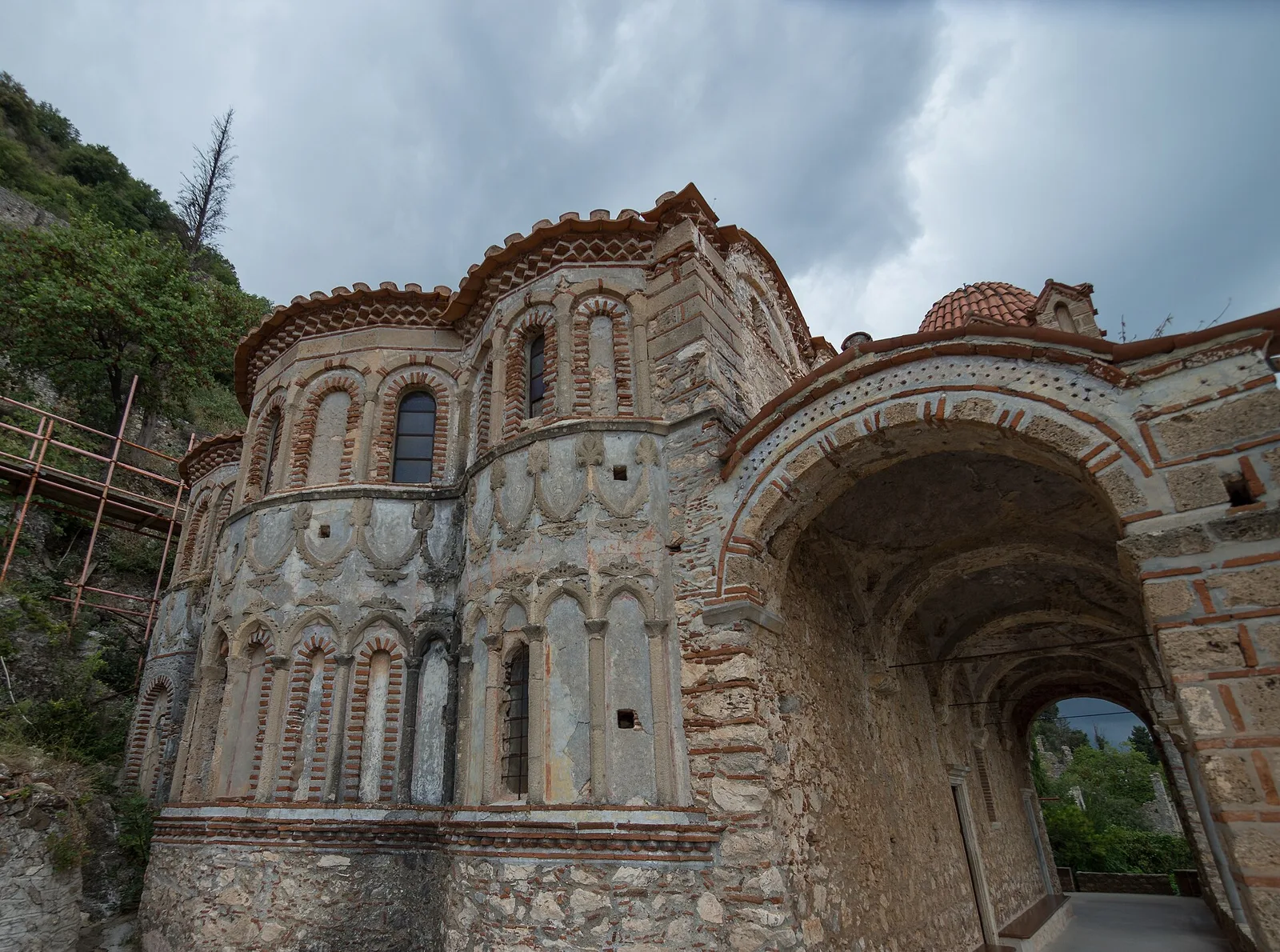 The Pantanassa Monastery at MystrasPhoto: HerrAdams / Wikimedia Commons (CC BY-SA 4.0)
Holiday itinerary
- Day 1 · Kalamata
Leave Athens early and stop at the Corinth Canal, where a ship-width slit of six kilometres cuts through the isthmus between walls of honey-coloured rock almost eighty metres high. The motorway then climbs into the green uplands of Arcadia and descends towards the Messenian Gulf. By late afternoon you are in Kalamata: walk up to the Frankish castle of the Villehardouins, wander the old town around the church of the Holy Apostles and finish on the long seafront with a plate of the famous local olives.
- Day 2 · Kardamyli
Drive inland to Ancient Messene, founded in 369 BC when the Messenians were freed from Sparta. Few ancient cities feel so complete: the stadium lies in an olive-filled hollow, the theatre and the agora are being brought back to light, and the mighty walls still stand around the Arcadian Gate. In the afternoon follow the coast road south as the Taygetos closes in, to Kardamyli, a village of stone houses and a pebble beach under the mountain. Walk past the restored towers of Old Kardamyli and, if the light allows, along the lane to the house where Patrick Leigh Fermor lived and wrote.
- Day 3 · Areopoli
A short drive today, but every bend counts. In the morning walk into the Viros gorge behind Kardamyli or swim at Stoupa, then follow the road south into the Outer Mani, where olive groves give way to stone terraces and the first tower houses appear on the ridges. Stop above Limeni, a tiny harbour of turquoise water guarded by the tower of the Mavromichalis clan. Areopoli, the town named after Ares, waits on the plateau: on 17 March 1821 its square saw the Maniots raise the flag of revolt, and its lanes still lead to the carved bell tower of the Taxiarches church.
- Day 4 · Areopoli
Begin at the Diros caves, where a boatman poles you for about forty minutes along an underground lake between stalactites and columns that drip into still green water. Then drive the empty road of the Deep Mani, past chapels with roof tiles of stone and villages of abandoned towers, to Vathia, whose cluster of towers on a hill looks like a fortress of chess pieces. At the end of the land, from the hamlet of Kokkinogeia, a path of about forty-five minutes leads over the bare cape to the lighthouse of Tainaron; on the way lie the remains of a sanctuary of Poseidon and the sea cave the ancients took for the gate to Hades. Return for dinner in the harbour of Gerolimenas or back in Areopoli.
- Day 5 · Monemvasia
Cross the Mani to the Laconian Gulf and Gytheio, once the port of Sparta, its pastel houses stacked above the fishing boats. A causeway leads to the islet of Marathonisi, ancient Kranai, where legend says Paris and Helen spent their first night after fleeing Sparta; a stone tower on it now holds a small museum of the Mani. Just north, at Valtaki beach, the rusting hull of the Dimitrios has lain on the sand since the early 1980s. The road then runs east through orange groves and over low hills to Monemvasia; arrive in time to cross the causeway at dusk, when the lamps come on in the lower town and the rock seems to float on the sea.
- Day 6 · Monemvasia
Monemvasia takes its name from its single entrance, and once through the gate cars stay behind. Spend the morning in the lower town, a maze of vaulted passages, flagstone lanes and small churches, among them Christ in Chains with its belfry over the square; the poet Yannis Ritsos was born in a house by the main street. Climb the zigzag path up the cliff to the ruined upper town, where the church of Agia Sofia stands at the very edge of the rock above the sea. In the afternoon swim from the rocks below the walls and, in the evening, taste the sweet Malvasia wine that took this town’s name to the courts of Europe.
- Day 7 · Mystras
Drive north-west across the Laconian plain to Sparti and charge at the fast station on the edge of town while you look at the modest ruins of the ancient theatre or the Museum of the Olive and Greek Olive Oil. Then climb to Mystras, the Byzantine city on a spur of the Taygetos and the capital of the Despotate of the Morea, listed by UNESCO in 1989. Paths lead up past the frescoed churches of the Peribleptos and the Pantanassa, where nuns still tend the garden, to the Palace of the Despots, where in 1449 Constantine XI Palaiologos was proclaimed the last emperor of Byzantium. Stay overnight in the modern village below and watch the ruins turn gold at sunset.
- Day 8 · Athens
The long road home is easy on the motorway: climb out of Laconia to the plateau of Tripoli and stop at the high-power chargers of the Artemisio service area, then descend to the Isthmus for a last coffee by the Corinth Canal while the car tops up again. By late afternoon you are in Athens. If there is energy left, walk up Philopappos Hill as the sun goes down: from its pine-scented top the Parthenon stands directly opposite, glowing above the city like the final page of the journey.