
Plan
Add route point
New point will be added to the top of the route and later you can arrange the chain of points
Points
Holiday itinerary
A week in the south-east of Estonia, a land of wooden villages, Old Believer churches and small round hills between dark spruce forests and lakes. From Tallinn the road crosses Virumaa past the ruins of Rakvere castle to the shore of Lake Peipus, one of the largest lakes in Europe, where Old Believers who left Russia some three centuries ago still grow onions in street villages that stretch for kilometres along the water. Alatskivi’s white castle, modelled on Balmoral, and the university city of Tartu lead on to Setomaa, home of the Seto people, with their Orthodox chapels, the farm museum at Värska and leelo, a polyphonic song that UNESCO lists as living heritage. Further south lie the sand caves of Piusa, the castle ruins of Vastseliina, Estonia’s deepest lake at Rõuge and Suur Munamägi, the highest hill in the Baltic states, before Otepää and its holy lake close the loop. Fast chargers stand in Tartu, Võru and along the main roads; Setomaa is quiet and rural, so arrive there with a full battery.
Season: Best from late May to mid-September, when the nights are short and light, the lakes are warm and onion stalls line the road along Peipus. In early August Setomaa celebrates its Kingdom Day, when the Seto choose a steward for their legendary king Peko and the villages fill with song; in winter the Piusa caves belong to the hibernating bats. Late September turns the birch woods of Haanja yellow; winter is snowy, and Otepää becomes the ski capital of the country.
Landmarks
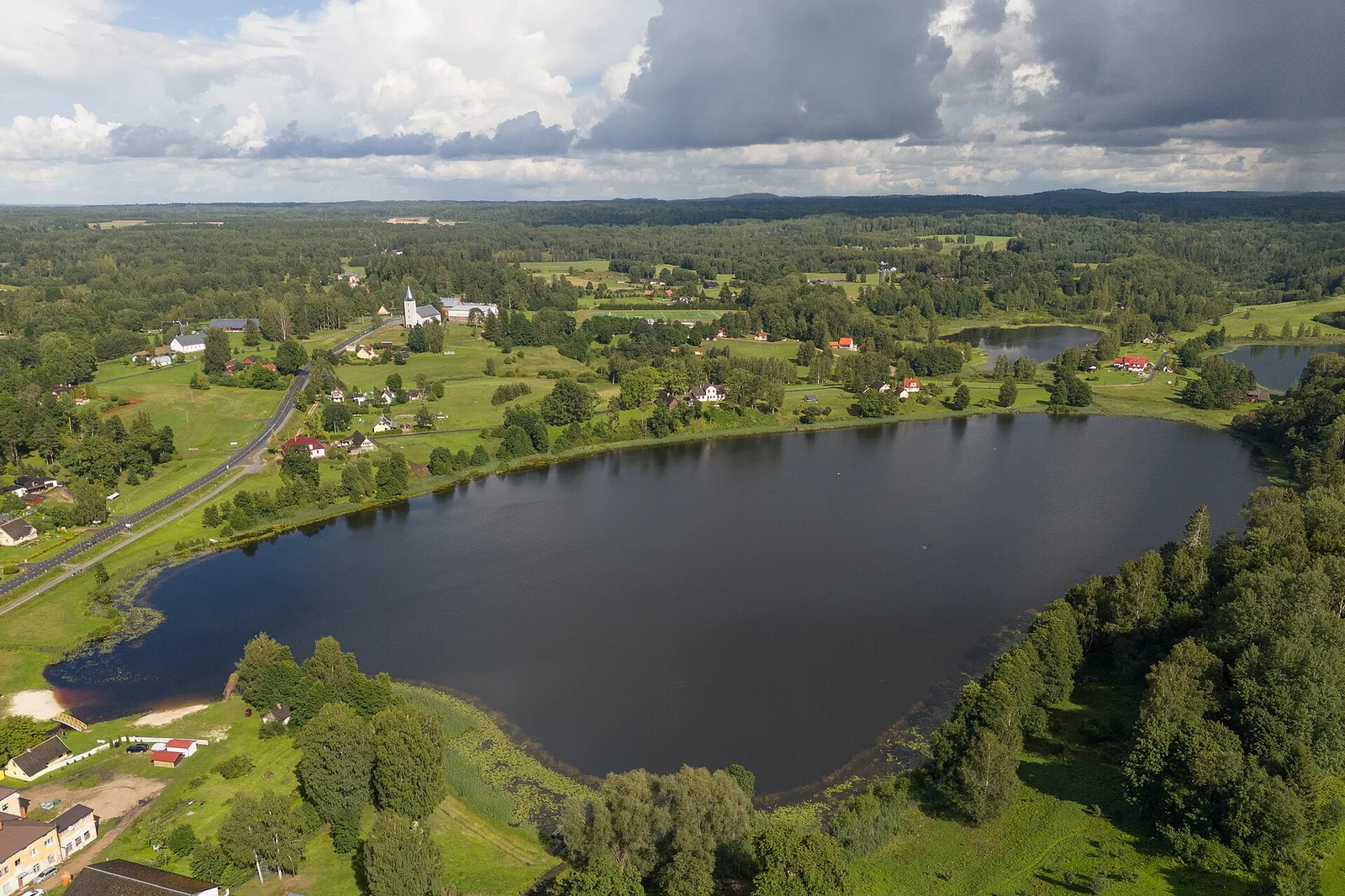 Rõuge Suurjärv from abovePhoto: Veljorunnel / Wikimedia Commons (CC BY 4.0)
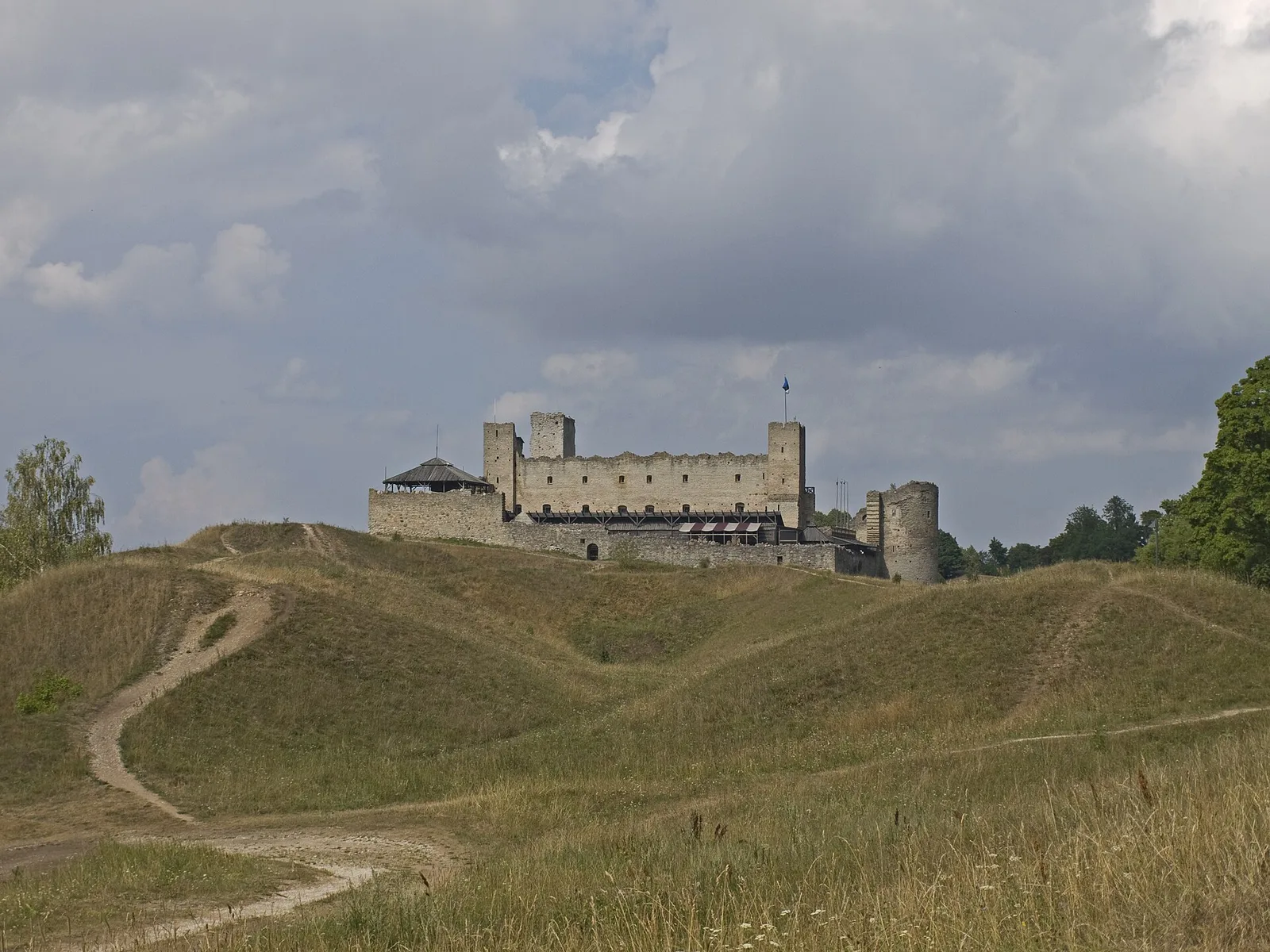 Rakvere castlePhoto: Ymblanter / Wikimedia Commons (CC BY-SA 4.0)
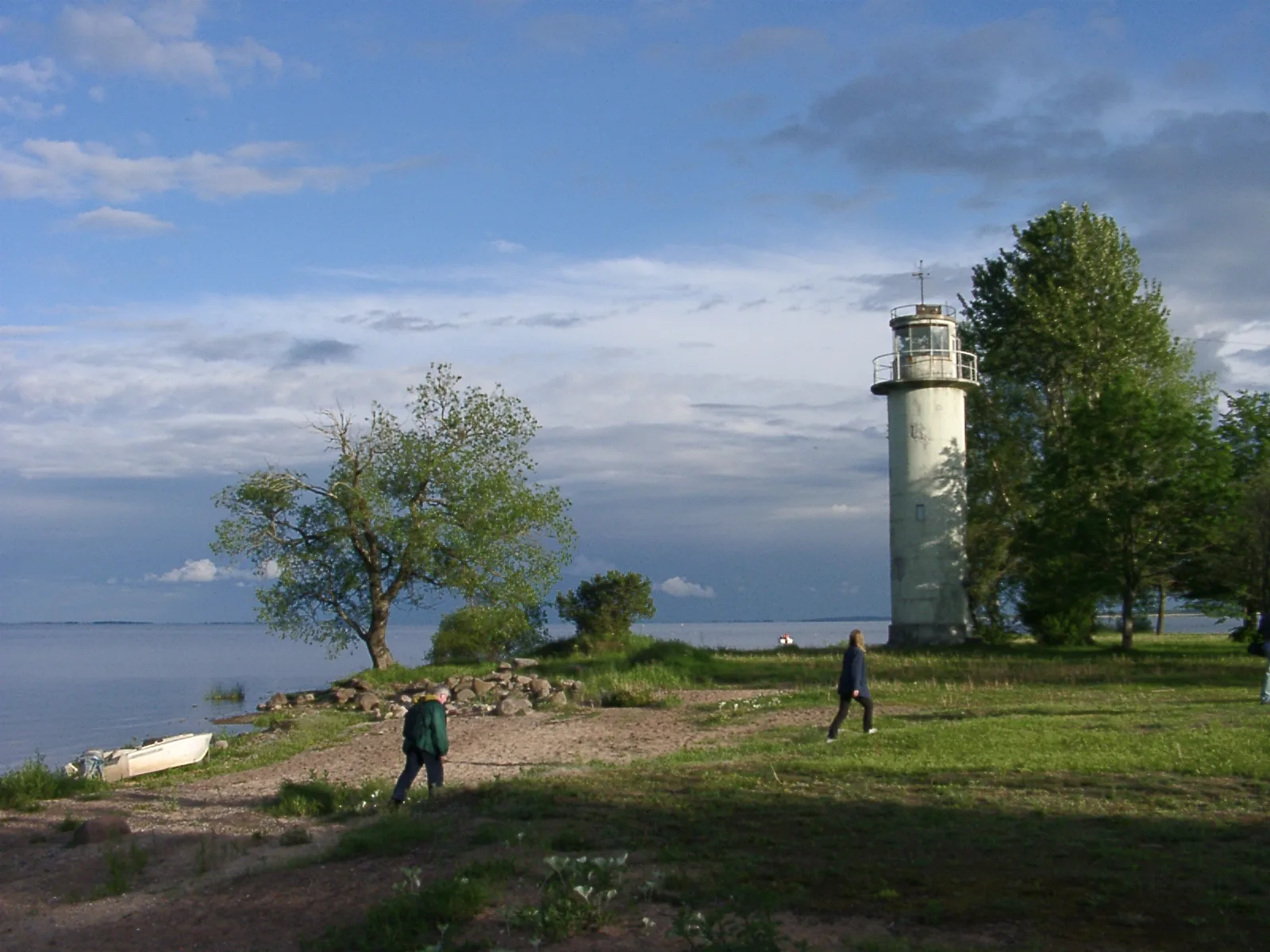 Lake Peipus from the Estonian shorePhoto: Shi Annan / Wikimedia Commons (CC BY-SA 4.0)
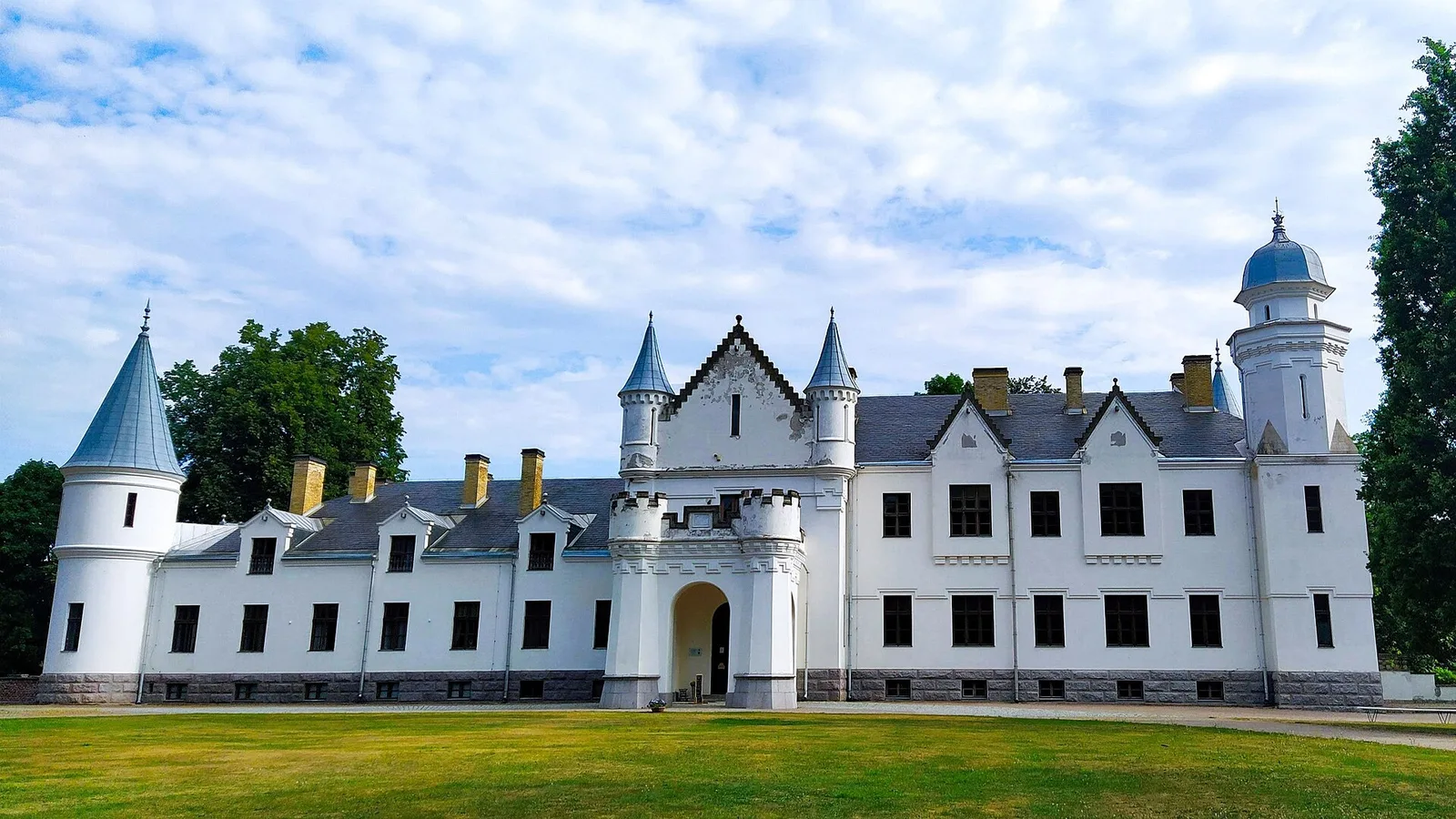 Alatskivi castlePhoto: Hei1972 / Wikimedia Commons (CC BY-SA 4.0)
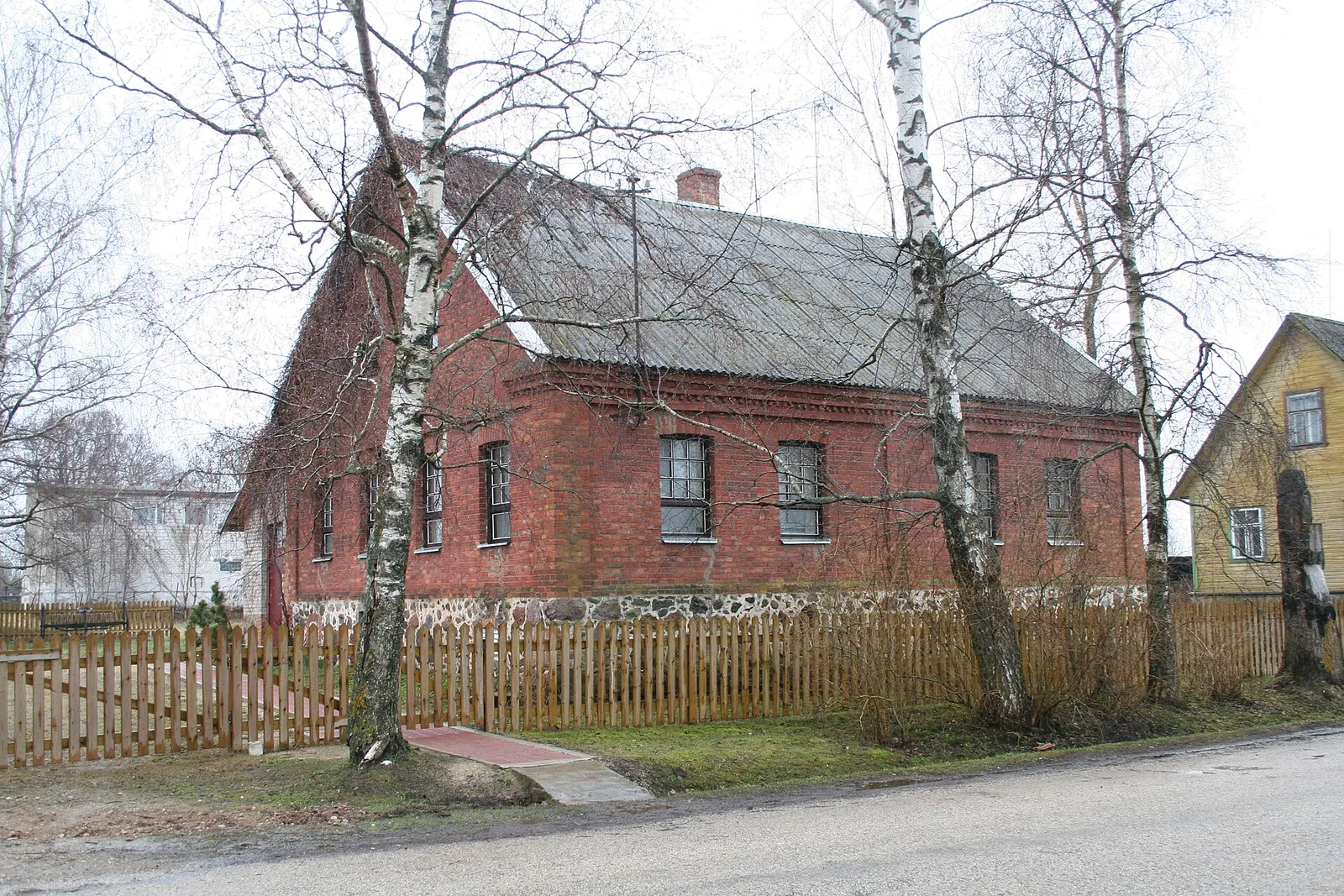 The Old Believers’ museum in KolkjaPhoto: Mmh / Wikimedia Commons (CC BY-SA 3.0)
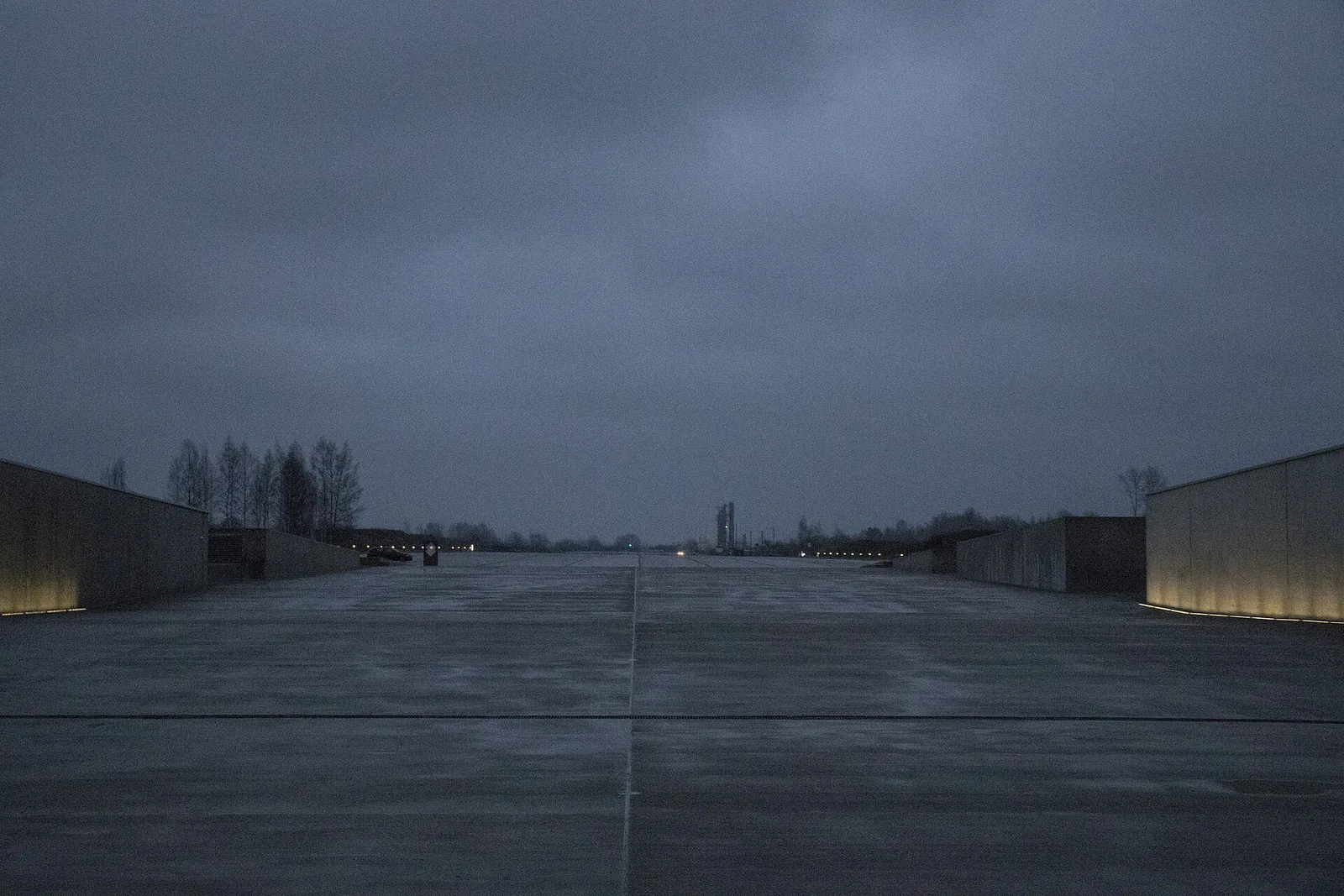 The Estonian National Museum and its runwayPhoto: WanderingTrad / Wikimedia Commons (CC BY-SA 4.0)
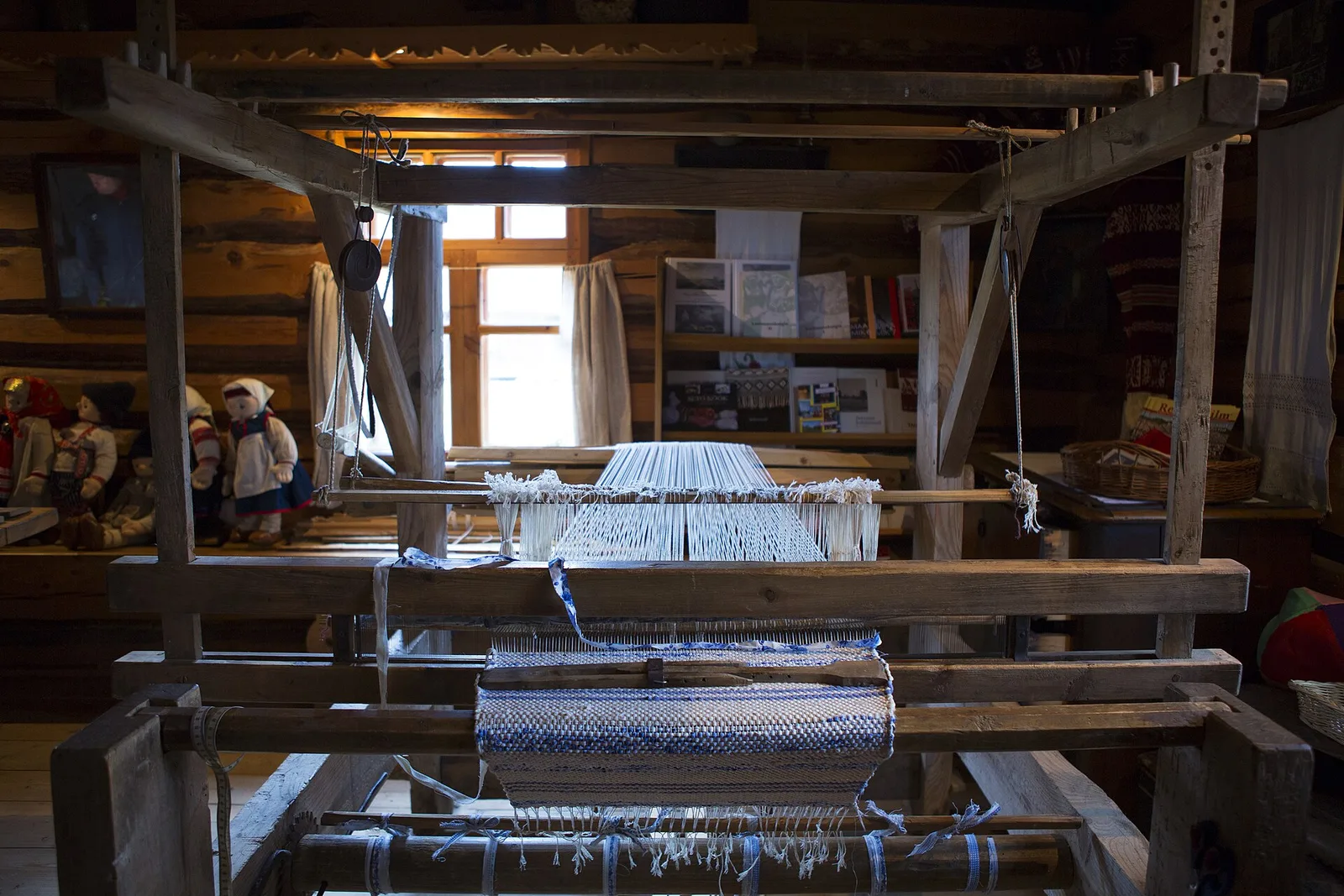 The Seto Farm Museum in VärskaPhoto: Olga1969 / Wikimedia Commons (CC BY-SA 4.0)
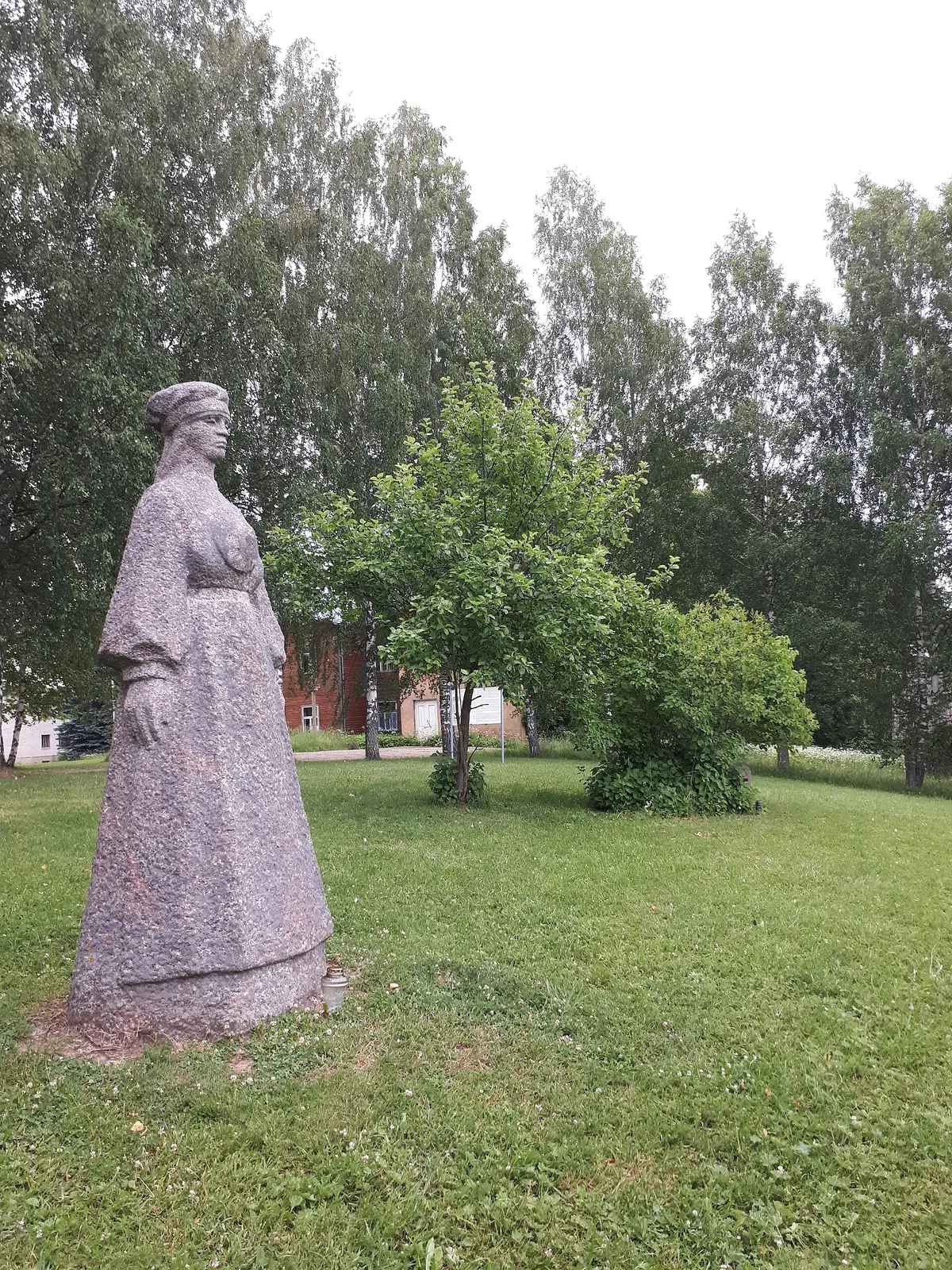 The Song Mother monument in ObinitsaPhoto: Klarqa / Wikimedia Commons (CC BY-SA 4.0)
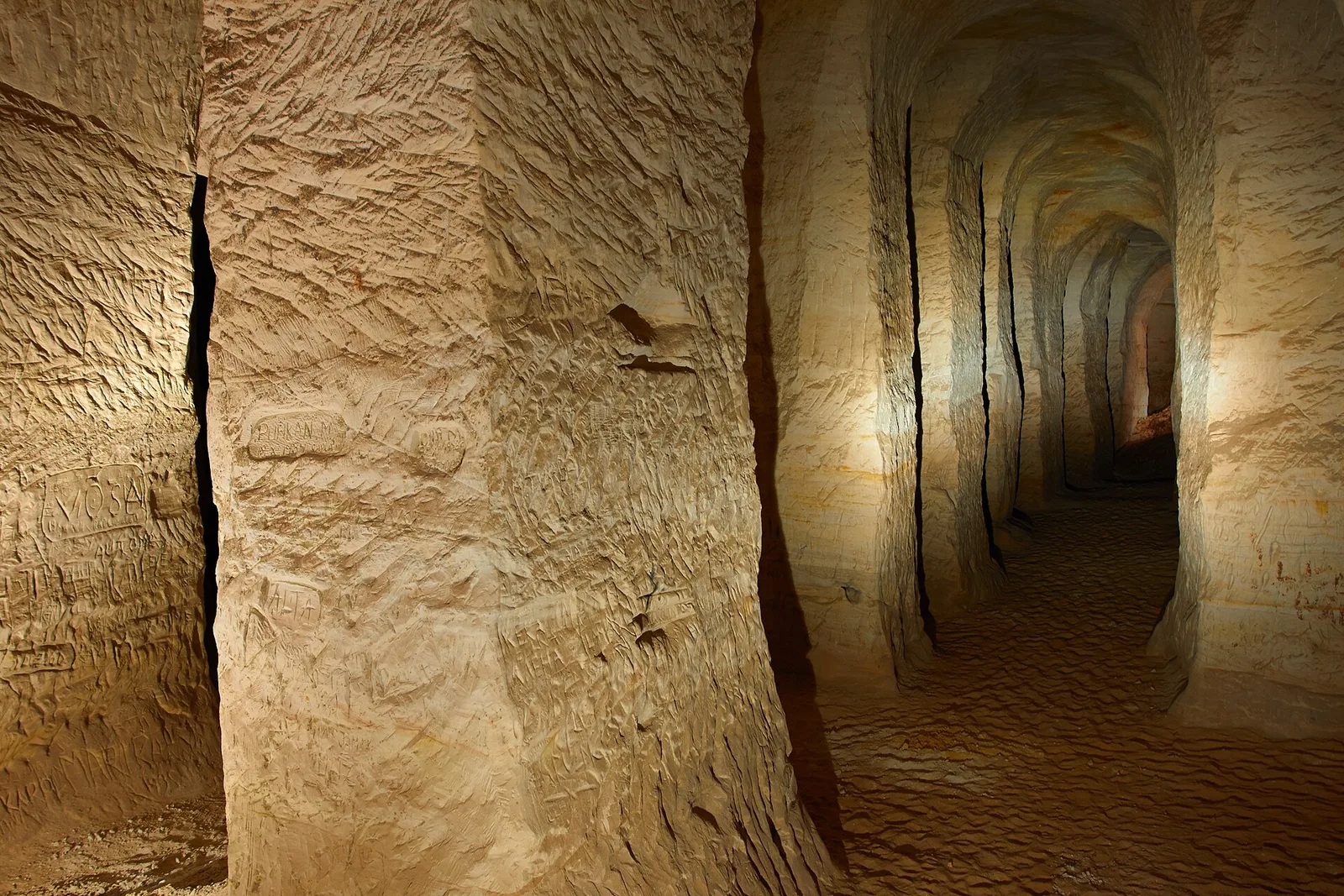 Sandstone halls of the Piusa cavesPhoto: Vaido Otsar / Wikimedia Commons (CC BY-SA 3.0)
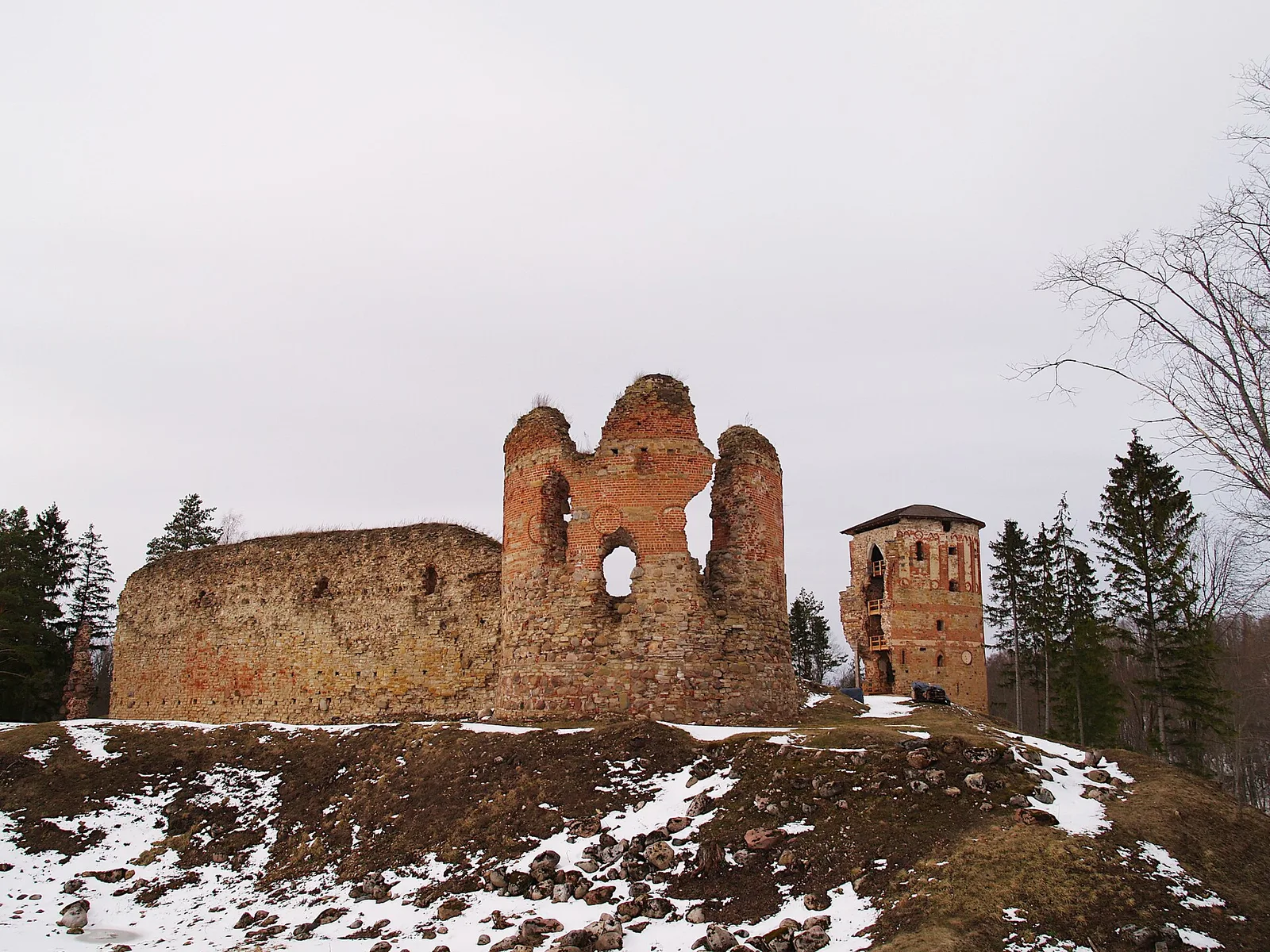 Vastseliina castle ruinsPhoto: Ivo Kruusamägi from Estonian Wikipedia / Wikimedia Commons (CC BY-SA 3.0)
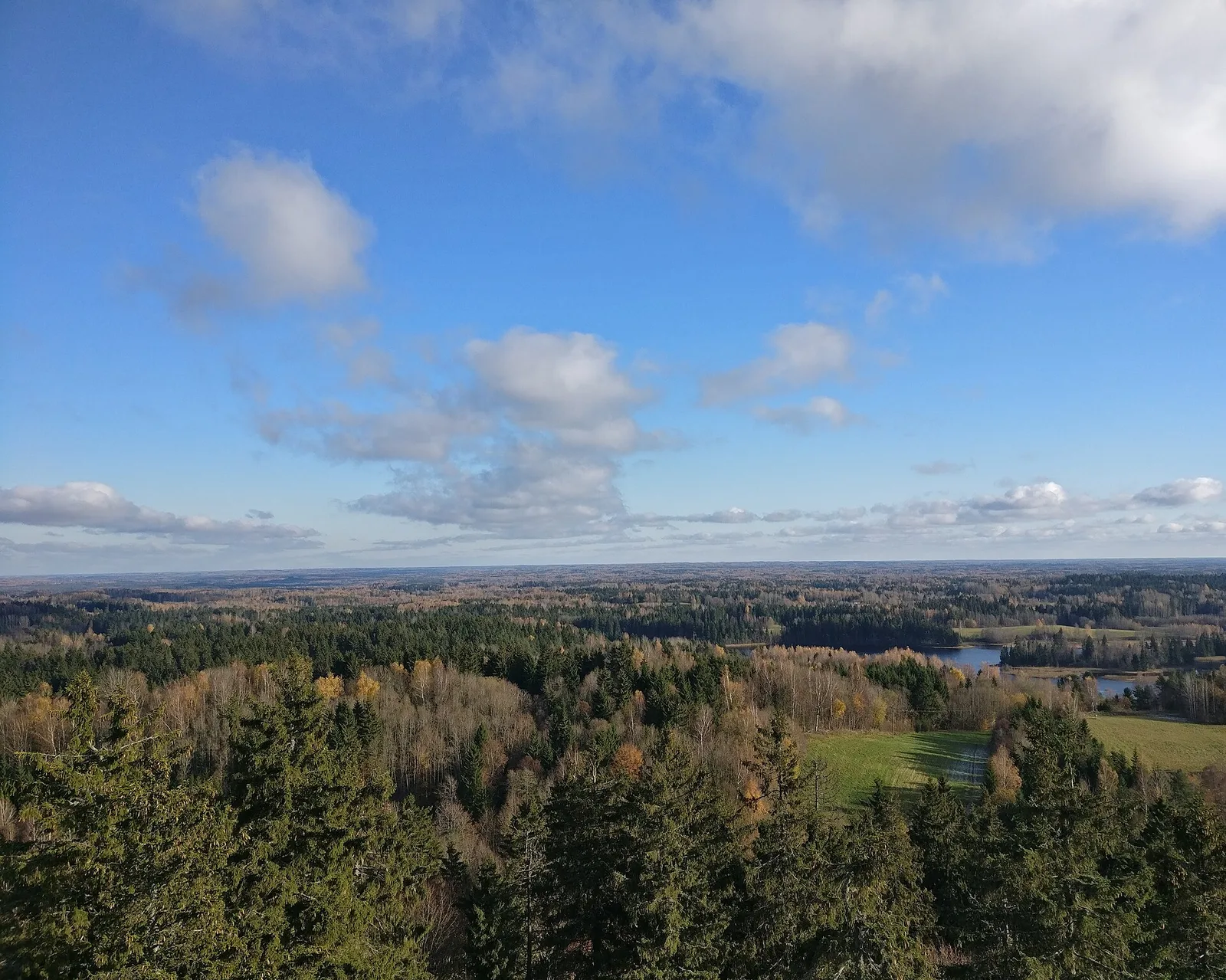 View from the Suur Munamägi towerPhoto: Reosarevok / Wikimedia Commons (CC BY-SA 4.0)
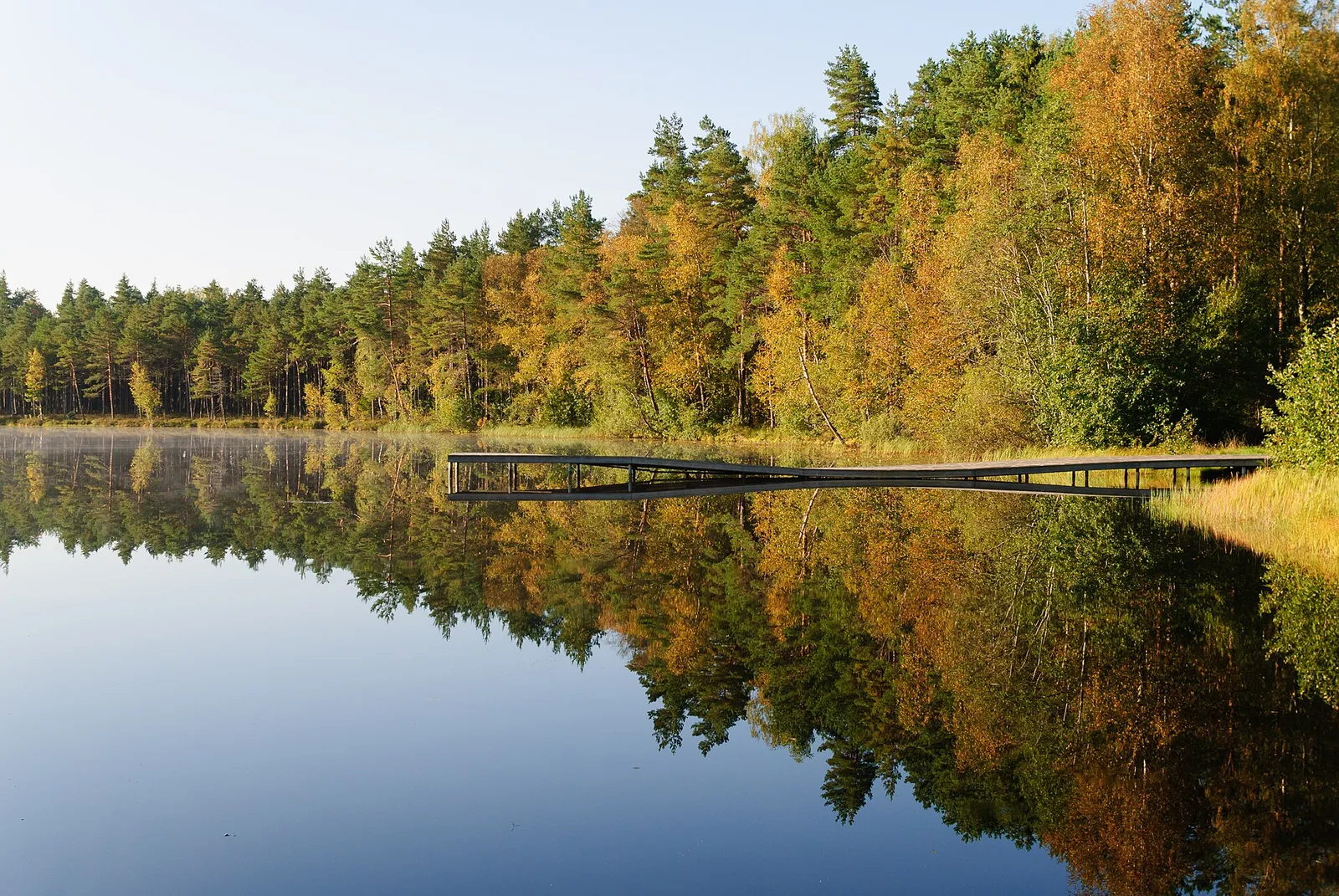 A holy lake in South EstoniaPhoto: Rutake / Wikimedia Commons (CC BY-SA 4.0)
Holiday itinerary
- Day 1 · Alatskivi
Leave Tallinn eastwards through the fields of Virumaa and stop at Rakvere, where the castle ruins stand on a long ridge above the town and a large bronze aurochs looks out over the valley. From there the road runs south through forest to Mustvee on Lake Peipus, a town of Old Believer churches and wooden houses, and on along the shore through Raja and Kasepää, street villages where onions dry on porches and the lake looks like a sea. At Kallaste the shore rises in low red sandstone cliffs. Charge at Mustvee and end the day at Alatskivi.
- Day 2 · Tartu
Morning at Alatskivi castle, built in the 1880s by Baron Arved von Nolcken after Queen Victoria’s Balmoral, with its white towers above a park and a pond; the manor also has a small museum to the composer Eduard Tubin, who was born nearby. Then follow the Onion Route south along the lake to Kolkja and Varnja, where the Old Believers’ museum explains the faith, the icons and the cooking of these villages. In the afternoon drive into Tartu, Estonia’s university city, and walk up Toome Hill to the cathedral ruins among old trees.
- Day 3 · Värska
Spend the morning at the Estonian National Museum, opened in 2016 on the edge of Tartu in a long glass-and-concrete building that continues the line of an old Soviet airfield runway; inside, the story of the Estonians and the Finno-Ugric peoples is told with great care. Charge in Tartu, then drive south-east into Setomaa to Värska, a small spa village on a bay of Lake Pskov. The Seto Farm Museum shows log houses, a smoke sauna and festive costumes with heavy silver brooches, and in the bay the state border runs through the water.
- Day 4 · Võru
Drive slowly through Setomaa on narrow roads past village chapels and wooden crosses to Obinitsa, where a small Seto museum and the Song Mother monument honour the singer Hilana Taarka and the tradition of leelo. Nearby, the Piusa caves are old galleries cut into the sandstone in the 20th century to mine glass sand; they are now a bat roost, and the visitor centre shows the vaulted halls through windows and on trails above. Then look in at the ruins of Vastseliina episcopal castle, a pilgrimage site since the Middle Ages, and sleep in Võru, where you can charge overnight.
- Day 5 · Rõuge
A short day in the uplands of Haanja. Climb Suur Munamägi, at 318 metres the highest hill in the Baltic states; a lift runs up the observation tower, and on a clear day the forest rolls away towards Latvia and Russia. Then drive the winding road to Rõuge, a village strung along a chain of seven lakes, among them Suurjärv, the deepest lake in Estonia at 38 metres. Walk down into Nightingale Valley, where birds really do sing on June evenings, and stay the night by the water.
- Day 6 · Otepää
Drive north through rolling farmland to Otepää, which Estonians call their winter capital. Climb the old castle hill, where the Bishop of Tartu once had a stronghold and where the view now opens over the town and its church, then walk or cycle around Pühajärv, the holy lake, with its islands and beaches; a memorial recalls the Dalai Lama’s visit in 1991. Otepää only has a slow AC charger, so plug in for the evening and enjoy a quiet dinner by the lake.
- Day 7 · Tallinn
The return leg to the north coast. Charge again in Tartu, then take the main road north and stop at Põltsamaa, where the castle that once held a famous porcelain workshop now houses cafés, craft shops and a small museum beside the river. The last stretch crosses the flat heart of Estonia to Tallinn; end the week on Toompea, at the Kohtuotsa viewing platform, looking over the red roofs of the old town to the sea.