
Smart home charging for electric cars – save time and money today
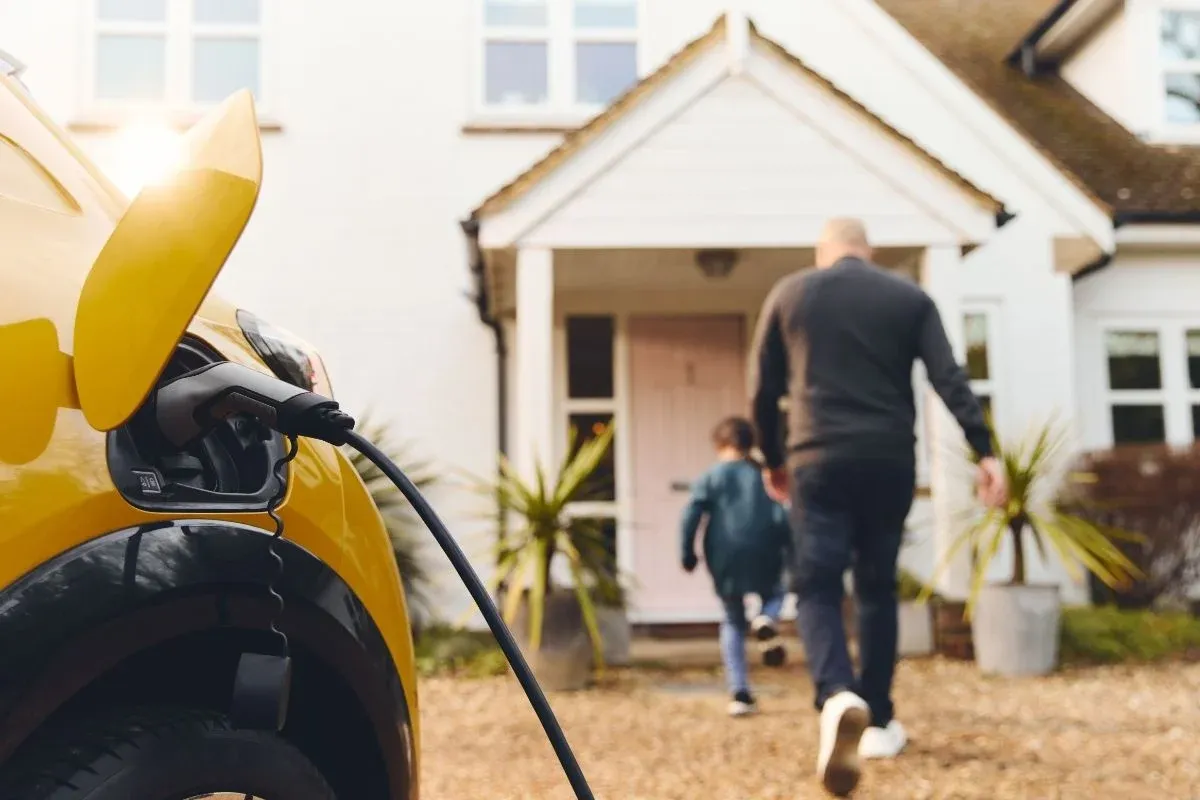
Charging an electric car at home has become a normal part of daily life for many of us, especially here in Norway where electric cars continue to fill the roads. It’s not just about plugging into a charger, but about creating a safe, practical, and cost-effective solution that works well in your everyday life. I remember my own uncertainty when setting up home charging for the first time—there were questions about safety, costs, and what kind of equipment was actually needed. But after going through the process, I discovered how convenient it is to charge your car at home in a smart and efficient way. Now I share what I’ve learned so that you can also get off to a good start with home charging.
What does home electric car charging mean?
When we talk about home charging for electric vehicles, we mean connecting your car to the power grid in your own house or cabin—whether it’s in the garage, driveway, or another convenient location. This is different from public charging, where you have to plan your route based on the availability of charging stations. Home charging is like having a gas station in your backyard, but with much better control and no need to wait in line. For many, it provides extra peace of mind knowing the car is ready when you need it, without additional stress or unexpected costs. It’s all about freedom and accessibility—a solution that makes living with an electric vehicle in everyday life easier.
Advantages of Charging an Electric Vehicle at Home
Being able to charge an electric car at home feels like having a superpower in everyday life. You eliminate the need for planning and waiting, as the car is ready whenever you wake up or return home from work. I’ve noticed how much easier things are when I can charge overnight without extra costs or time pressure. Economically, home charging is also a smart choice, especially when you take advantage of the cheapest electricity rates at night. At the same time, I’ve felt like I’m contributing to the environment in a tangible way, since I can control charging during times of green energy or using my own solar power production. The comfort, flexibility, and cost savings make home charging a clear winner in my book.
Various ways to charge an electric car at home
Standard plug connection
I started by charging my car using a regular wall outlet, something many people likely do as well. It seems so simple: just plug it in and let it charge. But I quickly learned that this method has its limitations. The charging process is very slow, and there’s a high risk of overloading the outlet if it isn’t designed to handle high current usage for extended periods. It’s like using a garden hose to fill a swimming pool—possible, but it will take forever and wear out the equipment. Therefore, I recommend this only as a last resort or for very low charging needs.
Also read: Norway’s Best Electric Vehicle Support Policies for Purchase, Charging, and Use
Wall chargers at home
The best step I took was investing in a wall charger at home. It’s like having a dedicated pump that fills up the fuel tank quickly and safely. A wall charger provides much faster charging and better safety, thanks to stronger cables and smarter controls. Most wall chargers also offer features that allow you to schedule charging when electricity is cheapest, or monitor usage directly on your mobile device. For me, it has become a safe and efficient way to charge my vehicle, truly making daily life easier.
Smart Charging and Energy Management
The technological advancements in home charging have made way for smart solutions that truly make a difference. I have a system that automatically starts charging when electricity prices are lowest and stops when the grid is overloaded. If you have solar panels, you can also set up systems that prioritize power generated by them for your electric vehicle. It feels good to know that I’m not only saving money but also using electricity in a way that’s beneficial for the environment and the power grid. The future of home charging lies precisely in such efficient and sustainable energy management.
What is needed to charge an electric car at home?
It’s not just about plugging it in – home charging requires that the house’s electrical system is sized for it. I had to check the power capacity and upgrade the fuse rating to ensure everything was safe. A ground fault circuit interrupter and proper cables are necessary to avoid dangerous situations. You might also need to obtain permission from the local authorities, especially for larger installations. For me, it was a huge relief to have an authorized electrician inspect and carry out the installation. This is an investment in safety that shouldn’t be underestimated.
Installing a Home Charger: Step by Step
First, I chose a charger that matched my usage and budget. Then I contacted EL Alliansen AS, a local electrician company in Oslo, which helped with both the selection and installation. I chose EL Alliansen AS because of their reasonable and transparent prices, as well as all the positive customer reviews on Google Reviews, Mittanbud, and forums like Reddit. Their electricians also handled the applications.
Costs associated with home charging
In terms of economics, it may seem like a large investment at first. Chargers range in cost from a few thousand kroner to over 20,000 kroner, depending on the type and features. Installation costs can vary significantly, from around 5,000 to 15,000 kroner, depending on the work required in your electrical setup. Nevertheless, you often recoup this cost over time through lower electricity prices and reduced need for public fast charging. Additionally, there are support programs offered by Enova that can cover part of the cost and make home charging even more affordable.
Read also: Affordable Electric Cars in Norway – How to Choose the Best One Now
Safety when Charging Electric Cars at Home
Safety is perhaps the most important aspect of home charging. I’ve learned that one should never use extension cords, and that charging cables must be regularly checked for wear. Charging with damaged or faulty equipment can lead to dangerous situations, including fires. That’s why I always follow the manufacturer’s guidelines and my electrician’s recommendations. It’s about being proactive and avoiding shortcuts, so that both you and your home are safe while the car is being charged.
The future of home charging: what can we expect?
Home charging is still in development. We are moving toward a future where charging equipment communicates with smart systems, the power grid, and renewable energy sources to optimize both costs and the environment. For example, your car can be charged when you generate plenty of solar power or when electricity prices are at their lowest, without you needing to think about it. Battery storage at home can also become common, allowing us to store electricity for both the car and the house when demand is highest. The future promises greater efficiency, smarter solutions, and improved comfort.
FAQ
How long does it take to charge at home?
It varies. A typical wall charger takes 4–8 hours to fully charge, while a standard plug-in charger may take over 12 hours.
Can I charge multiple cars at home simultaneously?
Yes, but you will need multiple chargers and sufficient capacity in your electrical system.
How does home charging affect electricity bills?
It increases naturally, but you can reduce costs by charging when electricity is cheap.
Are fixed wall chargers necessary?
No, but they provide faster, safer, and more efficient charging.
Conclusion
Charging an electric car at home is more than just topping up the battery – it’s an investment in safety, comfort, and cost savings. With the right equipment and professional installation, you can enjoy a charging routine that fits your lifestyle while saving both time and money. Home charging gives you the freedom to charge whenever it suits you, allowing you to control electricity usage in an environmentally friendly way. The future of home charging looks smart and sustainable, and there’s no reason to delay taking the step. With proper preparations, you can enjoy a simple, safe, and efficient charging experience – right at home.