Škoda Peaq 90x in the driving review: Plenty of space for the family
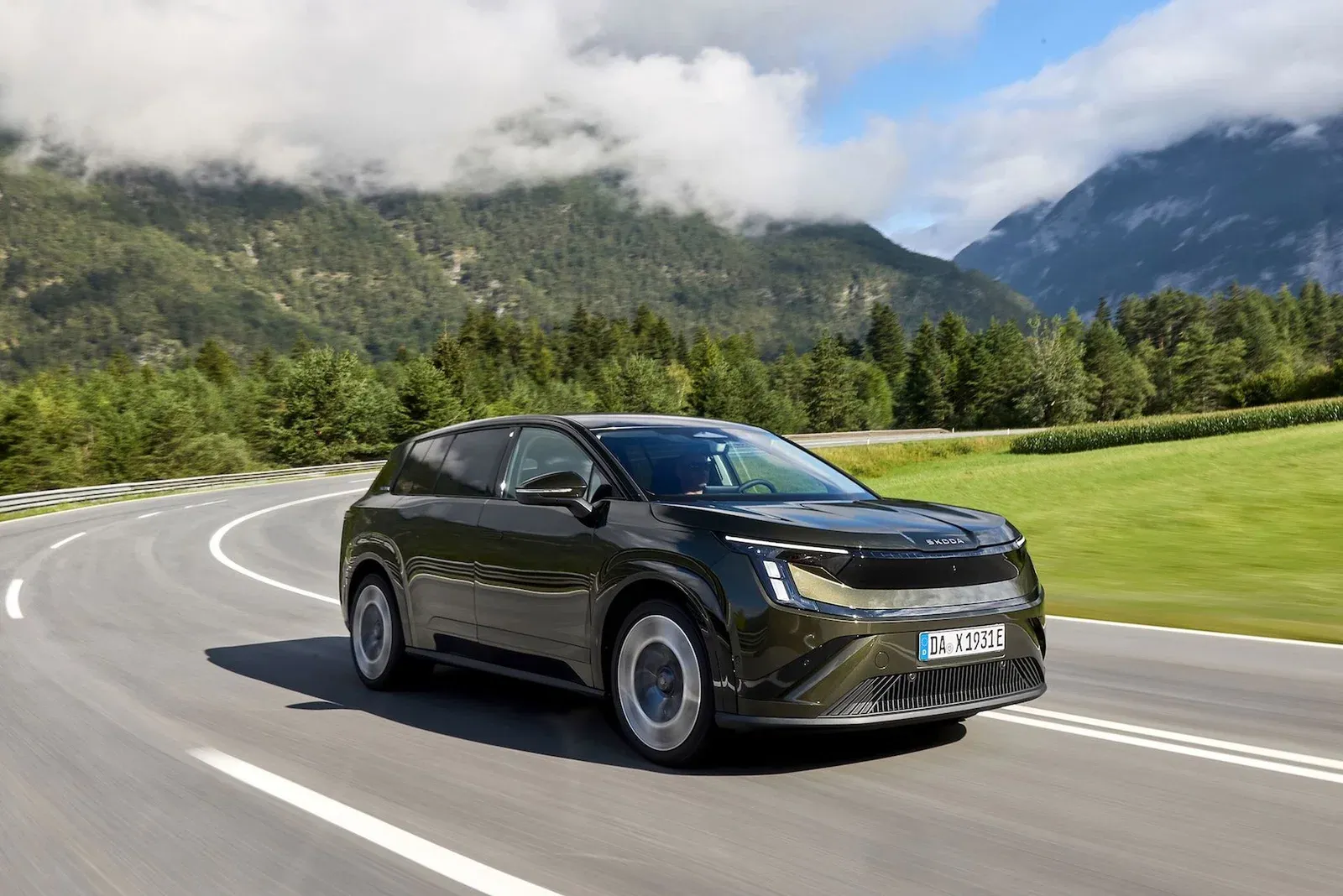
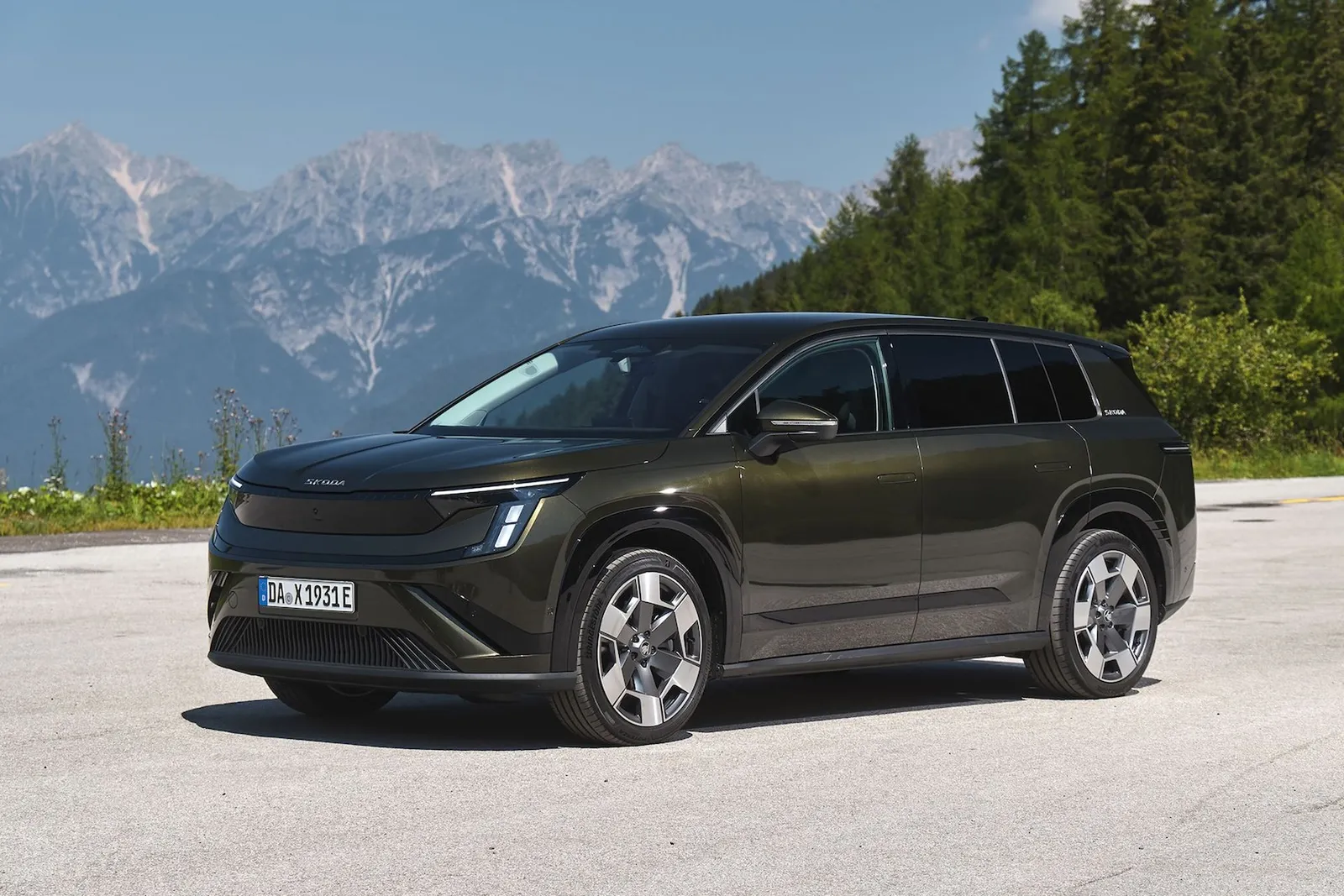
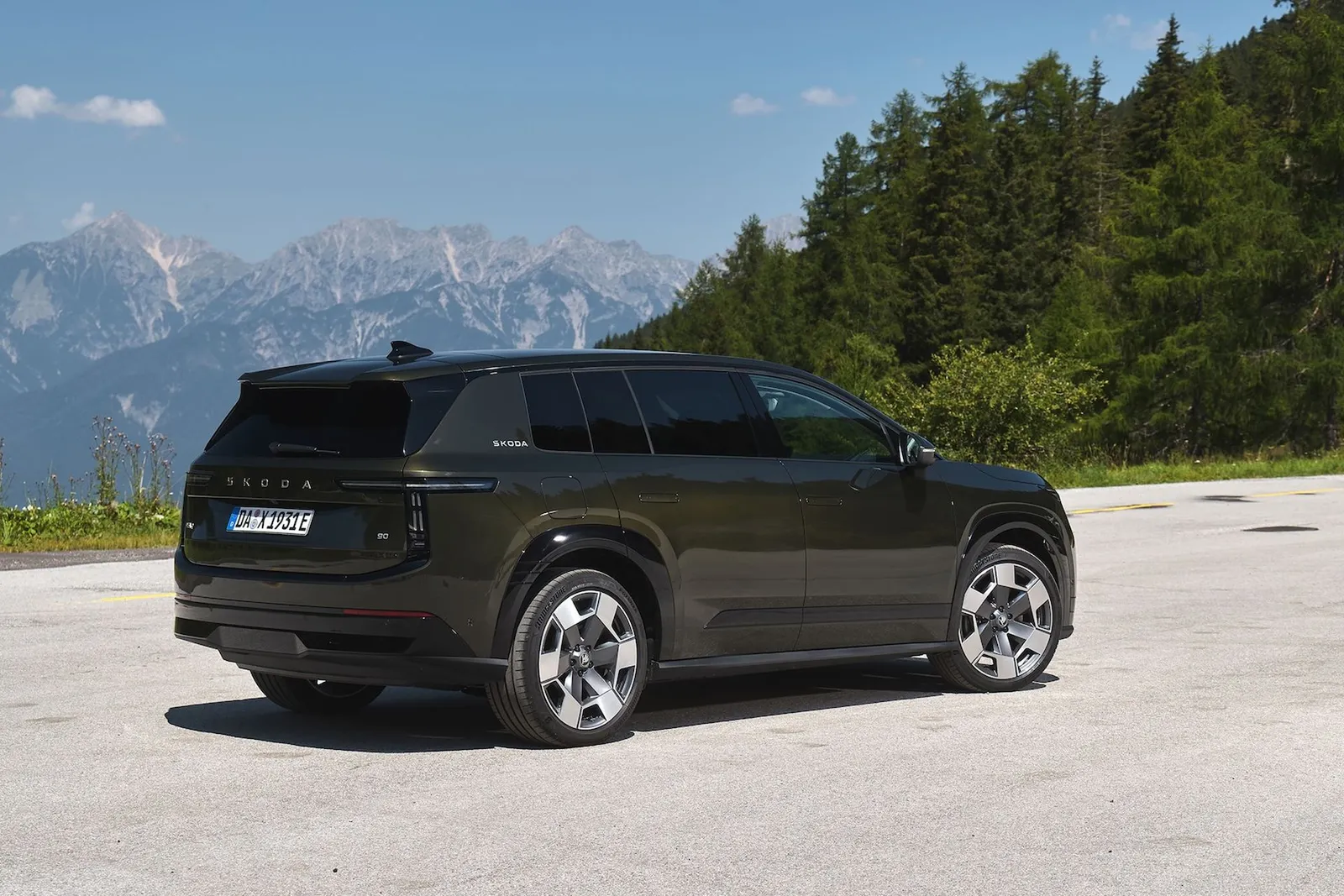
This is the vehicle that many families have been waiting for for a long time: the Škoda Peaq. For some, it’s an off-road crossover, while for others it’s more of a family sedan. The ample space inside thanks to its flexible layout, attractive design, electric drive system, and all-wheel-drive option should appeal to many people.
Škoda is proud of its new top model, aptly named Peaq (inspired by Peak – summit). It is an electric crossover that some might have wished for earlier, as international competitors have been in this segment for longer. Those who previously preferred Škoda models with luxurious features and ample space for families or hobbies couldn’t overlook the successful Superb. Now that a version of this model exists with internal combustion engine technology and without crossover features, the Peaq is intended to fill the gap previously occupied only by models such as the Kia EV9, Hyundai Ioniq 9, or Mazda CX-6x.
Ambitious rear space, organized cockpit
The 4.87 meter long SUV offers ample space not only in the front but especially in the back seat area. This is made possible by its nearly three meter long wheelbase, which allows even tall passengers in the back to sit comfortably and enjoy long trips. High-quality finishes, optionally heated rear seats, numerous storage compartments, and various USB ports to power smartphones or tablets help maintain a quiet environment in the back, a feature that stands out not only during longer drives.
The third row is hardly useful for serious use, as it can at most accommodate young children on short trips for afternoon sports or family events. Those who need more space than four or five people can opt for a higher-class SUV competitor or a better van.
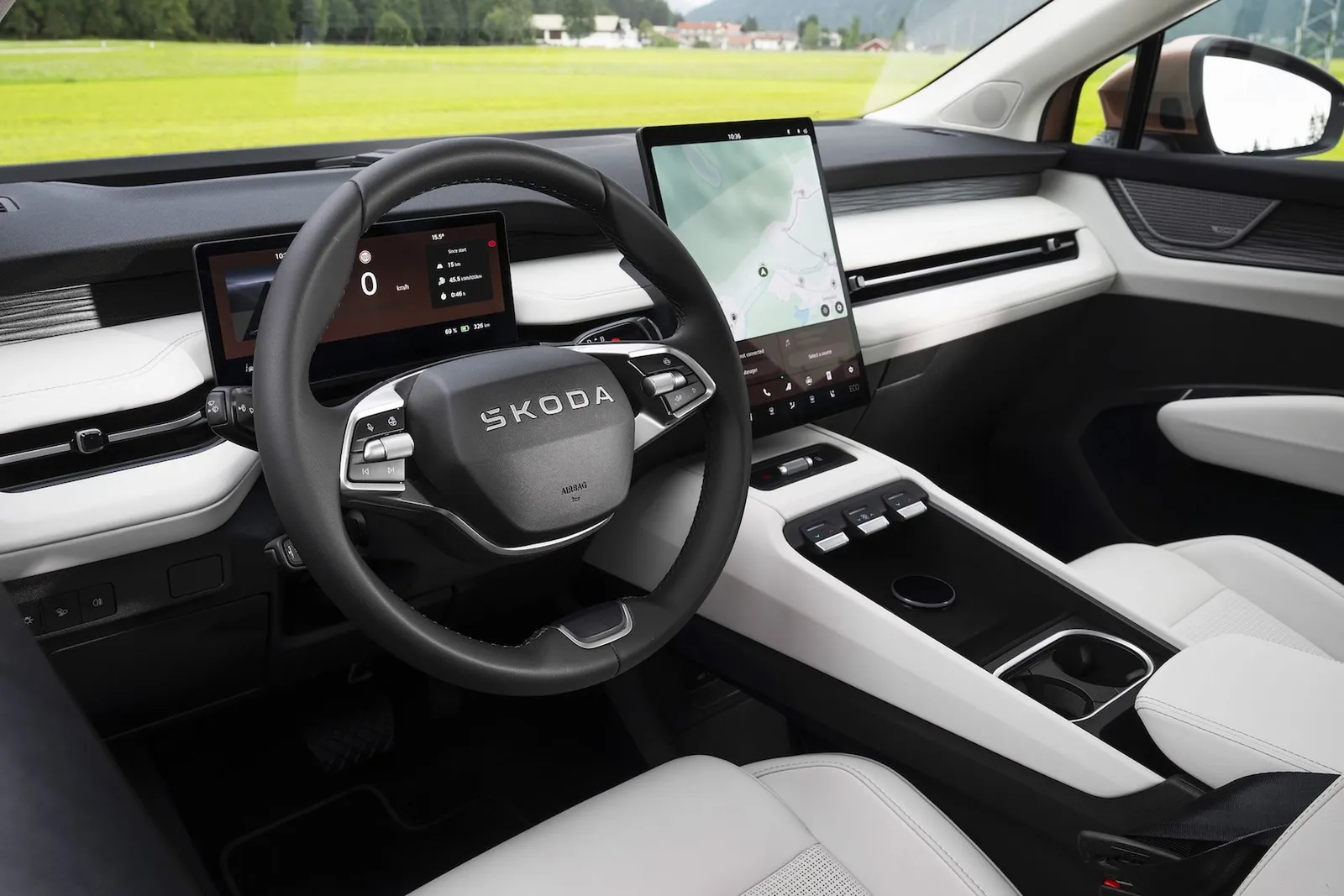
While passengers in the back chat and play on their devices, the driver enjoys a tidy and almost minimalist cockpit. The instrument panel behind the easy-to-grip steering wheel is somewhat small, a flaw that even the useful head-up display cannot compensate for—although it does project key information into the driver’s line of sight. The 13.6-inch central screen is better, though not oversized, allowing easy navigation, entertainment, and setting adjustments.
Unusual for a car of this class in the 2027 model year: There isn’t even an optional passenger display, which is now standard across classes and available in many models in Europe as well. Škoda seems to want to save this feature for a future model update on the Peaq.
The wide center console in the Peaq features practical switches for climate control and two phone charging slots along with lighting. Admittedly not a high-end system, the music selected from the Sonos sound system with its 16 speakers and 755 watts sounds excellent. The 2.1 square meter panoramic roof provides plenty of light inside, but it cannot be shaded with blinds and can only be darkened through an electrochromic mechanism. This offers comfort in rain or snow but becomes annoying under strong sunlight.
Designed for four to five people
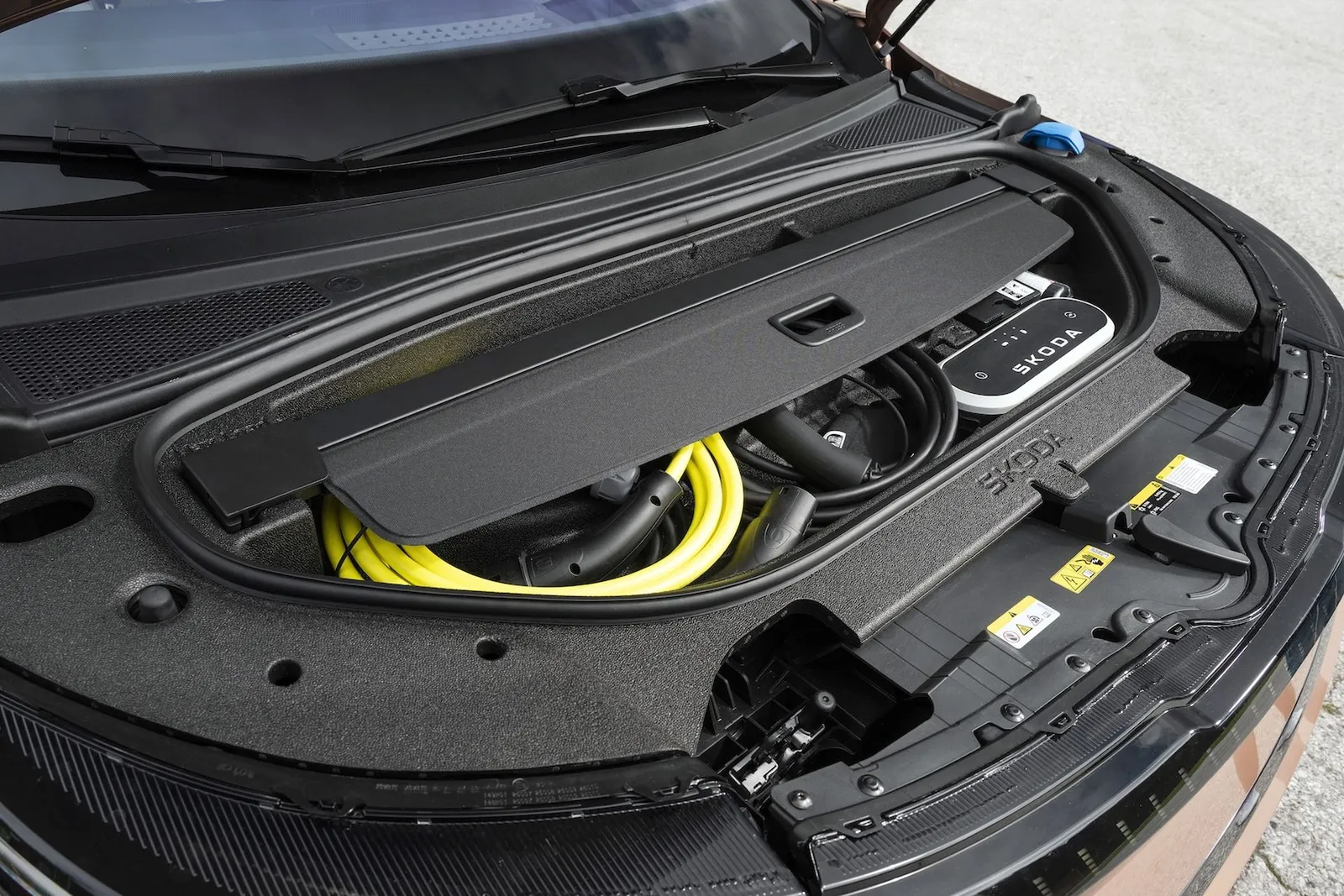
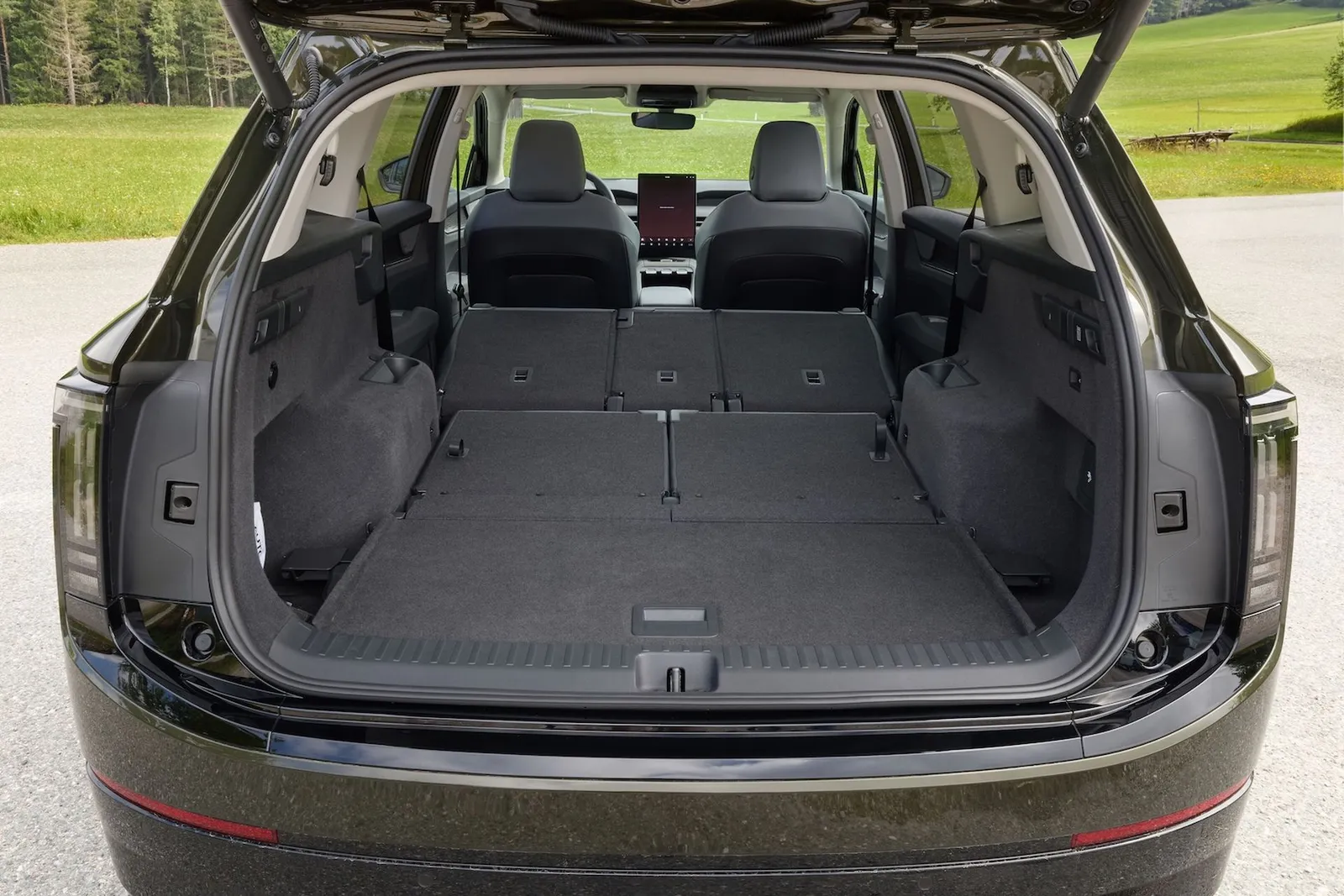
In its standard configuration, the Škoda Peaq can accommodate up to four passengers on weekdays as well as during weekends with more leisure activities. In addition to its comfort, it offers a cargo volume of 935 liters behind the electric tailgate. Smaller items can be stored in the interior or in the fairly small trunk area under the hood, which holds 37 liters. For horse and boat enthusiasts who will likely opt for the practical all-wheel-drive version 90x, the maximum towing capacity is two tons.
Like many other models from the Volkswagen Group, the Škoda Peaq is built on the well-known MEB platform. This comes at the cost of a 800-volt charging technology that is modern even for this class, meaning it takes half an hour to charge from 10% to 80% at a fast charger for both battery packs (63- / 91-kWh batteries with nickel-manganese-cobalt chemistry). This is somewhat underwhelming for a car that will undoubtedly be many people’s first vehicle with long-distance capabilities: the maximum charging speed remains below 200 kW, while some competitors offer significantly more power and thus shorter charging times.
The Škoda Peaq doesn’t have the speed to match its ambitious name as a high-performance vehicle, as the base version with a 63-kWh battery is limited to 160 km/h, while the top model reaches 180 km/h. Even here, the Škoda top model falls behind several competitors due to its platform limitations. The standard range is decent at 610 kilometers, especially with the larger battery pack. During longer charging stops, the comfortable front seats with foldable footrests are a great addition.
Those considering a Škoda Peaq are likely to have little choice but to opt for the top model, which costs at least 60,400 euros, given its dimensions, weight, charging and driving performance. Only then does it offer at least 210 kW / 286 hp of power along with a 91 kWh battery that provides practical range for daily use. And if going with the larger battery pack, it’s best to choose the all-wheel-drive version of the Škoda Peaq 90x, which, though its 220 kW / 299 hp motor power lags behind that of many other models, still has more than enough dynamic performance.
The generous 545 Nm of maximum torque certainly doesn’t guarantee true sportiness, especially given a curb weight of 2.5 tons. Yet there’s no doubt that the low center of gravity, all-wheel drive, and well-tuned suspension deliver genuine driving pleasure behind the wheel of the Peaq. The electronic damping control, which allows the family driver to choose between more comfort and a touch of firmer dynamics, can be skipped. In this class, it’s entirely unnecessary, and there are better features that make more sense for a family crossover.