
Renault 8 Gordini Concept: Reviving an Icon?
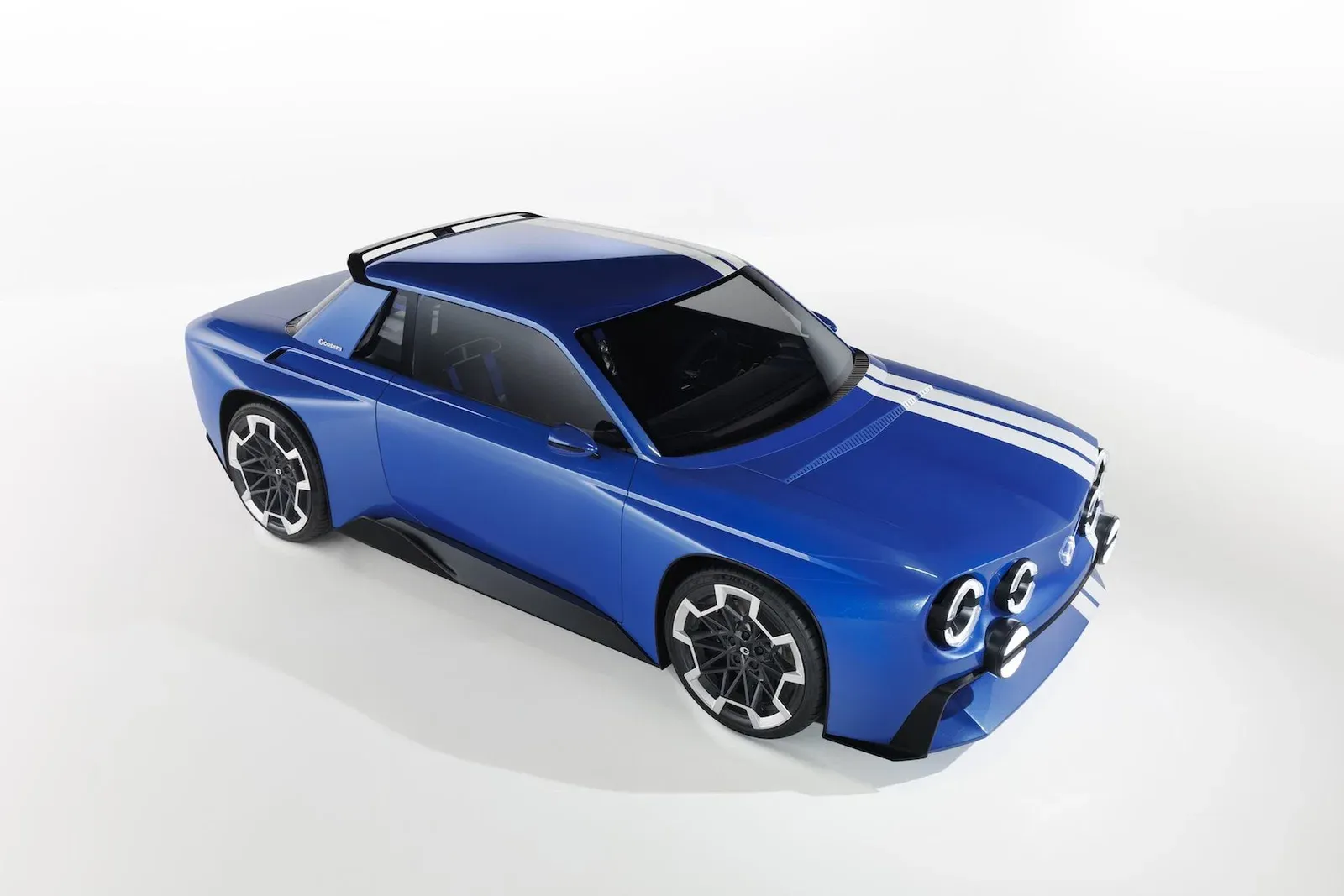
The Renault 8 Gordini Concept explores the limits of sporty retro design in road vehicles and pays tribute to a past that is unlikely to become a future.
Since 2011, Renault has not released any Gordini versions of its road vehicles; the last two were based on the Clio and Twingo. Now, the company introduces the 8 Gordini Concept to test how such a model would affect that new generation of drivers who have already made the retro-designed electric Renault 5 a sales success.
In 1946, the Italian-born Amedeo Gordini—who later took French citizenship and became known as Amédée Gordini—founded the brand named after him. He was a passionate tuner and advocate for more sporty body designs. As one of Europe’s first successful tuners, he had already worked on various projects in the 1930s and 1940s, especially in collaboration with Simca, which was then part of Fiat. In the early 1950s, their business visions diverged; Gordini parted ways with Simca and focused on entering the exclusive world of Formula 1. This move came in 1951, but by 1956 he was forced to withdraw due to a lack of funds to compete against the powerful teams of Mercedes, Maserati, or Ferrari.
Tribute to Le Mans and Rallying
In the second half of the 1950s, Renault’s projects increased, and its racing program gained momentum through engine development for the 24 Hours of Le Mans between 1962 and 1966. Additionally, the 8, 12, and 17 models—modified by him and bearing his name—became highly renowned in rallying during the 1960s and 1970s. It was also during this period that Renault’s first road car based on a racing platform was created: the Dauphine Gordini. Although the performance improvement in 1957 was modest—only from 32 to 38 horsepower—the vehicle appeared significantly more aggressive in appearance, bridging the gap between racing circuits and everyday road use.
The next model was the 8 Gordini, a sedan introduced in 1964 with a four-cylinder engine and a displacement of 1.1 liters. In its standard version, it produced only 50 horsepower, but “the Wizard” doubled this peak power to 95, and later increased it to 110 horsepower by enlarging the engine displacement.
This model was Gordini’s second most famous after the Dauphine, and it made the blue color along with the two white stripes on the front, roof, and trunk lid world-famous. The vehicle was produced from 1964 to 1970 and was more commercially successful than its successor models, the 12 and 17 (which appeared in the 1970s). By then, Amédée Gordini had already stepped back from day-to-day operations; in 1968, the year he retired, he sold most of his company shares to Renault.
In 1977, just two years before the founder’s death in 1979, Renault finally took full control of Gordini. Meanwhile, the program to compete in the Formula 1 World Championship continued with those unforgettable yellow race cars, which introduced turbotechnology to this racing series for the first time.
Renault tests a new sub-brand with the 8 Gordini Concept
Currently, Renault is testing the 8 Gordini Concept to see if reviving this sub-brand could appeal to customers. If it moves forward, the vehicle is likely to have four seats rather than two, as in the concept version. Part of its appeal lies in its retro design, which generally performs very well in the market—seen in models like the Fiat 500 or the more recent R5. Following an internal competition among design centers, around 300 designs were submitted. Two of these were selected and scaled down to 2:5 to facilitate the decision on the winning concept.
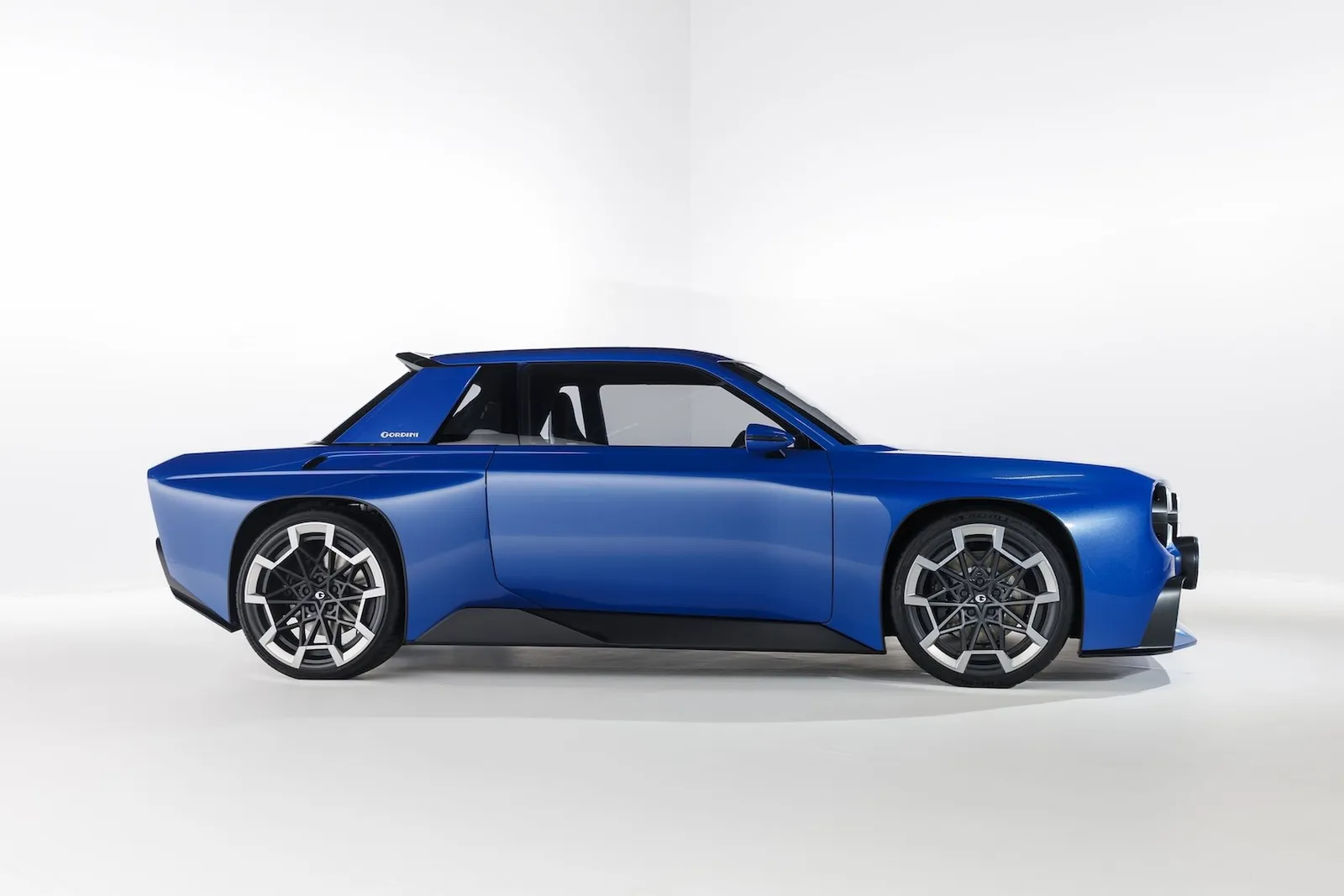
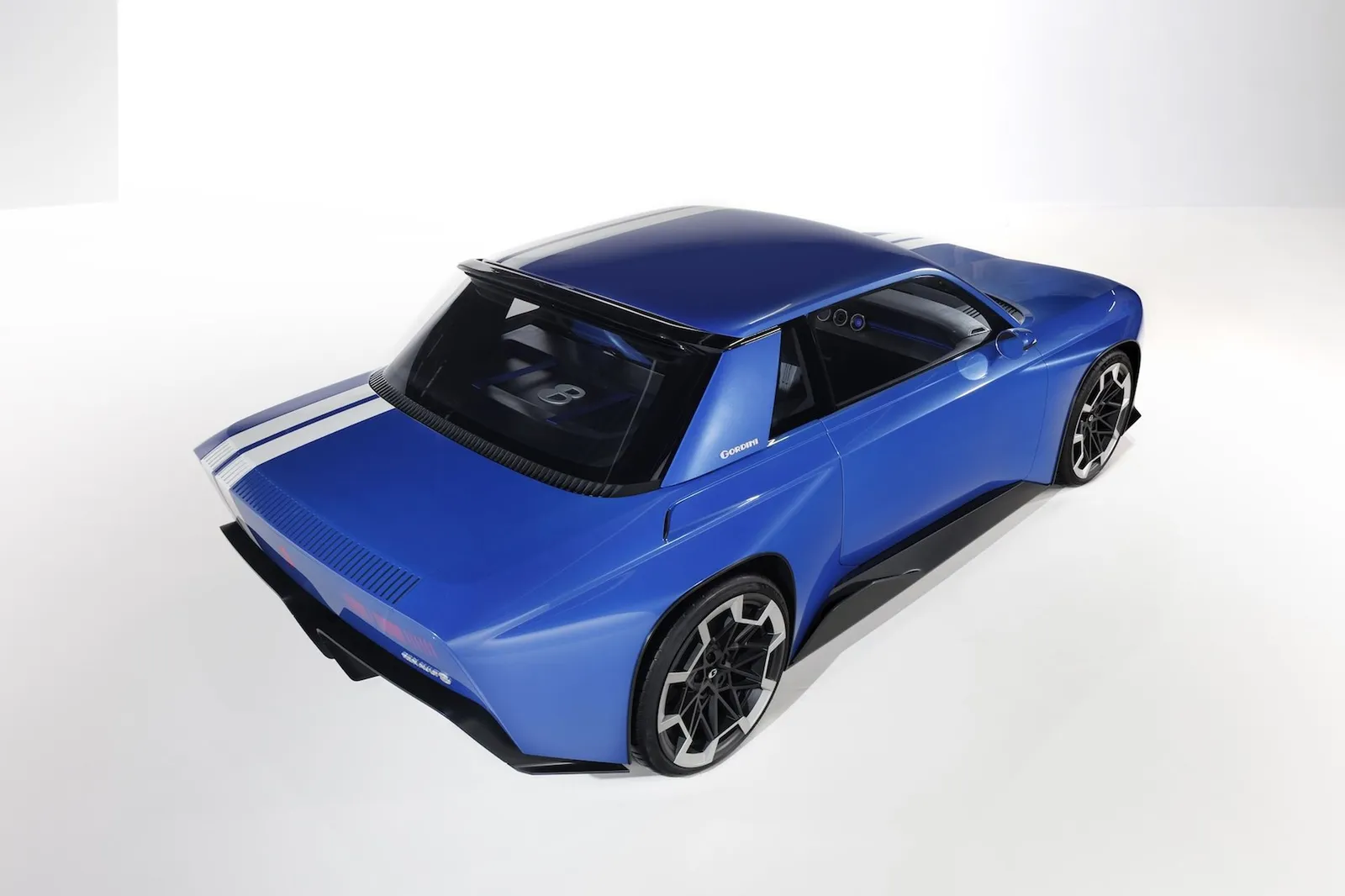
The exterior dimensions are similar in length to those of a Clio (4.12 meters), while the vehicle is 11 centimeters wider at 1.88 meters in width. In height, however, it remains significantly lower at 1.27 meters compared to Renault’s current bestseller. Particularly striking is the steep rear end with its sloping silhouette and the grille running across the entire width of the upper rear area — a clear homage to the design of the original model rather than a technical necessity.
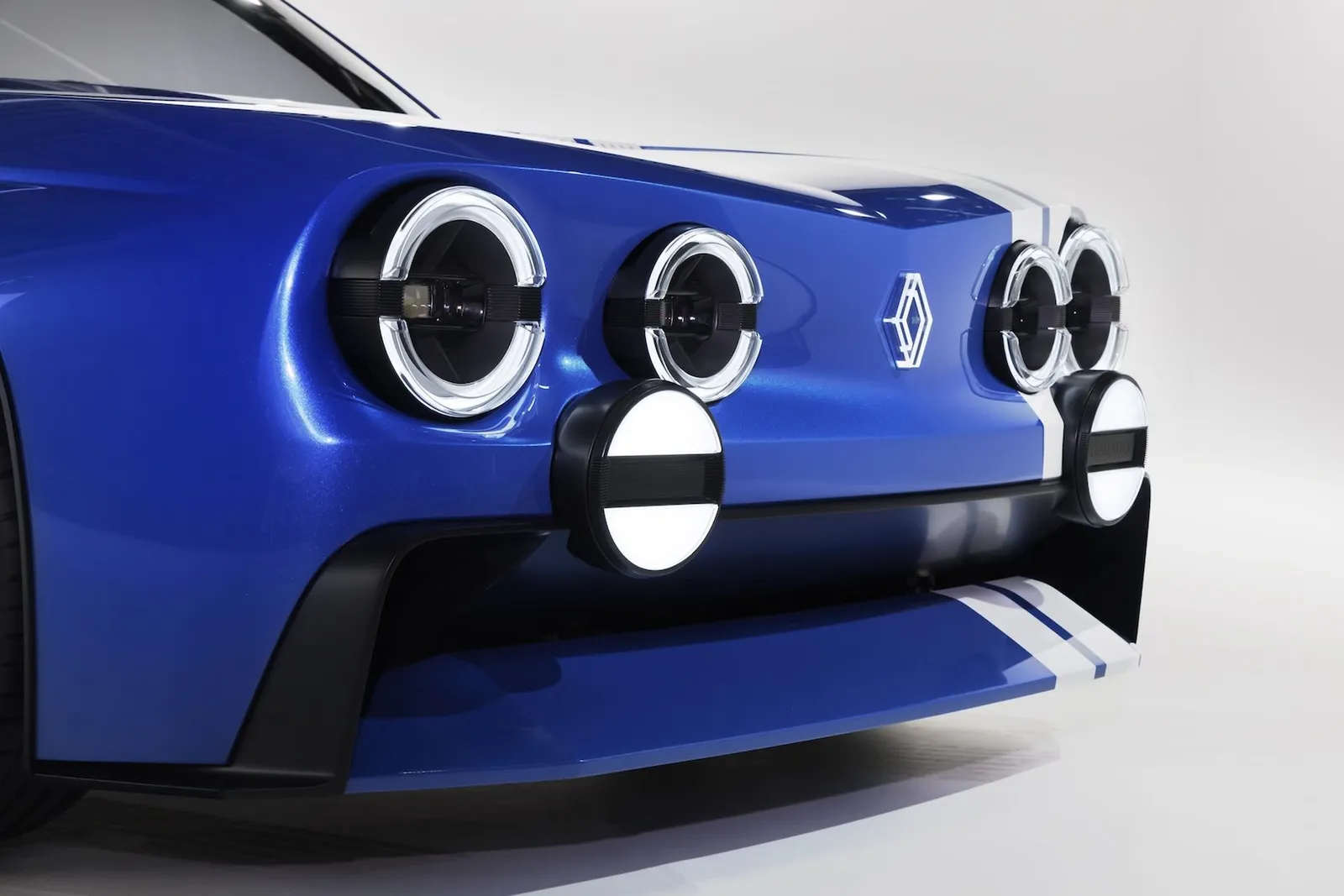
Aside from the paint, there are various elements contributing to the design of this 1962 car. It starts with the steep front end featuring round headlights, continues with the vertical lines from the windshield to the C-pillar, and includes the grooves in the “8” logo, which are part of the original design. The rectangular wheel arches, also inherited from the historic model, cannot be overlooked. The front wheels are 19 inches in diameter, while the rear wheels are 20 inches. The rear end of the 8 Gordini Concept emphasizes this aspect, as it is where the driving power is generated.
The question remains whether the 270 horsepower comes from one engine or two. Apart from the door opening via an electric trigger, everything inside the cabin evokes memories of the past. This includes the round-shaped instruments arranged across the dashboard, replacing a central touchscreen.
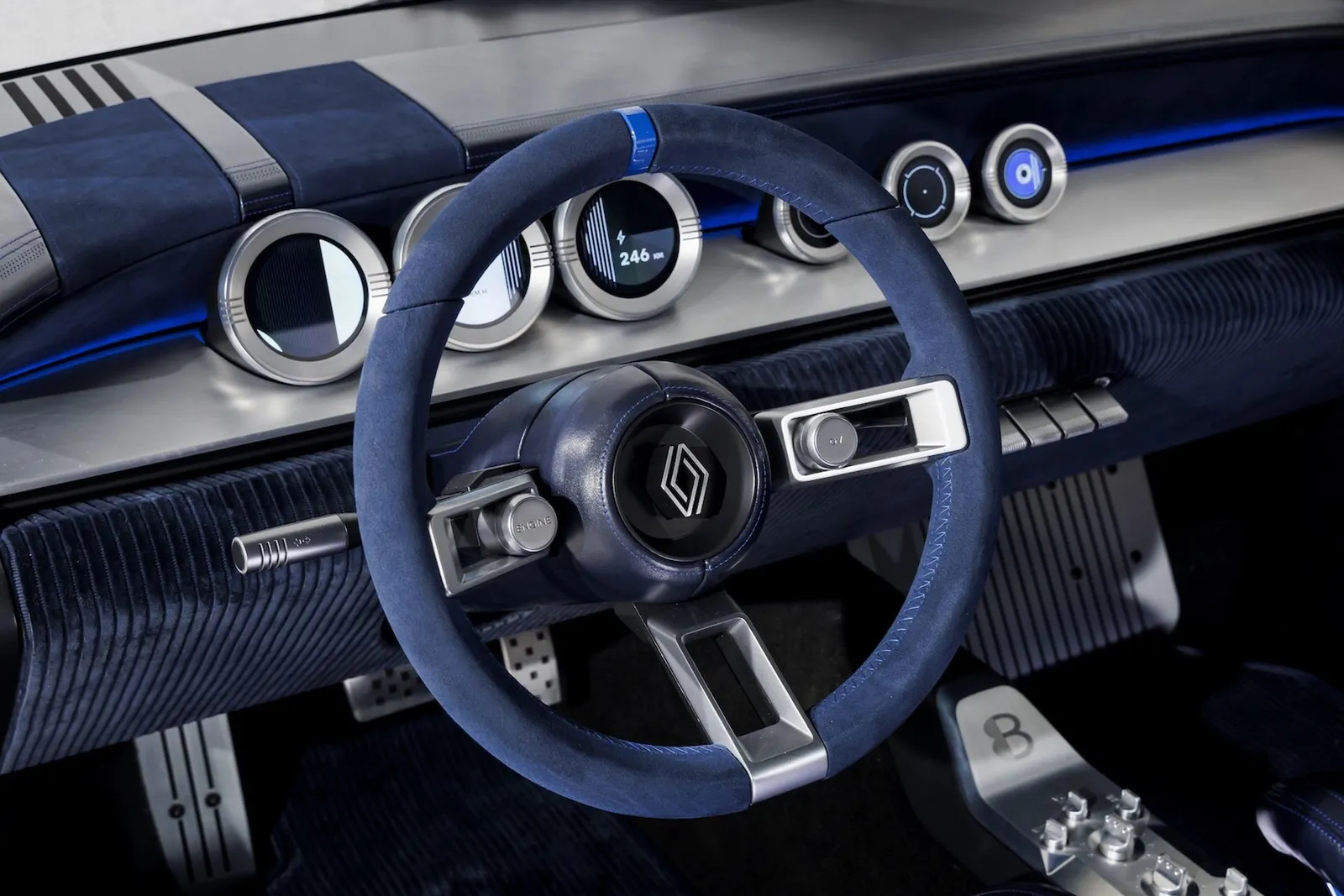
The concept car features bucket seats with integrated headrests and cord details on the dashboard. The Renault 8 Gordini Concept is on display at the “Défilé” — Renault’s location in the heart of the Champs-Élysées — starting today, September 24th, and will then travel a few kilometers to the Paris Auto Show. It will be at these locations that it becomes clear whether this concept car can serve as a foundation for reviving the sub-brand.